

On my first trip to Hainan back in March, I made the classic mistake every first-time visitor makes: I bought a single overpriced mango from a beachside stall near Sanya Bay and thought I’d tasted the best China tropical fruits had to offer. Three trips and dozens of fruit markets later, I now know that the real sweetness of southern China hides in provincial wholesale markets, roadside orchards, and the wet stalls of Xishuangbanna. If you’re planning to chase the best tropical fruits in China, this guide is built from what I’ve actually eaten, carried home in checked luggage, and recommended to clients who wanted something beyond the usual tourist trail.
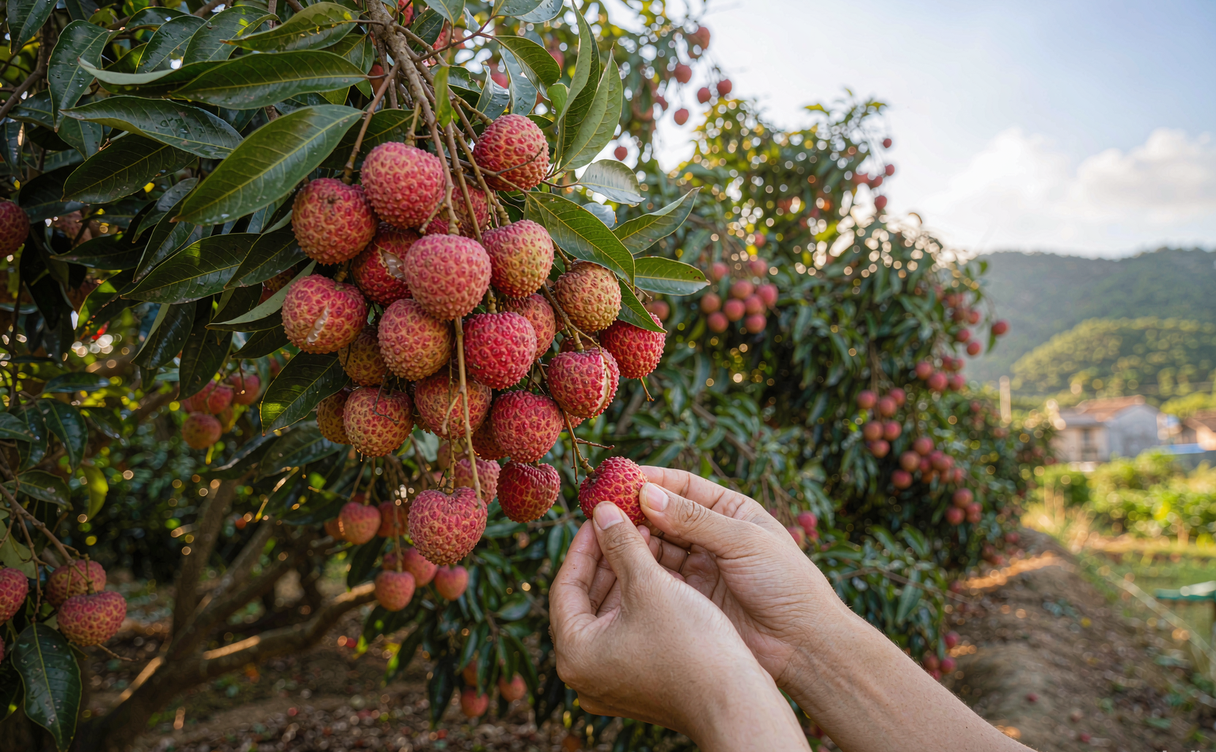
The tropical belt of China is smaller than most people expect. It runs through Hainan Island, the southern tip of Guangxi, and a pocket of southern Yunnan around Xishuangbanna. Each region ripens its fruit on a different calendar, and timing your visit is half the battle when you go looking for Chinese fruits to try.
Why southern China is a fruit lover’s secret
Most travelers come to China for the Great Wall or the pandas, but the country grows more than 700 cultivated fruit varieties, and the southern provinces concentrate the exotic ones. What surprises visitors is the price. A kilogram of perfectly ripe mangoes in Sanya costs roughly RMB 6–12 in season, versus RMB 30–40 for the same fruit shipped north to Beijing. The difference is freshness, not just cost: fruit picked that morning and eaten by noon tastes nothing like what sits in a supermarket for a week.
On my last trip through Hainan in May, I based myself in Sanya for four nights and made a day trip north to Baoting and Qiongzhong, where the Li and Miao villages grow small, intensely sweet mangoes you’ll never see exported. Renting a car with a driver cost about RMB 400 for the day, and the orchards let us pick our own for RMB 8 per jin (half a kilogram). That single afternoon taught me more about Chinese fruits to try than any restaurant menu.
Hainan: the mango and lychee heartland
Hainan is where I send most clients who want a dedicated fruit crawl. The island’s climate means something is always ripening. Hainan’s broader food scene deserves its own deep dive, but for fruit, here’s the calendar I use:
- Mangoes: April to June, peaking in May. The Sanya red mango (贵妃芒) and the smaller yellow egg mango (鸡蛋芒) are the standouts.
- Lychee (荔枝): May to early July. Hainan’s lychee ripens a few weeks before Guangdong’s, so it’s the earliest in the country.
- Longan (龙眼): July to August.
- Dragonfruit (火龙果): June through November, with the red-fleshed variety the one worth seeking.
- Jackfruit (菠萝蜜) and rambutan: summer months.
- Passion fruit and sapodilla: available most of the year in markets.
Where to eat tropical fruit China style means going to the markets, not the hotels. In Sanya, the First Market (第一市场) opens around 6 a.m. and is busiest before 9. In Haikou, the Nanbei Fruit Wholesale Market (南北水果市场) is where locals buy by the box. I usually tell clients to budget RMB 50–80 per person for a morning of grazing, sampling, and one full box to ship home (cold-chain shipping to major cities runs about RMB 25–40 per 5kg box).
Xishuangbanna in Yunnan: the borderland bounty
Yunnan’s tropical corner around Jinghong is my favorite for travelers who also want culture and heat without the beach crowds. The Kunming food guide covers the cooler highlands, but down in Banna the fruit stalls spill onto the night market roads with things you won’t find in central China: mangosteen, durian (imported from Thailand just across the border), rose apple, and the weirdly wonderful salak (snake fruit). The Jinghong Night Market runs every evening from about 6 p.m., and a plate of mixed cut fruit costs RMB 10–15.
I spent a week there in August and built my days around the morning wet market near Manting Park, then the riverside night market for dinner. The Chinese festival foods guide notes that the Dai Water Splashing Festival in mid-April is the peak moment if you want fruit alongside street celebrations, though expect crowds and higher prices.
If you’re planning a fruit-focused trip, I’d pair Hainan’s beaches with a few days in Xishuangbanna rather than choosing one — the two regions ripen different fruit on different calendars, and together they cover almost everything on a China tropical fruits list. Build your dates around May for mangoes and lychee, or August for the Yunnan exotics.
Guangxi: lychee country and the mango capital
Guangxi often gets skipped, but it’s where some of the best tropical fruits in China are grown commercially. Baise (百色), in western Guangxi, is officially the mango capital of China, and its Tian东 mangoes are shipped nationwide. Qinzhou and Lingshan produce famous lychee, and the city of Beihai on the coast gives you both fruit and seafood in one stop. Guangxi’s regional cuisine pairs beautifully with the fruit — think lychee pork and mango sticky rice sold at night markets for RMB 12–20 a bowl.
The high-speed rail makes this easy. From Nanning, you can reach Baise in about two hours (RMB 75–110, second class), and the orchards outside the city offer pick-your-own experiences in June and July. I took a client there last summer, and the highlight wasn’t the fruit itself but the roadside grannies selling sun-dried longan and preserved kumquat by the jin for RMB 15–25.
How to eat tropical fruit safely and well
A few practical notes from the road. Street-cut fruit is safe in the big markets if you see the knife being wiped and the water is bottled — I’ve never had a problem in Sanya or Jinghong. Carry small bills; many stalls don’t break RMB 100 easily. And weigh before you agree on a price, because “by the jin” vs “by the piece” confusion cost me RMB 40 once in Haikou.
For vegetarians and those avoiding certain foods, the China vegetarian and vegan guide is worth reading alongside this one, since fruit stalls are the easiest safe meals you’ll find. And if you want a structured route rather than independent wandering, our China food tour guide lays out multi-city itineraries that include Hainan and Guangxi stops.
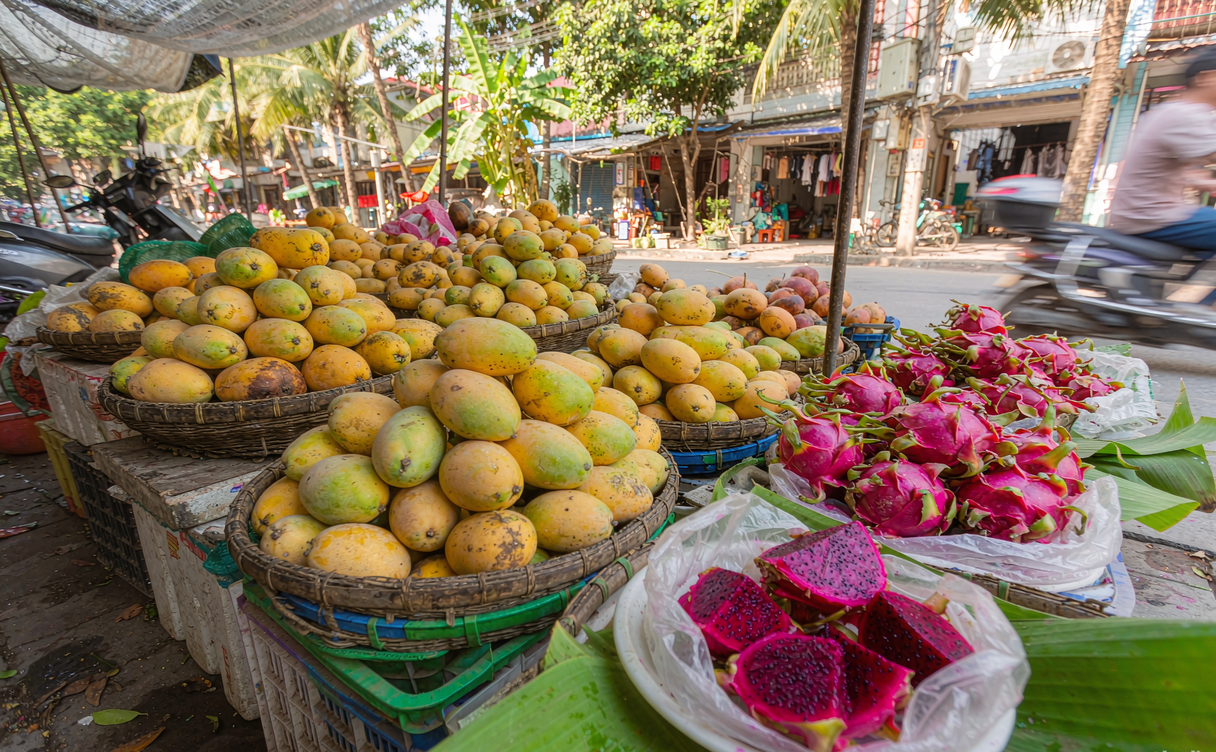
My honest tip: skip the pre-cut fruit cups at airport departure halls. Buy whole fruit at the last city market, wash it at your hotel, and carry it through security in your hand luggage (whole fruit is usually allowed domestically). It’s the cheapest souvenir and the freshest bite you’ll have on the plane.
A note on seasons and what to expect
To make this concrete, here’s the rough ripening window I rely on:
| Fruit | Best months | Where |
|——-|————-|——-|
| Mango | Apr–Jun | Hainan, Baise (Guangxi) |
| Lychee | May–Jul | Hainan, Lingshan (Guangxi) |
| Longan | Jul–Aug | Hainan, Guangxi |
| Dragonfruit | Jun–Nov | Hainan |
| Mangosteen | May–Sep | Xishuangbanna |
| Jackfruit | Jun–Aug | Hainan, Yunnan |
The lychee, in particular, has a long documented history in China — it was cultivated here for more than 2,000 years, and you can read about its cultural place in the country on its Wikipedia page. Tasting a fresh one off the branch in May is a different experience from the canned versions most Westerners know.
If your trip falls outside these windows, don’t cancel the fruit plans — Hainan’s supermarkets and the big wholesale markets still stock something good year-round, and Xishuangbanna’s border trade keeps mangosteen and durian available even in cooler months. Flexibility beats a rigid calendar.
Closing thoughts
China tropical fruits are one of the country’s most underrated travel experiences, and they cost almost nothing compared to the headline sights. In the years I’ve been sending clients south, the ones who came back raving weren’t the ones who did the luxury resorts — they were the ones who woke early for the First Market, hired a driver to a mango orchard, and learned to say “多少钱一斤” without flinching. Pack light, bring a reusable bag, and leave room in your suitcase. The sweetness is real, and it’s waiting in the south.