

When a client with celiac disease asked me to plan a two-week China trip last spring, my first instinct was to panic. China runs on wheat in the north and wheat noodles everywhere else, and the language barrier makes “no gluten” a genuinely hard request. But after mapping the trip city by city and testing restaurants on my own scouting runs, I can now say with confidence that China gluten-free travel is not only possible — it can be delicious. This guide is the playbook I wish I’d had, built from real meals eaten and real mistakes made.
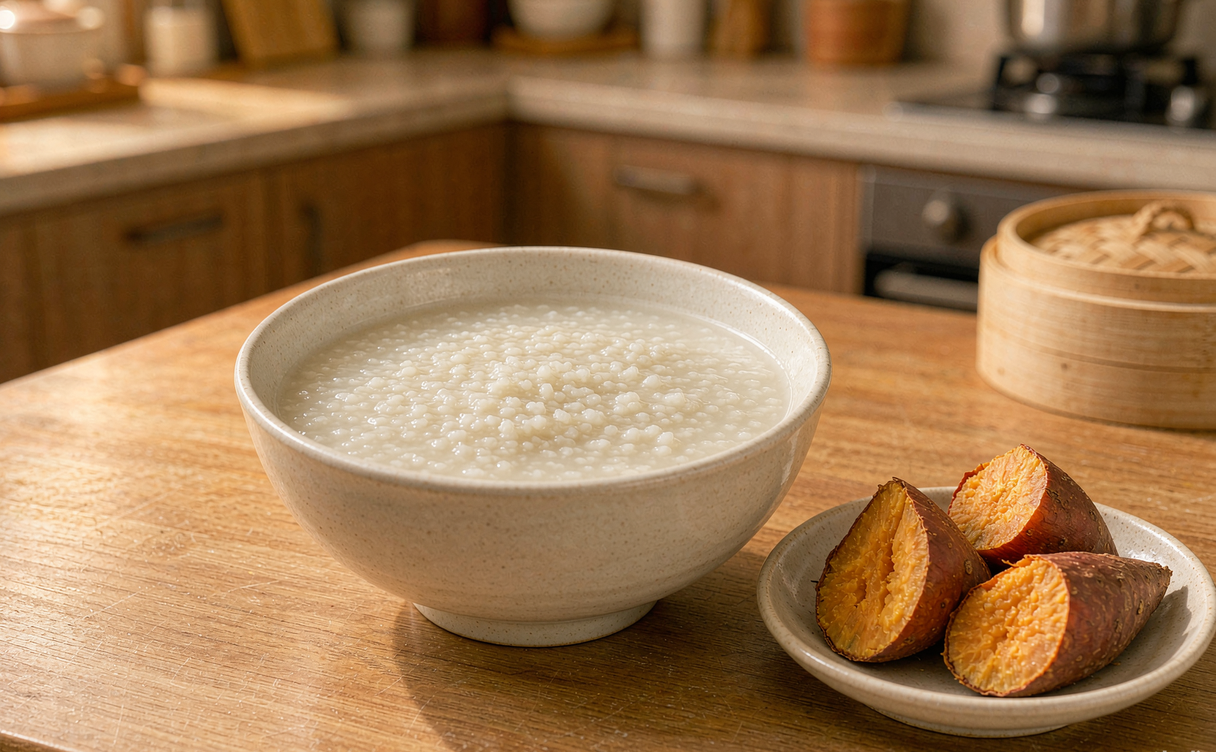
The single most important thing to understand is that China is half rice country. The southern and southwestern provinces — Guangxi, Yunnan, Guangdong, and Hunan’s rice-growing belts — eat rice three times a day, and their signature dishes are naturally wheat-free. If you build your route around those regions, gluten free food in China stops being a survival exercise and becomes a pleasure.
The wheat trap: what looks safe but isn’t
Before listing the good stuff, let me save you the stomachache I gave myself on a careless night in Xi’an. Wheat hides in places you’d never expect:
- Most soy sauce in China is brewed with wheat, so even plainly steamed vegetables tossed in “just a little soy” are a problem.
- Thickeners in soups and braising liquids often use wheat flour.
- “Rice” dumplings and some sticky snacks are actually wheat-wrapped.
- Malt vinegar, used in several cold dishes, comes from barley.
- Many hot-pot dipping sauces mix soy, sesame paste, and wheat-based fermented bean paste.
The China food allergies and dietary guide covers the broader picture, but for celiac travelers the rule is stricter: cross-contamination matters. A wok wiped between a noodle stir-fry and your rice dish is not safe. You need to say it clearly and carry it in writing.
Your Chinese gluten-free phrase card
I print this on a card for every GF client: “我患有乳糜泻(麸质过敏),不能吃小麦、面筋、面条、酱油、大麦、黑麦。请只用大米、玉米、蔬菜和肉。非常感谢!” It means: “I have celiac disease (gluten allergy) and cannot eat wheat, gluten, noodles, soy sauce, barley, or rye. Please use only rice, corn, vegetables, and meat. Thank you.” Show it before ordering, not after the food arrives.
The regional noodles guide is essential reading for the inverse reason — it tells you exactly which famous noodles to avoid. Wheat noodles like Lanzhou lamian, Beijing zhajiangmian, and Sichuan dan dan noodles are off the table, but the rice-noodle chapters are your friends.
My strongest advice for a first China gluten-free trip: spend your first three or four days in a rice-dominated city like Guilin, Kunming, or Guangzhou, where safe meals are easy to find, before tackling wheat-heavy destinations like Xi’an or Beijing. Build confidence and a list of go-to dishes before the harder stops.
Safe dishes I’ve eaten and recommend
Here is the shortlist of gluten free food in China that I’ve verified by eating it:
- Guilin and Yunnan rice noodles (米粉 / 米线): Rice-flour noodles in a clear broth, topped with meat and pickles. A bowl runs RMB 10–22. Ask for no fried dough stick (油条), which is wheat.
- Congee (粥): Plain rice porridge, safe and soothing, RMB 6–12.
- Steamed fish and white-cut chicken (白切鸡): Cantonese classics, usually just salt and scallion. RMB 40–80 per dish.
- Hot pot with a clean broth: Order a plain tomato or mushroom broth and bring your own tamari-style sauce, or use sesame oil and crushed garlic. Budget RMB 90–160 per person.
- Clay-pot rice (煲仔饭): Rice cooked in a pot with meat and egg, naturally wheat-free if served without soy drizzle. RMB 25–45.
- Rice noodle rolls (肠粉): Steamed rice-flour sheets, though confirm the sauce is wheat-free or ask for oil and scallion instead.
The vegetarian and vegan guide overlaps usefully here, since plain vegetable and tofu dishes cooked in oil (not soy) are usually safe additions.
City-by-city: where eating gluten free in China is easiest
In my experience, the easiest cities are Guangzhou, Guilin, Kunming, and Chengdu’s rice-loving neighborhoods. Guangzhou’s dim sum has rice rolls and steamed buns made from rice flour — just avoid the wheat buns. Guilin is built around rice noodles; I once ate at the same hole-in-the-wall near the Li River four mornings running for RMB 15 a bowl. Kunming’s cross-bridge rice noodles (过桥米线) are a meal in themselves, though you must check the dried toppings aren’t fried in flour.
The harder cities are Xi’an and northern Beijing, where wheat is the default starch. There I lean on hot pot and separately steamed rice dishes, and I keep meals simple. Our food tour guide can route you through the easy cities first if you’d rather not plan it yourself.
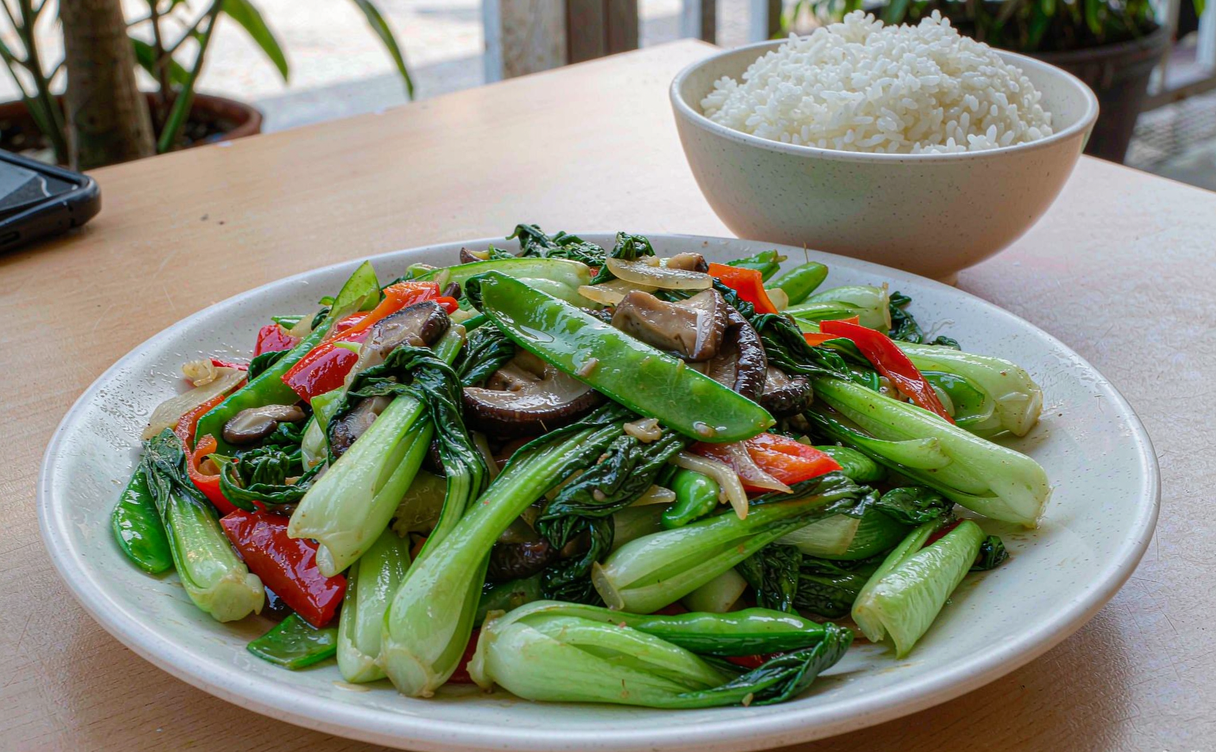
If you want hands-on confidence, book a cooking class in a rice region. The China cooking class guide lists schools in Yunnan and Guangdong where you can learn to make rice noodles and steamed dishes you’ll know are 100% safe — and replicate them at home afterward.
Restaurants, chains, and the celiac reality
For travelers who want a sit-down restaurant with some English, the high-end world is surprisingly manageable. The Michelin and Black Pearl dining guide notes that upscale Cantonese and Yunnan restaurants are often willing to accommodate allergies if you email ahead with your card. I’ve had chefs in Shanghai’s fine-dining spots prepare a separate gluten-free tasting menu on request, typically RMB 400–900 per person.
That said, celiac disease is poorly understood in much of China, and “free of wheat” is not a concept most neighborhood cooks have encountered. The medical background is worth knowing: celiac disease is an autoimmune reaction to gluten, and even tiny amounts can cause harm, so you cannot treat this as a mild preference. Pack your own tamari, read labels, and when in doubt, eat simply.
Practical packing and daily routine
On a China celiac travel guide budget, the smartest money you spend is before you fly. Bring: a sealed jar of gluten-free tamari (check airline liquid rules or pack in checked baggage), a translated allergy card in both English and Chinese, and a few shelf-stable rice crackers for emergencies. Supermarkets like Ole’ and City Super in major malls stock imported GF products, usually at RMB 30–60 a box.
I tell clients to eat their biggest safe meal at hotel breakfast (many international hotels offer congee, fruit, and eggs) and keep lunch flexible with rice noodles. Dinner is where you use your card and pick a restaurant you’ve researched. With this rhythm, I’ve kept every celiac client I’ve sent healthy and happy.
Don’t let a diagnosis talk you out of China. With a rice-region route, a clear Chinese card, and a jar of tamari in your bag, eating gluten free in China becomes one of the more manageable parts of the trip. Start south, stay simple, and the food will surprise you.
Closing
China gluten-free travel demands more planning than a regular trip, but the payoff is real: you’ll eat fresher, simpler food than most tourists, lean into the rice cultures most visitors skip, and come home with a genuinely useful skill. The wheat is everywhere, yes, but so is the rice — and now you know exactly where to find it.