

Most travelers who dream of Tibet, China imagine the Potala Palace in Lhasa and the prayer-flag passes of the central plateau. But if you fly into the far east of the region, you land in a different world. I spent ten days in Chamdo, Tibet, China, and what struck me most was how this corner of the plateau blends sacred mountains, glacial lakes, and one of the last working salt wells in the country. Chamdo is the gateway where the Tibetan cultural sphere meets Sichuan and Yunnan, and it rewards travelers who want the highlands without the crowds of the classic Lhasa route.
Why Chamdo, Tibet, China Deserves a Place on Your Map
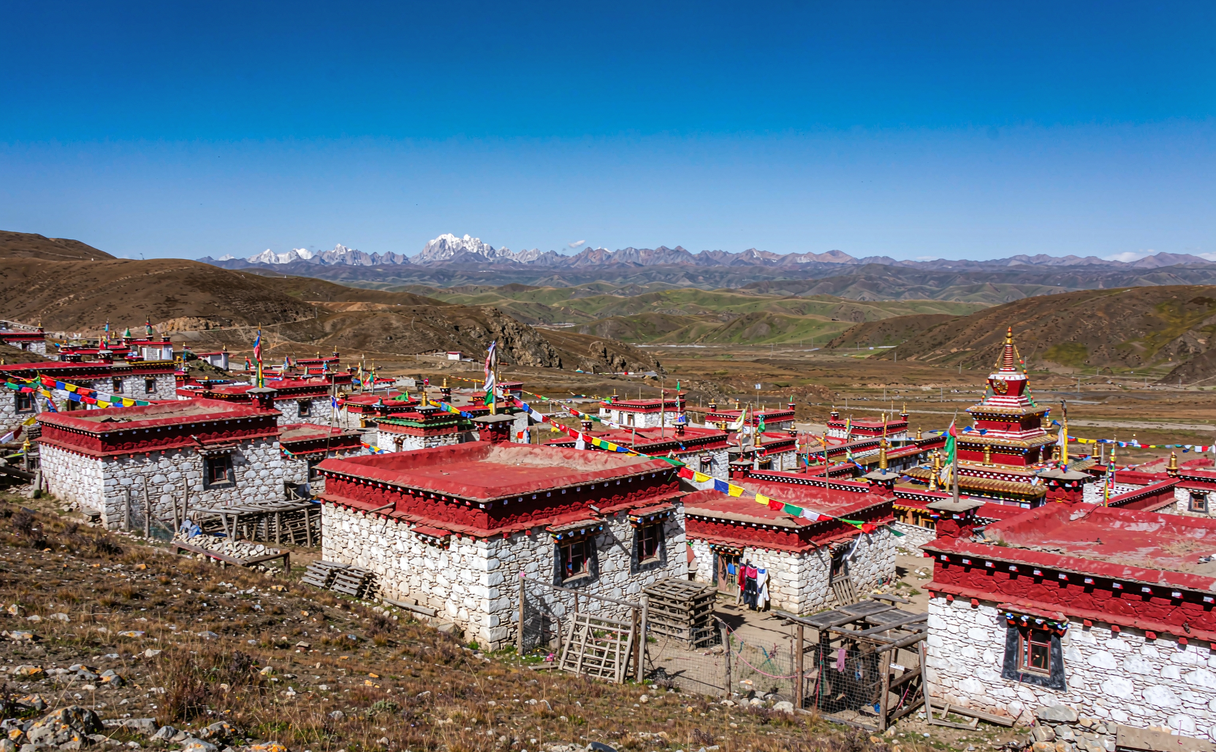
Chamdo sits at the eastern end of the Tibet Autonomous Region, where the Lancang (Mekong) River begins its long journey south toward Southeast Asia. The city itself, with its modest grid of streets and the golden roofs of Galden Jampaling Monastery, is a gentle introduction to plateau life. What makes a Chamdo Tibet travel guide worth writing is the sheer variety packed into a single prefecture: you can stand on a salt terrace in the morning, watch monks debate in the afternoon, and wake the next day to the mirrored surface of Ranwu Lake.
I arrived in late September, which I now consider the single best window. The summer rains had stopped, the skies were clear, and the first autumn colors were touching the valleys. The light at that altitude is extraordinary—thin, bright, and somehow sharper than anywhere I had been before. If you are building a broader Tibet plan, pair this with our complete Lhasa Tibet travel guide so you understand the permit logistics before you commit to the east.
Getting to Chamdo and Getting Around
The fastest way in is Chamdo Bangda Airport (BPX), one of the highest civilian airports in the world at roughly 4,334 meters above sea level. Flights connect from Chengdu, Lhasa, and Chongqing, with one-way fares typically between ¥900 and ¥1,600 depending on the season and how far ahead you book. From the airport it is a long, dramatic drive of about 130 kilometers to the city center, taking three to four hours because the mountain road climbs and curves continuously.
Overland, the classic approach is the Sichuan-Tibet Highway (G318). I met travelers who drove from Chengdu in four to five days, stopping at Litang and Batang along the way. This route is spectacular but demanding, and you need both the Tibet Travel Permit and a military area permit for certain stretches near the border zones. If you are coming from central Tibet, our China Tibet train guide explains how the railway reaches Lhasa, from where you continue by road or air. Within Chamdo prefecture, the realistic way to move is a hired 4×4 with a driver (about ¥600–¥900 per day including fuel), since public buses are sparse and slow on the plateau.
Things to Do in Chamdo Tibet
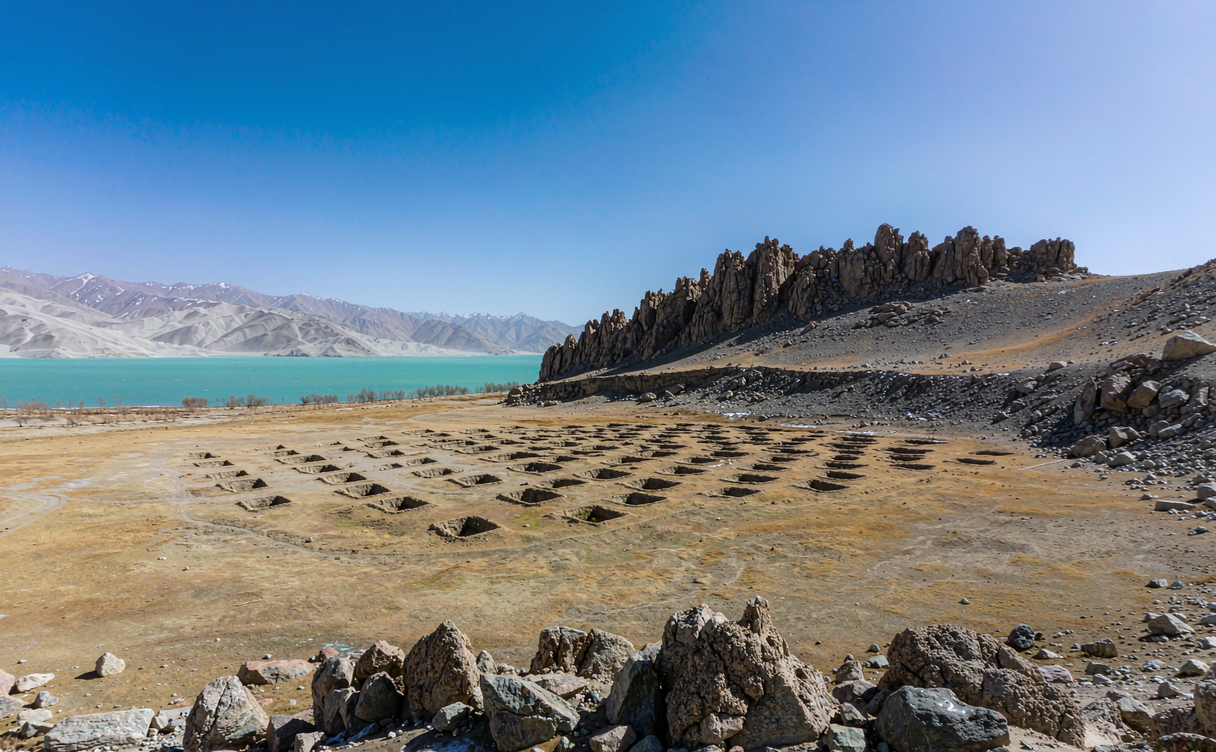
Ranwu Lake. About 290 kilometers from the city, Ranwu Lake is the headline attraction and the reason many people make the trip east. The water shifts from deep blue to milky turquoise depending on the angle of the light, framed by the snow of the Gangrigabu range. There is no formal ticket booth at the open lakeshore viewpoints I visited; the nearby Laigu Glacier, one of the lowest-elevation glaciers reachable by road in Tibet, charges around ¥50 in peak season. Plan a full day, leave at dawn, and bring layers because the wind off the glacier is brutal even in September. I spent two hours just sitting by the shore, watching clouds roll across the peaks—it was the quietest place I found on the whole trip.
Yanjing Salt Wells. Near the border with Yunnan, the Yanjing salt fields are terraced evaporation pans where local families still draw brine from hot springs and leave it to dry into pink and white salt. A visit to the small salt museum and the unusual Salt Well Catholic Church—a rare pocket of Christianity on the plateau—costs roughly ¥30 to ¥50. The nearby Tibetan-style grape wine of Yanjing is a genuine local curiosity worth a tasting, with bottles from about ¥40.
Galden Jampaling Monastery. In the city center, this is the seat of the Galden Tripa and one of the largest monasteries in eastern Tibet, China. Entry is usually free or a small ¥20 donation; the morning chanting around 9 a.m. is unforgettable, with hundreds of monks filling the main hall. Photography inside the chapels is restricted, so ask a monk before you raise your camera.
Karuo Neolithic Site. A short drive from the city, this excavated settlement dates back roughly 4,000 to 5,000 years and reveals the early farming culture of the plateau, including some of the oldest known cultivated barley. The open-air site has minimal signage, so a local guide for ¥100 to ¥150 makes the visit meaningful. I found the simple stone tools and reconstructed huts humbling—a reminder that people have farmed these high valleys for millennia.
Planning a multi-region Tibet trip? Our Everest Base Camp Tibet guide maps the southern route so you can combine the east and the high Himalaya in one journey. Download it before you lock in permits and flights, and you will see how the two halves of the plateau connect.
Best Time to Visit and What to Pack
The best time to visit Chamdo is May through October. Spring (May–June) brings blooming valleys but some lingering road snow on the high passes. Summer (July–August) is green and lively but sees afternoon rain that can muddy the mountain roads. Autumn (September–October) is my pick: clear light, comfortable daytime temperatures of 12–20°C, and cold nights near freezing at altitude. Winter closes some passes and the salt road can ice over, so I would not recommend it for a first visit.
Altitude is the real planning factor. Chamdo city sits around 3,200 meters, Ranwu around 3,900, and Bangda Airport higher still. I spent two nights acclimatizing in the city before pushing east, drank plenty of water, and avoided heavy meals on day one. A small personal oxygen canister (¥30–¥50 in any pharmacy) helped a nervous travel companion. Sunscreen and lip balm are essential—the UV at this elevation burns fast. For season timing across the country, our best time to visit China overview helps you sequence regions so you are not fighting the weather.
Where to Stay and Eat
In Chamdo city, mid-range hotels like those on the main drag run ¥250–¥450 per night, with heating and oxygen available in better properties. At Ranwu, lakeside guesthouses open from May to October and charge ¥200–¥350; book ahead in the National Day holiday (early October) when prices spike by roughly 50%. I stayed in a basic but warm guesthouse whose owner cooked me thenthuk every evening—worth more than the room itself.
Food is hearty plateau fare: thenthuk (hand-pulled noodle soup, ¥20–¥35 a bowl), yak meat stew, and butter tea served free at most guesthouses. The night market near the monastery is the best cheap eat, with skewers and momos (dumplings) from ¥3 each. If you are extending into Yunnan afterward, our Shangri-La Yunnan travel guide picks up the trail just across the provincial line and continues the highland theme.
A Few Practical Notes
Carry cash for the smaller salt villages and monastery donations; mobile pay works in the city but not always at Ranwu. SIM cards with data are fine, but download offline maps because signal drops on the G318 for long stretches. Respect monastery photography rules, and always ask before photographing locals at the salt pans—most are happy to pose for a small tip. A basic phrasebook of Tibetan greetings went a long way with villagers who spoke little Mandarin.
Suggested Budget
For a rough daily budget in Chamdo, Tibet, China: transport with a shared driver runs ¥200–¥300 per person, food ¥80–¥150, lodging ¥200–¥350, and entry fees ¥50–¥100. A solo traveler should budget about ¥600–¥800 per day, while a couple sharing a car and room can land closer to ¥500 each. The remote location keeps costs a little higher than central Tibet, but the lack of crowds is the trade-off you are paying for.
Want a ready-made plateau itinerary that links Chamdo with the rest of the region? Save our Lhasa and Everest guides above, then sketch a 12-day loop from Chengdu through Chamdo to Lhasa. It is the most efficient way to see eastern Tibet, China without backtracking, and the permits line up more cleanly than you might expect.
Sample 5-Day Chamdo Itinerary
- Day 1: Fly into Bangda, transfer to Chamdo city, acclimatize, visit Galden Jampaling Monastery at dusk.
- Day 2: Karuo Site and local market; rest, hydrate, and sample butter tea.
- Day 3: Drive to Ranwu Lake, overnight at the lakeshore guesthouse.
- Day 4: Laigu Glacier viewpoint, return toward the city via the flower valleys.
- Day 5: Head south to Yanjing salt wells, cross toward Yunnan or fly out.
This loop kept daily drives under five hours, which mattered enormously at altitude where fatigue sets in fast.
Chamdo, Tibet, China is not the easiest place to reach, and that is exactly its appeal. The lakes are bluer, the monasteries quieter, and the salt pans a living piece of heritage you can still walk on. For background on the region’s cultural geography, the Wikipedia entry on Chamdo is a useful starting point before you travel, with neutral detail on its history and peoples.
Ready to turn this guide into a booking? Start with flights to Chamdo Bangda Airport and a confirmed Tibet Travel Permit, then reserve your Ranwu lakeside stay early because rooms are few. The eastern plateau rewards planners—begin yours today and you will beat the handful of travelers who even know this corner exists.