

Most foreign visitors to Henan rush between the marquee names — the Shaolin Temple, the Longmen Grottoes, the old capital of Luoyang — and treat the rest of the province as a blur seen from a high-speed train window. That is a shame, because the cities in between hold some of the strangest and most photogenic scenery in central China. Zhumadian, in the southern part of the province, is exactly such a place: a plain-market city that sits an hour and a half from Zhengzhou by rail and hides a granite mountain so bizarre it is said to have inspired the settings of the classic novel Journey to the West. This Zhumadian travel guide explains why the stop is worth a full day, and how to build it into a wider Henan route.
Zhumadian is one of the Henan off-beat cities we recommend most often to travelers who already have the headline sights and want something with fewer tour buses. The city itself is flat, modern, and easy to walk, famous regionally for sesame, for a sweet candied hawthorn snack, and for being a genuine crossroads on the Beijing–Guangzhou high-speed line. The draw is what lies just outside the ring road.
Chaya Mountain: The Petrified Garden
The reason to come is Chaya Mountain Zhumadian’s signature sight, a granite park about 45 minutes southwest of the city center. This is not a tall peak — it rises only a few hundred meters — but it is a forest of weathered granite pillars, arches, and balancing rocks that look sculpted rather than eroded. Locals call it a “natural bonsai,” and Chinese travelers know it as the rumored backdrop for the Monkey King’s mountain in Journey to the West. The paths wind through gaps so narrow you squeeze sideways, past a “lock bridge” and a small lake where the rocks double in the water. Entry is about ¥70, and most visitors spend three to four hours on the loop. We usually advise clients to arrive at the 8:30 opening to beat the midday heat in summer and the coach crowds in October.
Nanhai Temple and the Runan Countryside
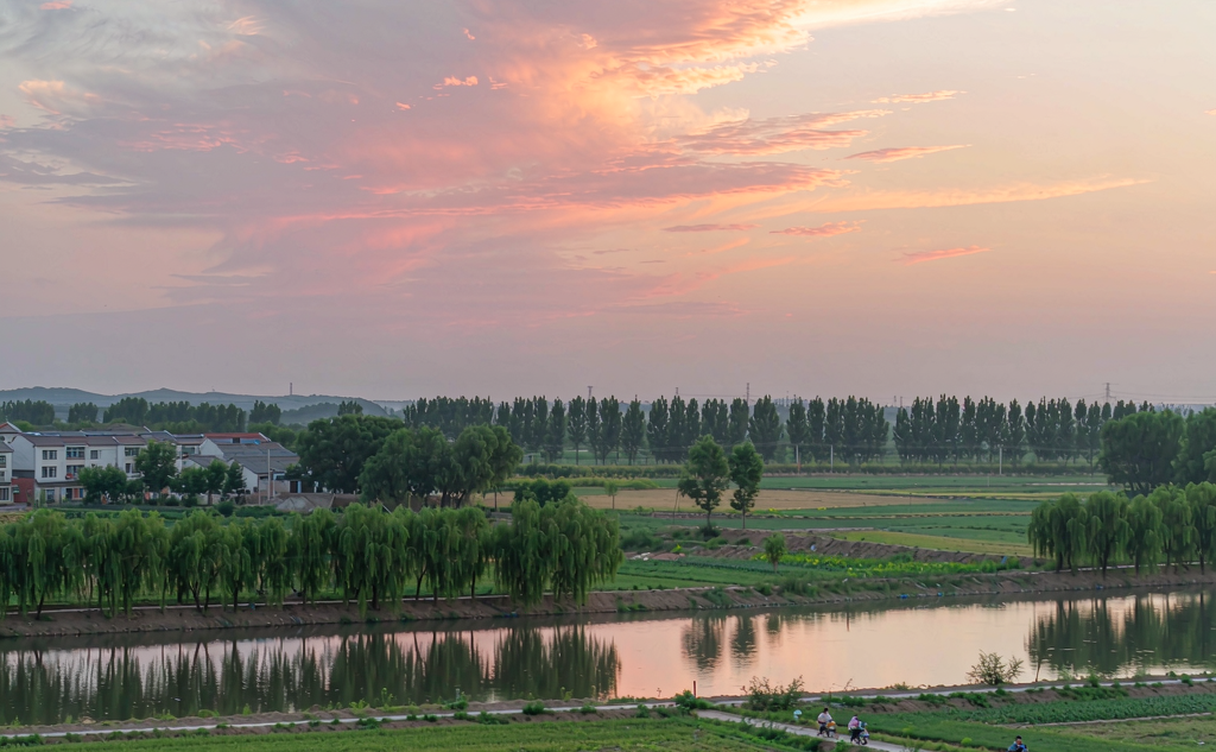
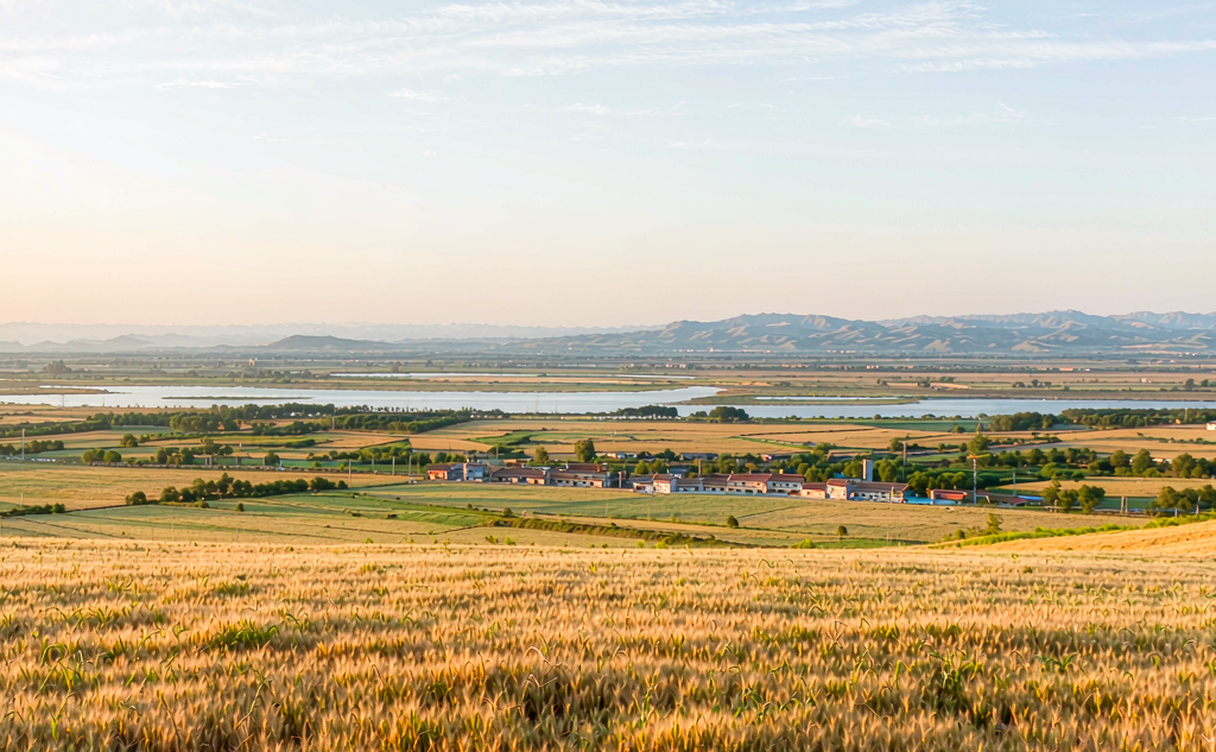
Northwest of the city, in Runan County, sits Nanhai Temple, one of the largest Buddhist temple complexes in central China. It was rebuilt on an older site and now spreads across a series of courtyards, pagodas, and a large still lake, with far fewer visitors than the famous monasteries up north. It is a calm half-day, best in the morning when the light lies flat on the yellow walls. Runan is also woven into Chinese legend as a claimed home of the Butterfly Lovers (Liangshanbo and Zhuyingtai) story, and the surrounding Zhumadian countryside is gentle farmland — wheat, sesame, and lotus ponds — that makes for a pleasant bicycle or driver-loop afternoon if you want to slow down.
Things to Do Beyond the Mountain
Beyond Chaya and Nanhai, the things to do in Zhumadian split into light nature and local culture. Boshan Lake, a reservoir southeast of the city, has a wooded shoreline with rental boats and weekend barbecue spots popular with Zhengzhou families. Laole Mountain, closer in, mixes a Taoist hill temple with a growing paragliding scene — on clear weekends you will see canopies drifting off the ridge. For a food-and-market morning, the city’s central produce market is where you taste the local sesame candy and the flat, chewy “zhumadian” noodles that rarely appear on menus outside the province. We brief clients that none of these are “must-sees” in the way Luoyang’s grottoes are, but together they make a relaxed 24 hours that breaks up a long rail journey nicely.
Local Food and Crafts to Try
Zhumadian’s pantry is worth a dedicated morning. The signature sweet is a sesame candy (mashuang) pulled into brittle, glossy strands and sold by the box at the train-station shops — buy it there, because airport versions elsewhere are stale. The flat wheat noodles, served cold with garlic vinegar or hot with a meat gravy, are a lunch in themselves for under ¥20. On the craft side, Runan County produces a plain, sturdy pottery and a coarse hemp cloth that makes an unusual souvenir; neither is polished for tourists, which is exactly the appeal for travelers who want something real rather than a keyring. We tell clients to keep one market morning free rather than filling every hour with sights, because the unhurried version of Zhumadian is the version that sticks.
Zhumadian to Luoyang and Getting Around
The practical hub question is the Zhumadian to Luoyang connection. Luoyang is about 240 kilometers northwest, roughly 2 to 2.5 hours by high-speed train with a change, or a private car run of three-plus hours. Most of our clients actually approach Zhumadian from the east: Zhengzhou is 1.5 hours by train (¥110–¥150), and Wuhan is 1.5 to 2 hours south, making Zhumadian an easy break on a Wuhan–Zhengzhou axis. Inside the city, taxis start at ¥6 and DiDi is reliable; for the outlying sights you will want a hired car for the day (about ¥400–¥600 with driver), since buses to Chaya and Runan are slow and infrequent for a foreign visitor without Chinese.
If you are assembling a Henan route, the Zhengzhou travel guide is the usual entry point, the Luoyang travel guide covers the grottoes and old capital, and the Kaifeng travel guide adds the Song-dynasty water city to the northeast. For the martial-arts icon itself, the Shaolin Temple Henan page explains how to pair it with Zhengzhou.
When to Go
Spring (April–May) and autumn (September–October) are best. Summers are hot and humid, often above 35°C, and the rock gaps at Chaya hold the heat; winters are grey and cold but nearly empty, which photographers sometimes prefer. We avoid the first week of October (National Day holiday), when every train and hotel in Henan is packed.
Where to Stay and Eat
Zhumadian has the full range of Chinese business hotels — Vienna, Atour, and local chains — clustered near Zhumadian West Railway Station and the central square, priced ¥200–¥400 a night. Eat at the night market for sesame candy, grilled squid, and Hui-style lamb; a full street meal runs ¥30–¥60. For a quieter option, the restaurants inside the better hotels do a solid Henan braise.
A Sample 2-Day Plan
- Day 1: Arrive from Zhengzhou or Wuhan, afternoon at Chaya Mountain, night market dinner.
- Day 2: Morning at Nanhai Temple in Runan, countryside loop, train onward.
The Xinyang travel guide covers the tea hills farther south if you want to extend the off-beat theme, and our broader China off the beaten path guide lists similar under-visited county towns across the country.
For an independent, map-backed overview of the city’s location and history, the Zhumadian page on Wikipedia is a sensible starting point.
Practical Tips
Buy train tickets a week ahead for autumn weekends, because Zhengzhou–Zhumadian seats sell out fast. Carry cash for the temple donations and the market stalls, even though the city takes mobile pay. And give Chaya a real morning — the light and the thin crowds before 10 a.m. are what make the strange rocks worth the detour.