

Ask most foreign travelers about Gansu and they picture the Silk Road deserts out west. But the province’s heart is loess — those deep, yellow, wind-built valleys that have shaped Chinese agriculture for four thousand years. Dingxi, a prefecture of around 2.7 million people in central Gansu, sits squarely in that landscape, and it is one of the most quietly rewarding stops we send people to when they want to escape the tour-bus circuit. This Dingxi travel guide comes from several trips through the region, and the honest pitch is simple: terraced hills, a sacred river’s source, and some of the best potatoes you’ll eat in China.
Dingxi calls itself the “Hometown of Chinese Potatoes” (中国马铃薯之乡), which sounds like a joke until you taste them. The high, dry, sunny climate produces a dense, nutty spud that turns up in almost every local dish. But there is far more here than starch — the Wei River, the great tributary that waters the Guanzhong plain, rises in the mountains of Weiyuan County just southwest of the city.
How to get there
Let me get the logistics straight, because how to get to Dingxi from Lanzhou is the question every visitor asks. Dingxi is on the main Lanzhou–Urumqi high-speed rail line, about 100 km southeast of Lanzhou. High-speed trains from Lanzhou West take just 50 minutes to an hour and cost roughly ¥35–¥55. That makes Dingxi an easy half-day outing or overnight from the provincial capital — we often pair it with a Lanzhou travel guide base. There are also slower conventional trains and frequent long-distance buses, but the G-train is so quick there’s no reason to take them.
If you are coming from the east along the corridor, trains from Tianshui run about 1 to 1.5 hours. For rural counties like Weiyuan and Zhangxian, the last leg is usually a local bus or hired car — our China long-distance bus guide explains how to read the schedules and buy tickets at the station, which is genuinely useful here because the county buses don’t show up on the apps foreigners usually use.
The Wei River source at Weiyuan
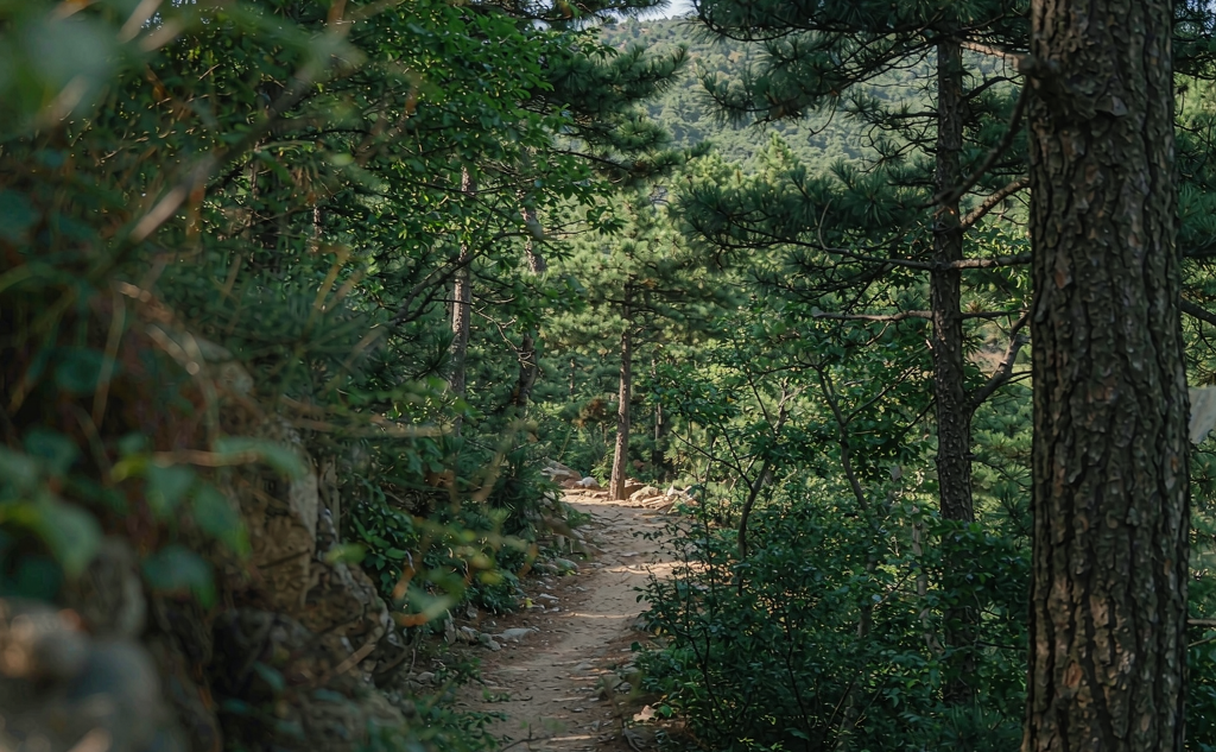
The star attraction, and the one that surprises people, is the Weiyuan Wei River source scenic area (渭河源). The Wei River is the river that, for centuries, made the Guanzhong heartland fertile and fed the old capitals around Xi’an. Standing at its actual spring — a cold, clear outflow in a forested gorge in the southern mountains — is a quietly moving experience for anyone who has traveled the river’s long course downstream.
The scenic area is a developed park with boardwalks, a modest entrance fee (around ¥60–¥80), and a series of waterfalls and prayer-flag-draped viewpoints climbing into the pine forest. It’s not wilderness, but it’s cool, green, and a world away from the brown valleys nearer the city. We’ve sent travelers here in July who described it as the most refreshing half-day of their Gansu trip. Allow 3–4 hours including the shuttle bus from the gate to the trailhead.
Hiking Guiqing Mountain
For something more active, the Guiqing Mountain Dingxi hike (贵清山) is the region’s best day walk. Guiqing Mountain sits in Zhangxian County, about two hours southwest of the city by road, and it’s a dramatic cluster of sandstone peaks, cliff-hanging temples, and a famous swaying suspension bridge (the 千丈潭吊桥) over a narrow gorge. The hike is moderate — a few hours of stone steps and ridge walking — and the views across the layered ridges are superb in clear weather.
Entry is around ¥50–¥70. Get there early; the site is popular with domestic tour groups on weekends and the bridge gets congested by midday. We recommend hiring a car for the day from Dingxi city (¥300–¥400 round trip) since public transport to Zhangxian is slow and infrequent. This is genuinely China off the beaten path guide territory — you’ll likely be the only foreign face on the mountain.
Food: potatoes done right
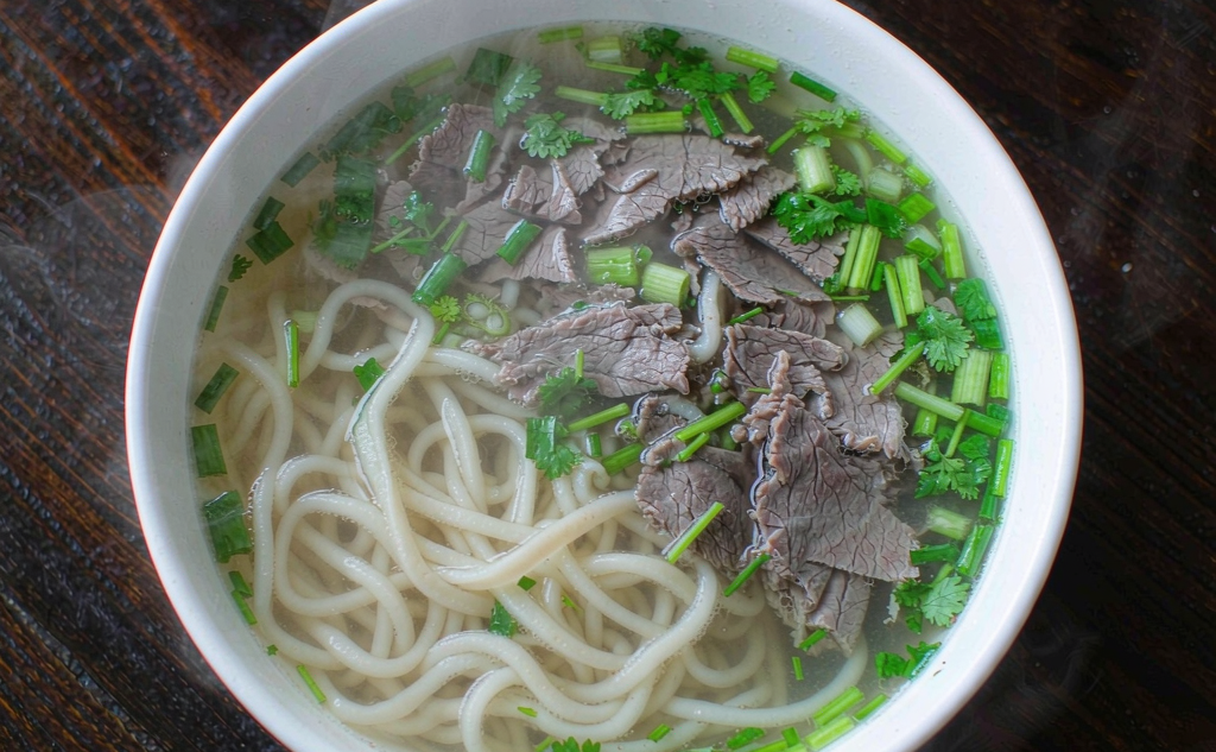
You cannot write a Dingxi travel guide without devoting real space to eating, because the local cuisine is built on that famous potato. The signature dish is 定西宽粉 (Dingxi wide starch noodles) — hand-pulled, translucent noodles made from local potato starch, served in lamb or beef broth and with a serious hit of local chili oil. There’s also 洋芋擦擦 (grated potato fried with cumin and scallion) and 烤土豆 (whole roasted potatoes split and stuffed with minced meat). A full potato feast for two rarely tops ¥80.
Beyond the spud, Dingxi sits on the edge of Hui Muslim Gansu, so halal lamb skewers (羊肉串) and hand-pulled 牛肉面 are everywhere. The city’s night market, near the main pedestrian street, is where you want to be after dark. For a wider regional context, our Linxia travel guide covers the Muslim food culture just to the south that influences Dingxi’s kitchens.
When to go
The best time to visit Dingxi is late spring (May–June) and early autumn (September–October). Summer is warm and green but can be sticky and stormy; winter is bitterly cold and the mountain sites partially close. We particularly like late September, when the loess terraces turn gold for the harvest and the light is flat and photographic. Avoid the depths of winter if you plan the Guiqing hike — ice on the stone steps makes it risky.
For the river’s broader geography, the Wei River page on Wikipedia lays out its 800-km course from these very mountains to the Yellow River, which adds a satisfying frame to a visit to the source.
A market morning
One simple pleasure we recommend: a morning at Dingxi’s main produce market, where the potato pride is on full display — sacks of the local spud in half a dozen shapes, plus dried noodles, strings of chili, and the chewy 粉条 (cellophane noodles) made from the same starch. It’s the best place to understand why the city wears its nickname so seriously, and the vendors are cheerful about letting you taste a cube of the raw, sweet flesh. Come hungry and leave with a bag of the dried noodles for the road; they cook in minutes and taste of the loess they grew from.
Where to stay and suggested plan
Dingxi city has a workmanlike range of mid hotels — clean business options from ¥180–¥350 a night, mostly around the train station and the government district. Don’t expect luxury; expect value and a hot shower. Base yourself in the city and make Weiyuan a half-day trip (40 min by car) and Zhangxian/Guiqing a full-day trip.
A clean two-day plan: Day one, arrive from Lanzhou mid-morning, settle in, then an afternoon at the Wei River source. Day two, early start for Guiqing Mountain, back for the night market. If you have a third day and want to extend, the incredible cliff-carved Buddhas at the Gansu Maijishan Grottoes are about three hours southeast near Tianshui — pair it with our Tianshui travel guide for a natural continuation east.
Practical notes
Carry small cash for county buses and market stalls; rural Gansu still runs partly on paper money. Download offline maps before you leave the city, as signal in the Zhangxian valleys drops out. And if you’re a photographer, the hour after sunrise over the terraces near Weiyuan is worth the early alarm.
Why Dingxi earns a stop
Dingxi will never trend on travel feeds, and that is precisely the point. It shows you the Gansu that isn’t on postcards: working farmland, a sacred river’s humble beginning, and food that tastes of the ground it grew from. For travelers who’ve done the corridor’s greatest hits and want the quieter China underneath, Dingxi is a genuine find.