

Shuangyashan sits in the east of Heilongjiang Province, close to the Russian border and a long way from the China most guidebooks describe. The name means “Twin Ducks Mountain,” and the city grew on coal. Today it is a calm base for forest hikers and travellers who want to see a real northern mining town without the festival crowds of Harbin. This Shuangyashan travel guide explains the trails, the trains, the prices, and what our drivers actually do on a typical run.
Why Come to Shuangyashan
The draw is contrast: dense temperate forest on one side, working pit-head frames on the other. We send people here who have already done Harbin and want the quieter backbone of the province — Qixing Peak for the ridges, the old collieries for the social history, and cheap noodle joints where a bowl costs less than a metro ticket back home. It is not a postcard town, and that is the point. A straight Shuangyashan travel guide would list the forest and stop, but the mining heritage is what makes the place click.
Things to Do in Shuangyashan
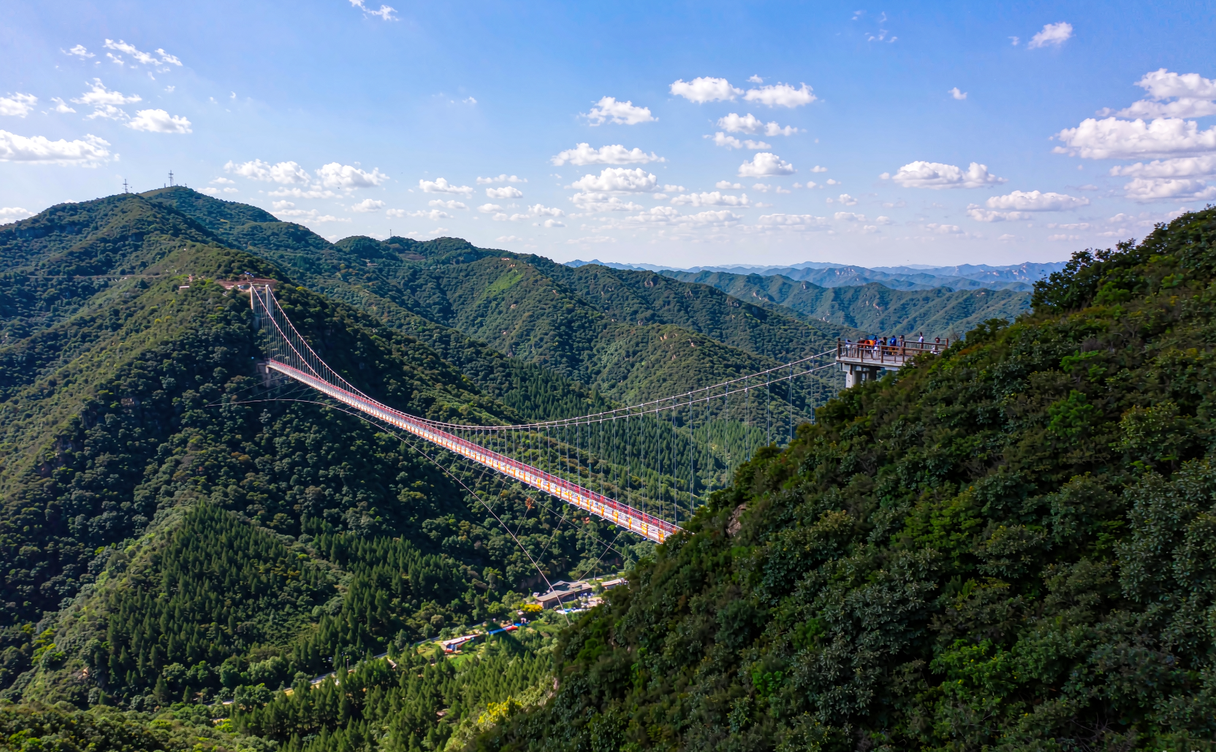
The headline is the Qixing Peak forest (Qixing Feng, “Seven Stars Peak”) inside a national forest park about 50 km from the centre. The granite ridges top out near 850 m and are laced with boardwalk loops and a suspension bridge across a gorge. We usually allocate half a day. Below the peaks, the Yanwo Island (Yanwo Dao) wetland in Baoqing County is a flat reed expanse where red-crowned cranes pass in spring — bring a zoom lens.
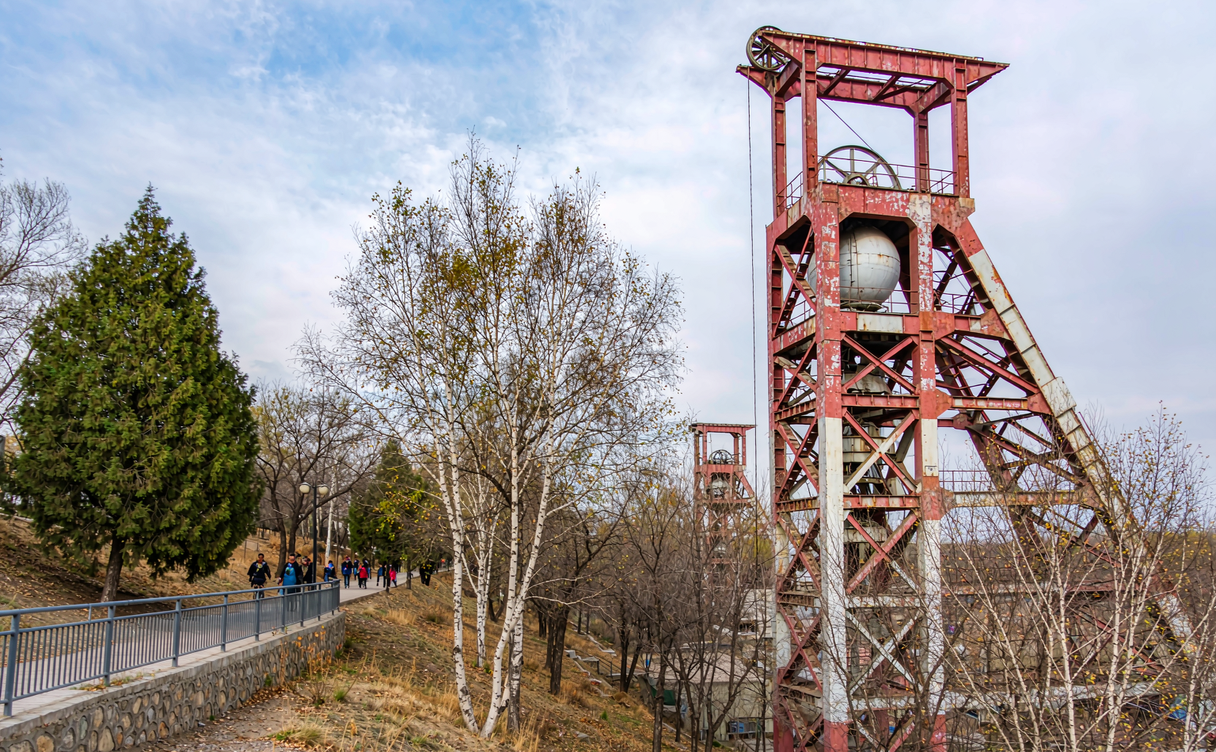
For the town itself, the preserved coal mining headframes are the honest highlight. Shuangyashan’s first shaft opened in the 1950s, and a couple of pit wheels and a small exhibition hall remain as heritage. Admission is modest, around CNY 20, and the on-site old locomotive is a favourite with kids. Evening is for the pedestrian food street near the railway station, where grilled cold noodles and salt-baked sunflower seeds cost pocket change. The city’s planned growth around the mines is outlined in Wikipedia’s Shuangyashan entry, which notes its founding as a planned mining settlement in the 1950s rather than an old walled town.
Shuangyashan Hiking Trails
The Shuangyashan hiking trails split into three grades. The easy ridge boardwalk from the lower car park is 2 km and wheelchair-friendly. The main loop we recommend is the central ridge circuit, about 6 km and 3–4 hours with photo stops; it passes the cable bridge and two open viewpoints. Fit hikers can add the north spur to the true high point, another 4 km return, but the descent is loose scree — wear proper shoes. Our drivers usually drop hikers at the west gate and collect them at the east gate so the walk is one-way and downhill.
Shuangyashan to Harbin Train
Almost everyone transits through Harbin. The Shuangyashan to Harbin train runs are:
- Direct regular train: Harbin to Shuangyashan takes 4–5 hours, CNY 75–CNY 130 in a hard or soft seat. Cheap and simple, but slower and only a few departures a day.
- High-speed via Jiamusi: Harbin West to Jiamusi high-speed is about 2 hours (CNY 120–CNY 160), then a local train or bus to Shuangyashan adds 1–1.5 hours. This is the route we book when clients want a bed on the long leg.
- Private car: a through driver from Harbin runs CNY 1,400–CNY 1,900, useful in winter when you want door-to-door warmth.
Book the direct train early in July and August; the summer forest crowd fills seats. For the wider picture, our China high-speed train guide for foreigners covers app booking and ID rules.
Best Time to Visit Shuangyashan
Autumn (September–October) is the standout: the Qixing Peak forest turns red and gold, the air is crisp, and the mosquitoes are gone. Winter (December–February) is brutally cold, minus 20°C or lower, but the snow on the ridges is spectacular if you dress for it. Summer is green and mild but bug-heavy; spring is muddy as the thaw clears. We steer first-timers to October. Our best time to visit China map lines this up with the rest of the northeast.
Where to Stay and a Sample Itinerary
Stay near the railway station or along the main commercial street; a clean mid-range room runs CNY 150–CNY 280, budget stays from CNY 100. The forest park has no real lodging, so sleep in town and drive out.
A practical two-day plan:
- Day 1: Morning train from Harbin, drop bags, afternoon at the coal heritage frames and the food street.
- Day 2: Early drive to Qixing Peak, hike the central ridge loop (3–4 hours), late lunch, train back. Add Yanwo Island wetland if you have a third morning.
Food, Markets, and Town Life
Shuangyashan eats like the rest of the northeast: hearty, cheap, and built for cold. The pedestrian street near the station is the easy intro — grilled cold noodles (CNY 8–CNY 12), cumin lamb skewers (CNY 3–CNY 5 each), and a bowl of suan cai (pickled cabbage) noodles for CNY 15. Our drivers usually take clients to a workers’ cafeteria a few blocks off the square where retirees eat; a full plate of pork with fermented cabbage and steamed bread lands under CNY 30 and the portions are double the tourist strip.
Getting around is simple. The centre is flat and taxi starts are CNY 6; most rides stay under CNY 18. Buses are CNY 1 but Chinese-only on the signs, so we pre-type destinations for clients. For the forest park, no public bus runs the last 10 km to the west gate, which is why the private car or our arranged driver is the practical choice — count CNY 200–CNY 300 return from the city, waiting time included.
The Yanwo Island wetland deserves more than a footnote. In late April and May the thaw pulls in red-crowned cranes and egrets across the reed beds, and a raised boardwalk lets you watch without disturbing them. We send birders there at first light; by midday the wind picks up and the birds retreat. Bring binoculars and a zoom lens, and wear boots — the approach path stays wet into June.
FAQ
Is Shuangyashan safe for independent travel? Yes. It is a quiet provincial city; the only real hazard is the winter cold and the loose trail on the north spur. Standard travel sense applies.
Do I need a guide for the forest? Not for the marked loops. We add a local guide only for the north spur or birdwatching at Yanwo Island, about CNY 250 a half day.
How does it compare with Mudanjiang? Different feel — Mudanjiang leans on lake and mountain scenery, while Shuangyashan is forest-plus-industry. See our Mudanjiang travel guide if you are building a longer Heilongjiang sweep.
Can I pair this with Harbin’s winter events? Easily. Our Harbin ice festival travel guide times the festival windows so you can ski the forest then see the sculptures.
What should I eat?东北 (northeastern) grilled cold noodles, pork with sauerkraut, and river fish. Most plates are CNY 25–CNY 45.
For more ideas across the country, our best things to do in China list flags the off-beat stops worth the detour.
A Note from the Driver’s Seat
Our local drivers usually leave town by 7 a.m. for Qixing Peak so clients hike in cool air and beat the bus groups. That small timing trick is the difference between a lonely ridge and a shared one — and it is the kind of detail we build into every Shuangyashan run. The Shuangyashan hiking trails and the Qixing Peak forest Shuangyashan are the parts clients remember long after the train home.