

Hebi is a small industrial city in northern Henan that most foreign travellers skip on the way to Luoyang or Xi’an. We keep it on a short list for travellers who like gorges, cliff walks, and old towns without the crowds. A useful Hebi travel guide has to be honest: the city itself is plain, but the Yunmeng Mountain gorges just outside town and the ancient county seat of Xunxian nearby are genuinely good. This is also the fringe of the Shang-era Yin Ruins region, a UNESCO World Heritage area centred in neighbouring Anyang.
Why Hebi earns a stop
Hebi sits in the northern Henan plain, about an hour by train from Zhengzhou. Its appeal is two-fold: green limestone gorges at Yunmeng Mountain, and the well-kept old county town of Xunxian with its temple hill and pagoda. We send travellers who have already done the headline Henan sites and want a calmer, cheaper day. If you are building a first China plan, our China travel guide for first-timers is the better starting point.
Things to do in Hebi
The things to do in Hebi split between the mountain and the old town:
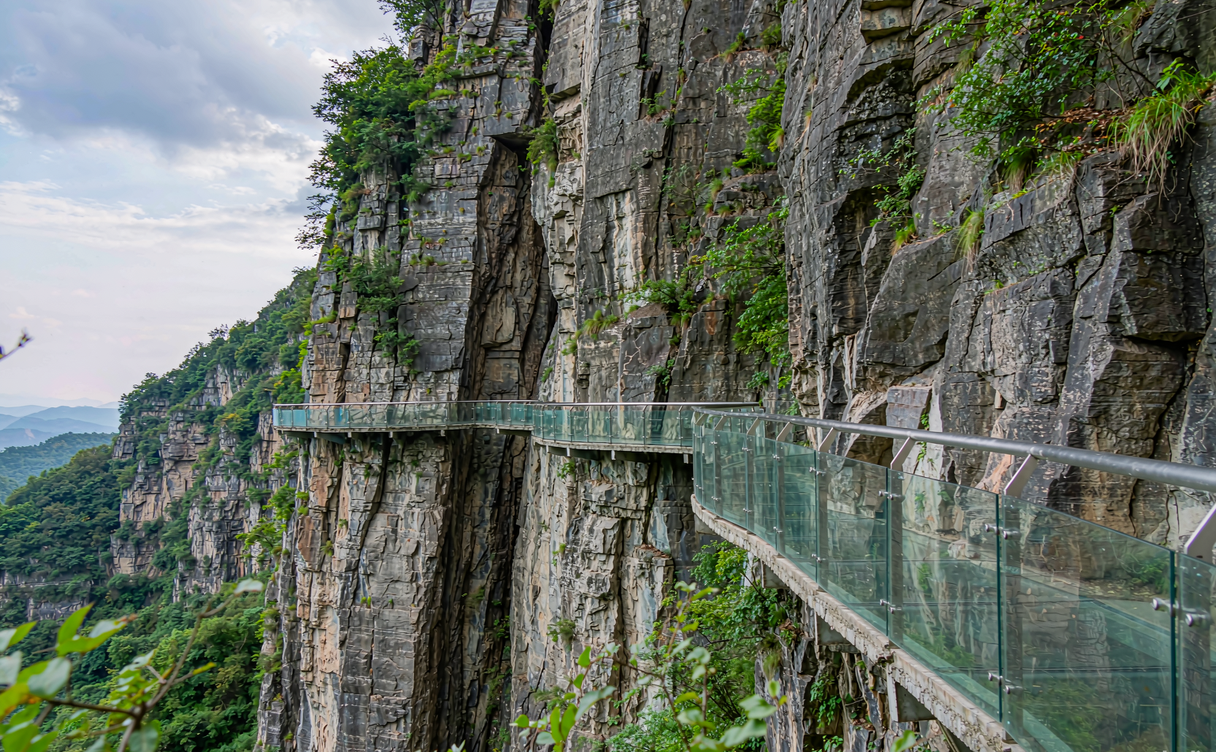
- Yunmeng Mountain (Yunmeng Shan) – limestone gorges, waterfalls, and a cliffside plank walk.
- Xunxian Ancient City – a preserved county seat with the Dabi Mountain temple complex and a Song-era pagoda.
- Chaoge cultural sites – the area around Hebi carries the history of Chaoge, an ancient Shang capital.
- Hebi Museum – small, free, good for the Yin Ruins fringe context.
- Local food streets – sesame snacks, noodles, and clay-figurine markets.
We usually pair Yunmeng Mountain with Xunxian in one long day, or split them across two.
Hebi Yunmeng Mountain hike
The Hebi Yunmeng Mountain hike is the active part of the trip. The scenic area is a limestone gorge with a river at the bottom, waterfalls in wet season, and a developed path system. The headline feature is the Hebi Yunmeng Mountain plank road, a narrow walkway fixed to the cliff face with sections of glass floor over the drop. It is exciting but well railed; not for anyone with severe height fear.
Entry is about ¥60–90 per person, open roughly 08:00–17:30. A full walk of the gorge and plank road takes 2.5–4 hours depending on pace. Wear grippy shoes; the stone path is slick after rain. Our drivers drop travellers at the lower gate and meet them at the upper exit.
Chaoge and the Yin Ruins fringe
The Hebi area sits on the cultural edge of Chaoge, an ancient capital of the late Shang period, and not far from the Yin Ruins of Anyang, where the oracle-bone inscriptions were found. The ruins themselves are in Anyang, a separate city, but Hebi is the convenient northern fringe to use as a base if you are driving the region.
The Yin Ruins are a UNESCO World Heritage Site; the official description and management details are on the UNESCO Yin Xu page. If you want to stand among the actual pits and bronzes, plan a half-day in Anyang on the same loop.
Xunxian Ancient City
Xunxian is the old-town reward. The county seat keeps a Ming-era layout with a hill (Dabi Shan) topped by a temple complex and a tall pagoda you can see across the plain. Entry to the hill temple area is about ¥30–50; the lower old streets are free to wander. Go early, walk the lanes, and climb for the view.
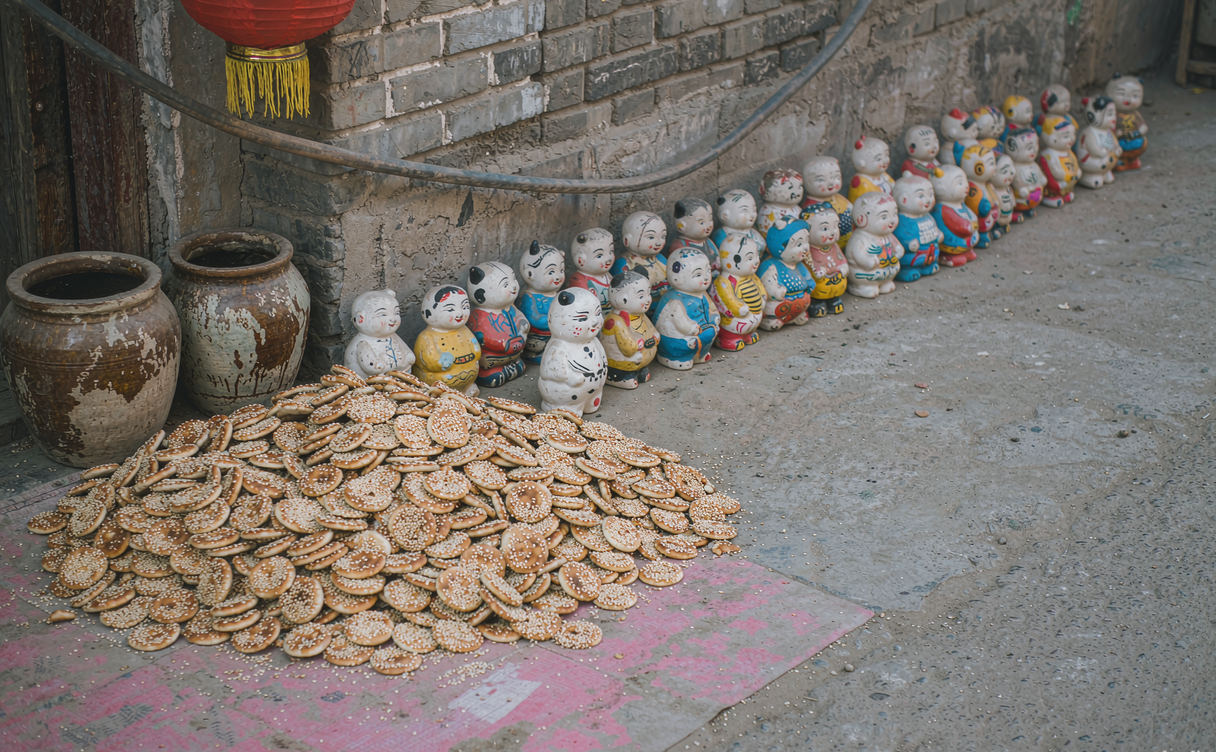
The food market below the hill sells sesame candy, baked snacks, and small clay figurines — a local craft. It is a calm, photogenic stop and one of the reasons we rate Hebi above its plain skyline.
Hebi to Zhengzhou train
Most travellers reach Hebi from Zhengzhou. The Hebi to Zhengzhou train takes about 40–70 minutes on a high-speed (G/D) service, with second-class seats around ¥45–70. There are also slower trains at lower cost but longer time. From Zhengzhou you connect anywhere in China, including the classic Henan loop.
If Chinese rail is new to you, our high-speed train guide for foreigners explains booking and the station routine. For the wider region, our Luoyang travel guide covers the Longmen Grottoes and our Kaifeng travel guide covers the Song-era capital just east.
Best time to visit Hebi
The best time to visit Hebi is spring (April–May) and autumn (September–October). The gorge is green and the plank road is safe and dry. Summer brings heat above 35°C and sudden storms that slick the path; winter is cold and the waterfalls thin out. For season planning across the country, our best time to visit China guide lays out the regional pattern.
What to eat around Hebi
Hebi food is northern Henan staples with a wet-market feel. The signature is a sesame candy (maatang) sold by the slab at the Xunxian market, plus baked sesame cakes, hand-pulled noodles in mutton broth, and small clay-pot stews. A market snack plate runs ¥10–25; a sit-down noodle meal is ¥25–45. The clay figurines sold beside the food stalls are a local craft, not just souvenirs, and make a light, packable gift.
We send travellers to eat in Xunxian rather than the Hebi city food streets if they have the time, because the old town’s courtyard kitchens are calmer and the portions are generous. Carry small cash; the market stalls rarely take cards.
Where to stay
Stay in Hebi city centre near the train link. Mid-range hotels run ¥180–320 per night; a few better ones reach ¥400. Rooms are clean and functional, not luxury. If you want the old-town morning, Xunxian has basic guesthouses at ¥160–260, but we usually return to Hebi city the same day.
Sample two-day plan
Day 1
- Morning: train from Zhengzhou to Hebi, check in.
- Afternoon: Yunmeng Mountain gorge and plank road.
- Evening: city food street.
Day 2
- 08:30: Xunxian Ancient City, hill temple and pagoda.
- 12:00: lunch in the old town.
- 14:00: Hebi Museum, then train to Anyang for the Yin Ruins or onward.
FAQ
Is Hebi worth it if I only have a week in Henan?
If your week is a first Henan visit, prioritise Luoyang and Kaifeng. Hebi fits a second trip or a traveller who wants gorges and quiet old towns. Our best things to do in China list ranks the headline stops.
Is the glass plank road safe?
It is railed and regularly maintained, but it is high and not for severe height fear. We warn travellers with vertigo before booking.
How do I add the Yin Ruins?
Stay in Hebi and take a car or train to Anyang (about 40–60 minutes). The ruins are a half-day visit; we can link them into the same loop.
What is the best season for the gorge?
April–May and September–October. Avoid summer storms and winter ice on the path.
Can I do Hebi by public transport?
The train to Hebi is easy. Between Yunmeng Mountain and Xunxian, a hired driver saves hours; public buses are slow and poorly signed. We pre-book drivers for most foreign travellers.