

The Yanmenguan pass is the Great Wall experience most foreign visitors never hear about, and exactly the one many end up loving most. Tucked into a narrow saddle of the Yanmen ridge in northern Shanxi, it was for two thousand years the single most important gateway between the Chinese heartland and the steppe to the north — the “first pass under heaven” of the inner frontier, where armies, merchants and refugees all funneled through one steep defile. We’ve sent travellers here as a half-day from Datong, and the difference from the restored, crowded wall sections near Beijing is immediate: this is a working mountain pass, wind-scoured and empty, with the Wall running wild along the ridges above. This Yanmenguan pass guide covers the history, the route in, tickets and the hiking you can do.
Why Visit Yanmenguan
Yanmenguan (雁门关, “Wild Goose Gate”) sits in Daixian, Xinzhou prefecture, about 150 km south of Datong and 150 km north of Taiyuan, at roughly 1,800 m where the Yanmen Mountains pinch the only gentle break in a long wall of peaks. The name comes from the wild geese that historically flew through the pass on their migrations. For centuries it was the linchpin of northern defence — the place the Wall was built to guard — and the current gate is a Ming-dynasty reconstruction (14th–16th century) sitting on much older foundations.
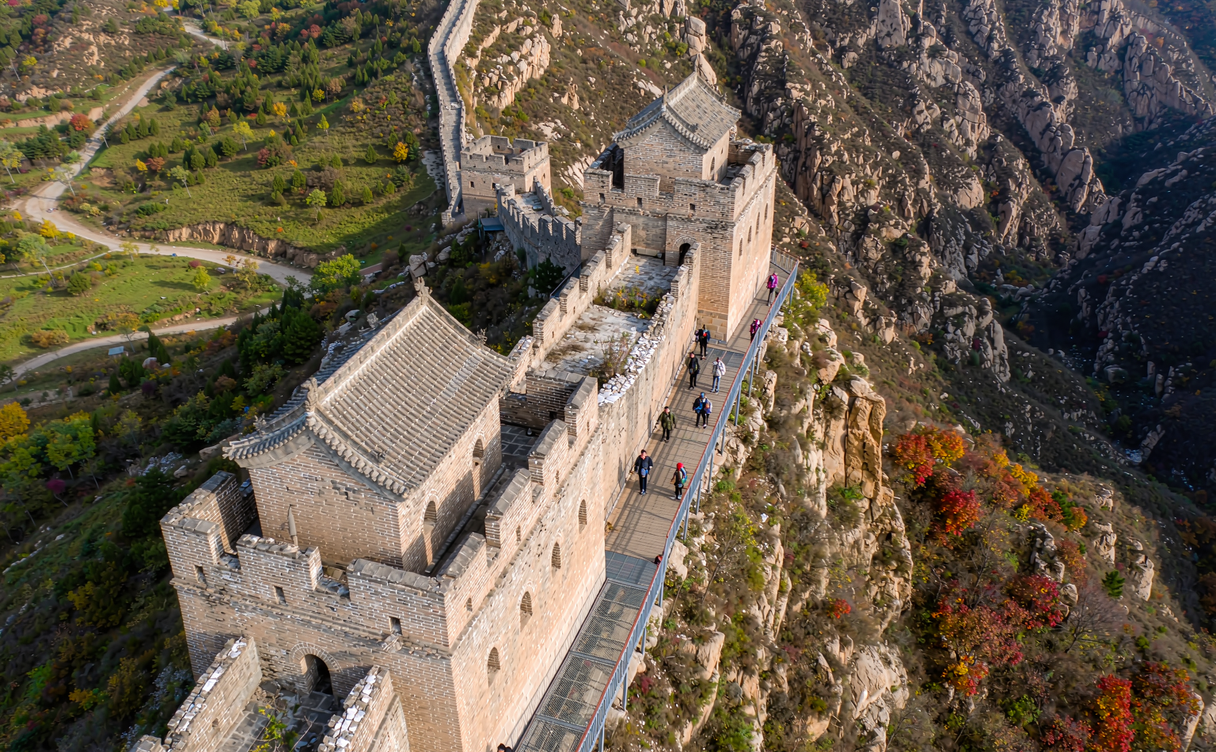
What you get is three things at once: a dramatic restored gate tower straddling the old caravan road, a real sense of frontier geography, and — if you walk up — unrestored Great Wall lines crawling over the ridgelines. For context on the wider structure, our Great Wall of China guide explains how passes like this fit the whole defensive system.
Yanmenguan History for Travellers
The pass’s significance is military. From the Warring States period through the Han, Tang, Song and Ming, whoever held Yanmenguan controlled the movement of people and armies between the Central Plain and the northern grasslands. It features in countless Chinese histories and legends — a frontier of the Three Kingdoms era, a flashpoint in the wars between the Han Chinese dynasties and the steppe confederations, and a crossing point on the trade routes that ran east–west along the Wall.
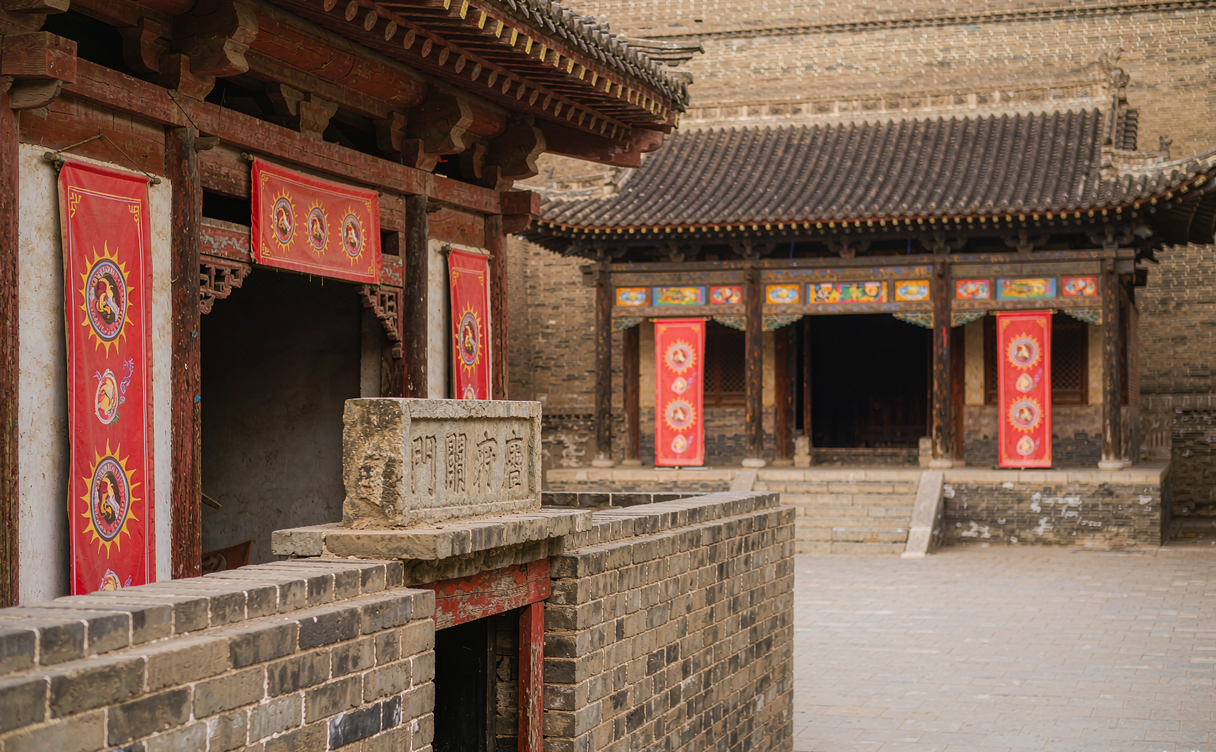
On the ground today, the Yanmenguan history for travellers is readable in the layout: the double gate towers, the long sloping paved road the caravans climbed, the beacon-tower sites on the heights, and the stelae recording repairs. It is not a museum piece; it is a pass you drive through, which is precisely why it feels authentic. The nearby county seat, Daixian, also holds the tall Bianjinglou drum tower and an old city wall worth an hour if you are interested in Ming military towns.
Best Time to Visit Yanmenguan
The best time to visit Yanmenguan is the Shanxi shoulder seasons.
- April to June. Daytime 12–25°C, dry, green ridges, good light on the gate. Our preferred window.
- September to October. Daytime 10–22°C, clear, golden grass on the slopes; avoid the 1–7 October holiday when domestic crowds spike.
- July to August. Warm (20–30°C) but the wettest, with afternoon storms; the pass is exposed, so time hikes for the morning.
- November to March. Cold, −5 to 8°C, with snow on the ridges and biting wind. The gate stays open but the higher wall walks are unpleasant; dress for it.
How to Get to Yanmenguan from Datong
The direct answer to how to get to Yanmenguan from Datong is a southward road trip of about two and a half to three hours.
| From | Mode | Duration | Approx. cost |
|—|—|—|—|
| Datong → Yanmenguan (charter) | Private car | 2.5–3 hr | ¥400–700 (US$56–98) |
| Datong → Daixian (bus) → pass | Bus + taxi | 2 hr + 40 min | ¥50–90 (US$7–13) |
| Taiyuan → Yanmenguan (charter) | Private car | 2–2.5 hr | ¥350–600 (US$49–85) |
| Xinzhou → Yanmenguan | Bus / taxi | 1–1.5 hr | ¥40–80 (US$6–11) |
There is no station at the pass itself; the nearest rail hubs are Datong to the north and Xinzhou or Taiyuan to the south. Most of our clients come by private car from Datong, combining the pass with the Yungang caves and the Hanging Temple on a two-day loop, then continue south. If you are relying on public transport, take a Datong bus to Daixian and a taxi the final 20 km — but check the last return bus, because once you miss it you are stranded in a mountain county.
Yanmen Pass Tickets and Opening Hours
Plan your Yanmen Pass tickets and opening hours before you set off, as it is a gated scenic area.
- Entry ticket: about ¥60–90 (US$8–13), covering the gate complex and the lower caravan road.
- Shuttle: about ¥20–30 (US$3–4) for the internal road up to the gate from the outer car park, useful because the approach is long.
- Opening hours: roughly 08:00–17:30 (April–October), shortened in winter. Last entry about an hour before close.
- Combined tickets: sometimes sold with nearby Daixian sights; ask at the booth.
Buy at the gate with your passport. The site is large and exposed, so allow 2.5–4 hours, and more if you hike the ridges.
The Yanmenguan Great Wall Hiking Route
The quiet reward here is walking. From the gate, a path climbs southwest along the ridge where the Wall’s stone and rammed-earth lines survive in stretches — some restored, much of it fallen into grassy mounds you trace by the beacon sites. This Yanmenguan Great Wall hiking route is moderate: 1–2 hours out to a couple of beacon towers and back, with big views over the pass and the plains beyond. Wear proper shoes; the ridge is loose rock and the wind is constant.
If you want a more famous, photo-ready wall walk afterward, our Jinshanling Great Wall guide covers the restored-but-wild section near Beijing that makes a natural contrast to Yanmenguan’s frontier rawness.
What to Eat
Northern Shanxi food — wheat, vinegar, noodles:
- Daoxiao mian (刀削面). Shanxi’s knife-cut noodles, ¥12–20 a bowl; the regional staple.
- Yanmenguan stew. Local variations of lamb and potato hotpot, ¥40–70.
- Vinegar dishes. Shanxi’s famous mature vinegar dresses everything; try the vinegar-braised dishes.
- Baked wheat cakes and stuffed buns. Cheap road food at the pass gate.
- Wild herbs. Foraged mountain greens in spring and autumn.
Daixian town has the better restaurants; at the pass itself, options are limited to snack stalls and one or two canteens.
Where to Stay
- Daixian (代县) — budget to mid ¥150–350 (US$21–49). The practical base, 20–30 min from the pass, with a real old town.
- Xinzhou — mid ¥200–450 (US$28–63). Better hotels and a rail link, about an hour south.
- Datong — ¥250–600 (US$35–85). Best rooms and the bigger sights; stay here if Yanmenguan is a day trip. Our Datong travel guide covers the city’s caves, pagoda and walls.
All register foreign passports. In winter, confirm heating.
Sample Itinerary: Day Trip from Datong
- 08:00 Drive south from Datong.
- 10:30 Arrive Yanmenguan, shuttle to the gate, walk the caravan road and towers (2 hr).
- 13:00 Ridge Wall hike to the beacon towers (1.5 hr).
- 15:00 Drive to Daixian, see the drum tower.
- 17:30 Return to Datong or overnight in Xinzhou.
Practical Tips
- Wind and sun. The pass is exposed at 1,800 m; bring a wind layer and sunscreen even in spring.
- Pair it right. Yanmenguan works best with Datong’s sights or with the sacred peaks to the east — our Wutai Mountain guide covers the Buddhist mountain an easy drive southeast.
- Start early. Last shuttles and the ridge light both argue for a morning arrival.
- Carry cash. The gate and stalls may not take cards reliably.
- Background. The pass’s place in the Wall system is described at Wikipedia’s Yanmen Pass page, useful before you stand in the saddle.
FAQ
Is Yanmenguan worth it if I’m also seeing the Great Wall near Beijing?
Yes. Jinshanling and Badaling are spectacular but busy and curated; Yanmenguan shows the Wall as a frontier pass, quieter and more atmospheric.
How long do I need?
Half a day from Datong covers the gate and a short ridge walk. A full day lets you add Daixian town.
Can I hike the Wall here?
Moderately, on the ridge above the gate. It is uneven and unrestored — good shoes and a clear day required.
Is it crowded?
Far less than Beijing sections. Weekends see some domestic visitors; weekdays are quiet.
When is the pass closed?
Rarely. It stays open year-round, but winter wind and ice make the ridge walk unpleasant — spring and autumn are best.
Written by Karl, China Travel Places — updated August 2026.