

If your image of China is calligraphy, ink, and misty mountains, Xuancheng (宣城) in southern Anhui is the place that links them together. This quiet prefecture-level city is the birthplace of xuan paper, the prized paper used for Chinese brush painting and calligraphy for over a thousand years. We’ve routed art-loving travelers here and watched them fall for its slow, scholarly atmosphere. This Xuancheng travel guide covers how to reach it and what makes it special.
Xuancheng sits between the Yangtze and the Huangshan range, about two hours from Hangzhou. It’s an ideal stop on a route toward Huangshan (Yellow Mountain) guide — but it deserves attention on its own, especially for visitors who want craft and culture without summit crowds.
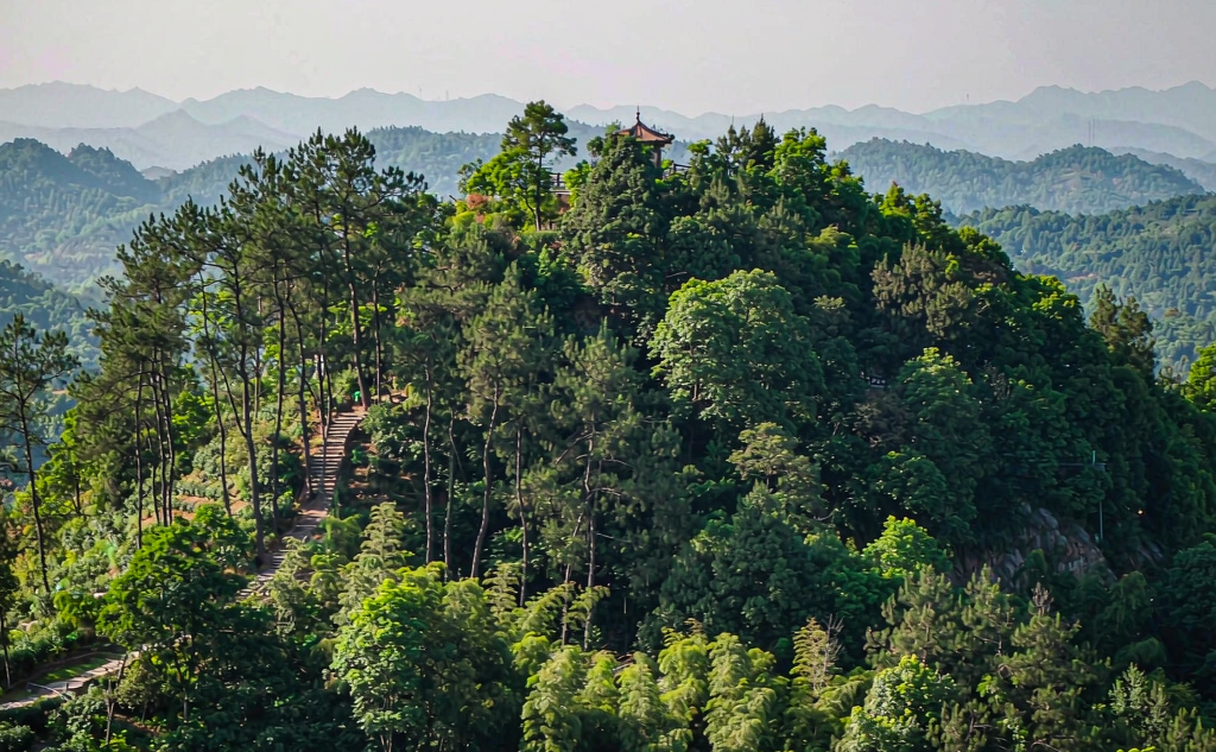
Best time to visit Xuancheng
The best time to visit Xuancheng is spring (April–May) and autumn (September–November), when the hills are green and the light is soft for photography. Spring also coincides with bamboo shoots and tea picking, so workshops and villages feel alive. Summers are hot and rainy, with afternoon storms that can close mountain paths; winters are cold but atmospheric, especially with light snow on Jingting Mountain. Avoid the National Day week in early October if you want empty trails and open workshops.
How to get to Xuancheng
High-speed rail makes this easy. From Hangzhou East, trains reach Xuancheng in about 1.5–2 hours (¥75–120); from Nanjing, around 1–1.5 hours (¥60–90). Our China high-speed train guide for foreigners explains booking without a Chinese ID. From Xuancheng station, buses and Didi reach the city center in 20–30 minutes for ¥15–30; Jing County (the paper-making heartland) is another 60–80 minutes southwest by bus or car (¥80–140).
For onward travel, Xuancheng to Huangshan transport is straightforward: frequent trains or buses reach Huangshan Scenic Area in roughly 1.5–2.5 hours. Many travelers use Xuancheng as a calmer, cheaper base before the mountain crowds, then move on refreshed.
Things to do in Xuancheng
Xuan Paper Making in Jing County (泾县) — The must-do. Jing County, under Xuancheng, has workshops where you can watch the full process: soaking blue sandalwood bark and rice straw, boiling and bleaching, beating the pulp, and lifting each sheet by hand on a bamboo screen. A 2–3 hour workshop where you make your own sheet costs ¥120–220, including materials you can take home. The China Xuan Paper Cultural Park (中国宣纸文化园) has a museum and live demos; entry is about ¥60. Buy a small pack of authentic paper (¥80–300 depending on grade) as a souvenir that weighs nothing and means everything.
Jingting Mountain (敬亭山) — The “poet’s mountain,” celebrated by the Tang poet Li Bai. A network of stone paths and pavilions climbs through pine to viewpoints over the city and rice fields. Entry is around ¥50. A Jingting Mountain Xuancheng hike takes 2–3 hours at a relaxed pace and is manageable for most visitors, with tea stalls near the top. Go at opening time for mist and few people.
Taohuatan (桃花潭) — A scenic lake-and-village area famous from a Li Bai poem, with old bridges and clear water. Entry about ¥60; combine with a village lunch of river fish and pickles (¥40–70 per person).
Zhema Village and Huizhou architecture — Scattered old villages show the distinctive white-walled, horse-head-roofed Huizhou style also seen at Hongcun ancient village. Several are free to wander; a few charge ¥30–50.
For those who like routes less traveled, our China off-the-beaten-path guide highlights Xuancheng as a top pick for craft-focused travel.
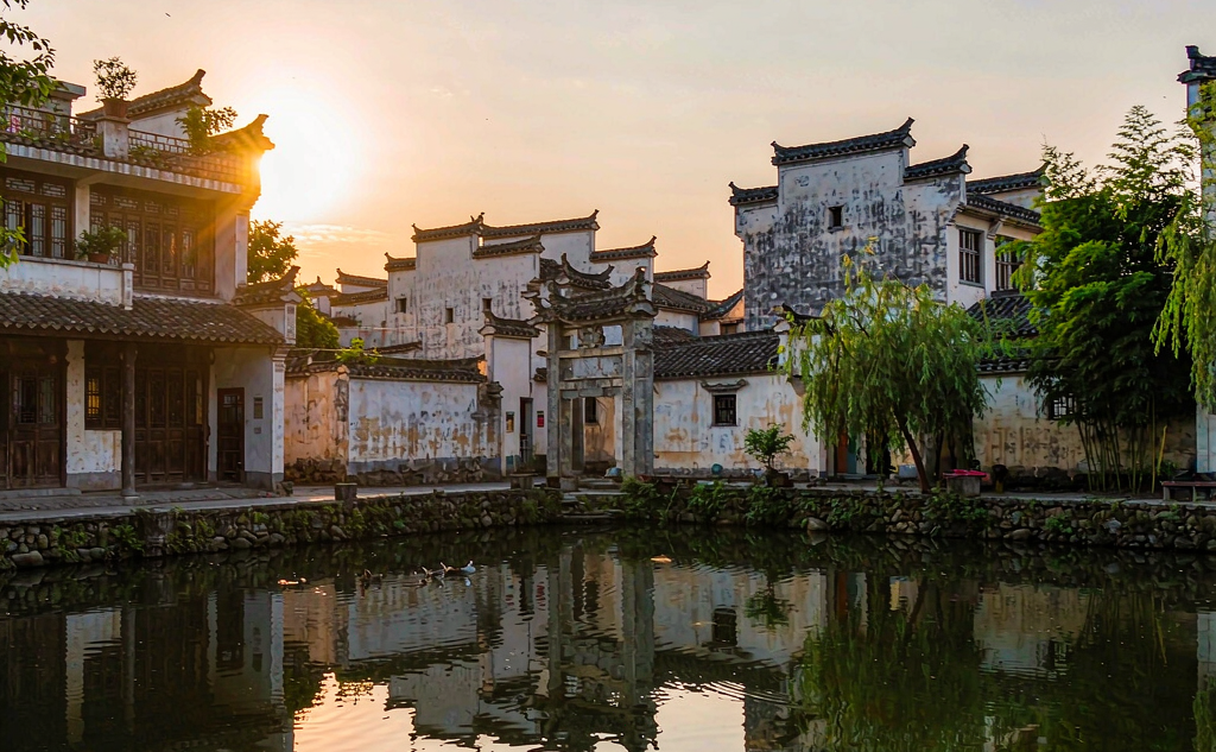
What to eat and where to stay
Xuancheng food is Huizhou-influenced: salty, savory, and preserved. Try stinky mandarin fish (臭鳜鱼), dried bamboo shoots, and local tea like Jingting green. A hearty local meal runs ¥40–70 per person. Stay in the city center for ¥200–380 per night; for a rural feel, guesthouses near Jing County or Taohuatan run ¥250–500 and often include breakfast and a view of the hills.
A good two-day plan: day one at the paper park and Jing County villages; day two on Jingting Mountain and Taohuatan, then an evening train toward Huangshan. This keeps travel light and lets the craft sink in.
As part of our best things to do in China research, Xuancheng ranks high for culture-focused, low-crowd travel and pairs naturally with the mountain classics.
The craft itself is recognized by UNESCO as intangible heritage; see the broader context here: Xuan paper.
Before you go: payment and connectivity
Prepare Alipay and WeChat Pay before arrival, because Jing County workshops and village guesthouses seldom take foreign cards. A data eSIM is useful on the rural roads to Taohuatan and the paper park. Keep your hotel’s Chinese name on your phone for drivers, and book trains via 12306 or Trip.com in advance — Xuancheng is a smaller station and same-day peak seats can sell out. Learn a few characters (宣纸, 敬亭山) to spot signs, and carry small cash for village lunches. With these basics sorted, Xuancheng feels welcoming rather than remote.
Who Xuancheng is for
Xuancheng is for travelers drawn to craft, calligraphy, and quiet mountains rather than big sights. It’s ideal for art lovers, slow travelers, and anyone building a Huangshan-area route who wants culture before the climb. It’s less urgent if you have only a week and haven’t yet seen the Great Wall or the Terracotta Army — treat it as a second-trip gem. We like it as a two-night stay that breaks up the Xi’an–Hangzhou corridor with something genuinely local and unhurried. Two nights let you do the paper park one day and Jingting Mountain the next without rushing, and a third morning at Taohuatan is a calm bonus if your train leaves in the afternoon.
Getting around and a realistic budget
Xuancheng’s sights are spread out, so a private car (¥400–600/day) or the Jing County shuttle bus is the practical choice. Within the city, Didi is ¥10–30; to Jing County budget ¥80–140 by car. Plan ¥400–650 per person per day: hotel ¥200–380, food ¥70–130, workshop and tickets ¥150–280, transport ¥60–120. A hand-made sheet of xuan paper is the lightest, most meaningful souvenir you can carry home.
Why Xuancheng rewards slow travel
The joy here is in the making, not the monument. Spend an hour at the vat with a paper master and you’ll understand why a single sheet can take days to produce. Pair that with a quiet morning on Jingting Mountain and a village lunch, and Xuancheng delivers the “real China” feeling that busier cities dilute. It’s also a natural, lower-stress warm-up before the physical climb at Huangshan.
The story behind the paper
Xuan paper’s reputation rests on a simple material truth: it’s made from the bark of blue sandalwood (qing tan) and rice straw, processed so finely that a sheet can last over a thousand years without yellowing. Imperial painters used it; today it’s still the paper of choice for anyone serious about brushwork. That history is why a workshop here feels like entering a living tradition rather than a demo for tourists. When you lift your own sheet from the vat, you’re repeating a motion unchanged for centuries — and that’s the kind of memory that outlasts any photo. We send travelers here precisely because the craft is the place, not a sideshow to it. We’ve watched visitors spend a full hour just by the vat and leave calling it the unexpected highlight of their whole Anhui trip.