

Hengshui is the kind of Chinese city that rarely appears on a foreigner’s list, and we think that is a shame. It sits in the plain of southern Hebei, a flat, quiet place where the main attraction is water: a large freshwater lake ringed by reeds and busy with birds. A Hengshui travel guide should say this plainly. You do not come here for grand temples or famous ruins. You come for slow living, open water, and a look at the ordinary rhythm of a small Hebei city that most visitors pass on the map without stopping. For travelers burned out by mega crowds, it is a gentle reset.
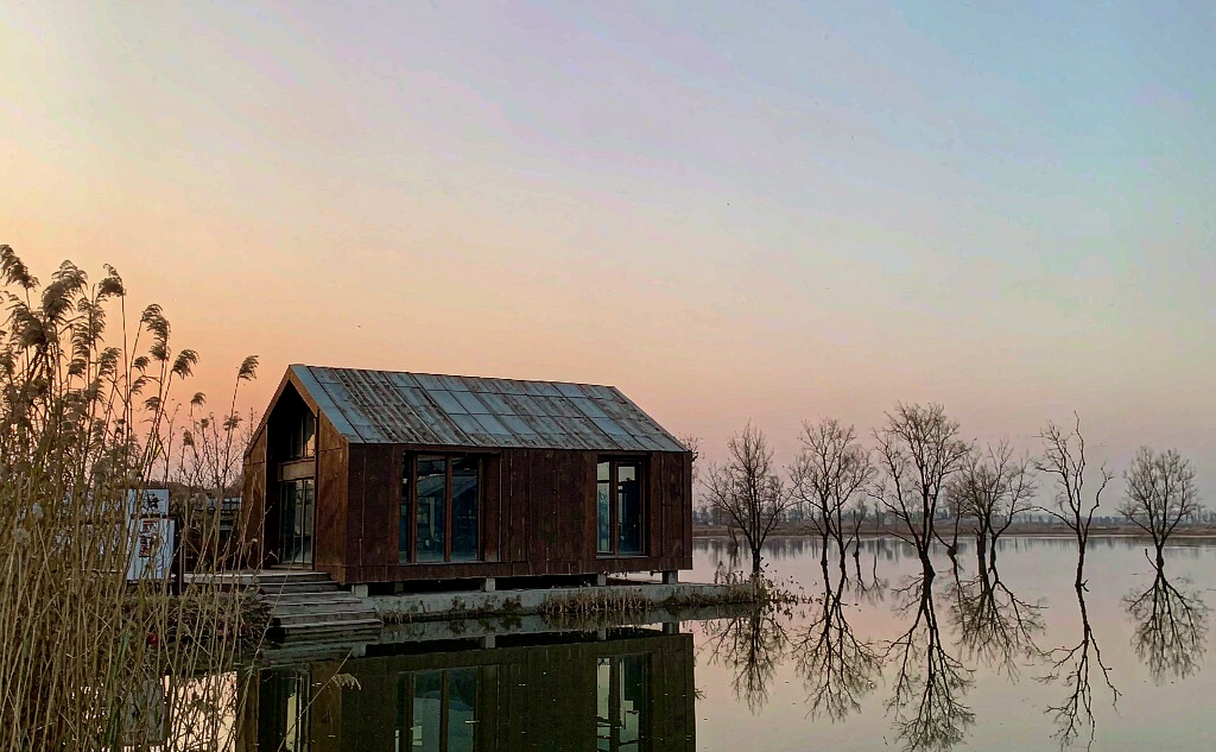
The centerpiece is the Hengshui Lake nature reserve, a protected freshwater lake a short drive from the city center. It is one of the more important stopover points for birds on the East Asian Australasian flyway, and in season the reeds rustle with egrets, geese, and rarer cranes. We have stood on the lakeside path at dawn and counted dozens of species before breakfast. The lake is also a cycling destination: a flat loop road runs along the shore, and renting a bike to roll past reed beds and fishing villages is one of the simplest pleasures here. Bring binoculars, because the bird hides are basic and the signage is mostly Chinese.
Hengshui’s other identity is rail and industry. The city sits on the Beijing Kowloon railway, the north south line that links the capital to the south, and it is not far from the Beijing Guangzhou corridor either, which means trains in and out are frequent. That rail position is why the city grew, and it still defines how you arrive. The local economy has long been tied to liquor and light manufacturing, and the famous Hengshui Laobaigan is a strong, fragrant baijiu made here for centuries. If you are curious about Chinese spirits, a small tasting at a shop is a memorable, if potent, education.
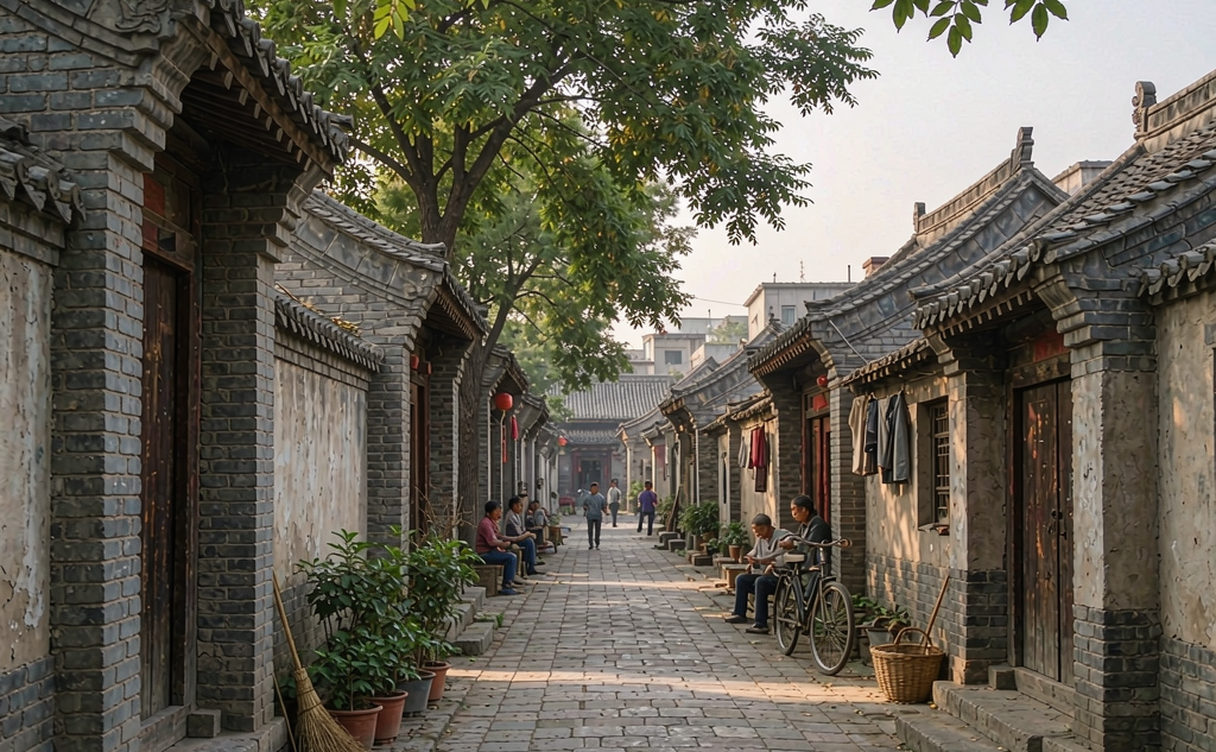
Things to do in Hengshui beyond the lake are modest but real. The old town has tree lined streets and low courtyards where you can wander without a plan, and the local museum holds a small collection of the region’s crafts. The one craft worth seeking out is the inner painted snuff bottle, a Hengshui specialty in which an artist paints tiny scenes on the inside of a clear bottle using a bent brush through the neck. Watching it done is astonishing, and the bottles make uncommon souvenirs. The riverside and lakefront promenades fill with strollers and dancers in the early evening, which is the best time to feel the city’s calm pulse.
The lake loop itself deserves a slower treatment than most visitors give it. We rent basic bikes near the north shore and ride the flat road for an hour or two, stopping whenever a gap in the reeds opens onto open water. On a calm morning the surface mirrors the sky so completely that the boundary disappears, and the only sounds are reeds in the wind and the occasional flap of a startled flock. Bring water and a hat, because shade is thin out there, and do not expect a cafe at the far end; this is a ride for the view, not the amenities. If cycling is not your style, the same loop works as a long walk, though you will want the cooler parts of the day.
A short hop from the lake, the wetland’s quieter corners reward patience. We like taking a small boat out when the wind is low, because the reed channels open into wide water where migratory flocks lift off in sheets. The experience is nothing like a zoo; it is wild, muddy, and wonderful, and it asks only that you move slowly and keep your voice down. If you come in winter, parts of the lake freeze and the birdlife changes, but the vast stillness has its own appeal.
Getting to Hengshui is simplest through Shijiazhuang. If you are deciding how to get to Hengshui, the rail through the provincial capital is the practical answer, with frequent short connections onward. Our Shijiazhuang travel guide covers the Hebei provincial capital roughly an hour west by high speed rail, and from there connections to Hengshui are frequent and short. There is also a regular rail station and road links that make a private car or bus easy from nearby cities. Driving from Shijiazhuang takes about an hour and a half, and the flat highway is unremarkable but fast. For most foreign visitors the cleanest route is to base in a bigger city and make Hengshui a day or overnight trip.
The best time to visit Hengshui is spring and autumn. April and May bring mild weather and active migration, while September through November is the most comfortable window, with clear skies and fewer mosquitoes. Summer is hot and humid, and the lake gets buggy, though the reed green is at its peak. Winter is cold and quiet, good for a stark landscape but poor for comfortable cycling. We suggest avoiding the National Day holiday in early October if you can, because Chinese travelers discover this lake too, and the shore gets busy.
A Hengshui itinerary of one or two days is about right. Day one: travel in from Shijiazhuang, check in, and spend late afternoon cycling a stretch of the lake loop as the light softens. Day two: rise early for the bird hide at dawn, visit the old town and a snuff bottle workshop midday, and head out by train in the afternoon. If you stay a second night, use the evening for a lakeside dinner and a slow walk. You will not run out of must sees, because the point is the pace, not the checklist.
Where to stay in Hengshui follows the usual Chinese pattern: a cluster of mid range business hotels near the train stations and the city center, few with English spoken at the desk. Book through a Chinese app or your agency before you arrive, keep the confirmation on your phone, and have a translation app ready for check in. We suggest staying central so the lake is a short ride away and food is walkable. Rooms are inexpensive by international standards and generally clean, though amenities like foreign language TV are unlikely.
What to eat in Hengshui is hearty northern fare. The region leans on wheat, so expect good noodles, stuffed buns, and hefty pancakes, plus the shared Hebei taste for braised pork and sour vegetable dishes. Near the lake, fresh fish and shrimp from the water appear on simple menus, often lightly fried or made into a homely soup. Snacks at the night market include roasted seeds, sweet cakes, and skewers. And of course there is the Laobaigan liquor, which locals are proud of; try a small glass rather than a full pour unless you are accustomed to baijiu. Pair the food with the slow evening and the trip feels complete.
The night market is where Hengshui’s ordinary charm shows best. After dark the side streets near the center fill with small stalls selling roasted seeds, sugar cakes, and skewers sizzling over coals, and the pace is unhurried in a way that bigger cities have lost. We like sitting on a low stool with a bottle of the local liquor and watching families do their evening rounds. Nobody expects you to speak Chinese, and a smile and a point at whatever smells good will get you a plate. It is the cheapest, most genuine evening entertainment the city offers, and a fine way to end a day by the lake.
Practical tips matter more here than in big cities. English signage is sparse, so download offline maps and a translation app, and pin your hotel and the lake entrance before you lose signal. Ride hailing works but drivers rarely speak English, so show the map pin. Tickets for the lake area are usually cheap and sometimes sold on site or through a local app, so carry your passport and some cash. For rail bookings and station routine, our China high speed train guide for foreigners is the reference we trust.
We think Hengshui suits travelers who already have a few Chinese cities behind them and want something uncurated. The Hengshui we know is a place of lake light, bicycle wheels, and the smell of liquor distilleries, not a list of sights. It will not storm your memory like the Great Wall, but it will let you breathe, and that is exactly the kind of value a small Hebei city can offer. For more ideas on where to point your trip, our guides to the best things to do in China gather the experiences we recommend most often.
We will leave you with the advice we give friends. Treat Hengshui as a slow day by the water, not a conquest of attractions. Ride the lake loop, watch the birds, taste the locals’ pride in their snuff bottles and liquor, and let the quiet of the plain do its work. It is a small city, but small is sometimes exactly what a long China trip needs.