

Langfang is a city that most travelers only see from a train window, and that is a mistake we want to correct. It sits in the narrow corridor between Beijing and Tianjin, so close to both that high speed trains reach either in about twenty to thirty minutes. A Langfang travel guide has to frame the place honestly: this is not a destination packed with famous sights. It is a calm, modern city that works beautifully as a low cost base for exploring the Beijing Tianjin region, and as a handy point near the new Daxing airport. For travelers watching their budget or their schedule, it is one of the smartest sleepover choices in the north.
The case for Langfang is simple math. Hotels here cost a fraction of what you pay in central Beijing or Tianjin, and the rail links are so frequent that the two mega cities are effectively suburbs you can visit and return from in a day. We have based clients here for a week, sending them into Beijing for the walls and museums and back to Langfang for quiet, cheap nights. If your plan is a Beijing Tianjin double city trip, Langfang removes the pain of changing hotels and the shock of capital city prices. Our Beijing first time travel guide lays out the sights that are an easy train ride north of here.
The things to do in Langfang itself are lower key but pleasant. The city has a tidy museum that covers local history and the surrounding plain, a handful of green parks where evenings fill with walkers and dancers, and a developing strip of leisure and cultural tourism projects on the outskirts that local families favor on weekends. None of this is world famous, but it is comfortable, safe, and genuinely Chinese, which is exactly what some travelers are after after days in crowded scenic spots. Treat the city as a place to live like a local for a night, not a place to sprint through a checklist.
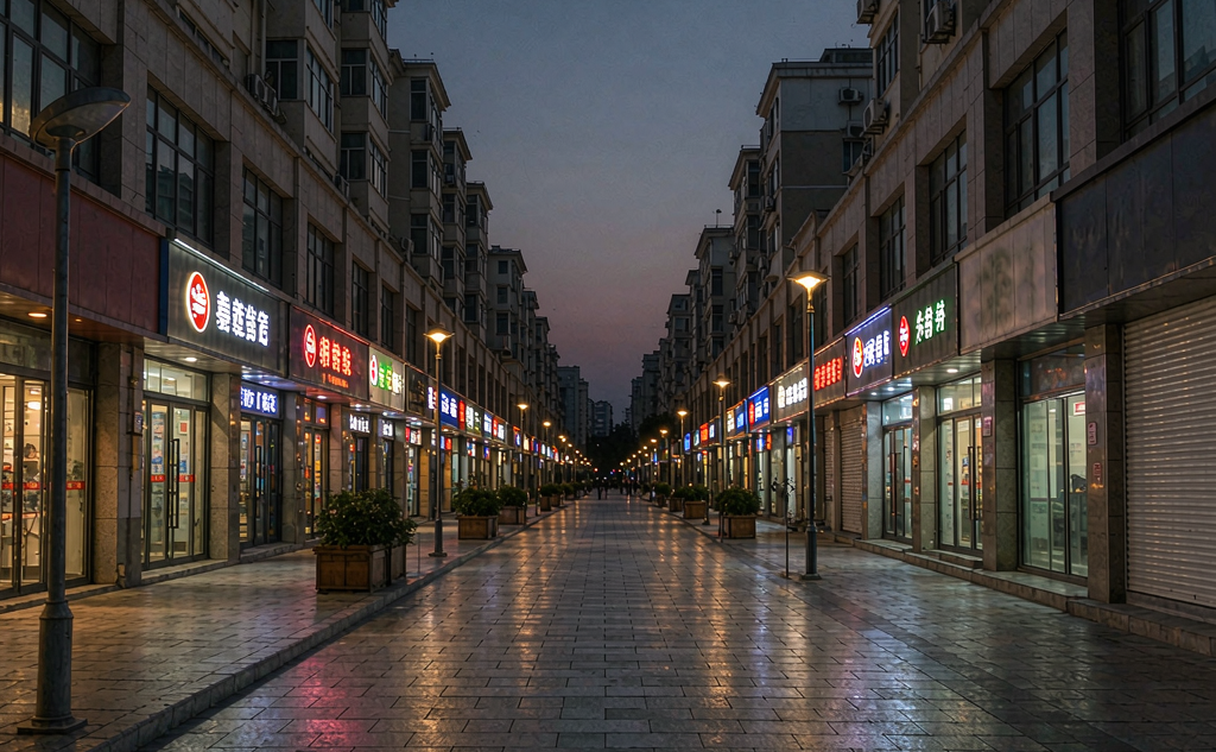
The best known single excursion from Langfang is the walled complex at Xianghe, often called the First City, a large enclosed resort built around reconstructed city walls and gardens modeled on old Beijing architecture. We send curious visitors there for a half day of walking the ramparts, photographing the gates, and enjoying the open grounds, which are far emptier than the real capital’s sites. It is a strange, pleasant hybrid: part park, part hotel town, part architectural pastiche, and it captures something about how Chinese tourism reimagines the past. Go on a weekday if you can, because weekend family crowds are real.
Langfang also works as a hot spring base. The nearby Gu’an area has developed spring resorts where you can soak after days of hard sightseeing, and a spa evening makes a good counterbalance to museum heavy Beijing days. We like booking a resort on the city edge for travelers who need recovery time. The city’s own parks, especially after dark when the lighting comes on, are an easy low effort evening. And for aviation minded visitors, the proximity to Beijing Daxing International Airport means you can watch long haul connections or time a departure without re entering the capital’s traffic.
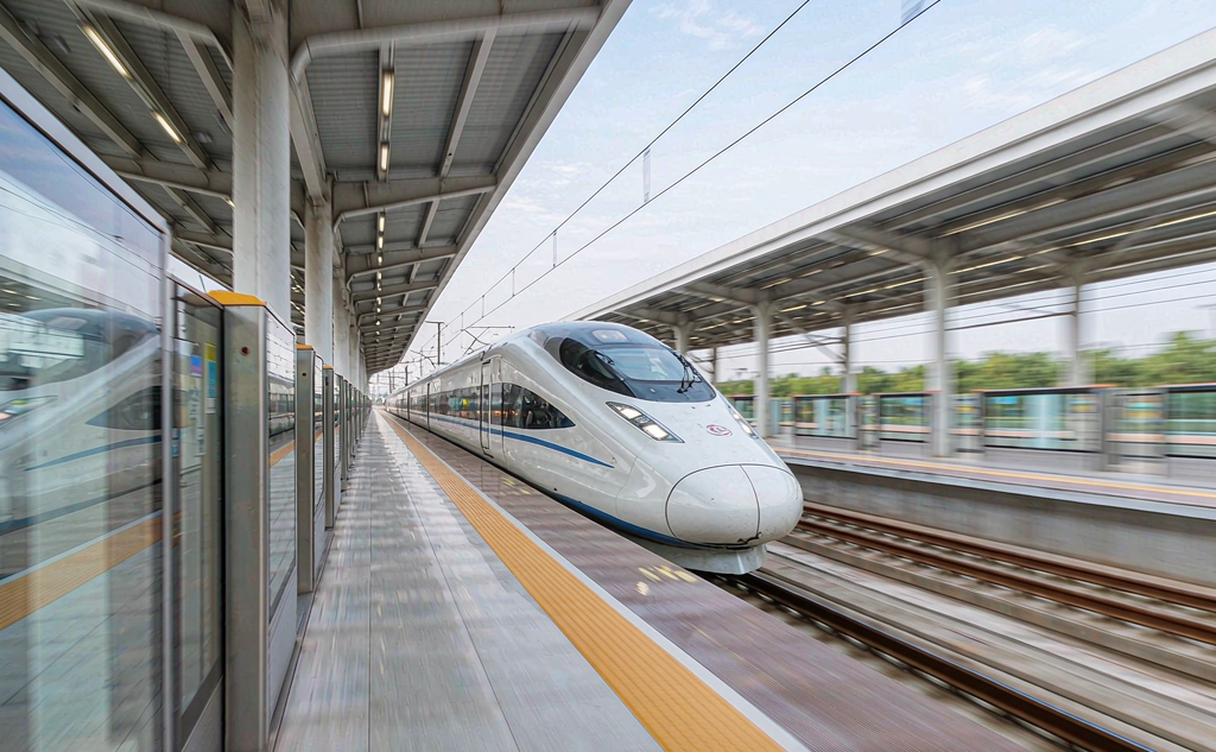
Getting to Langfang is the whole point and the easiest part. If you are puzzling over how to get to Langfang, the answer is almost always the high speed train, because both Beijing and Tianjin are roughly half an hour away. High speed trains from Beijing or Tianjin arrive in roughly half an hour, and the station sits close to the city center. There is also conventional rail and a web of highways, so a private car or bus from either neighbor is simple. Because Daxing airport borders the area, Langfang is also a smart first or last night if you fly in or out of that airport, sparing you a long transfer into central Beijing. For the booking details and station routine, our China high speed train guide for foreigners is the reference we hand to everyone.
The best time to visit Langfang follows the north China climate. Spring, roughly April to May, and autumn, September to October, are the comfortable windows, with clear air and mild temperatures that suit the parks and the walled complex. Summer is hot and can be humid, though the city’s indoor malls and the evening breeze help. Winter is cold and grey, fine for a transit night but less inviting for outdoor wandering. Because Langfang is a base rather than a season driven sight, you can visit year round and simply adjust the day trips to the weather.
A Langfang day trip from Beijing is the most common use, and it works like this. Take an early high speed train north, spend the day in the capital, and return to Langfang for the night, or reverse it and use Langfang as your morning launch pad. If you stay two days, give one to Beijing and one to Tianjin, with a Langfang evening in between. A fuller Langfang itinerary might add the Xianghe walled complex and a hot spring night, which is plenty for a place whose job is to rest you between bigger cities. You will not feel you missed something urgent.
The rhythm of the trains is the real secret. Because departures to Beijing and Tianjin run from early morning to late evening at a frequency of roughly every twenty or thirty minutes, you are never trapped in Langfang for long, nor rushing to catch the last train. We tell clients to buy flexible tickets and treat the rail like a metro line: go in when the sights suit you, come back when you are tired. The stations are small and calm compared with Beijing’s hubs, so the whole routine is low stress. That ease is exactly why we keep sending repeat visitors here rather than booking them two separate city hotels.
Where to stay in Langfang is its strongest selling point. The city has a wide range of hotels, from international style business towers to budget chains, almost all cheaper than equivalent rooms in Beijing or Tianjin. English at the front desk is not guaranteed, so keep your booking on your phone and a translation app ready. We suggest picking a hotel near the train station or a main road, so rides are simple and the rail is a short hop. For the price of a cramped Beijing box room, you can often get a large, quiet Langfang suite and a good night’s sleep.
What to eat in Langfang leans northern Hebei with a Tianjin accent, since the port city is so close. Expect hearty wheat dishes: noodles, baozi stuffed buns, and pancakes, plus braised meats and sour vegetable sides. Tianjin style breakfast snacks, like flaky pastries and savory crepes, show up at morning stalls. The night markets and mall food courts are lively and cheap, good places to try skewers and local sweets. If you want the full port city food scene, the half hour train south to Tianjin opens up seafood and street eats, but Langfang’s versions are easier on the wallet.
Practical tips for Langfang are the same as for any smaller Chinese city. English signage is limited, so load offline maps and a translation app before you arrive, and pin your hotel and station. Ride hailing works well and is cheap, but show the destination on the map because drivers rarely speak English. Carry your passport, because hotels must register foreign guests, and keep some cash for small stalls. As a base city the logistics are forgiving, which is part of the appeal for first time visitors to the region.
We think Langfang suits a particular traveler: someone building a Beijing Tianjin plan who would rather spend on experiences than on a hotel, or someone flying through Daxing who wants a calm, cheap night. The Langfang we know is not a headline destination, and it does not pretend to be. It is a practical, peaceful hinge between two giants, and used that way it saves money and nerves. For more ideas on shaping the wider trip, our guides to the best things to do in China collect the experiences we send people to most.
We will close with the advice we give every budget minded client. Do not skip Langfang because it lacks a famous wall or mountain. Use it as the quiet, cheap bedroom of your Beijing Tianjin adventure, ride the half hour trains like a local, and let the savings and the calm stretch your trip further. Small cities like this are where China’s everyday life shows itself, and that is worth more than another crowded gate.