

Yangquan is the sort of place that rewards travelers who already know they like Shanxi. It sits in the eastern mountains of the province, where the Taihang range folds the landscape into deep valleys, terraced slopes, and old railway towns built on coal and iron. A Yangquan travel guide should be upfront: this is not a polished tourist city. It is a working mountain town with a heavy industrial past, dramatic passes, and some of the quietest good scenery in the province. For visitors who want Shanxi beyond the famous ancient counties, it is a satisfying, uncrowded stop.
The things to do in Yangquan split between mountain passes and the industrial heritage that built the place. The city’s character comes from its ground. Coal and iron made Yangquan, and the rail lines that hauled them out of the mountains still shape the place. You will see old brick station buildings, mine head frames on the outskirts, and a plain spoken local culture shaped by generations of miners and rail workers. We find this honest industrial layer more interesting than a sanitized old street, because it tells the story of how modern Shanxi was actually built. The mountains around the city are the other half of the story: green in summer, gold and red in autumn, and cut by the same passes that armies and traders used for centuries.
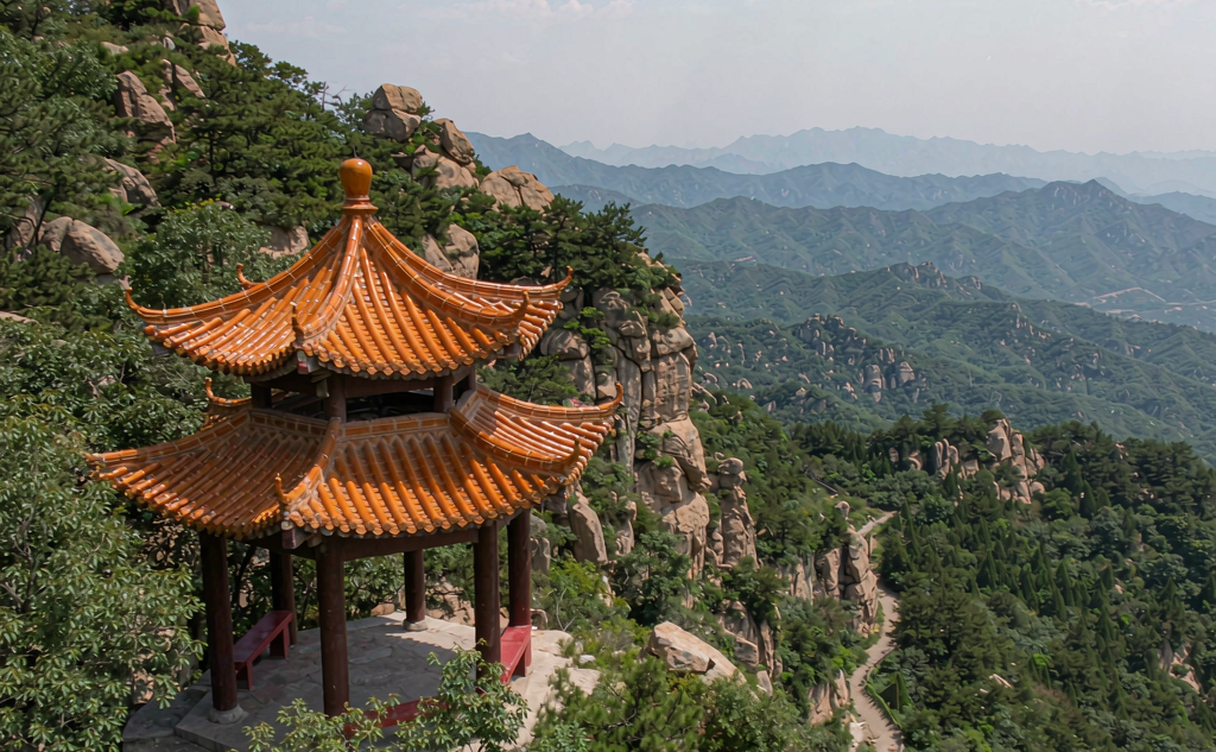
The headline sight for most visitors is Cangshan, a wooded mountain scenic area northeast of the city. The place is wrapped in an old legend about a loyal retainer who hid a noble child here, and the temples built into the cliffs give the hike a purpose beyond the view. We like Cangshan because the paths are real mountain trails, not paved promenades, and the higher you climb the more the valley opens below you. Bring water and decent shoes, because the steps are steep in places and the shade is welcome on a hot day. It is a half day at an easy pace, longer if you linger at the temples.
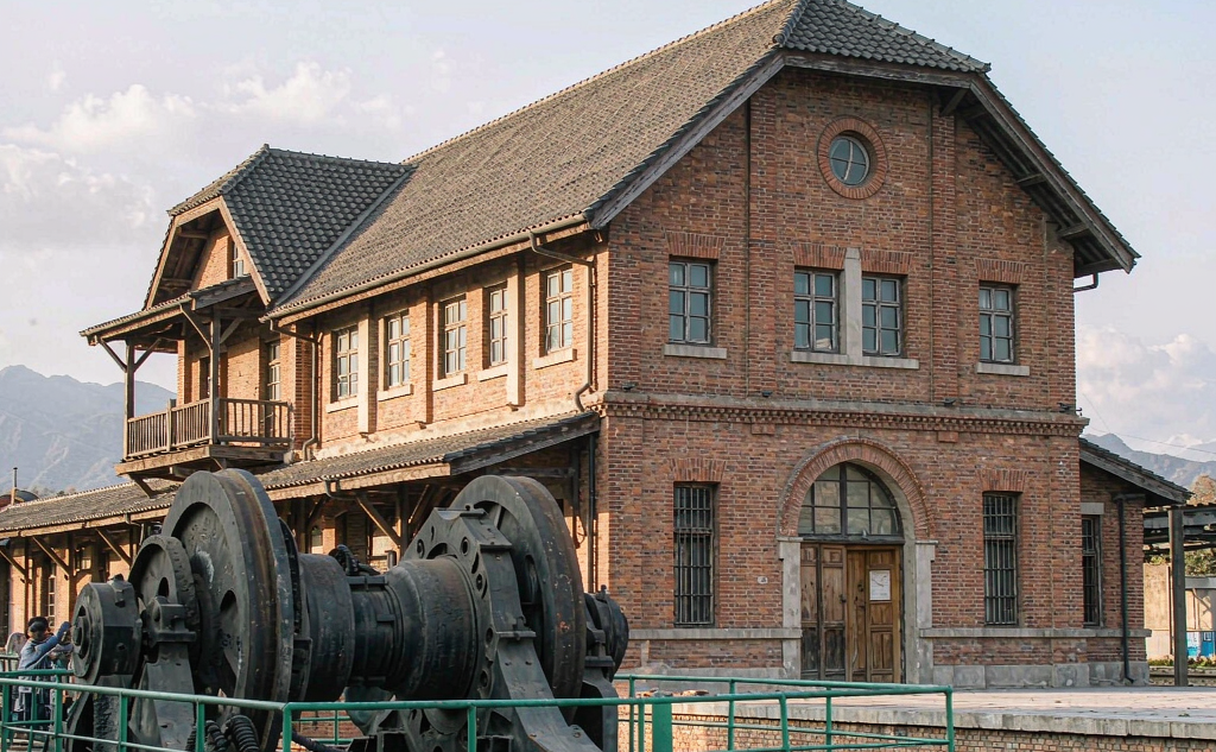
The other must see is Niangzi Pass, a dramatic gateway where the mountains narrow and a Great Wall pass once guarded the route between Shanxi and Hebei. The pass town sits above a river, and just below it the Niangzi Pass waterfall drops over the rocks, one of the better known falls in the Taihang area. We time this for after rain, when the water is fullest and the gorge is at its greenest. The old walls and the railway bridge together make a strong photo, and the cool air in the gorge is a relief in summer. It is a bit of a drive from the city center, so plan half a day and a patient driver or a local bus.
Yangquan Shanxi attractions also include the broader Taihang scenery that surrounds the city. Ridge roads wind past terraced fields and stone villages where life still moves at an old pace, and a slow drive or bike ride through the valleys is its own reward. The city museum covers the coal and rail history with photographs and artifacts that make the industrial heritage concrete rather than abstract. For travelers interested in how China powered its rise, that museum is a small but worthwhile stop. We would not build a whole trip around it, but paired with a pass and a mountain it rounds out the picture.
The coal and iron story is worth seeking out beyond the museum. Old brick railway stations still stand on the city edges, their clocks frozen and their platforms quiet, and the head frames of former mines rise like rust colored skeletons over the rooftops. We like driving the older rail alignment that climbs toward the passes, because the grade and the tunnels show how hard it was to drag coal out of these mountains a century ago. None of it is a polished attraction, and some sites are fenced and working, so look from the road rather than wandering in. But for travelers who want to understand Shanxi’s industrial soul, these faded structures say more than any exhibit.
Getting to Yangquan runs through Taiyuan. If you are sorting out how to get to Yangquan, the high speed rail from the provincial capital is the practical route, with the mountain highway as a scenic alternative. Our Taiyuan travel guide covers the provincial capital about an hour west by high speed rail, and from there trains to Yangquan are frequent and short. There is also conventional rail and road links that make a private car or bus easy from nearby cities, and the mountain highways are scenic if slow. Driving from Taiyuan takes roughly an hour and a half depending on the passes, and the route itself shows off the Taihang foothills. For most foreign visitors the cleanest plan is to base in Taiyuan and make Yangquan a day or overnight trip, which keeps the logistics simple.
The best time to visit Yangquan is late spring through autumn. May and June bring green valleys and comfortable hiking, while September and October are the standout months, with cool air and the hills turning gold and red. Summer is warm and can be humid in the gorges, though the mountain passes stay cooler than the plains. Winter is cold and the passes can be icy, so we would avoid it unless you specifically want empty scenes and don’t mind the chill. As always in China, check opening times before you travel, because smaller sites sometimes keep irregular hours off season.
A Yangquan itinerary of one or two days fits the sights well. Day one: arrive from Taiyuan, drop bags, and head to Cangshan for the afternoon hike and temples. Day two: drive to Niangzi Pass early, walk the gorge and the waterfall, visit the city museum on the way back, and take an evening train out. If you stay a second night, use the evening to wander a mountain valley village or simply eat well and rest. The place is compact, and two days let you see the pass, the mountain, and the heritage without rushing.
Where to stay in Yangquan is the standard Chinese pattern: a cluster of mid range business hotels near the train station and the city center, with little English spoken at the desk. Book ahead through an app or your agency, keep the confirmation on your phone, and have a translation app ready for check in. We suggest staying central so the passes and the mountain are easy drives and food is walkable. Rooms are inexpensive by international standards and generally clean, though you should not expect foreign language TV or menus.
What to eat in Yangquan is pure Shanxi comfort. The province is famous for its noodles, and here you will find knife cut noodles, cat’s ear pasta, and vinegar heavy sauces that define the local taste. The coal country appetite runs to filling food: braised pork, stuffed buns, and hearty stews, with pickled vegetables to cut the richness. Snacks at the evening markets include roasted seeds, fried dough, and sweet cakes. And do not skip the Shanxi mature vinegar, which locals pour on nearly everything and which grows on you fast. A noodle bowl here costs little and tastes like the region.
Practical tips make the difference in a small mountain city. English signage is limited, so download offline maps and a translation app, and pin your hotel and the passes before you lose signal in the valleys. Ride hailing works in the city but is thin out at the scenic spots, so for Niangzi Pass a private car or a fixed price driver is the safer bet. Carry your passport, because hotels must register foreign guests, and keep some cash for small stalls and rural tickets. For train bookings and station routine, our China high speed train guide for foreigners is the reference we trust.
We think Yangquan suits travelers who already have a feel for Shanxi and want the rougher, realer edge of it. The Yangquan we know is a city of mine head frames, mountain passes, and noodle steam, not a postcard. It will not dazzle like the famous ancient towns, but it will show you how the province actually works and breathes, and that honesty is its own kind of attraction. For more ideas on where to point your trip, our guides to the best things to do in China gather the experiences we recommend most often.
We will close with the advice we give friends headed east in Shanxi. Go for the passes and the mountains, stay for the noodle shops and the plain spoken mining town, and lower your expectations of polish in exchange for authenticity. Yangquan will not hand you a famous view on a plate, but it will let you stand at a Great Wall gate where the Taihang closes around you, and that is worth the train from Taiyuan more than we can easily explain.