

Picking the best hotels in Guangzhou is really about choosing a side of the Pearl River. The north bank holds the old town, the shopping streets, and the dim sum temples; the south bank and Zhujiang New Town hold the glass towers and the Canton Tower’s nightly light show. Our Guangzhou travel guide lays out the sights by district, and the hotel question follows from there: where to stay in Guangzhou depends on whether you came for food, business, or the family parks. Below is a concrete shortlist by type and price, built from places we have actually booked for visitors.
The luxury tier leans into the skyline. The Four Seasons Guangzhou occupies the upper floors of the IFC tower by the Canton Tower, with a pool that looks straight down the river; the Ritz-Carlton and the Mandarin Oriental sit in Zhujiang New Town within walking distance of the opera house and the museum. The White Swan, on Shamian Island, is the heritage pick, a restored riverfront icon with garden suites and a real sense of old Canton. Expect roughly ¥1,500 to ¥3,800 per night, with the river-view rooms costing the most. We recommend the north-bank towers for first-timers who want the light show from their window, and the White Swan for travelers who care more about history than height. Luxury hotels Guangzhou lists almost always lead with these names, and for good reason.
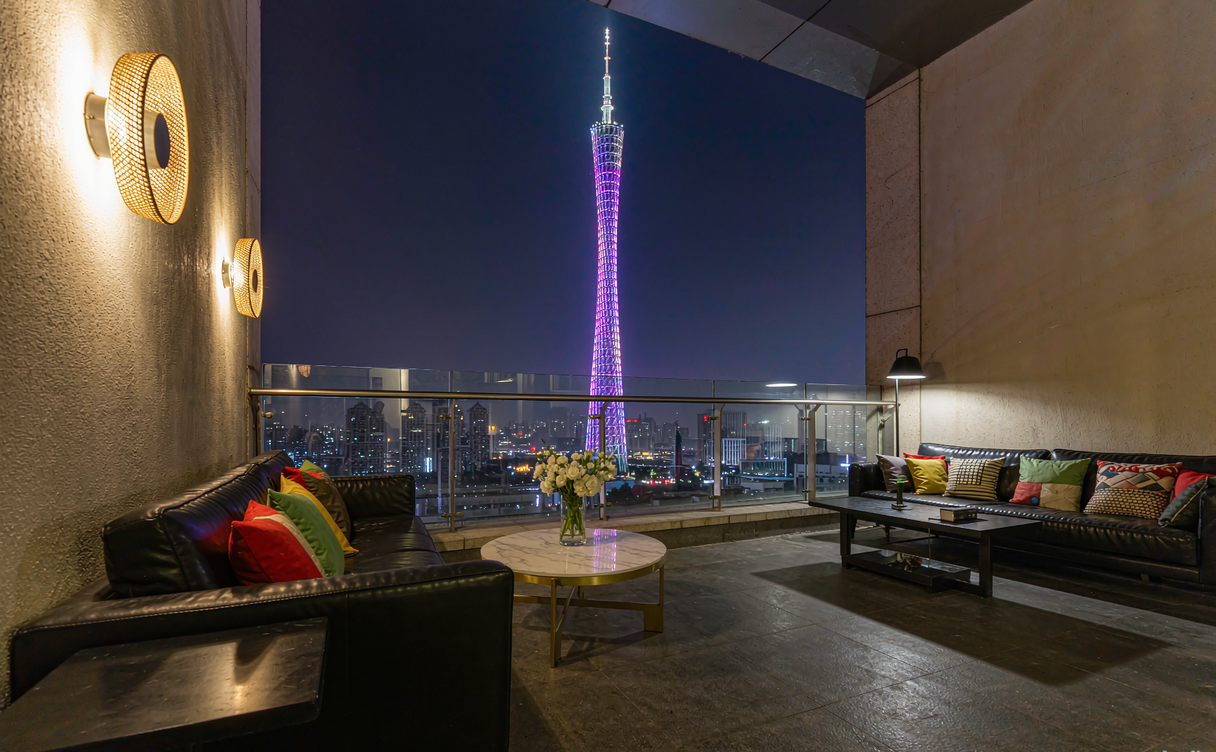
If the tower is your anchor, stay within a kilometer of it. The Guangzhou Marriott Hotel Tianhe and the nearby Zhujiang New Town properties put you a ten-minute walk from the base, and the Chimelong area hotels are a short metro ride north. Best hotels near Canton Tower trade commute for view, and the walk back across the river after the eight o’clock light show is genuinely pleasant in the cool months. Rates in this pocket run ¥900 to ¥2,200, and our Canton Tower guide explains the best hours to be up top so you are not paying for a room view you never use.
For travelers watching the budget, the mid-range chains are reliable and foreigner-friendly. Atour, Ji Hotel, and Courtyard by Marriott dot the Metro Line 1 and Line 3 corridors for ¥350 to ¥800, with consistent Wi-Fi and English signage. The Beijing Road and Shangxiajiu pedestrian areas have the most character, with guesthouses sitting above the shopfronts, while the East Railway Station cluster suits bullet-train arrivals. We put budget-minded food lovers on Beijing Road, because the best breakfast carts are downstairs and the metro gets you to the tower in twenty minutes. The trade-off is street noise, which the higher floors handle better.
Guangzhou boutique hotels cluster on Shamian Island and in the restored warehouses of the Zhujiang Beer cultural zone. Small design hotels here run ¥600 to ¥1,300, with strong coffee and weak elevators, a fair trade. The island’s tree-lined quiet suits longer stays; the warehouse district suits nightlife and the young crowds who come for the river bars. We like these for second visits when the big sights are done and the point is to wander rather than tick boxes. The service is looser than at the chains, but the design and the location are the draw.
Family hotels Guangzhou point to Chimelong. The Chimelong Hotel and the nearby Penguin and Polar themed properties sit inside the resort, so the kids walk to the safari park and the water park instead of riding a bus. Rates run ¥1,000 to ¥2,000 and include early-entry perks that cut the lines. We recommend a two-night block here rather than commuting from the city, because the park days are long and the children are done by evening. For a city-based family stay, the White Swan and the Ritz-Carlton both have pools and forgiving buffets, and the short walk to Shamian’s riverside path burns off energy before bed.
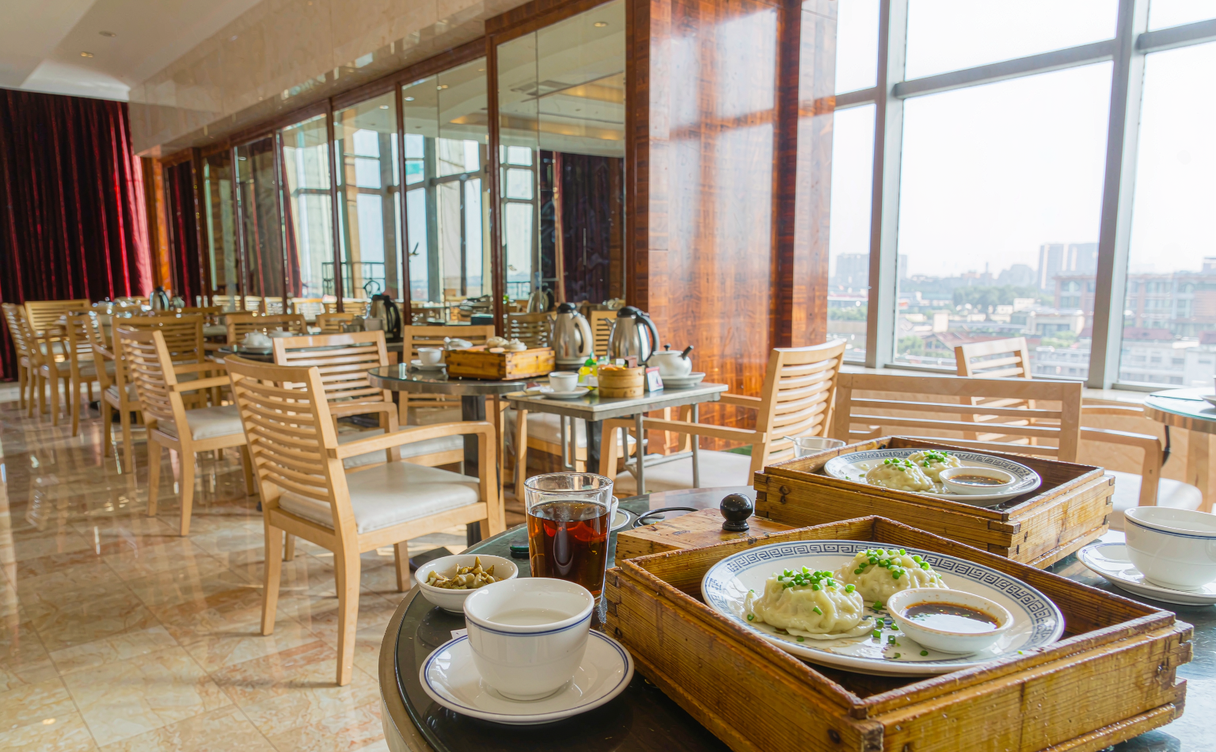
Guangzhou runs on food, and your hotel’s breakfast matters more than its gym. The city’s dim sum culture is a morning ritual, not a tourist show, and our Cantonese dim sum guide lists the spots worth waking for. Hotels like the White Swan and the Four Seasons run serious yum cha, but the best carts are often a ten-minute walk into a local teahouse where the table next to you is a multi-generation family. Pick a hotel near a metro line and a breakfast street, and you eat better for less. Guangzhou hotel guide advice we give everyone: do not book a room without checking what is downstairs, because the ground floor sets the tone for the whole stay.
Booking timing is the quiet trap. The Canton Fair, held in spring and autumn, spikes prices 40 to 80 percent and empties the mid-range stock, so book months ahead if your dates overlap. Passport registration applies at every property, international cards work at the chains, and the smaller inns may want Alipay or WeChat Pay linked to a foreign card. Summer is hot and wet but cheap; winter is mild and the better value window for comfort. We tell clients to lock the room the day they lock the flight, because Guangzhou’s calendar fills fast and the good courtyard-adjacent stays vanish first.
Pulling the geography together helps. North bank means old town, food, and the pedestrian streets; south bank means towers, the tower, and the opera; Shamian means quiet and heritage; Chimelong means the kids. Guangzhou hotel areas each have a job, and the mistake is trying to do all of them from one base, since the river crossings eat time in the morning rush. We coach visitors to pick the district that matches the days ahead, then move if the plan changes, because a twenty-minute metro ride beats an hour of bridge traffic.
Getting around is simpler than the size suggests. The metro reaches Beijing Road, the tower, Shamian, and the East Station on lines that carry English signage, so a first-timer can navigate without a guide. The river ferries are a slower treat, crossing to the south bank for the light show without the bridge traffic, and we send visitors on one at least once. Taxis are cheap for late nights when the trains close, but the subway covers most days and spares you the expressway jams.
Vegetarians and cautious eaters do fine here, because Cantonese cooking leans on clear broths and greens, and the hotel concierges know the cleaner teahouses. We tell nervous first-timers to start with the hotel’s own yum cha, then graduate to a street cart once the rhythm makes sense. The city is forgiving if you stay near a metro line, and the worst that happens is a missed bun, not a ruined day.
The river itself is the city’s spine, and the Canton Tower’s profile on Wikipedia gives useful background on its height and the twist design that makes it recognizable from every hotel window on the south bank. Knowing which floor the observation deck sits on helps you decide whether a room view is worth the premium, or whether you should just ride up once and save the money for dinner.
A practical note on payment, since it trips people up. Most luxury and mid-range desks take Visa and Mastercard, but the boutique inns on Shamian often prefer a Chinese payment app, and some will ask for a deposit in yuan. Link Alipay to your home card before you fly, and keep a little cash for the guesthouses that still run old terminals. The front desks are accustomed to foreign guests and will walk you through it, but a plan beats a puzzled stare at midnight.
In the end, the best hotels in Guangzhou are the ones that put you on the right side of the river for the days you actually have. We have watched travelers pay premium tower rates and never look out the window, and others take a ¥400 room near a breakfast street and call it the best trip of their lives. Match the room to the plan, eat early, and let the light show be the bonus rather than the reason.