

Zhangzhou sits in the southern part of Fujian Province, immediately southwest of Xiamen, and remains one of the most rewarding yet overlooked stops on a southern China itinerary. A proper Zhangzhou travel guide should open with a simple truth: this is a city of contrasts, where a sleepy old town of covered arcades meets a dramatic coastline of black volcanic rock and turquoise bays. Most foreign visitors arrive on a quick day trip, but spending a night or two reveals a slower, more authentic side of Fujian life. The city also works perfectly as a gateway to the offshore beaches of Dongshan Island and to the inland tulou countryside. If you are planning a broader Fujian journey, pair this stop with the Xiamen travel guide and the Quanzhou travel guide, then loop inland to the Fujian tulou villages for the famous earthen fortresses.
How to Get to Zhangzhou from Xiamen
The easiest answer to how to get to Zhangzhou from Xiamen is the high-speed train. Services run roughly every 20 to 30 minutes from Xiamen North or Xiamen station to Zhangzhou station, with the journey taking between 30 and 55 minutes depending on the train. Tickets cost only a few dollars, and the stations are modern and easy to navigate using your passport for identification. If you are starting your Zhangzhou travel guide planning from further afield, fly into Xiamen Gaoqi International Airport and take the airport shuttle or a taxi to Xiamen North, then connect by rail. Long-distance buses also link Zhangzhou with the Fuzhou travel guide route and other Fujian cities, though the train is faster and more comfortable. Within the city, local buses and ride-hailing apps cover most sights, while reaching Dongshan Island requires a separate regional train or bus heading east along the coast.
Best Time to Visit Zhangzhou
The most pleasant months are October through April, when the humidity drops and temperatures sit in a comfortable range. Spring brings lush green hills and blooming flowers around the tea terraces, while autumn offers clear skies ideal for coastal photography. Summer is hot and can be rainy, with the occasional typhoon affecting ferry and bridge access to the outer islands. Winter is mild compared with northern China and rarely sees frost, making it a good low-season choice for travelers who want quiet streets and lower hotel prices. Because this region sits on the same subtropical band as Xiamen Gulangyu Island, the weather patterns line up closely, so you can plan both stops together without worrying about different seasons.
Top Things to Do in Zhangzhou
Zhangzhou Old Town Arcades
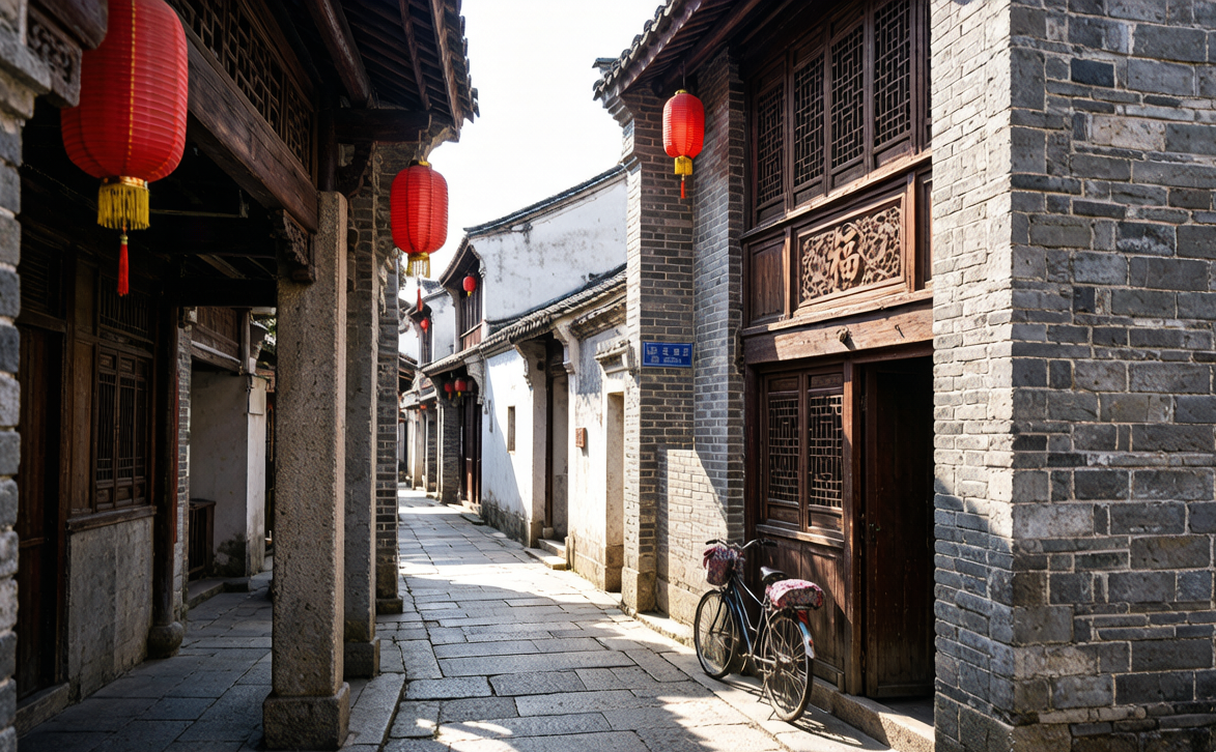
The heart of the city is its network of covered arcades, known locally as qilou. These colonial-era shop houses line Nanjing Road and the surrounding blocks, shading pedestrians from sun and rain with their continuous verandas. Wandering here is one of the best things to do in Zhangzhou, especially in the early morning when vendors set out baskets of fruit, dried seafood, and incense. The arcades blend Southern Fujian, European, and overseas-Chinese influences, a reminder that Zhangzhou sent many emigrants abroad. Take time to sample a bowl of noodle soup or sweet peanut soup at a street stall before the crowds build, and notice the carved facades that survived decades of change.
Dongshan Island, Fujian
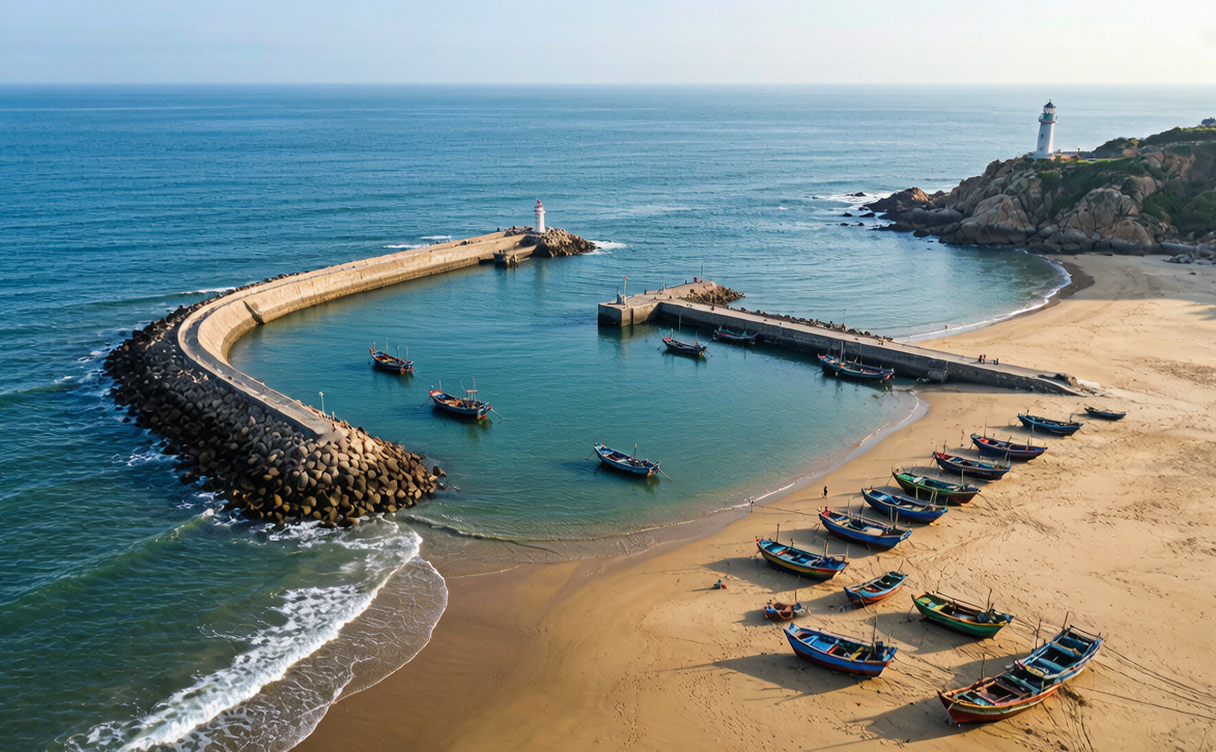
No Zhangzhou itinerary feels complete without the short trip east to Dongshan Island, Fujian’s wind-shaped peninsula of pale sand and working fishing villages. The island is famous for its windmill fields, the crescent beach at Maluan Bay, and the dramatic rock formations at Fengdong Shi, where enormous boulders balance as if suspended by the wind. Rent a scooter or join a local tour to circle the island, stopping for seafood lunches in the harbor towns. Sunrise over the eastern tip is a genuine highlight, and the clear water makes it a relaxed alternative to the busier beaches elsewhere in the province.
Volcanic Coast and Coastal Parks
South of the city, the Zhangpu volcanic geology park preserves pillow lava and basalt columns formed by ancient eruptions. It is a genuinely unusual landscape for mainland China and a strong reason to include the coast in your Zhangzhou travel guide. Boardwalks lead safely along the cliffs, and interpretive signs explain the geology in Chinese and English. Combine this with a visit to the nearby banyan tree park, where a single ancient tree spreads across a small square, its aerial roots forming natural stone-like columns that children love to run between.
Zhangzhou Culture and History
Zhangzhou has been a trading and emigration hub for centuries, and that outward-looking history shows in its food, architecture, and dialect. The local Southern Min culture shares roots with Xiamen and Quanzhou but keeps its own relaxed pace. Temple fairs, puppetry performances, and the region’s distinctive folk music still appear during festivals, giving visitors a window into everyday heritage rather than a museum version of it. Learning a few phrases in the local dialect is not necessary, but a smile and a point at the food stalls goes a long way toward friendly interaction.
Where to Stay in Zhangzhou
Most visitors base themselves in the city center near the arcades, where mid-range hotels put you within walking distance of food streets and the train station shuttle. For a quieter stay, look at boutique options near the river, or treat Dongshan Island as an overnight escape and fall asleep to the sound of the waves. If you would rather keep Xiamen Gulangyu Island as your main base, Zhangzhou works as an easy day loop, though an overnight stay lets you enjoy the arcade district after the day-trippers leave and the lanterns come on.
A Sample Zhangzhou Itinerary
A practical two-day Zhangzhou itinerary begins with a morning train from Xiamen, followed by a walk through the old town arcades and a lunch of local noodles. In the afternoon, head to the volcanic coast park, then return to the city for an evening food crawl. Day two is devoted to Dongshan Island: leave early, rent transport, and circle the windmill fields and beaches before catching a late train back. Travelers with more time can add a third day for the tulou villages inland. This rhythm keeps the trip relaxed while still covering the headline sights without rushing between them.
Food and Drink in Zhangzhou
Zhangzhou food leans into the sweet-and-savory balance typical of southern Fujian. Must-tries include rouwan, springy pork balls in clear broth; oyster omelets; and various rice noodles topped with braised pork. The city is also known for its preserved fruits and peanut sweets, easy souvenirs to carry home. Tea culture runs deep here, with oolong from nearby Anxi appearing in almost every cafe and family kitchen. For a coastal contrast, the Pingtan Island guide covers a different Fujian island food scene worth comparing on a longer trip. Street breakfasts are the real highlight: look for five-spice rolls, tofu pudding, and warm soy milk sold from carts before nine in the morning.
Costs and Practical Tips
Zhangzhou is inexpensive by coastal China standards. A comfortable hotel room runs well under what you would pay in Xiamen, local meals cost only a few dollars, and trains are cheap. Carry some cash for small arcade stalls, though mobile payment is spreading. Download a translation app and a map that works offline, because signage in English is limited outside the main stations. Keep your passport handy for hotel check-in and any ticketed park, and expect relaxed opening hours at smaller family-run spots.
Conclusion
Zhangzhou rewards travelers who step beyond the obvious Fujian highlights, offering volcanic shoreline, living arcade streets, and the relaxed charm of Dongshan Island in one compact loop. For background on the earthen tulou fortresses that sit just inland from the city, see the UNESCO overview of the Fujian Tulou at UNESCO World Heritage: Fujian Tulou.