

This Pingtan Island guide is for travelers who like wind, wide water, and a quieter stretch of China’s southeast coast. Pingtan (平潭) is the largest island in Fujian, China, now linked to the mainland by a long bridge and a fast railway that put it within easy reach of Fuzhou. What draws people is the combination: a startlingly blue sea, villages of wind-proof stone houses, rows of white turbines turning on the headlands, and — in warm months — the eerie glow of “blue tears” bioluminescence on the night surf. It feels apart from the mainland in the best way.
Content Preview
- Pingtan Island Guide: Best Time to Visit
- Pingtan Island Guide: How to Get There
- Top Things to Do on Pingtan Island
- Where to Stay on Pingtan Island
- Sample Pingtan Island Itinerary
- FAQ
Pingtan Island Guide: Best Time to Visit
The best time to visit Pingtan is April through June and September through November, when the wind is brisk but the sun is warm and the sea is clearest. Spring and early summer are also the main season for the “blue tears” — tiny sea organisms that light up the waves at night, usually from April to June, with the best shows after a warm, calm, dark evening. Summer is hot and crowded on weekends; winter is cold, gusty, and quiet, with the fewest tourists.
Pingtan is windy year-round (hence the turbines), so pack a layer even in May. The island is a county-level city of Fujian; more on its setting is on Wikipedia’s Pingtan County article.
Because the island is so windy, the calm, warm nights that produce blue tears are also the most pleasant for evening walks, so plan your beach time after dinner rather than at midday in summer. The spring shoulder season, from late April to early June, is the sweet spot: warm enough to swim, windy enough to be dramatic, and just before the school-holiday crowds arrive. A windproof shell and a hat with a strap will save you from chasing both all afternoon.
Pingtan Island Guide: How to Get There
The easiest route is the high-speed train from Fuzhou to Pingtan Station — the bridge-tunnel link made the island a routine day or overnight trip. Fuzhou also has the nearest airport, with buses and a connection to the rail line. Once on the island, the sights are spread along the coast, so a rented car, an e-bike, or a local driver is the practical way to move between beaches and villages.
| Mode | Route | Time | Approx. Cost |
|——|——-|——|————–|
| High-speed train | Fuzhou → Pingtan Station | ~40–60 min | ¥30–50 |
| Flight + rail | Fuzhou Airport → train → Pingtan | ~2h total | ¥120–300 |
| Bus | Fuzhou → Pingtan | ~2h | ¥40–60 |
| E-bike rental | Around the island | daily | ¥40–80 |
| Taxi | Pingtan Station → north coast | ~30 min | ¥60–100 |
Book your blue-tears and beach evenings around the wind forecast; calm, warm nights glow best.
Top Things to Do on Pingtan Island
Beigang Village and the Stone Houses
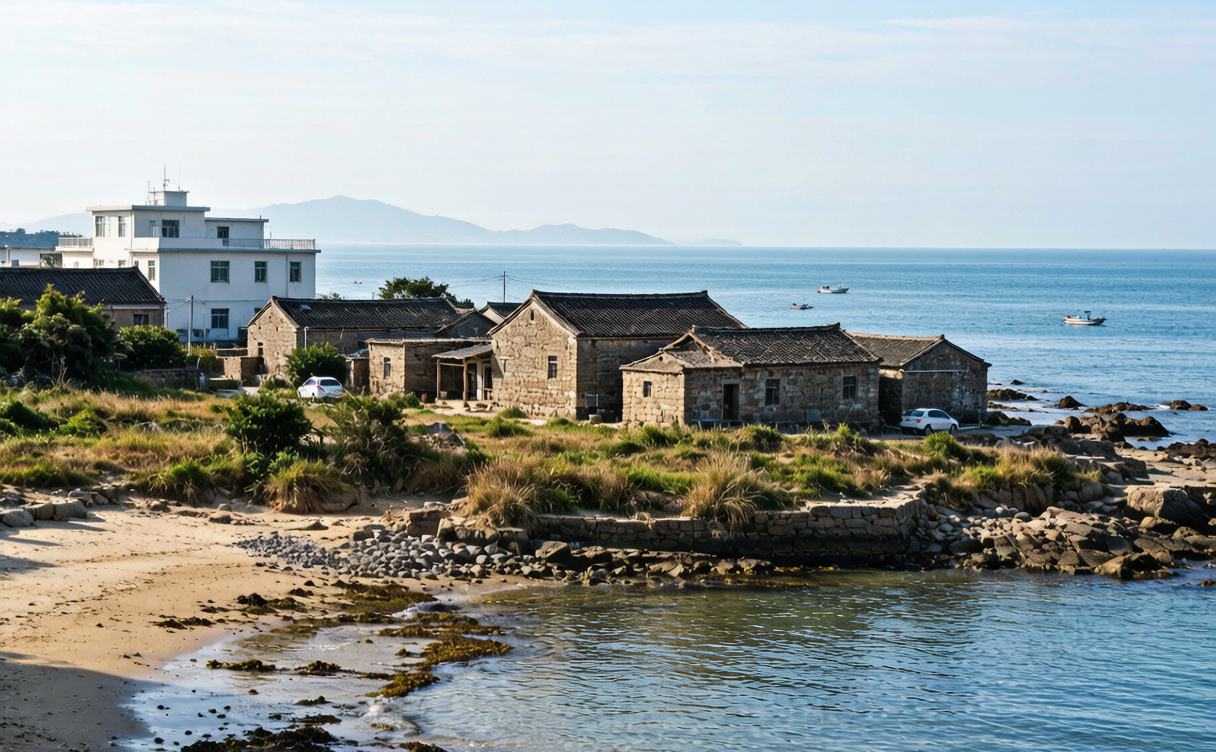
Beigang is the showcase “beicuo” village — slab-stone homes built to block the wind, now filled with cafés, craft shops, and guesthouses. Wander the lanes, then look back at the grey roofs against the blue water. It is the gentlest introduction to island life.
Longwangtou Beach
The main swimming beach sits near the town center, with pale sand and shallow water in summer. Come at sunrise for empty sand and good light, or at night during blue-tears season to watch the surf spark.
Shipaiyang and the Wind Turbines
The eastern headland at Shipaiyang has the famous “double rocks” rising from the sea and a ridge of turbines behind. It is a short, windy walk and one of the island’s most photographed frames.
Tangyu Island and the Blue Tears
In season, the north-coast villages and quiet coves light up with blue tears after dark. Join a local night tour or simply walk a lit beach and watch the waves flicker. Patience and a dark, calm night are key.
The Cross-Sea Bridge at Dusk
Drive or ride the coastal road to watch the sunlight on the bridge and the rail line that binds the island to the mainland — a neat symbol of how remote Pingtan once was and no longer is.
Where to Stay on Pingtan Island
Stay in the county town (Tancheng) for the most restaurants and easy beach access, with hotels from ¥200–500 a night. For atmosphere, book a stone-house guesthouse in Beigang or a north-coast village from ¥250, closer to the blue-tears coves. Summer weekends and the May holidays fill fast, so reserve ahead. If you want quieter surroundings, the off-season months give whole villages to yourself.
Pingtan Island Guide: Practical Tips
A few notes to keep your Pingtan Island guide plan easy. Wind is constant — bring a jacket and secure your hat and phone on the headlands. Mobile payment is the norm; set up Alipay or WeChat Pay before you arrive, and keep some cash for small village stalls. English is limited, so save the Chinese name 平潭 and a translation app offline.
For blue tears, track a local forecast and a dark, warm, low-wind night; a guide app or your guesthouse host will know the hot spots. Rent an e-bike only if you are comfortable on coastal roads in gusts. If you want more ideas for the province, our best things to do in China list flags Pingtan among Fujian’s coast highlights.
The blue-tears chase is the one thing worth planning around the weather rather than the clock; a clear, warm, windless night after a dry day is your best odds, and your guesthouse host will usually know the current hot cove. Rent an e-bike only if you are a confident rider, since coastal gusts can push you sideways, and always wear the helmet. Sunscreen matters even on windy days, as the glare off the water is strong, and fresh seafood is cheap and excellent — pick a busy local restaurant and point at the tank to order by weight.
Sample Pingtan Island Itinerary
Day 1: Train from Fuzhou, settle in Tancheng, and watch sunset at Longwangtou Beach.
Day 2: Morning at Beigang stone village, afternoon at Shipaiyang headland and turbines, blue-tears hunt at night.
Day 3: North-coast cove walk, late seafood lunch, and the train back to Fuzhou.
FAQ
What are the blue tears? Tiny sea organisms that glow blue in the surf, mostly April to June on calm, dark nights.
How do I get to Pingtan? High-speed train from Fuzhou is fastest; the island is bridged and railed to the mainland.
How many days? Two nights covers beaches, villages, and a blue-tears night without rush.
Is it windy? Yes, year-round — that is why the turbines are there. Pack a layer.
Is Pingtan good for swimming? Yes in summer at Longwangtou and similar beaches; the water is clearest in spring and autumn.
By Karl — Last updated July 27, 2026