

Bringing a drone to China can produce breathtaking aerial footage—but only if you follow strict regulations. The question can I bring drone to China has a yes, with heavy conditions. This guide explains drone rules China tourists must know: CAAC registration, no-fly zones, customs, and where you can actually fly. Ignore the rules and your expensive DJI could be confiscated or you could face fines. Read on to shoot legally and safely.
Can You Bring a Drone Into China?
Yes, tourists may bring drone to China for personal use. At customs, a single consumer drone (typically under 7 kg) is usually treated as personal baggage and passes without duty. Declare it if asked; keep the receipt. Larger commercial units may need licensing and could be held.
The real constraint is not import—it is where and how you fly. China tightly controls airspace, and unauthorized flights over cities, airports, and sensitive sites are prohibited.
Drone Registration With CAAC
Under Chinese law, most drones must be registered with the Civil Aviation Administration of China (CAAC). The Civil Aviation Administration of China (Wikipedia) is the national regulator overseeing this system. Key points for visitors:
- Drones above 250 g generally require real-name registration in the official UOM (Unmanned Aircraft Operator) system.
- Registration links the device to an ID and a QR/number plate you must affix to the drone.
- The system is in Chinese and tied to a Chinese phone number or ID, which makes foreign registration tricky.
- Practically, many short-term tourists fly without completing CAAC registration, but doing so is technically non-compliant and risks penalties if caught.
If you plan serious drone photography in China, register before arrival if possible, or travel with a sub-250 g model (e.g., DJI Mini series) that some rules exempt from operator registration.
No-Fly Zones in China
No fly zones China drone restrictions are the most important thing to understand. Forbidden or restricted airspace includes:
- Within roughly 9 km of any airport or airfield.
- Over government buildings, military zones, and border areas.
- Over major cities’ central districts (Beijing core, central Shanghai, etc.).
- Around major events, stadiums, and temporary control zones.
- Many famous scenic areas and all of Tibet, China’s sensitive plateau regions without permits.
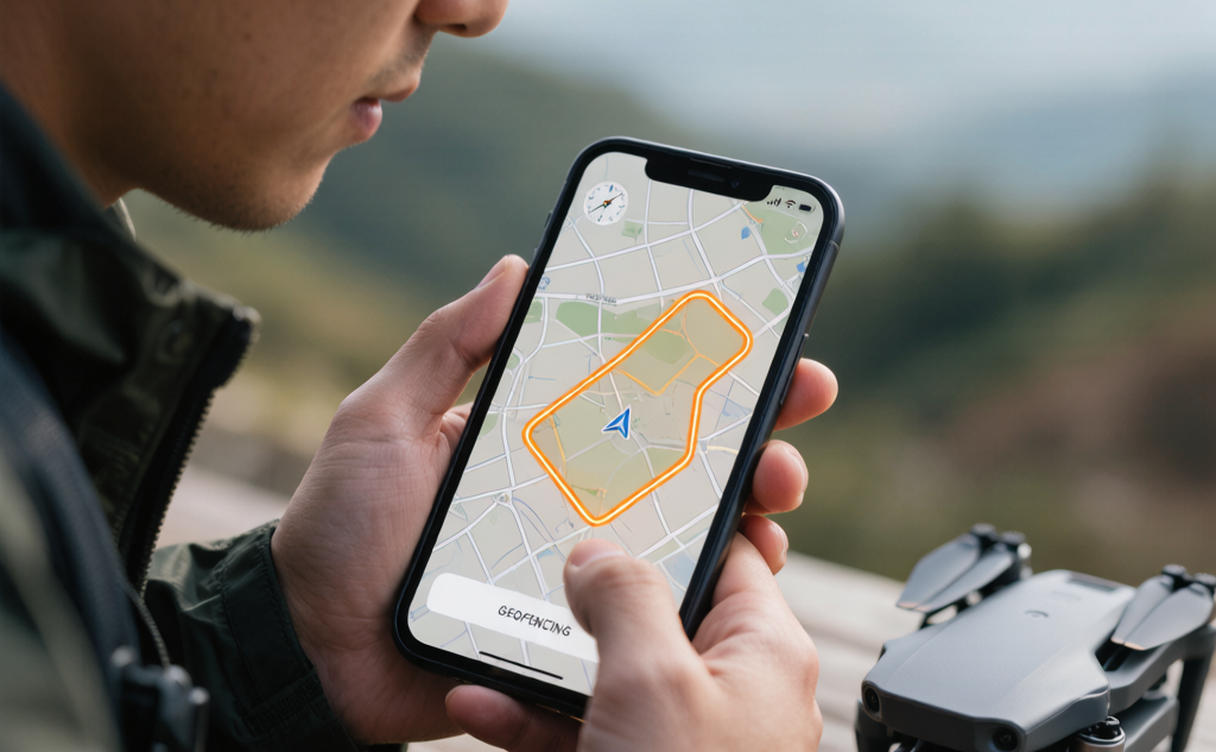
Apps like DJI Fly embed geofencing that blocks takeoff in no-fly zones, but do not rely on it alone—local temporary bans may not appear. Always check on-site signage and official notices.
Flying a Drone at the Great Wall
A top question is flying drone Great Wall sections legally. The answer varies by section:
- Badaling and Mutianyu: inside managed scenic areas, drones are typically banned; staff may confiscate them.
- Wild, unrestored sections (e.g., Jiankou): no ticket office, but you are still under national airspace rules and near Beijing’s restricted zone—risky.
- Remote sections in Hebei or further provinces: more feasible, but verify locally.
Realistically, legal Great Wall drone flights are difficult near Beijing. Plan ground photography instead, or seek explicit permission from the site manager.
DJI Drone Travel in China
DJI drone travel China is common because DJI is a Chinese brand and service is easy. Tips:
- Carry batteries in carry-on luggage; spare Li-po batteries are banned in checked bags.
- Use a hard case; Chinese domestic flights follow standard IATA battery rules.
- Update firmware before travel; some zones unlock differently by region.
- Buy propellers or accessories locally if needed—widely available.
Drone Customs in China
On drone customs China entry:
- One personal drone: usually no duty; keep it with your carry-on.
- Multiple units or commercial packaging: may trigger import tax or scrutiny.
- Keep the original box discreet; declare if the officer asks about electronics.
- When leaving, there is normally no issue taking it home.
Practical Flying Tips
If you find a legal spot, follow good practice:
1. Fly below 120 m (400 ft) unless permitted.
2. Keep visual line of sight; no night flights without approval.
3. Avoid crowds; land if people gather underneath.
4. Respect privacy—don’t hover over homes or private land.
5. Carry your registration and ID; show if authorities ask.
Best Places to Fly (With Permission)
Some scenic regions are more drone-friendly once you secure on-site consent:
- Zhangye Danxia Rainbow Mountains — stunning color layers; check our Zhangye Danxia guide for access notes.
- Guilin and Yangshuo — karst peaks over the Li River; see our Guilin-Yangshuo travel guide for open areas away from towns.
- Remote deserts, grasslands, and portions of Xinjiang, China (with local permits).
For composition ideas, our China photography tour guide highlights landscapes worth the effort.

Drone Etiquette Around Locals
Beyond the law, courtesy matters. If villagers or fellow tourists gather to watch, explain briefly what you are filming and offer to show them the screen—most are curious and friendly. Never hover low over someone’s courtyard or livestock; rural residents value their privacy even if no rule forbids the flight. When a ranger asks you to land, comply at once and pack up calmly. Good behavior builds the reputation that makes future travelers welcome, while one careless pilot can prompt a whole area to ban drones.
Packing and Safety
Include your drone in a smart kit. Our China packing list for first-timers covers adapters and cases. Also review things to know before visiting China for general compliance, and China travel safety tips for what to do if stopped by authorities.
Penalties for Breaking the Rules
Unauthorized flights can lead to device confiscation, fines, or, in sensitive areas, detention. Enforcement near airports and political centers is strict. The reward of one aerial clip is rarely worth the legal risk—when in doubt, don’t launch.
Common Drone Mistakes Tourists Make
A few errors recur. The first is assuming the app’s geofence is the full law—it is not, and temporary local bans still apply. The second is flying at famous ticketed sites where drones are expressly banned; staff at places like the Great Wall or city centers will confiscate the device. The third is ignoring battery rules: loose cells in checked luggage are refused at security, so always carry them on.
Another mistake is flying too high near hills, where a ridge hides a no-fly zone behind it, or launching near a small county airport you didn’t notice on the map. Finally, tourists often forget to affix the registration number plate, making even a legal flight look non-compliant to police. When unsure, ask a local ranger or site office—many are helpful if you show respect for the rules.
Editing and Sharing Footage Abroad
Once you have legal clips, back them up daily; China’s landscape eats storage fast. Use a compact SSD and cloud upload where the network allows. Be mindful that footage of sensitive infrastructure should not be shared publicly. For sharing at home, a simple cut with location tags respects both the scenery and local rules. A good photography guide offers composition ideas that work even from the ground when drones are grounded.
Final Thoughts
Drone rules China tourists face are strict but navigable. Bring a sub-250 g model, understand no-fly zones, seek permission at scenic sites, and never fly near airports or government areas. With caution, you can capture unforgettable footage of China’s landscapes while staying on the right side of the law.