

Understanding China etiquette for tourists is the difference between a trip that charms locals and one that accidentally offends them. Chinese social norms differ from Western habits in subtle but important ways—at the dinner table, in temples, and even when handing over a business card. This guide lays out the essential do’s and don’ts, from chopsticks etiquette to gift-giving customs, so you can travel respectfully and confidently.
Why Etiquette Matters in China
China is a relationship-oriented society where courtesy and “face” (mianzi) carry real weight. Showing respect, even imperfectly, is noticed and appreciated. Small gestures—using both hands to give something, avoiding loud confrontation—smooth countless interactions. Before you go deeper, skim our things to know before visiting China for the broader cultural picture.
Greetings and Everyday Politeness
- A slight nod or handshake is the standard greeting; hugs are reserved for close friends.
- Address people by title and surname (e.g., “Li Xiansheng” for Mr. Li) rather than first names.
- A soft smile goes further than exuberance. Public emotional displays are uncommon.
- Saying “please” (请, qǐng) and “thank you” (谢谢, xiè xie) opens doors everywhere.
Chinese Dining Etiquette
Meals are the centerpiece of Chinese hospitality, and Chinese dining etiquette has the most rules visitors should learn. The Wikipedia overview of Chinese cuisine notes how regional variety shapes shared-table dining across the country.
- Wait to be seated or follow your host; do not grab the best chair.
- Toasts: when clinking glasses, lower yours slightly below an elder’s or senior’s glass.
- Serving others: it is polite to place food in an elder’s bowl before serving yourself.
- Finishing: leaving a little food can signal you are full; cleaning the plate is also fine in casual settings.
- Paying the bill: the host usually pays. A polite tug-of-war over the bill is normal; don’t insist too hard if you are the guest.
For the regional context behind these habits, our Chinese food guide to eight cuisines explains what you will actually be eating.
Chopsticks Etiquette in China
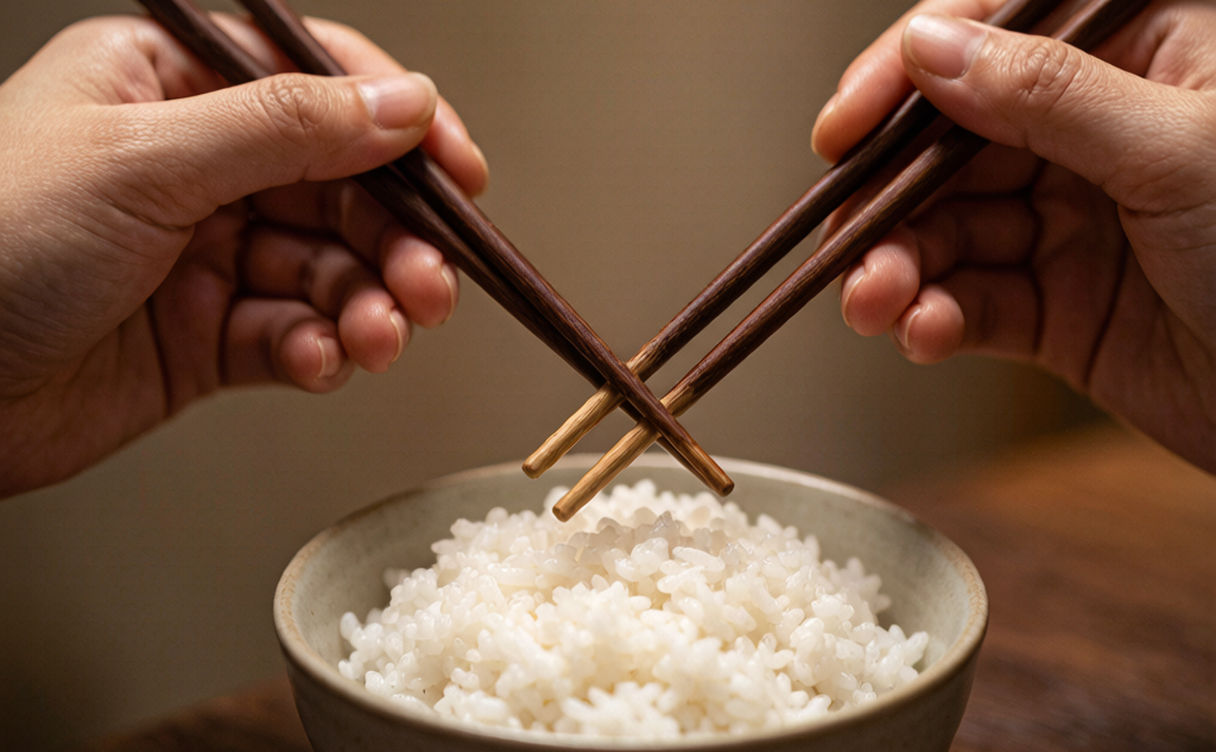
Chopsticks etiquette in China is where well-meaning tourists most often slip up. Never do the following:
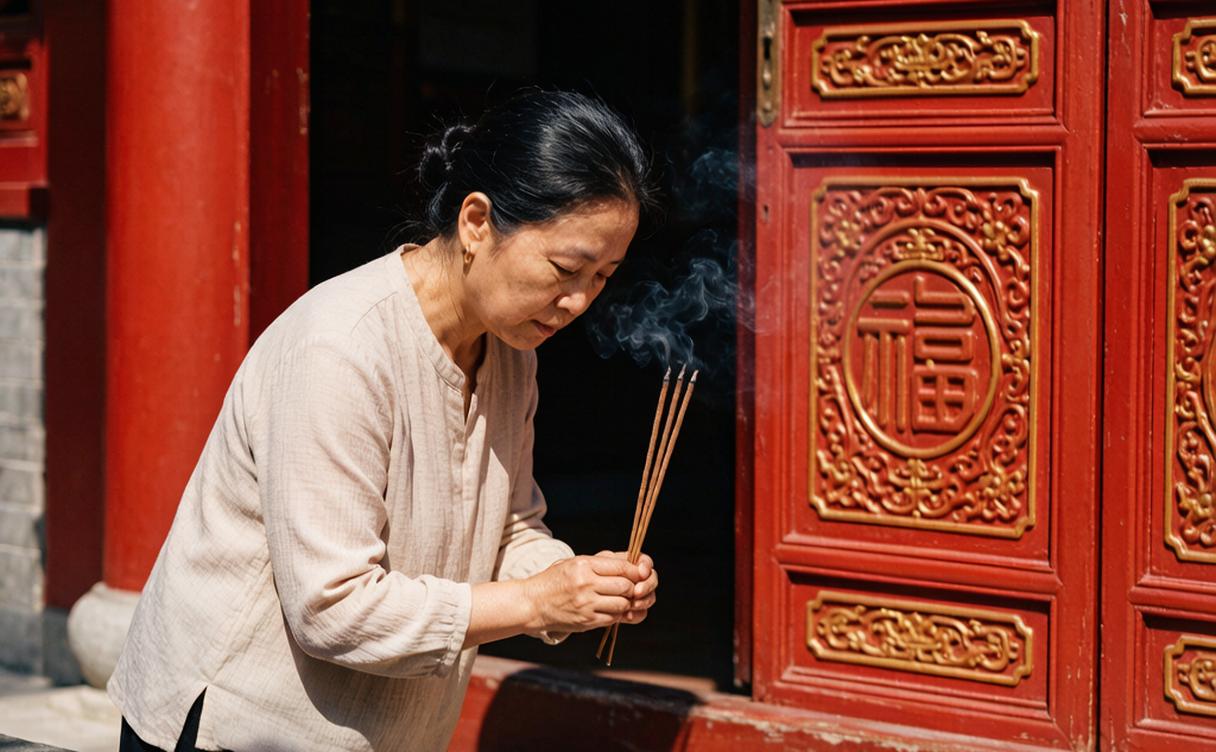
- Plant chopsticks upright in a bowl of rice—this resembles incense at funerals and is a taboo.
- Cross them on the bowl; lay them flat on the rest or dish.
- Point with them or wave them while talking.
- Use them to move bowls or stab food; pick up food cleanly.
- Pass food chopstick-to-chopstick; that mirrors a funeral ritual.
Holding them correctly takes practice, but locals are forgiving of clumsy foreigners who at least avoid the taboos.
Temple Etiquette in China
When visiting Buddhist and Taoist sites, temple etiquette in China keeps you respectful and safe from awkward moments:
- Dress modestly—cover shoulders and knees.
- Speak quietly; these are active places of worship.
- Walk around stupas and pagodas clockwise.
- Do not photograph monks or worshippers without asking.
- Avoid pointing feet at statues when sitting; tuck them away.
- Some halls forbid photography—look for signs.
Gift-Giving Customs in China
Gift giving customs in China reward thoughtfulness. If invited to someone’s home:
- Bring fruit, tea, or sweets; avoid clocks, pears, or umbrellas (homophones for bad omens).
- Present and receive gifts with both hands.
- Do not open a gift immediately in front of the giver.
- A small souvenir from your home country is always welcome.
Business Card Etiquette in China
For travelers mixing business with leisure, business card etiquette in China matters:
- Offer and accept cards with both hands, text facing the receiver.
- Take a moment to read the card before pocketing it.
- Keep cards in a case, never a back pocket.
- Treat the card as a symbol of the person, not scrap paper.
Dos and Don’ts Quick List
These dos and don’ts for China travel summarize the essentials:
Do
- Queue patiently; cutting lines provokes anger.
- Use both hands for giving and receiving.
- Remove shoes when entering homes or some temples.
- Bargain with a smile in markets.
Don’t
- Touch or pat children on the head.
- Stick chopsticks upright in rice.
- Raise your voice in conflict; save face for all.
- Discuss sensitive politics; keep conversation light.
Dress and Appearance
Modesty and neatness signal respect. At temples and formal sites, cover shoulders and knees; a scarf solves sudden requirements. Bright, casual clothing is fine for sightseeing, but very revealing outfits draw stares in conservative regions. Shoes come off at homes and some temples, so wear ones easy to slip on and off. Tattoos are increasingly accepted in cities but may be noticed in the countryside—cover them if you want to avoid attention. Overall, a tidy, modest appearance eases entry everywhere and shows you value local norms. When in doubt, mirror what locals around you are doing—quiet observation beats assumption every time. A small gift for a host and clean, covered shoulders will carry you through nearly every situation you meet, from a village home to a city temple.
Tipping: A Special Note
Tipping is not a Chinese custom in restaurants or taxis. Our dedicated tipping in China guide explains when (and when not) to leave extra. In short: hotel bellboys and tour guides may accept tips, but casual service staff do not expect them.
Family and Group Travel Etiquette
Traveling with kids or elders? Chinese culture is warm toward families, and children are doted upon. Our China family travel guide covers practical tips, while our first-timer travel guide helps groups plan respectfully.
Safety and Respect
Most etiquette slips are forgiven for foreigners, but a few behaviors attract real disapproval or legal trouble. Review China travel safety tips for boundaries around photography, protests, and restricted areas. Respecting local norms is also the simplest safety measure.
Photography and Personal-Space Etiquette
Camera etiquette deserves its own note. Chinese travelers love photos, but pointing a lens at strangers—especially in rural or ethnic-minority areas—without asking is poor form. A quick “keyi pai zhao ma?” (may I take a photo?) solves it. Inside temples, watch for no-photo signs near statues and don’t use flash on frescoes or textiles.
Personal space is smaller in China than in the West; bumping on a subway is accidental, not aggressive. Queuing is respected at stations and counters, so join the line rather than pushing forward. On escalators, stand right and walk left in big cities. Loud phone calls in quiet carriages are frowned upon, much like elsewhere.
Public Behavior and Face
“Saving face” means avoiding public embarrassment for yourself and others. Don’t publicly correct or scold staff; step aside and speak softly. Compliments about China are welcome, while blunt criticism of local habits lands poorly. Tipping confusion aside, a calm, courteous tone resolves nearly every misunderstanding and often earns extra help from locals who appreciate the effort.
Final Thoughts
Learning China etiquette for tourists is not about perfection—it is about showing you care. Master the chopstick taboos, offer gifts with both hands, and keep your voice gentle, and you will be treated as an honored guest rather than an outsider. Courtesy opens China in a way no guidebook alone can.