

This Ningbo food guide takes you to the coastal kitchens of one of Zhejiang’s oldest port cities, where the sea meets the rice paddies and the cooking is salty, fresh, and quietly addictive. The Ningbo food guide below explains what to eat in Ningbo, where to find the best Ningbo seafood restaurants, and how local snacks like Ningbo tangyuan rice balls fit into a day of eating. Ningbo sits on the Hangzhou Bay and has been a trading port for a thousand years, so its table draws on the East China Sea, the Yangtze Delta, and a deep Zhejiang culinary tradition. If you love crab, yellow croaker, and sweet glutinous desserts, Ningbo will surprise you with how distinct it tastes from nearby Shanghai and Hangzhou.
Ningbo’s Culinary Identity
Ningbo cuisine is a branch of Zhejiang cuisine, but it is saltier and more seafood-forward than the gentle sweetness of Hangzhou. The city’s cooks prize freshness above all: fish is often steamed whole with just ginger, scallion, and a splash of rice wine, while shellfish is stir-fried quickly to keep its bounce. Preserved foods also matter here — salted vegetables, aged tofu, and cured fish appear in home cooking and give the local flavor its savory depth. For the bigger picture, our Chinese food guide to the 8 great cuisines explains where Zhejiang fits among China’s regional styles, and how coastal provinces like Ningbo differ from the spicy interiors. The city’s food culture is outlined on Wikipedia’s Ningbo page, which traces its history as a mercantile port that spread its flavors across China and Southeast Asia.
What to Eat in Ningbo
If you only try a few things, make them these.
Ningbo Yellow Croaker
The Ningbo yellow croaker (dayu, or large yellow croaker) is the city’s signature fish, once so abundant in the East China Sea that it defined local wealth. Today it is farmed and still beloved, steamed with pickled mustard greens (xuecai) so the sour greens cut the rich flesh. The meat is delicate and the broth is the kind you spoon over rice. Order it whole and share it in the middle of the table, which is how Ningbo families have eaten it for generations.
Ningbo Tangyuan Rice Balls
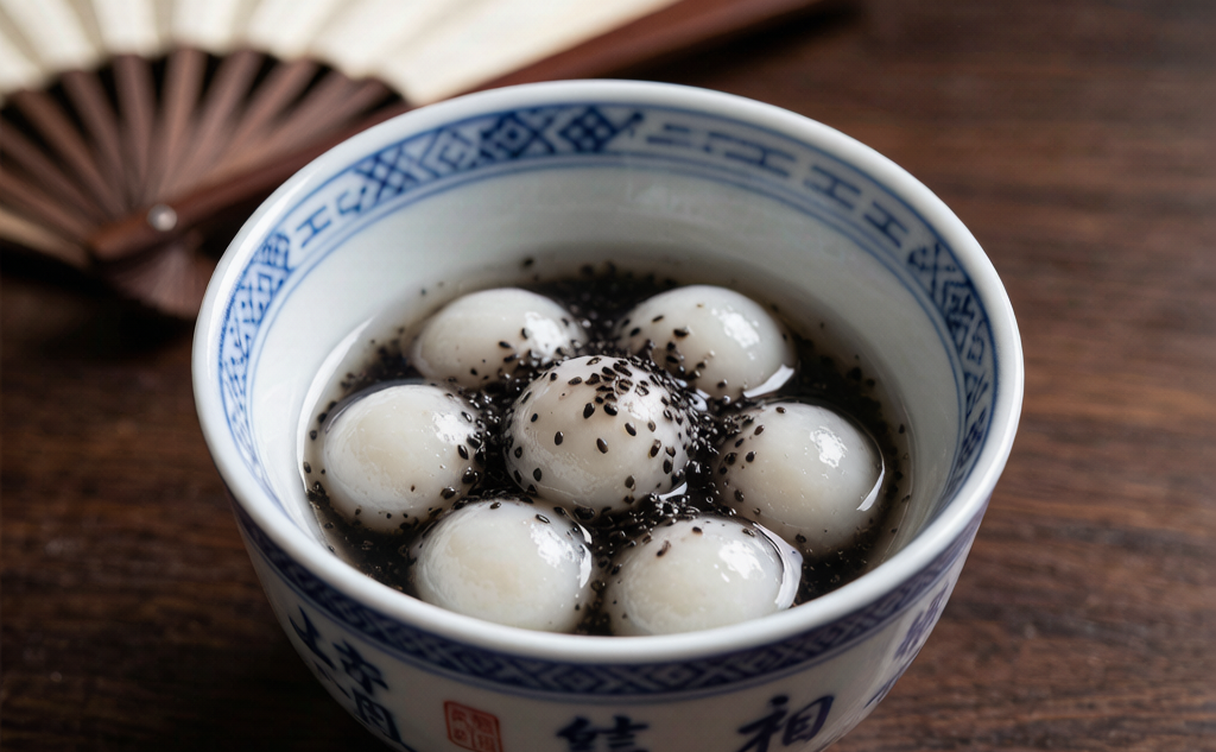
No Ningbo food guide is complete without Ningbo tangyuan rice balls, the glutinous rice dumplings filled with black sesame paste and served in a light sweet broth. Ningbo claims to be the birthplace of tangyuan, and the local version is smaller, softer, and more refined than the big festive ones eaten elsewhere during the Lantern Festival. They are sold at breakfast stalls and dessert shops, often in portions of a dozen, and the moment the warm sesame bursts in your mouth is pure comfort. Look for “Shui Jie Tangyuan” shops near the old town.
Crab and the Cold Dishes
Ningbo loves crab, especially the hairy crab season in autumn and the local mud crabs pickled in wine (drunk crab). Cold appetizers of kelp, jellyfish, and marinated peanuts begin most seafood meals, and they show off the city’s skill with texture. A plate of cold jellyfish with a little vinegar is the perfect opener before the hot dishes arrive.
Stinky and Preserved Specialties
Adventurous eaters should try Ningbo’s famously pungent foods: stinky tofu here is milder than Hunan’s but still bold, and the salted mustard greens (xuecai) turn up in soups, noodles, and the yellow croaker dish above. These preserved flavors are the backbone of home cooking and worth a taste even if they surprise you at first.
Ningbo Seafood Restaurants
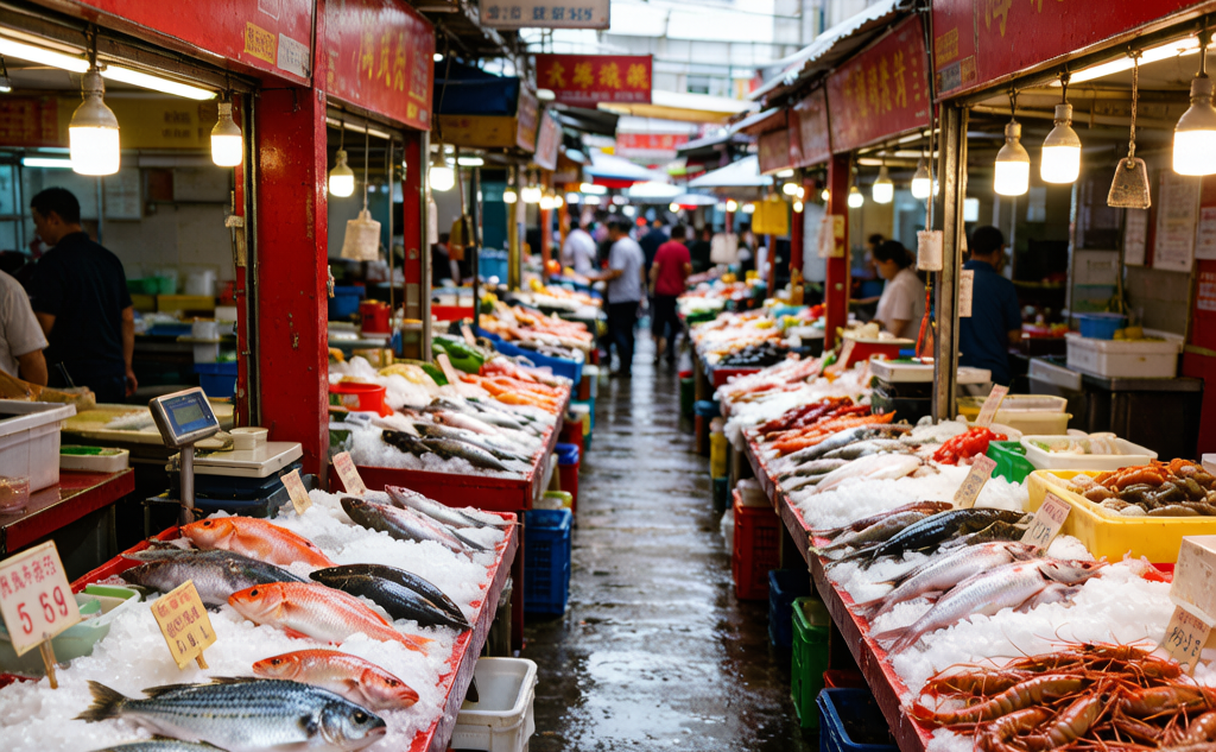
The best Ningbo seafood restaurants are often the simplest: tiled-floor halls near the port where tanks of live fish and crabs line the entrance and you point at what you want. The Laowaitan (Old Foreign Concession) riverside district has smarter venues with views, while the area around Yuehu Lake mixes teahouses with seafood spots. For a true local experience, go to the wholesale market district early, eat at a stall, and watch the boats unload. Prices run reasonable for China’s coast: a steamed croaker for two might be 80 to 150 yuan, and a crab banquet for four can be 300 to 600 yuan depending on the season. Our street food safety in China guide has tips on choosing busy, high-turnover stalls so you eat well and safely.
Ningbo Night Market and Food Streets
The Ningbo night market scene centers on the Confucius Temple (Kongmiao) pedestrian area, where skewers, oyster omelets, and tangyuan stalls open after dark. The Ningbo food street along Zhongshan Road and the lanes near Tianyi Pavilion mix snack counters with sit-down spots, and it is easy to graze your way through a dozen small bites in one walk. Try grilled squid, fried rice cakes (nian Gao), and sweet soybeans stewed in syrup. Markets are liveliest from 17:00 to 22:00, and the atmosphere — lanterns, steam, and chatter — is as much the point as the food. If you want to compare coastal cities, our Qingdao seafood guide covers the Shandong coast’s very different beer-and-clam style.
A Sample Day of Eating in Ningbo
- Breakfast: A bowl of warm Ningbo tangyuan rice balls and soy milk at a corner shop near the old town.
- Lunch: Steamed yellow croaker with xuecai at a family seafood hall, plus a plate of stir-fried clams.
- Afternoon: Sweet soybeans and tea along a Ningbo food street while you wander.
- Dinner: A crab and cold-dish spread in Laowaitan with the river lit up.
- Late snack: Skewers from the Ningbo night market on your walk back to the hotel.
Drinks and Desserts
Ningbo drinks tend light: green tea from nearby hills, barley tea in summer, and the occasional local rice wine. Desserts lean on the glutinous and the sweet — tangyuan, rice cakes, and red-bean pastries. In summer, try the cold glutinous balls in crushed ice with fruit, a cooling end to a seafood-heavy day.
Where Ningbo Fits in a Zhejiang Trip
Ningbo pairs naturally with its glamorous neighbor. Our Ningbo travel guide covers temples, the Tianyi Library, and day trips to the Putuo Island, while the Hangzhou travel guide shows how the provincial capital’s lake-side cuisine contrasts with Ningbo’s salty coast. Together they make a tidy Zhejiang food loop, and our China food tour guide can help you string several regional tables into one journey.
Practical Tips for Eating in Ningbo
- Go early: Live seafood is best at lunch when the morning catch is fresh; dinner crowds build after 18:00.
- Point and weigh: At tank restaurants, you choose the fish and pay by the jin (500g); confirm the price before cooking.
- Mind the salt: Ningbo food is noticeably saltier than Hangzhou’s; ask for less salt (shao yan) if you prefer mild.
- Carry cash: Small stalls and night markets often prefer cash or mobile pay; a translation app helps with menus.
- Allergies: Shellfish is everywhere, so learn the phrase for “I’m allergic to shellfish” or show it on your phone.
FAQ
Is Ningbo food very different from Shanghai food?
Yes. Ningbo is saltier, heavier on seafood, and less sweet than Shanghai’s red-braised richness, though the two share Zhejiang roots.
When is the best time for seafood in Ningbo?
Autumn brings the best crab and fish, but the East China Sea supplies good seafood year-round, with summer for clams and shellfish.
Are there vegetarian options?
Limited but possible: tofu dishes, vegetables, and tangyuan are meat-free, though broths may contain seafood, so ask.
How spicy is Ningbo food?
Not spicy at all. It is savory, salty, and a little sweet in desserts, with no chili tradition to speak of.
Final Thoughts
This Ningbo food guide shows a coastal city that eats straight from the sea and finishes sweet with a bowl of tangyuan. From the Ningbo yellow croaker steamed with sour greens to the graze of a Ningbo night market, what to eat in Ningbo is really a lesson in freshness and restraint. Plan a day around the Ningbo seafood restaurants and the Ningbo food street, then expand into a wider Zhejiang cuisine guide by adding Hangzhou and the coast. Bring your appetite, a light salt tolerance, and a curious tongue.