

Yili, China, lies in the fertile river valley of northwestern Xinjiang, China, a green crescent of grassland and snow peaks that feels more like Switzerland than the desert Xinjiang many travelers expect. This Yili travel guide covers the best time to visit, how to get there, the top things to do, where to stay, what to eat, and a practical itinerary for one of China’s most beautiful pastoral regions. Famous for the Nalati and Kalajun grasslands, the spring apricot blossom, and a distinct Kazakh and Xibe cultural mix, Yili is the lush counterpoint to the Taklamakan’s dryness and a highlight of any trip through Xinjiang, China.
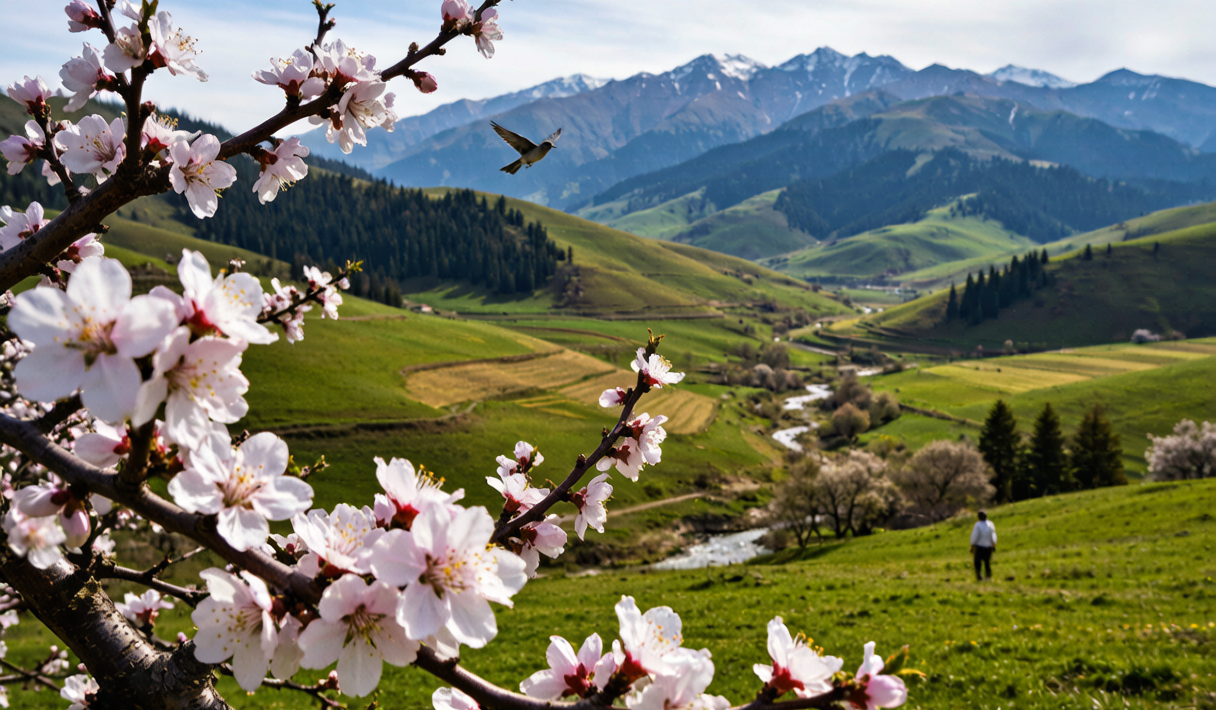
Best Time to Visit Yili
The best time to visit Yili splits into two standout windows. Late April to early May brings the famous Yili apricot blossom, when wild apricot trees across the foothills explode in pink and white — a brief, magical two weeks that draws photographers from across China. The second window is June to September, when the grasslands are at their greenest, wildflowers carpet the meadows, and the weather is mild (18–28°C), perfect for hiking and horseback riding. Autumn (late September–October) turns the valley gold and is excellent for photography with fewer crowds. Winters are cold and snowy, and some mountain passes close, but the snow scenery is serene for those prepared for low temperatures.
Because the valley sits at 600–2,000 meters, nights are cool even in summer, so pack a fleece regardless of season. Rain is most likely in early summer, but it rarely disrupts travel for long. For a national overview of seasons, our best time to visit China guide helps you coordinate Yili with the rest of your trip.
How to Get There
Yili is in far western Xinjiang, reachable by air and a long rail journey. Train and bus schedules can be checked on China Railway’s official portal, China Railway (12306).
- By air: Yining Airport (YIN) has daily flights from Urumqi and seasonal connections to Xi’an and other cities. The airport is about 20 minutes from Yining city center by taxi.
- By train: The railway from Urumqi to Yining takes roughly 10–12 hours, with sleeper options; many travelers fly in and take the train out, or vice versa, to enjoy the changing landscapes.
- By road: A well-paved network of highways links Yili with the north’s alpine lakes and with the southern deserts. Distances are large, so a private driver or organized loop is the most comfortable way to explore the valley and its grasslands.
Top Things to Do in Yili
Nalati Grassland (Yili Nalati grassland)
The Yili Nalati grassland is the region’s postcard: rolling green hills, scattered yurts, and herds of horse and sheep beneath snow-dusted peaks. You can drive the scenic loop, hike to a viewpoint, or ride a horse with a local Kazakh herder. Visit at sunrise for the best light and the chance to see herders moving their animals. For context on the wider region, our Xinjiang travel guide explains how these pastures fit into the greater Xinjiang, China landscape.
Kalajun and Kurdening Grasslands
Less crowded than Nalati, Kalajun and Kurdening offer alpine flower meadows, deep forests, and ridge walks with sweeping views. Kurdening is also a designated UNESCO grassland reserve, rich in birdlife, and is ideal for travelers who want quiet trails away from the tour buses.
The Apricot Blossom Valleys (Yili apricot blossom)
Each spring the Yili apricot blossom turns the otherwise ordinary foothills into a sea of pink. The best-known spots are around Tokkuztara (Zhaosu) and the smaller villages east of Yining; timing is everything, so check blooming reports before you go, as the window can shift by a week or two depending on the weather.
Yining City and the Six-Star Street
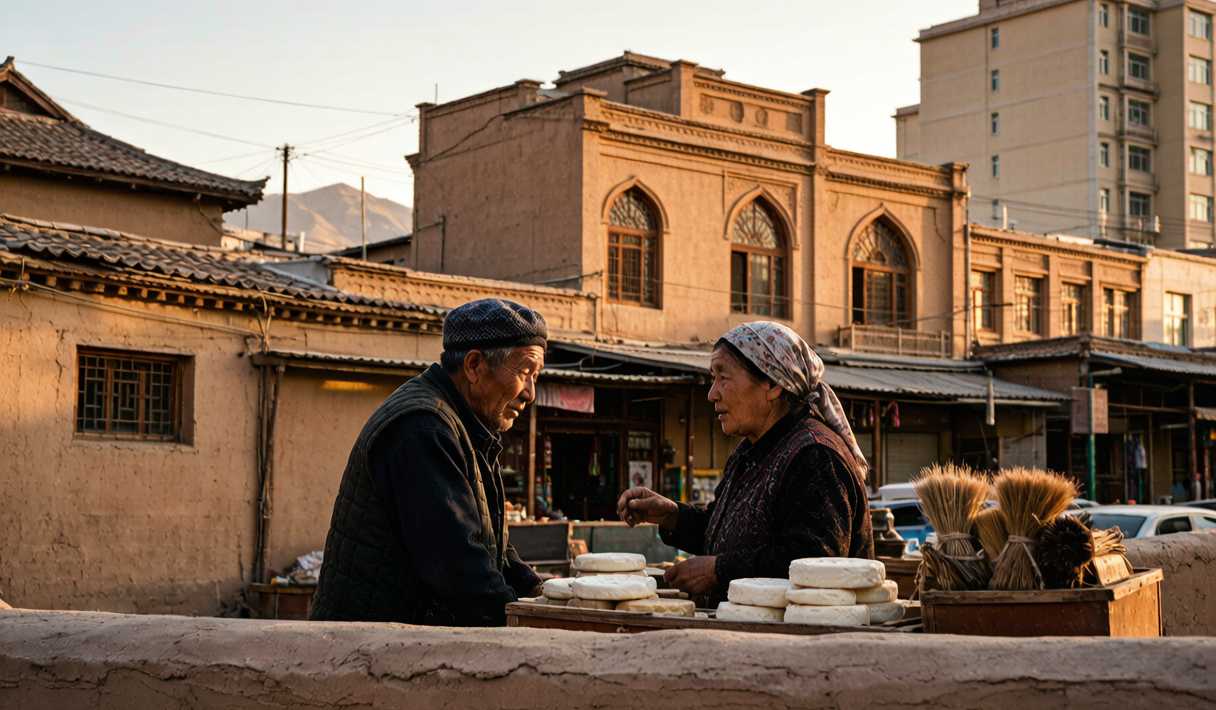
Yining, the regional hub, has a leafy Russian- and Xibe-influenced old town. The Six-Star Street area mixes wooden cottages, mosques, and cafes, and is the best place to feel Yili’s unique cultural blend over a plate of laghman and a walk at dusk.
Sayram Lake
A short drive north, Sayram Lake is a high, cold alpine lake ringed by mountains, often called the “last drop of the Atlantic” for its unpredictable weather and mirror-still waters. The lakeside road is spectacular in summer when wildflowers line the shore.
Where to Stay in Yili
Base yourself in Yining city for transport and dining, where mid-range hotels run around ¥250–500 per night and a few international-standard chains operate. For the full experience, stay in a yurt or guesthouse inside the Nalati scenic area — basic but unforgettable, with starry skies and morning mist over the meadows. Book grassland accommodation well ahead for the May blossom and the July–August peak, when rooms fill with domestic tourists. If you are linking Yili with the north, our Kanas Lake Xinjiang guide covers the alpine lakes further north that pair naturally with a Yili loop.
Yili Food and Local Specialties
Yili’s tables reflect its pastoral, Kazakh, and Xibe heritage: hand-grabbed lamb (shou zhua rou), mare’s-milk drinks (kumis), thick naan, dairy-rich passed (dried curds), and hearty pilaf. Yining’s night market is the easiest place to sample everything, and the valley’s apples and apricots are rightly famous. For more on the southern contrasts of the region, our Xinjiang Nalati grassland guide focuses on the prairie itself, while this page covers the broader Yili valley and its towns.
Yili Itinerary
A Yili itinerary of four to five days lets you see the highlights without rushing:
- Day 1: Arrive in Yining, explore the old town and Six-Star Street, night market dinner.
- Day 2: Nalati grassland — scenic drive, horse ride, and a yurt overnight.
- Day 3: Kalajun or Kurdening for hiking and flower meadows.
- Day 4: Sayram Lake day trip and the northern highway back toward Yining.
- Day 5 (spring only): Apricot blossom valleys, then depart.
A Yili to Zhaosu drive in summer is one of China’s great road trips, crossing the icy Muzart glacier pass; check road status before you set out, as high passes can close after rain or early snow.
Yili Travel Tips
A few Yili travel tips: book grassland lodging early for blossom and peak season, carry cash for yurt stays and small stalls, and bring a warm layer for cool nights even in July. A translation app helps in rural areas where English is rare, and hiring a driver for the day is affordable and saves long waits. Respect herding life — ask before entering a yurt or photographing people — and keep to marked trails in the reserves to protect the fragile meadows. Sunscreen and sunglasses are essential at altitude, where UV is strong.
FAQ
Is Yili worth visiting for foreign tourists?
Yes, for some of China’s most beautiful grasslands, the spring apricot blossom, and a distinct Kazakh and Xibe culture.
Do I need a visa for Yili?
Most visitors need a Chinese visa; Xinjiang, China follows standard national entry rules, so confirm before travel.
How many days do I need in Yili?
Four to five days covers the main grasslands, Sayram Lake, and Yining at a comfortable pace.
What is Yili most famous for?
The Nalati grassland, the spring apricot blossom, and its lush valley scenery in northwestern Xinjiang.
Final Thoughts
Yili is the green heart of Xinjiang, China — a valley where snow peaks, wildflower meadows, and nomadic traditions meet. Time your visit for the best time to visit Yili in blossom season or high summer, and use this Yili travel guide to string the grasslands into a memorable loop. Pair it with the deserts of the south or the lakes of the north for a route that shows every face of Xinjiang, China. For season planning across the country, browse our best time to visit China guide and start building your itinerary today.