

The first time I saw Mount Siguniang, I was slumped against a bus window, four hours out of Chengdu and half-convinced the driver had taken a wrong turn into a postcard. Then the road dropped into Rilong Town and the valley simply opened its arms: four snow-streaked peaks stacked against a sky so blue it looked edited. Locals call them the “Four Sisters,” and once you’ve stood beneath them, you get it. Mount Siguniang is the “Alps of the East” — and unlike the real Alps, you can reach it on a public bus from a city with pandas.
I’ve now made the trip three times, and I still can’t decide if Mount Siguniang is best as a lazy valley stroll or a serious alpine expedition. The good news? It’s both. Here’s everything I wish someone had handed me before my first visit.
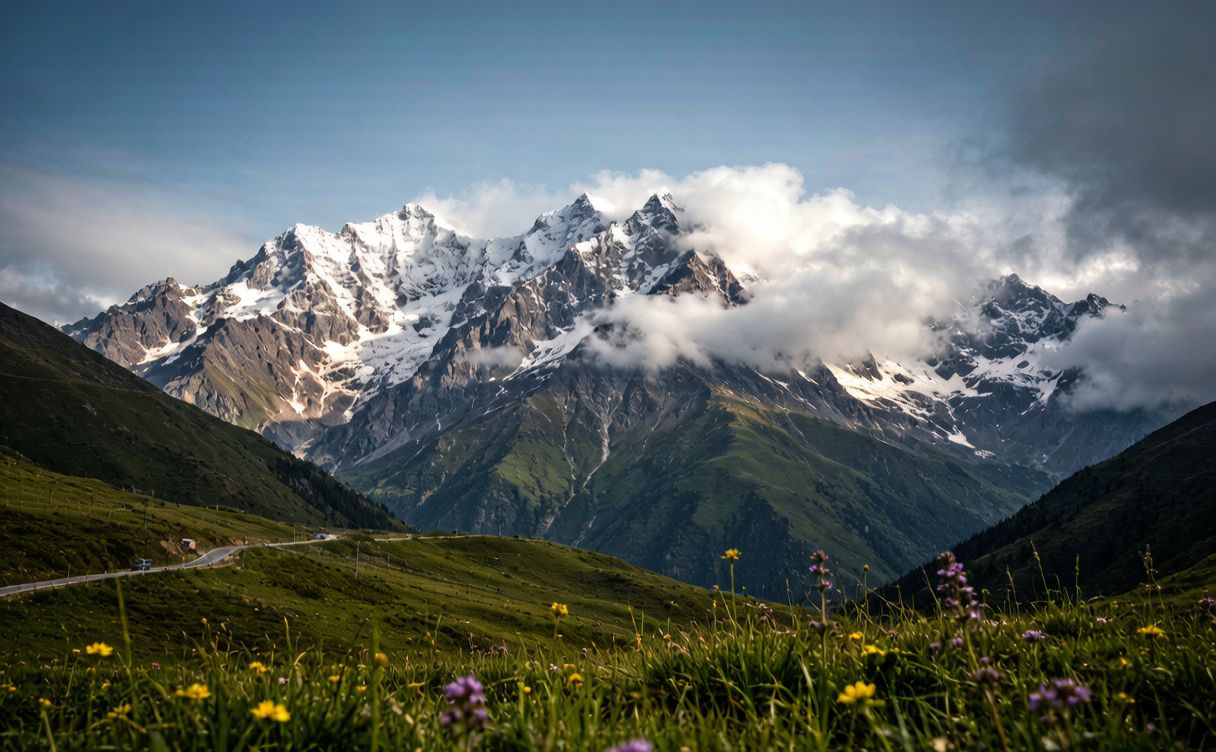
What Exactly Is Mount Siguniang?
Mount Siguniang — or Siguniangshan (四姑娘山) in pinyin — is a massif in Aba Prefecture, Sichuan, about 200 km northwest of Chengdu. The name translates literally to “Four Girls Mountain,” and the legend behind it is the kind of thing that makes the drive worthwhile: four sisters who turned to stone to protect their village from a flood demon. The tallest, Mount Yaomei (also spelled Yaomeifeng), stands at 6,250 meters and is the second-highest peak in Sichuan. The four summits, from gentlest to fiercest, are Dajian (5,355 m), Erjian (5,454 m), Sanjian (5,664 m), and Yaomei.
For travelers, though, Mount Siguniang means more than the peaks. The protected area wraps three separate valleys — Shuangqiao, Changping, and Haizi — each with its own personality. You don’t need crampons to enjoy any of them. You need a sense of scale and, honestly, a decent rain jacket.
Getting There From Chengdu
This is the easy part, and I say that as someone who once missed a train connection in Chongqing. From Chengdu’s Chadianzi or Xinnanmen bus station, direct coaches run to Rilong Town at the valley entrance — roughly four to five hours, depending on traffic and how many times the bus stops for noodles. Cost is around ¥70–90. I always grab the early departure; the road climbs through the Balang Mountain pass (4,483 m), and if you leave at dawn you’ll catch the sea of clouds spilling over the ridge.
Prefer control? Hire a car with a driver. I did this on my second trip, and splitting the cost between four people was barely more than the bus. The downside is you’ll want a driver comfortable with mountain switchbacks — mine sang karaoke to stay awake, which I choose to remember fondly.
If Chengdu is your launchpad, pair this with a few days in the capital first. My go-to primer is the Chengdu pandas and city guide, and the broader Chengdu travel guide covers where to sleep and eat before you head uphill.
The Three Valleys: Pick Your Adventure
Shuangqiao Valley (双桥沟) — Easiest and Most Polished
This is the sightseeing valley. A shuttle bus loops through it, so you can hop off at viewpoints without breaking a sweat. Boardwalk trails, Tibetan watchtowers, and a hanging bridge over a glacial stream make it the obvious choice if you’re short on time or traveling with kids or older relatives. I sent my parents here while I went hiking elsewhere, and they came back more impressed than I was — which stung, slightly.
Changping Valley (长坪沟) — My Favorite Walk
Changping is where Mount Siguniang earned its spot on my personal bucket list. The trail follows a river through larch and birch forest, then opens into alpine meadow with the peaks dead ahead. I hiked about 10 km in and back on a crisp October morning, and the only other souls I met were a yak herder and his very judgmental dog. There’s a Buddhist nunnery partway in where you can pause for butter tea. Bring cash; the donation box doesn’t take WeChat.
Haizi Valley (海子沟) — For the Fit and the Brave
“Haizi” means lake, and this valley threads past high alpine tarns toward the base of Mount Yaomei. There’s no shuttle here — it’s a proper hike, and the altitude bites. On my attempt I turned back at the first big lake, lungs protesting at 3,800 m, thoroughly humbled by a 60-year-old local woman who passed me like I was standing still. She was carrying a sack of potatoes. I have thought about her often.
Climbing vs. Sightseeing: Know Which You Are
Here’s the honest split. Most foreign visitors treat Mount Siguniang as a sightseeing destination, and that’s completely legitimate — the valleys alone are worth the trip. But Mount Siguniang is also a genuine mountaineering hub. Dajian, the lowest sister, is a “trekking peak” that fit hikers can summit with a guide in a long day; the higher sisters are technical climbs needing ropes, ice axes, and permits.
I am firmly in the sightseeing camp, and I’m not ashamed. If you’re tempted by Dajian, book through a licensed outfit in Rilong and budget extra days for acclimatization. The mountain weather here turns on a dime — I watched a bluebird morning become a whiteout blizzard in under an hour, and that was in the valley, not on the summit.
Altitude: Respect the Sisters
The Mount Siguniang base at Rilong sits around 3,200 m. That’s high enough to remind you your body is mostly water and wishful thinking. My advice, learned the hard way after a headache that felt like a marching band:
- Spend a night in Chengdu (500 m) before ascending, or at least a night in Rilong before hiking high.
- Hydrate like it’s your job. The dry mountain air dehydrates you faster than you’d guess.
- Move slow the first day. “Pace yourself” is not a suggestion here.
- Skip the alcohol on night one. The yak-butter liquor is tempting; your skull will disagree by 3 a.m.
If you feel dizzy, nauseous, or breathless at rest, descend — don’t push through. The mountains will wait.
Best Season to Visit
Timing is everything, and Mount Siguniang rewards the patient. April to May brings wildflowers across the meadows and melting snow on the peaks — my favorite light for photos. October is the famous window: the larches turn gold, the skies clear, and the four sisters stand razor-sharp against autumn blue. It’s also the busiest, so book lodging early.
Winter (December–February) is brutally cold but stunningly empty, with ice-waterfalls and zero crowds — best for photographers who don’t mind frozen fingers. Summer is green and lush but rainy, with afternoon thunderstorms that can wash out trails. For a full-country timing overview, see the best time to visit China guide.
Where to Stay and What to Eat
Rilong Town is the base for Mount Siguniang, and it’s grown up fast — you’ll find everything from backpacker guesthouses to surprisingly decent hotels. I stay at a family-run place where the owner memorized my coffee order by day two. Book ahead in October; rooms vanish.
Food is hearty Tibetan-Sichuan fare: yak meat hotpot, momos (dumplings), and noodles that stick to your ribs. Vegetarians do fine with vegetable hotpot and the endless pickled greens. After a cold day on the trail, that hotpot hits differently — I’ve genuinely considered the four-hour bus ride back just for the meal.
Make It Part of a Bigger Sichuan Trip
Mount Siguniang pairs beautifully with other Sichuan icons. The Daocheng Yading guide covers another set of sacred snow peaks further west if you want to go deeper into alpine Sichuan, and Jiuzhaigou and Huanglong are the famous turquoise-lake parks a few hours north. If trekking is your true love, my China hiking and treks guide maps out the country’s best walks, Siguniang very much included.
A Few Practical Notes
- Tickets: Buy at the Rilong visitor center; valley entry plus shuttle runs roughly ¥150–200 depending on the valley. Carry your passport — it’s checked.
- Cash: Small guesthouses and the nunnery donate box want paper money. See my guide to paying in China as a foreigner if you’re worried about going cashless.
- Connectivity: Download offline maps; signal thins out past the pass.
For official, up-to-date park info and seasonal alerts, the Sichuan Tourism Administration is the authoritative source I check before every trip.
Final Word
Mount Siguniang isn’t the easiest place in China to reach, and that’s precisely the point. Four hours from a megacity, you can stand in a glacial valley and look up at 6,000-meter sisters who’ve been standing there a lot longer than any of us. Whether you stroll Shuangqiao or gasp your way up Haizi, the “Four Girls Mountain” delivers the rare thing every traveler chases: a view that makes your phone feel inadequate and your lungs feel alive.
I’ll be back for a fourth time. The potatoes-carrying legend probably still laps me — but I’m okay with that.
Frequently Asked Questions about Mount Siguniang
Is mount siguniang worth visiting?
Yes — mount siguniang rewards travelers who plan ahead. Time your trip for the shoulder season to avoid crowds and secure better rates, and book key tickets or permits in advance.
When is the best time to visit mount siguniang?
The most comfortable window depends on the region’s climate; spring and autumn generally offer mild weather and clearer access, while summer brings festivals and winter its own scenery. Check current opening status before you go.
How many days do I need for mount siguniang?
For most visitors, 2–4 days covers the highlights without rushing, leaving room for a day trip or a slower pace if you prefer photography and local food.
For more ideas, see our Siguniang Mountain Guide guide.