

A shanxi merchant mansion is more than a grand old house. These sprawling courtyard estates were built by the merchant families who grew rich along the trade routes of northern China during the Qing dynasty. The compounds are famous for their symmetry, their carved wood and stone, and the quiet sense of wealth earned through caravans of tea, salt, and silk. This guide walks you through the best known estates, how to reach them, and what to look for when you visit.
The merchant houses of Shanxi are sometimes called the northern answer to the garden villas of the south. Where the southern estates favor water and softness, the shanxi merchant mansion favors wall, courtyard, and order. The result is a style that feels both defensive and elegant. Thick grey brick walls enclose a world of inner gardens, ancestral halls, and brightly painted beam work.
Why Visit a Shanxi Merchant Mansion
The appeal is easy to explain. Walk through a single gateway and you step from a plain village street into a carefully planned universe. Each courtyard leads to the next, with kitchens, studies, guest rooms, and family shrines arranged by strict hierarchy. The richest compounds contain hundreds of rooms and dozens of separate yards.
For travelers who enjoy history, architecture, or simply a good photograph, a shanxi merchant mansion delivers all three. You will see brick carvings of opera scenes, stone screens that block bad fortune, and wooden lattices so fine they look like lace. The scale alone is impressive.
The Qiao Family Compound
The Qiao Family Compound is the most famous shanxi merchant mansion and the one most visitors see first. Located near Qi County, it was the home of the Qiao clan, a family that made its fortune in goods transport and finance. The compound is built on a character shape, with six large courtyards and nineteen smaller ones, linked by covered walkways.
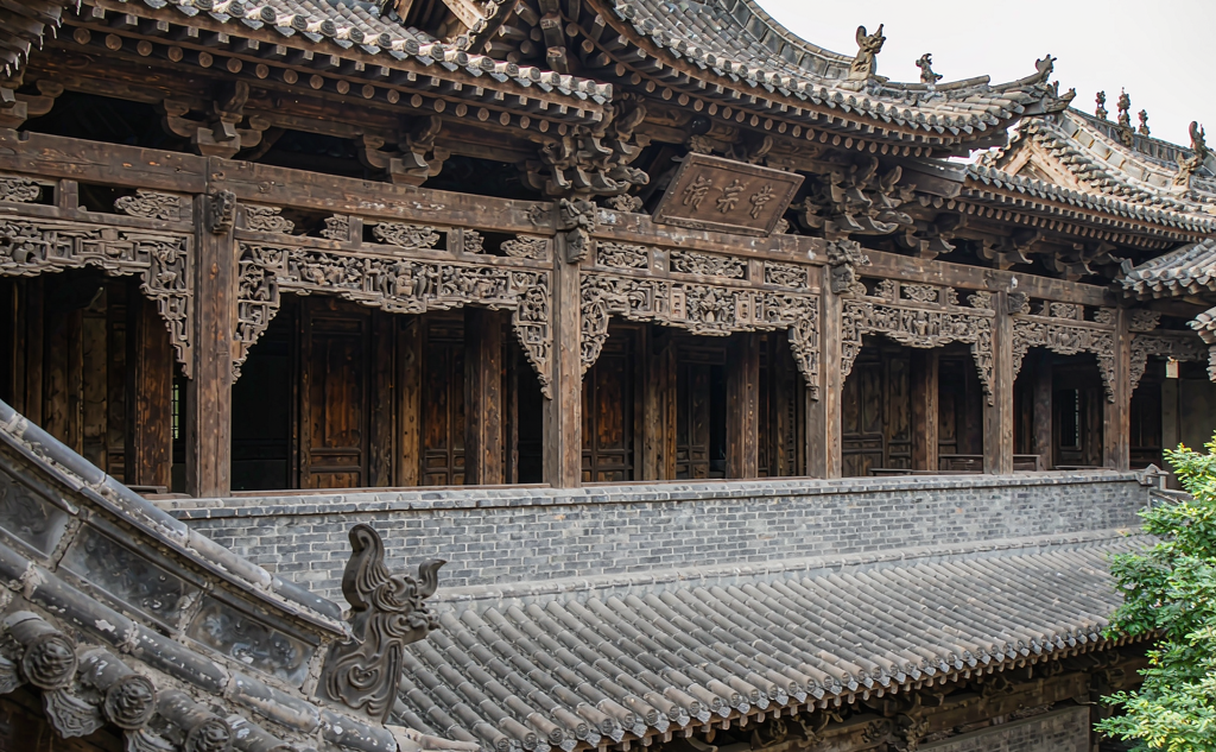
What makes the Qiao estate special is its preservation. The carved decorations survive in remarkable detail. Look up at the eaves and you will find entire operas told in wood. The museum inside also displays old furniture, sedan chairs, and the kind of everyday objects that bring the merchant life into focus.
A useful shanxi merchant mansion tip is to arrive early. The Qiao compound draws large crowds, especially on weekends and holidays. Morning light also flatters the brickwork and makes photography easier.
The Wang Family Compound in Lingshi
If the Qiao estate is the celebrity, the Wang Family Compound is the giant. Set in Lingshi County, this shanxi merchant mansion is far larger, with a layout said to resemble a fort. The Wang clan rose through trade and official service, and their home reflects both money and status.
The Wang compound spreads across a hillside, organized into defensive courtyards and watchtower-like structures. Visitors often describe it as a small walled town rather than a house. The carvings here are denser and more varied than at Qiao, with whole walls given over to relief panels of plants, animals, and moral sayings.
A practical shanxi merchant mansion guide note: give yourself at least half a day at Wang. The site is big enough that many travelers tire before seeing the best rooms. Wear comfortable shoes and follow the marked route so you do not miss the high viewpoint that overlooks the whole estate.
The Cao and Qu Family Compounds
Two further estates reward the curious traveler. The Cao Family Compound, also near Qi County, is known for its carved gateways and its collection of old business records. It offers a quieter, more personal look at how a merchant family actually ran its trade.
The Qu Family Compound shows a different branch of the same culture, with refined detailing and fewer crowds. Neither is as large as Qiao or Wang, but both help complete the picture of what a shanxi merchant mansion meant to the families who built it.
How to Get There
Most visitors approach the estates from one of two bases. Pingyao, the preserved Ming and Qing trading town, is the closest hub. From Pingyao you can hire a car or join a day tour that reaches the Qiao and Wang compounds in a single loop. Taiyuan, the provincial capital, has the nearest major airport and high-speed rail station, and makes a good starting point if you want more services.
The Qiao Family Compound sits roughly between Taiyuan and Pingyao, so it fits naturally into a transfer day. The Wang compound is farther south near Lingshi, often paired with a stop in Pingyao itself. Buses run from both cities, though a private driver saves time and removes the guesswork of rural schedules.
If you are building a longer China trip, these northern heritage sites pair well with other routes. Our Yunnan Lijiang Dali Itinerary shows how old towns and minority culture come together in the southwest, while our Chengdu Mount Emei Guide covers Sichuan’s mix of city and sacred mountain. For a slower pace, our Hangzhou Longjing Tea Village Guide explains the tea-country side of the country.
Best Time to Visit
Spring and autumn are the best seasons for a shanxi merchant mansion trip. April through May brings mild weather and fewer tour groups than summer. September through October is crisp and clear, with good light for photography. Winter is cold but quiet, and the compounds look striking under thin snow, though some outlying rooms may close.
Summer is workable but hot and busy. A simple shanxi merchant mansion tip is to check the local festival calendar, since certain dates bring special performances inside the estates.
Architecture Highlights to Look For
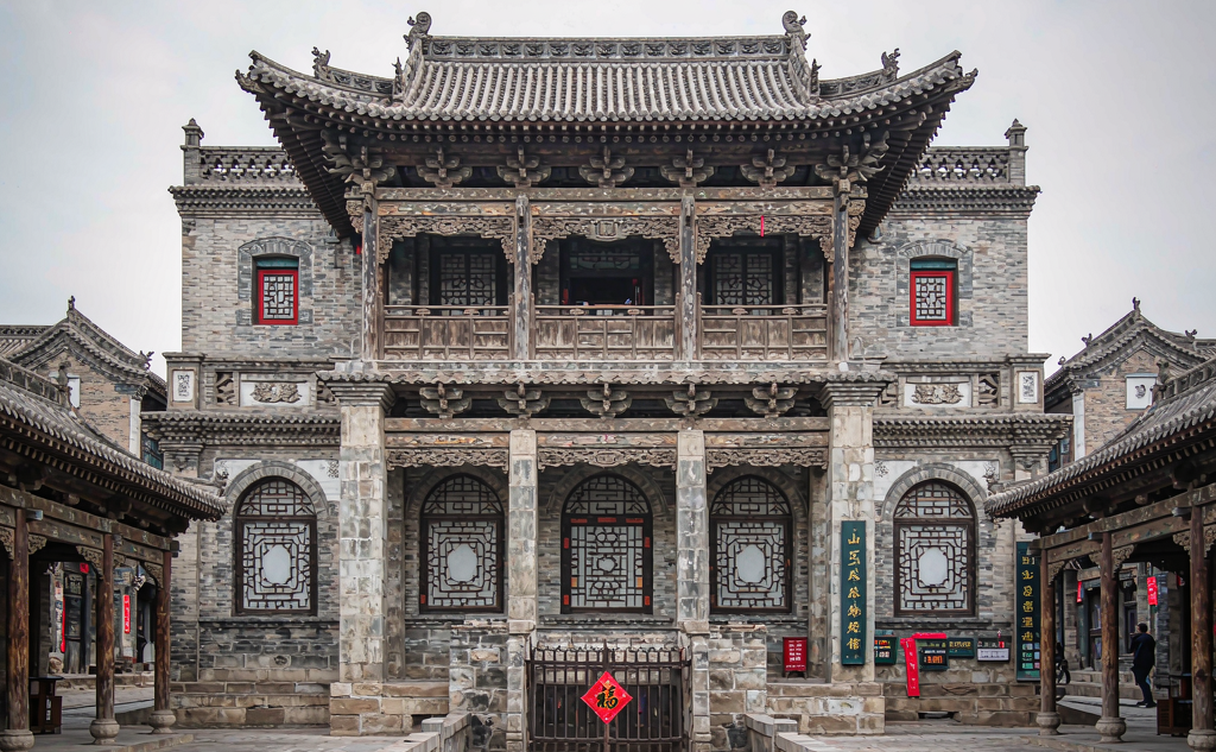
Every shanxi merchant mansion shares a set of features worth knowing before you go. The main gate often faces south, following traditional orientation rules. Inside, a spirit screen blocks the straight line from street to courtyard, a detail with both feng shui and privacy purposes.
The timber frames carry the most decoration. Painted beams, carved brackets, and lattice windows show scenes from folklore and history. Brick carving appears on gate piers and wall tops, while stone carving shows up in basins, rails, and threshold stones. Taken together, these elements turn each estate into a three-dimensional textbook of Qing craft.
The defensive side is impossible to miss. High walls, few outward windows, and guarded entries reflect a time when wealth needed protection. The Wang compound in particular reads almost like a fortress, a reminder that merchants traveled dangerous roads to earn their fortunes.
For readers who want deeper background, the Wikipedia entry on the Qiao Family Compound gives a useful overview of its history and layout.
Cultural Tips for Visitors
A few habits will make your visit smoother. Dress modestly when entering ancestral halls, and speak quietly near family shrines. Hiring a local guide at the gate is worthwhile because the symbolism of the carvings is easy to miss on your own.
Photography is allowed in most courtyards, but flash may be restricted near old paintings. Carry water and a hat in summer, and note that food options inside the estates are limited, so eat before you enter or plan a meal in the nearby town.
Another shanxi merchant mansion tip: buy tickets online where possible to skip the main queue, and keep some cash for small stalls that do not take cards. The estates sit in rural counties, so connectivity can be patchy.
Planning a Wider Trip
The merchant mansions sit comfortably within a broader northern China route that also includes Pingyao, the Yungang caves, and the provincial capital. If you prefer the south, our Guangxi 7-Day Itinerary and Kunming Travel Guide offer karst landscapes and warm weather escapes. Wherever you go, the lesson of the shanxi merchant mansion stays with you: wealth was once measured in courtyards, not skyscrapers.
The estates are a reminder of a trade era that linked northern China to the wider world through tea and horses. Standing in a quiet inner yard, with painted beams overhead and brick walls around you, it is easy to imagine the caravans setting out at dawn. That blend of scale, craft, and story is exactly why a shanxi merchant mansion deserves a place on your China list.