

The Jinggang Mountains in Jiangxi are where China’s revolutionary history and wild mountain scenery meet. Known across the country as the cradle of the Chinese revolution, this forested range in the west of Jiangxi province was the site of the first rural revolutionary base, and today it draws travelers for both its red tourism heritage and its cool, green peaks. If you want a trip that combines easy hiking, revolutionary museums, and misty ridgelines without the crowds of more famous peaks, the Jinggang Mountains are a smart choice. This Jinggang Mountains guide covers how to get there, what to see, where to hike, and how to pair the trip with the rest of Jiangxi.
Why Visit the Jinggang Mountains
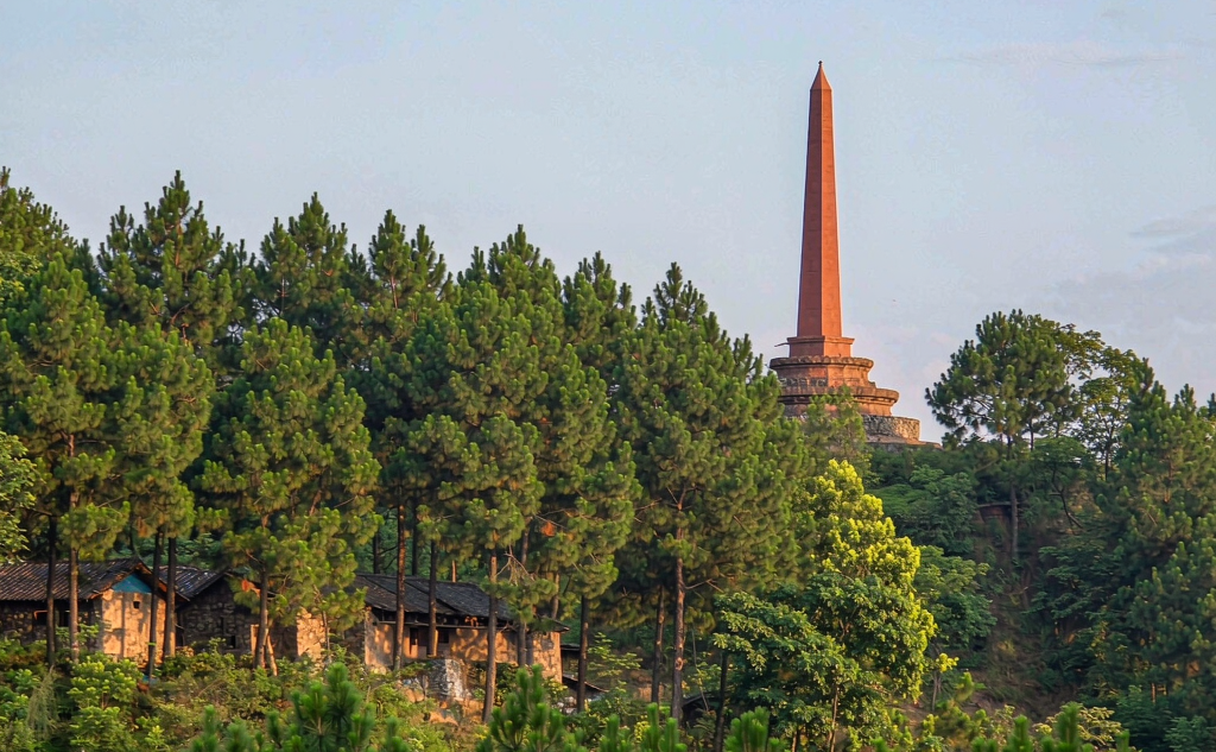
Most visitors come for two reasons: history and nature. Unlike destinations that lean entirely on one attraction, the Jinggang Mountains give you a full day of museums and monuments followed by a full day of fresh air and ridgeline views, all inside a single compact park. The combination means the trip works for curious travelers who are not necessarily history buffs, and for families who want variety rather than a single long museum visit. The mountains preserve a cluster of revolutionary sites, monuments, and former headquarters that tell the story of the early base area. At the same time, the range itself is a protected scenic zone with waterfalls, pine forests, and lookouts over rolling ridges. Because the area sits at a moderate elevation, summers stay cooler than the surrounding lowlands, which makes it a popular escape from the heat of the Yangtze River cities.
For travelers building a longer Jiangxi route, the mountains fit neatly between the province’s cultural highlights. You can read our broader Jinggang Mountain guide for deeper background, or combine the trip with a 7-day Jiangxi itinerary that also takes in porcelain and mountain scenery.
How to Get to Jinggangshan
The gateway town is Jinggangshan City, which has its own airport with flights from major hubs, and a high-speed rail station that connects through Ji’an and Nanchang. From Nanchang, the provincial capital, the rail journey is comfortable and scenic, passing through the red-soil hills that define central Jiangxi. From the station or airport, shuttle buses and taxis run up into the scenic area. If you are already touring Jiangxi by train, the rail link makes the mountains an easy add-on rather than a detour.
Within the park, a scenic shuttle bus connects the main viewing areas, so you do not need a private car to see the highlights. Roads wind through the hills, and the drive itself is part of the experience, with sudden views opening over the valleys.
Top Things to See
Ciping: The Heart of the Base Area
Ciping is the central hub of the revolutionary base and the most convenient place to stay. The town sits in a small basin surrounded by hills, and its layout makes it easy to walk between the memorial square, the exhibition halls, and the riverside promenade in an afternoon. Here you will find the former headquarters, memorial halls, and statues that explain the early history. The museums are well laid out and labeled in English at the key exhibits, which makes the story accessible even if you arrive knowing little about the period.
Five-Finger Peak (Wuzhifeng)
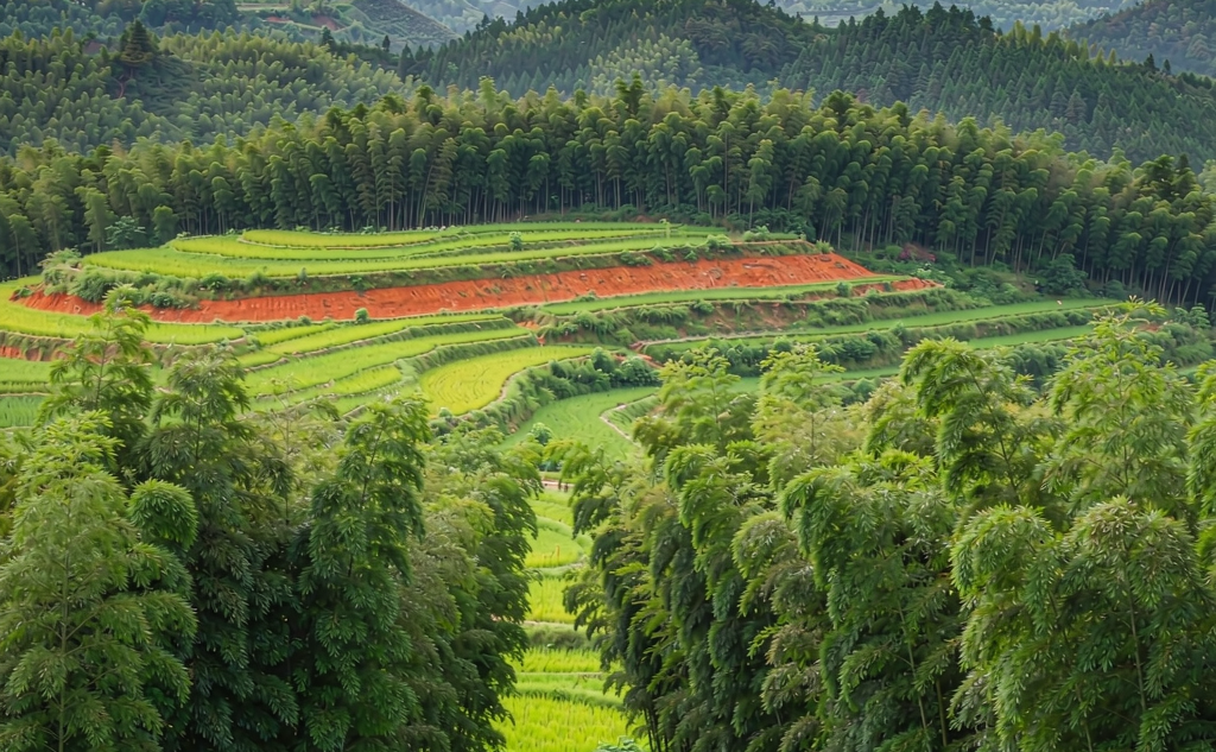
This is the highest and most dramatic section of the range, with a ridgeline that locals say resembles five fingers. Boardwalks and viewing platforms let you look out over deep forest and, on clear mornings, a sea of clouds. It is the best spot for photography and the quietest part of the park.
Dragon-Patterned Well and Waterfalls
A series of cascades and pools sit in a lush gorge, reached by a gentle trail. The walk is shaded and relaxing, a good half-day option if you want nature without a strenuous climb.
Huangyangjie Pass
The mountain pass is one of the most celebrated viewpoints and a key historical site. From the ridge you can see the layered hills stretch toward the horizon, and the old fortifications give a sense of how the terrain shaped the area’s past.
Jinggang Mountains Hiking
Hiking here is approachable rather than extreme. Most trails are well maintained, with stone steps and railings on the steeper sections. A good plan is to take the shuttle to the trailheads and walk down or across the ridges at your own pace. The Five-Finger Peak loop and the Dragon-Patterned Well gorge are the two most rewarding walks.
Because the elevation is modest, the risk of altitude sickness is negligible, but mornings can be damp and misty, so bring a light rain shell and grippy shoes. If you want a guided experience, local guides at the visitor center can be hired by the half day and add a lot of context to the sites. The trails are also well signed, so confident independent walkers can explore without a guide and simply pause at the marked viewpoints. Either way, start early: the light is best before midday, and the lower-angle sun turns the sea of clouds a soft gold along the ridges.
Where to Stay and What to Eat
Most visitors base themselves in Ciping, where hotels range from simple guesthouses to comfortable resorts. Staying in town puts you within walking distance of the main museums and the shuttle bus station. Book ahead during the peak summer and National Day periods, when domestic red tourism Jiangxi trips fill the rooms.
Food in the area leans into Jiangxi’s bold, spicy, and sour flavors. Try local mountain vegetables, bamboo shoots, and river fish, and wash them down with the region’s dark tea. For a fuller picture of the province’s food culture, see our Jiangxi Gan cuisine guide before you go.
Pairing Jinggang Mountains with Nearby Highlights
A well-rounded Jiangxi trip often pairs the mountains with two other stops. To the north, Lushan Mountain guide covers another famous range with its own cooler climate and literary history. To the northeast, a Jingdezhen travel guide or a deeper China porcelain Jingdezhen guide shows you the kilns that supplied porcelain to the world for centuries. Together, mountains, revolution, and porcelain make a compact, varied province itinerary.
For broader historical context on the area’s significance, the Jinggangshan entry on Wikipedia is a useful reference.
Best Time to Visit
Spring and autumn are the most pleasant seasons, with mild temperatures and clearer skies. Summer brings the most visitors but also the coolest escape from city heat. Winter is quiet and can be cold, with occasional frost on the peaks, which suits travelers who prefer solitude and lower prices.
Plan a Jiangxi route with our 7-day Jiangxi itinerary and pair the mountains with a Jingdezhen porcelain trip.
Practical Tips
- Buy your scenic-area ticket in advance online to skip the peak-season queue at the gate.
- The shuttle bus pass is included with most tickets and is the easiest way to move between sites.
- Carry cash for small vendors, though mobile payment works at most hotels and restaurants.
- Allow at least two full days to see both the historical sites and one good hike.
- Dress in layers; mountain weather shifts quickly between sun and drizzle.
- Download offline maps before you arrive, as mobile signal can drop on the higher ridges.
- Respect the memorial sites; some halls ask for quiet and do not permit flash photography.
Want the full historical background before you travel? Read our detailed Jinggang Mountain guide and build the rest of your trip with the Jiangxi Gan cuisine guide.
FAQ
How many days do I need for the Jinggang Mountains?
Two full days covers the main museums and one or two hikes comfortably. Add a third day if you want to explore Five-Finger Peak slowly.
Is the Jinggangshan Jiangxi area suitable for families?
Yes. Trails are well maintained, the shuttle bus reduces walking, and the museums offer an easy introduction to the region’s story for older children.
When is the best season for red tourism Jiangxi trips?
Spring and autumn offer the best weather. Summer is busiest because of school holidays and the cooler mountain air.
Do I need a guide for the revolutionary sites?
No, but a local guide greatly improves the experience by adding stories behind the monuments and exhibits.
Combine cool peaks and revolutionary history by adding Jinggangshan to a wider plan with our Lushan Mountain guide and a Jingdezhen travel guide.