For more than a thousand years, the name Jingdezhen has been tied to the finest porcelain made anywhere in the world. If you are planning a trip built around this China porcelain Jingdezhen guide, you are heading to the one town where imperial kilns once fired wares for the emperor and where today you can still watch potters throw clay on a spinning wheel. The city sits in Jiangxi province, about five hours by high speed train from Shanghai, and it rewards visitors who like hands on culture more than sightseeing from a bus window.
The story of Jingdezhen begins in the Han dynasty, but the town earned its imperial status in the Song dynasty when Emperor Zhenzong gave it his reign name, Jingde, in the year 1004. From that point the best kilns supplied the royal court. The look most people recognize as Chinese porcelain, the blue and white underglaze painting, reached its height here in the Yuan and Ming dynasties. A China ceramics travel guide would be incomplete without explaining why this place won out over rivals: local kaolin clay is unusually pure and white, the hills provided pine wood for fuel, and the Chang River carried finished wares to the Yangtze and then the world.
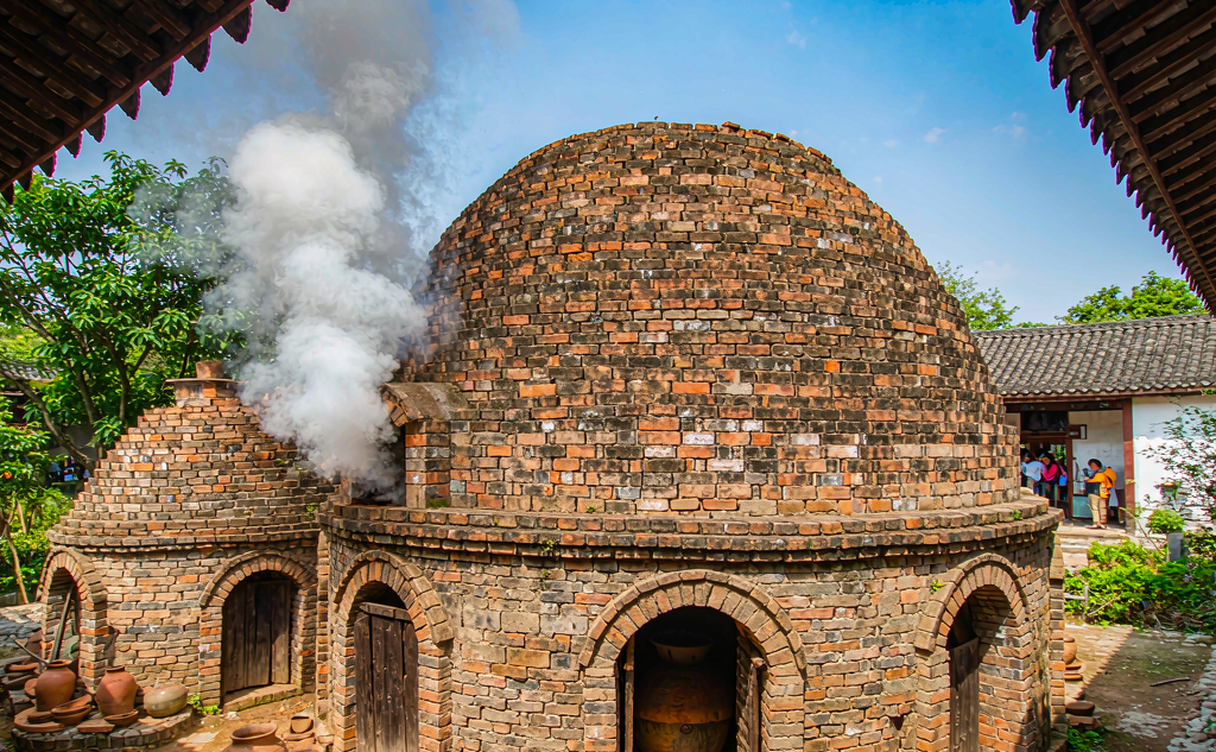
When you arrive, start at the Jingdezhen Ceramic History Museum, an open air site where reconstructed ancient kilns sit among scholar trees. You can see a dragon kiln, a long sloping brick tunnel that could fire thousands of pieces at once, and a horseshoe shaped kiln used for smaller batches. Guides explain how temperature was read by eye and how glazes were mixed from local minerals. This is the best single stop for understanding Jingdezhen kiln history before you wander the working districts.
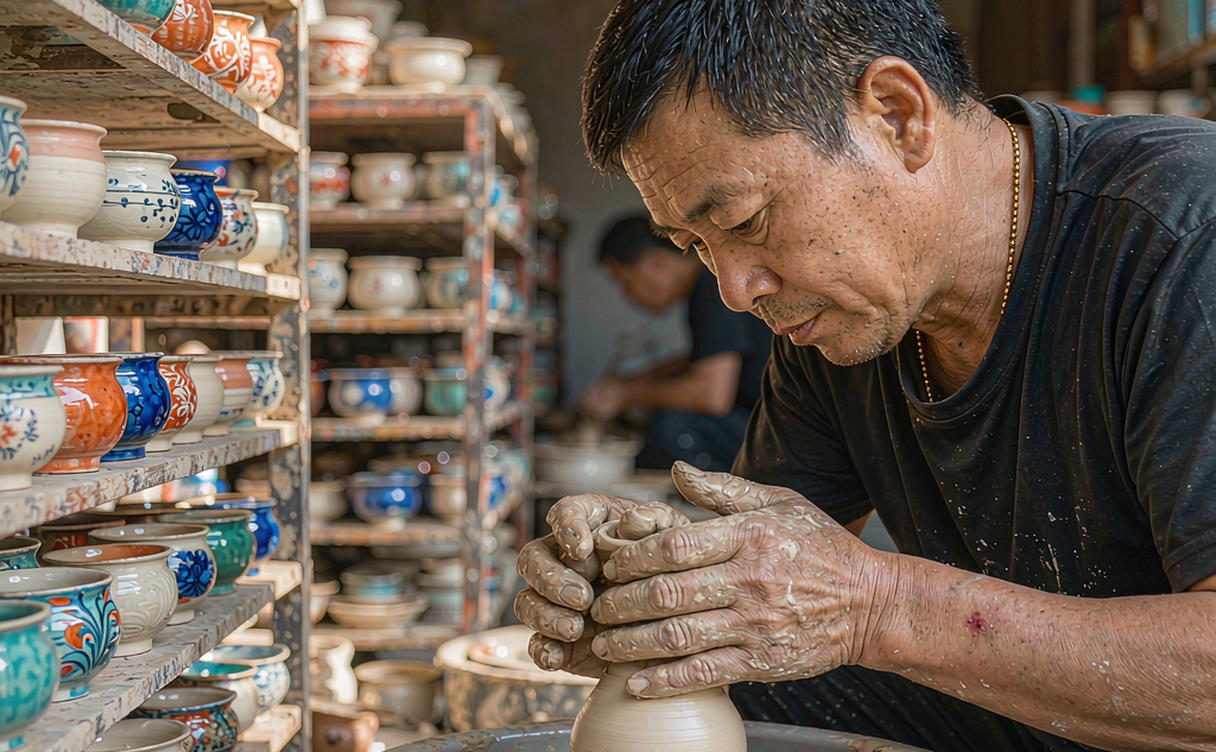
The Sanbao International Ceramic Art Village is where the modern craft scene lives. Chinese and foreign artists rent studios in converted farmhouses about twenty minutes from the city center. You can book a China pottery workshop tips session here and make a small cup on a wheel, then have it glazed and shipped home weeks later. Classes range from a one hour try it session to multi day courses. Bring clothes you do not mind getting muddy, and ask whether your piece will be bisque fired before shipping because raw clay will not survive the post.
For shopping, the morning pottery market near the Imperial Kiln Museum draws collectors and dealers every Saturday. Small bowls, cracked glaze tea sets, and experimental sculptures sell for a fraction of gallery prices. If you want honest advice on where to buy porcelain in China without overpaying, arrive early, compare three stalls, and remember that a perfect looking five dollar vase is almost certainly a factory cast rather than hand thrown. The Taoxichuan Creative Market on weekend evenings is the place for design led pieces by young ceramic graduates, with live music and food stalls.
A Jingdezhen porcelain tour pairs well with nearby cities. Many travelers combine it with a stop in Hangzhou, where the provincial museum holds imperial collections, or finish in Shanghai to ship larger purchases home. Our China shopping and souvenirs guide covers customs rules for taking ceramics across borders, which matters if you buy fragile items. You can also read the Hangzhou travel guide for museum stops that show how collectors displayed these wares.
Food in Jingdezhen is spicy Jiangxi style, heavier on chili than neighboring provinces. Try cold noodles with dried radish for breakfast and clay pot fish for dinner. The city is small enough to walk or use cheap ride apps, and most studios accept mobile payment only, so set up a payment app before you come. Hotels near the Imperial Kiln Museum put you within walking distance of the main sites, while staying out by Sanbao gives a quieter, studio immersed experience.
Plan at least two full days. One for museums and the imperial kiln ruins, one for a workshop and the markets. If you are serious about a China ceramics travel guide experience, add a third day to visit nearby Fuliang county, where the ancient porcelain tax office and the surrounding tea fields show how the industry connected to the wider economy. Fuliang also has the red brick Yaoli ancient town, a good half day walk through Ming era lanes.
The best seasons are spring and autumn. Summer is hot and humid, and winter is cold and damp inside unheated studios. Mandarin helps but many studio owners speak basic English, and translation apps work well for bargaining. Book workshops in advance during national holidays, when domestic tourists fill the town.
It is worth knowing how Jingdezhen fits among China’s other ceramic regions. Yixing in Jiangsu makes unglazed purple clay teapots rather than porcelain. Dehua in Fujian is famous for white blanc de chine figures. Longquan in Zhejiang produces celadon with a jade like green glaze. Jingdezhen remains the broadest, deepest center, which is why a China porcelain Jingdezhen guide is the natural starting point for any ceramics focused trip.
UNESCO lists the traditional craftsmanship of making Jingdezhen handmade porcelain as intangible cultural heritage, and you can read the entry at ich.unesco.org to understand the techniques recognized worldwide. Seeing those techniques performed live, by a maker who learned them as an apprentice, is the real prize of the visit.
What should you actually buy? For first timers, a small blue and white tea cup or a crackle glaze bowl is portable and meaningful. Serious buyers look for artists who sign and date their work, and who can explain their glaze recipes. Avoid the temptation to carry heavy boxes as cabin luggage; most studios arrange foam packed courier shipping for a reasonable fee, and broken pieces are far more common in suitcases than in proper crates.
If your time is short, focus on three things: the Imperial Kiln Museum for history, a two hour wheel class for participation, and the Saturday market for shopping. That trio gives you the full arc from imperial past to living craft to the objects you can take home. Travelers who skip the workshop miss the part that makes Jingdezhen stick in memory.
Getting to Jingdezhen is easier than its remote reputation suggests. High speed trains run from Shanghai, Hangzhou, and Nanchang, and the station is a short taxi from the studio districts. Flights arrive from a few major cities, though the train is usually simpler and lets you watch the countryside shift from flat rice land to the low hills that supplied the clay. Once in town, rent a bike for the flat routes between museums, or use ride apps for the uphill trip out to Sanbao.
A note on language and money helps first timers. Most makers price in the local market rhythm, where a long conversation about glaze is part of the sale rather than a hard pitch. Mobile payment covers almost everything, but a translation app smooths the rare cash only stall. If you plan to ship pieces home, ask the studio for a packing quote in writing before you commit, because courier fees vary and fragile insurance is worth the small extra cost.
Time your visit to a festival if you can. The Jingdezhen ceramic fairs in spring and autumn bring makers from across Asia, and the streets fill with pop up exhibitions you will not find listed on general travel sites. Even without a fair, the evening Taoxichuan market runs most weekends and is the best low pressure place to meet graduates who may later become the names worth collecting. Treat a first visit as reconnaissance; many travelers return a second time with a clearer sense of which makers they trust.
Know what to skip as well as what to buy. Mass produced figurines painted with printed transfers are everywhere near the tourist gates, and they are not the hand made porcelain the town is known for. If a piece looks flawless and costs almost nothing, it was almost certainly cast in a factory outside the city. The interesting work has small irregularities, a maker’s mark, and a story you can verify by watching it being made.