

Deep beneath the scorching deserts of Turpan, Xinjiang, China, runs an ancient network of hand-dug tunnels that has kept an entire oasis alive for more than two thousand years. The Karez Wells are a remarkable underground canal system that channels snowmelt from the distant Tianshan Mountains to farms and villages without losing a drop to evaporation. Often called the “underground Great Wall of China,” this irrigation marvel let the people of Turpan grow grapes, melons, and cotton in one of the driest places on Earth. Visiting the Karez Museum in Turpan lets you walk through a real section of these cool, dim tunnels and see exactly how the water travels. If you are planning a trip to western China, the Karez Wells should sit near the top of your Turpan itinerary.
What Are the Karez Wells?
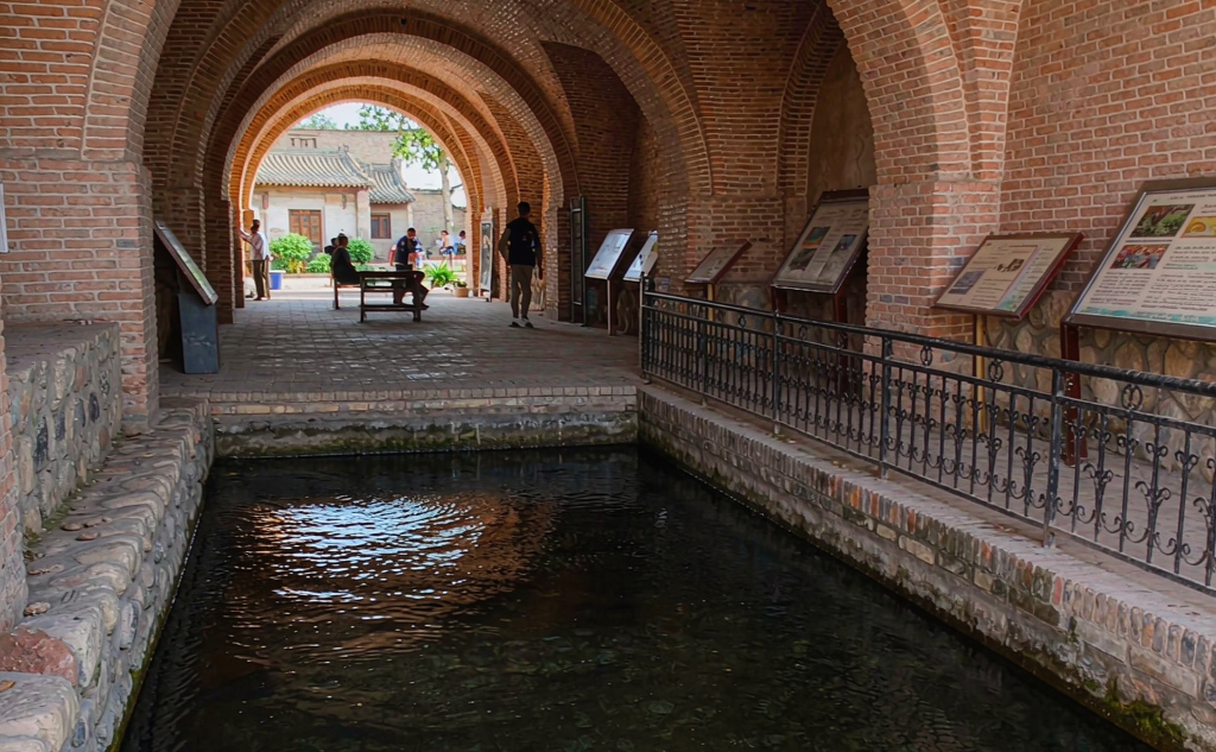
The word “karez” (also spelled “kariz”) describes a horizontal groundwater collection system common across arid regions from China to the Middle East. In Turpan, Xinjiang, China, the system works with simple but brilliant logic. Snow and ice melt high in the Tianshan Mountains, soak into the ground, and flow slowly downhill beneath the desert. Instead of building open canals that would lose most of their water to the fierce summer sun, local engineers dug a gently sloping tunnel just below the water table. Vertical shafts were sunk every twenty to thirty meters to provide air, remove excavated soil, and allow maintenance. The result is a covered aqueduct that can stretch for many kilometers while keeping the water cool and hidden.
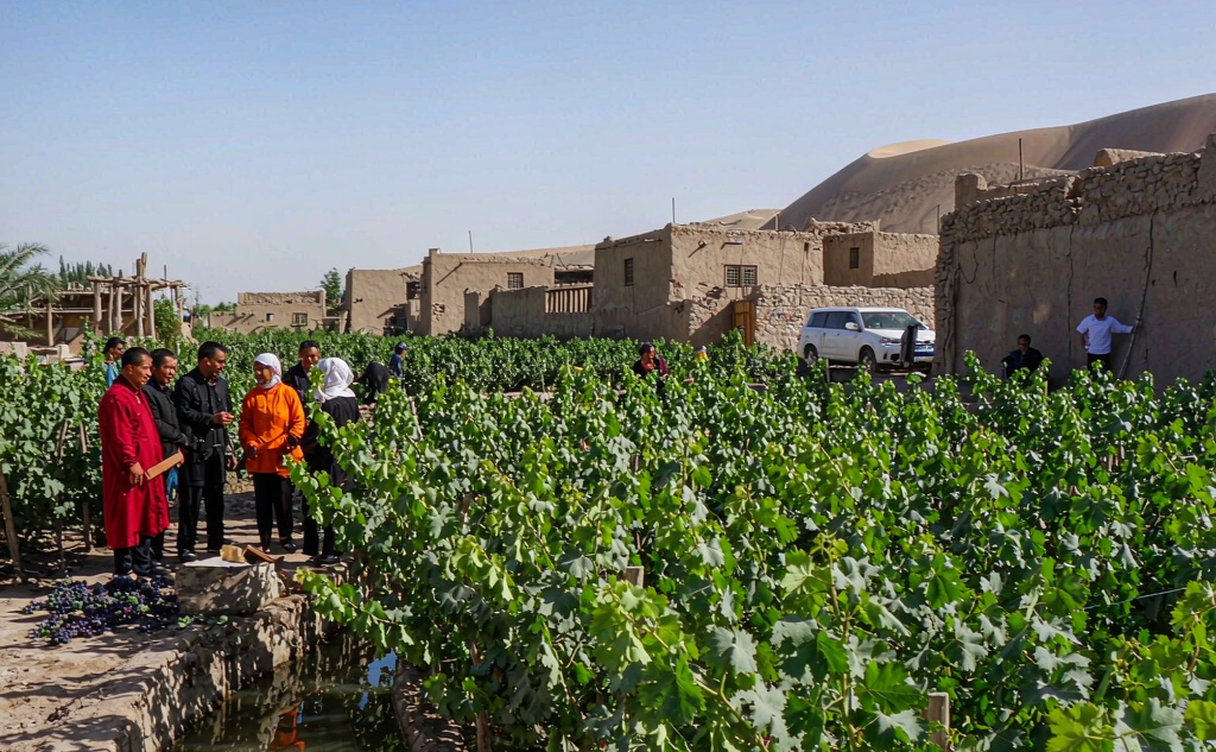
At its peak, the Turpan basin held more than a thousand separate karez systems with a combined length greater than five thousand kilometers. Many still function today, supplying fields of the famous Turpan seedless grapes. UNESCO has recognized the broader irrigation heritage of the region, and you can read more about the engineering tradition on the Wikipedia page for karez. The Karez Wells museum and demonstration site in the city lets travelers experience the system up close without venturing far from town.
Why Turpan Needs an Underground Canal
Turpan is the lowest and one of the hottest places in China. The land sits below sea level in spots, and summer temperatures regularly climb past 40 degrees Celsius. Rainfall is minimal, often under twenty millimeters a year, yet the area is lush with vineyards. The contradiction is solved entirely by the Karez Wells. Surface rivers from the mountains evaporate or sink into gravel long before reaching the fields. By moving water underground, the karez delivers a steady supply straight to the roots of the crops.
This is also why a Xinjiang, China oasis like Turpan could flourish on the old Silk Road while surrounded by barren desert. The same water that fed caravans and monasteries now fills modern irrigation ditches. Understanding the karez changes how you see the whole landscape: every green patch is a quiet victory over the climate, a reminder that human ingenuity shaped this region long before modern pumps arrived.
How to Get to Karez Wells
The easiest way to visit is from the city center of Turpan, Xinjiang, China. The Karez Folk Customs Park and museum sit within the urban area, roughly a ten to fifteen minute drive from most hotels. Taxis and ride-hailing apps cover the short distance cheaply, and many half-day city tours include the site alongside the nearby bazaar and mosque. If you arrive by train, the Turpan North railway station connects to Urumqi and other Xinjiang hubs, and from there a taxi completes the trip.
Travelers building a longer Xinjiang route often pair Turpan with the stunning lakes and villages farther north. Our Kanas Lake Xinjiang guide and the Hemu Village Xinjiang article describe those highland destinations, while the Tianchi Heavenly Lake Xinjiang page covers a beautiful mountain lake near Urumqi. Each makes a strong addition to a regional trip.
For a complete picture of timing your visit, see our best time to visit Xinjiang guide, which explains how seasonal temperatures affect desert and mountain stops alike.
Best Time to Visit Turpan
Spring and autumn are the most comfortable seasons. From April to early June and again from September to October, daytime heat is manageable and the light is excellent for photography. Summer brings intense heat that some travelers actually enjoy for the drama of standing in a cool underground tunnel while the desert above bakes. Winter is quiet and very cold but offers low prices and empty paths.
Grape harvest season in late summer and early autumn is especially rewarding, when local markets overflow with fruit and the vine-drying frames stand heavy with crop. If your schedule is flexible, aim for September, when temperatures ease but the harvest atmosphere remains. A good Karez Wells Turpan guide will always point you toward early autumn for the best combination of weather and local color.
What to Expect at the Site
The Karez Wells attraction is part museum, part living waterway. Above ground you will find exhibits on the history and construction of the system, models showing how the shafts connect, and sometimes demonstrations of traditional tools. Below ground, a preserved tunnel section is open to walk through; the temperature drops sharply as you descend, a welcome relief from the heat. Wooden walkways and lighting make the channel easy to follow, and bilingual signs explain each stage of the water’s journey.
Plan about one to two hours for a relaxed visit. The site is flat and accessible, suitable for most fitness levels, though the underground passage can feel enclosed for those uneasy in tight spaces. Combine it with the nearby Emin Minaret or the bustling bazaar for a full morning of local culture. The Karez Xinjiang China irrigation story becomes far more real once you have felt the cool air of the tunnel on your skin.
Karez Travel Tips
- Wear light, breathable clothing and a hat for the above-ground parts, but bring a layer for the cool tunnel.
- Carry water; even short desert walks dehydrate quickly in this climate.
- Visit early in the day to avoid crowds and the harshest sun on the surface.
- Pair the karez with other Turpan highlights such as the [Gaochang Ruins guide](https://www.chinatravelplaces.com/gaochang-ruins-guide/) for an ancient Silk Road city experience.
- Stay overnight using our [Turpan hotel guide](https://www.chinatravelplaces.com/best-hotels-in-turpan/) to explore the area at a relaxed pace.
Frequently Asked Questions
How old are the Karez Wells? Most historians date the Turpan karez systems to more than two thousand years ago, with major expansion during the Han and Qing periods. The basic technique spread along trade routes across arid Asia.
Are the Karez Wells still used today? Yes. While modern pumps and pipelines handle much of the region’s water, many karez channels still feed vineyards and orchards around Turpan, Xinjiang, China, keeping old irrigation knowledge alive.
Is the site suitable for children? Generally yes. The walkways are safe and the underground section is a memorable adventure for curious kids, though very small children should be watched on the steps.
Do I need a guide? Not strictly. Signage covers the essentials, but a local guide adds rich detail about construction methods and village life that you might otherwise miss.
The Karez Wells of Turpan stand as one of the cleverest responses to desert life anywhere in the world. They turned a hostile basin into a productive oasis and kept that balance for millennia. For travelers interested in engineering, history, or simply a cool escape from the heat, few stops in western China are as quietly impressive. Add the site to your plans, time it with the harvest if you can, and you will leave with a real understanding of how this Xinjiang, China oasis survives and thrives against the odds.
Plan your Xinjiang, China trip with our Turpan hotel guide and time it with the best season to visit.
Extend your journey north to Kanas Lake in Xinjiang or relax by Heavenly Lake Tianchi after exploring the desert oasis of Turpan.
Discover more Silk Road history with our Gaochang Ruins guide and book a comfortable stay using the best hotels in Turpan.