

Qufu Travel Guide 2026: Confucius’s Hometown and the Heart of Confucianism
Most foreign visitors to China fly in for the Great Wall and the terracotta warriors, and they are right to do so. But if you want to understand the cultural operating system of China, the quiet county-level city of Qufu in Shandong province is where the story truly begins. This is the hometown of Confucius (Kongzi, 551–479 BC), the thinker whose ideas shaped Chinese family life, government, and education for more than two thousand years. I have walked these courtyards more times than I can count, and each visit reveals something new about how modern China still lives with its ancient philosophy.
Is Qufu worth visiting?
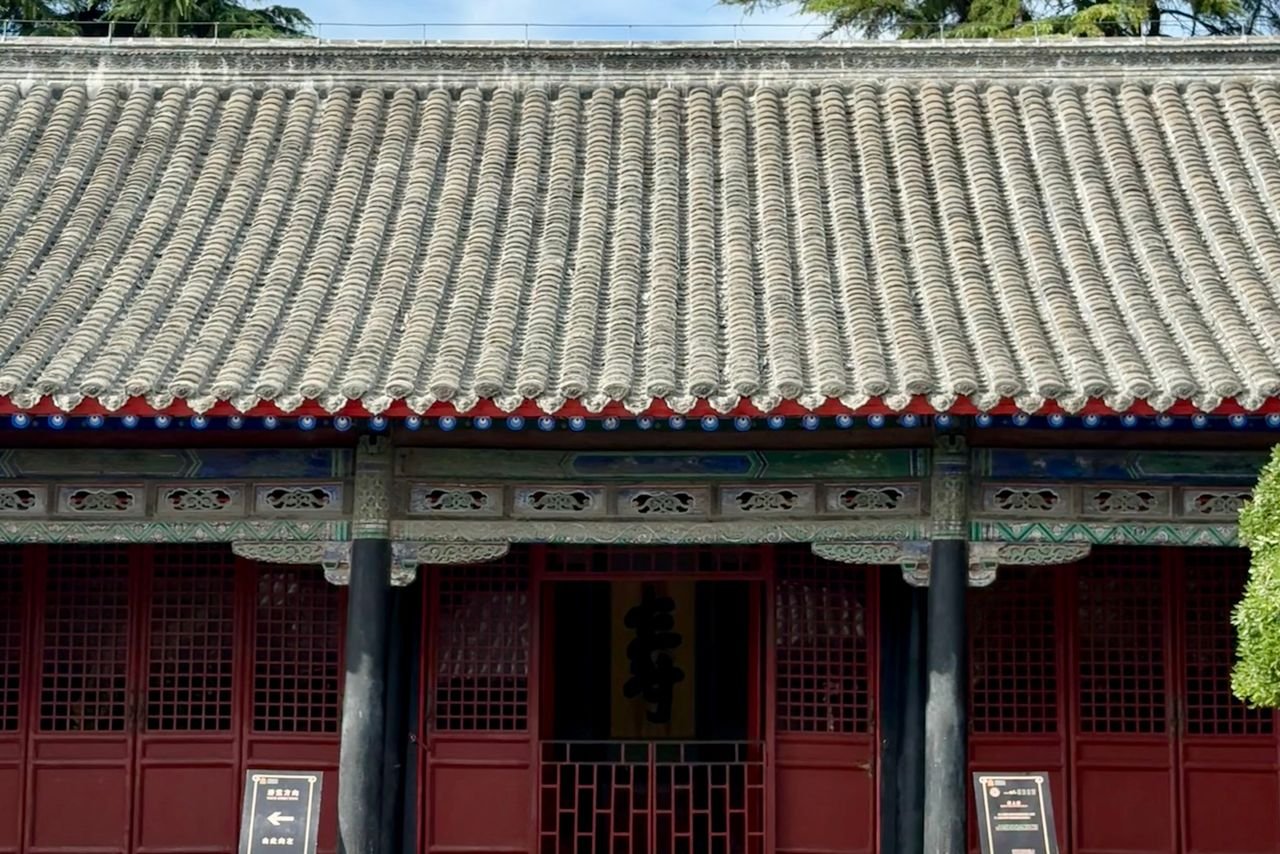
Yes, absolutely, but with the right expectations. Qufu is not a place for nightlife, shopping malls, or adrenaline. It is a place for slow, thoughtful travel. The entire city is built around the memory of one family and one teacher. The Confucius Temple, the Confucius Family Mansion, and the Cemetery of Confucius together form a single UNESCO-listed Confucius sites World Heritage property, and they are among the most important historical buildings in all of China. If you are interested in history, philosophy, architecture, or simply want to stand somewhere that has been a place of pilgrimage for twenty-five centuries, Qufu rewards you deeply. It also makes a perfect half-day break on the high-speed line between Beijing and Shanghai, which I explain below.
What is Qufu famous for?
Qufu is famous as the birthplace and lifelong home of Confucius, and as the ancestral seat of the Kong family, his descendants, who guarded his legacy for generation after generation. The city is known for what locals call the “Three Confucian Sites” (San Kong): the Confucius Temple (Kong Miao), the Confucius Family Mansion (Kong Fu), and the Cemetery of Confucius (Kong Lin). Beyond these, Qufu is recognized for its well-preserved Ming and Qing dynasty city layout, its ancient trees, and its role as the center of Confucian ritual and study. If you enjoy China’s temple routes, Qufu is the secular-philosophical counterpart to the Buddhist monasteries you may have visited elsewhere.
How many days do you need in Qufu?
One day is enough, and for most travelers a half-day to a full day is ideal. The three main sites sit close together in the compact old town, and you can comfortably see all of them in four to six hours at a relaxed pace. I usually suggest arriving by late morning, visiting the Confucius Temple and Mansion before lunch, eating in the old town, and spending the afternoon at the Cemetery of Confucius before catching an evening train onward. Because Qufu is so easy to reach, it is commonly paired with nearby Tai’an (for China travel for first-timers who climb Mount Tai) or with Jinan, the provincial capital known for its springs. You do not need to build a multi-day base here the way you might in Chengdu or Xi’an.
How do you get to Qufu?
This is the best part for foreign visitors. Qufu East railway station sits directly on the Beijing–Shanghai high-speed line, which is one of the busiest and most comfortable rail corridors in the world. From Beijing it is about 2.5 hours by train. From Jinan, the provincial capital, it is only 30 to 40 minutes. From Shanghai, expect roughly 2.5 to 3 hours. That makes Qufu an almost effortless stop between China’s two flagship cities. I strongly recommend reading our guide to riding China’s high-speed rail before you go, because the booking apps and station etiquette are a little different from what you may be used to at home. You can also learn the broader picture in our article on getting around China by train, plane, and metro.
What are the top things to do in Qufu?
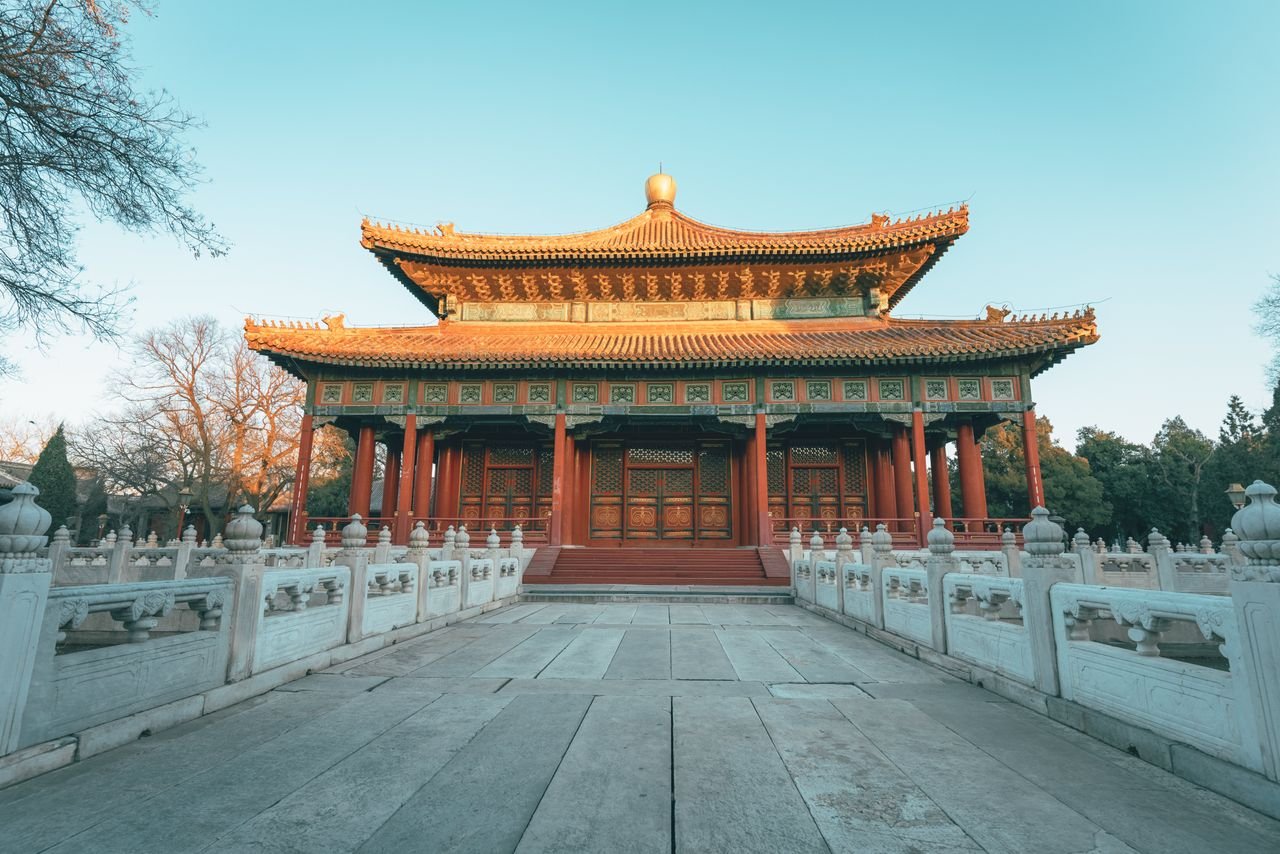
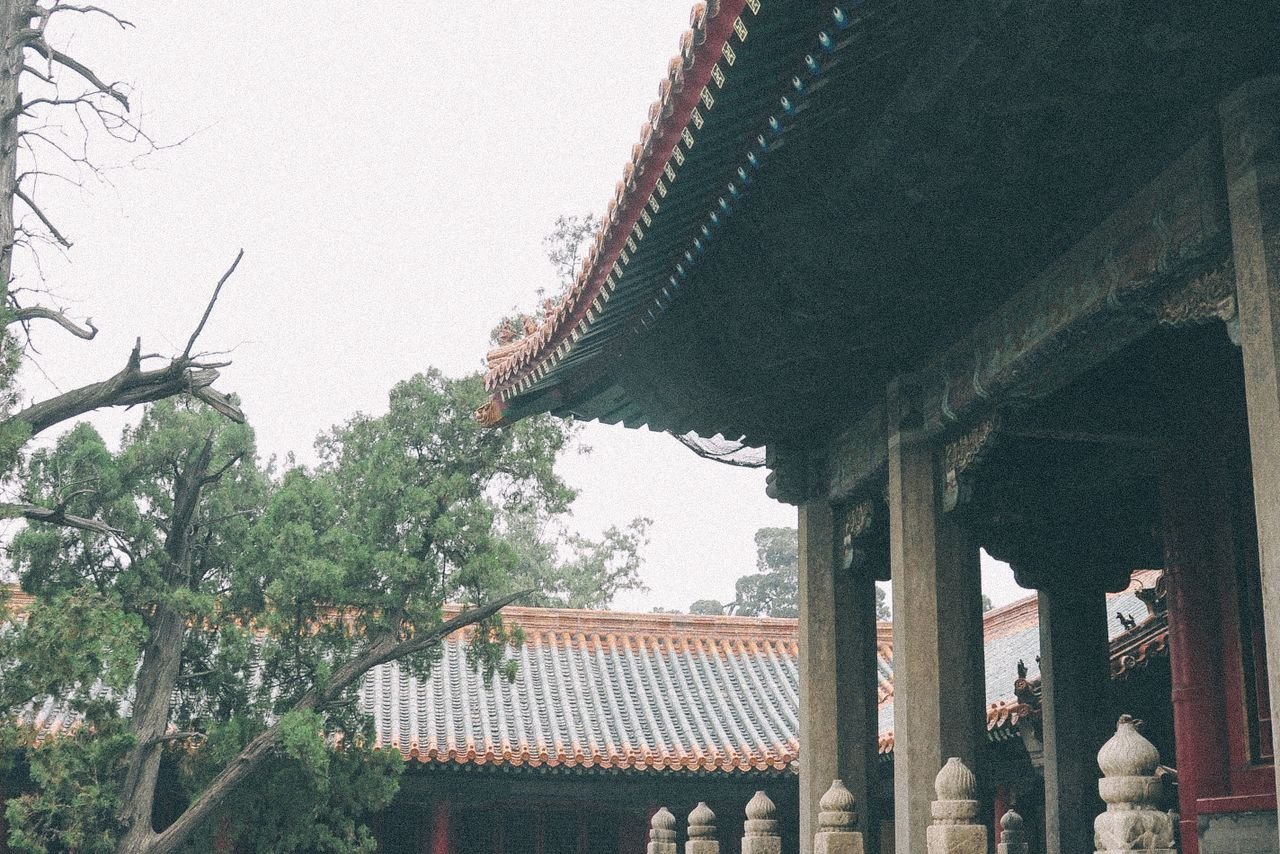
The non-negotiable sights are the Three Confucian Sites. The Confucius Temple is one of the largest and most important temples in China, with hall after hall of soaring ancient trees, carved stone steles, and quiet courtyards where emperors once performed rituals. The Confucius Family Mansion was the residential compound of Confucius’s descendants for generations and gives you a vivid sense of how a powerful scholarly family actually lived. The Cemetery of Confucius is a vast walled forest cemetery where tens of thousands of Kong family graves lie beneath old cypress and pine trees; walking its shaded lanes is genuinely atmospheric. Beyond the three sites, the restored city wall is worth a short stroll, and Mount Ni (Ni Shan), Confucius’s traditional birthplace a short drive out of town, has a striking modern cultural park. If you enjoy museums, our China museum route pairs well with a Qufu stop.
When is the best time to visit Qufu?
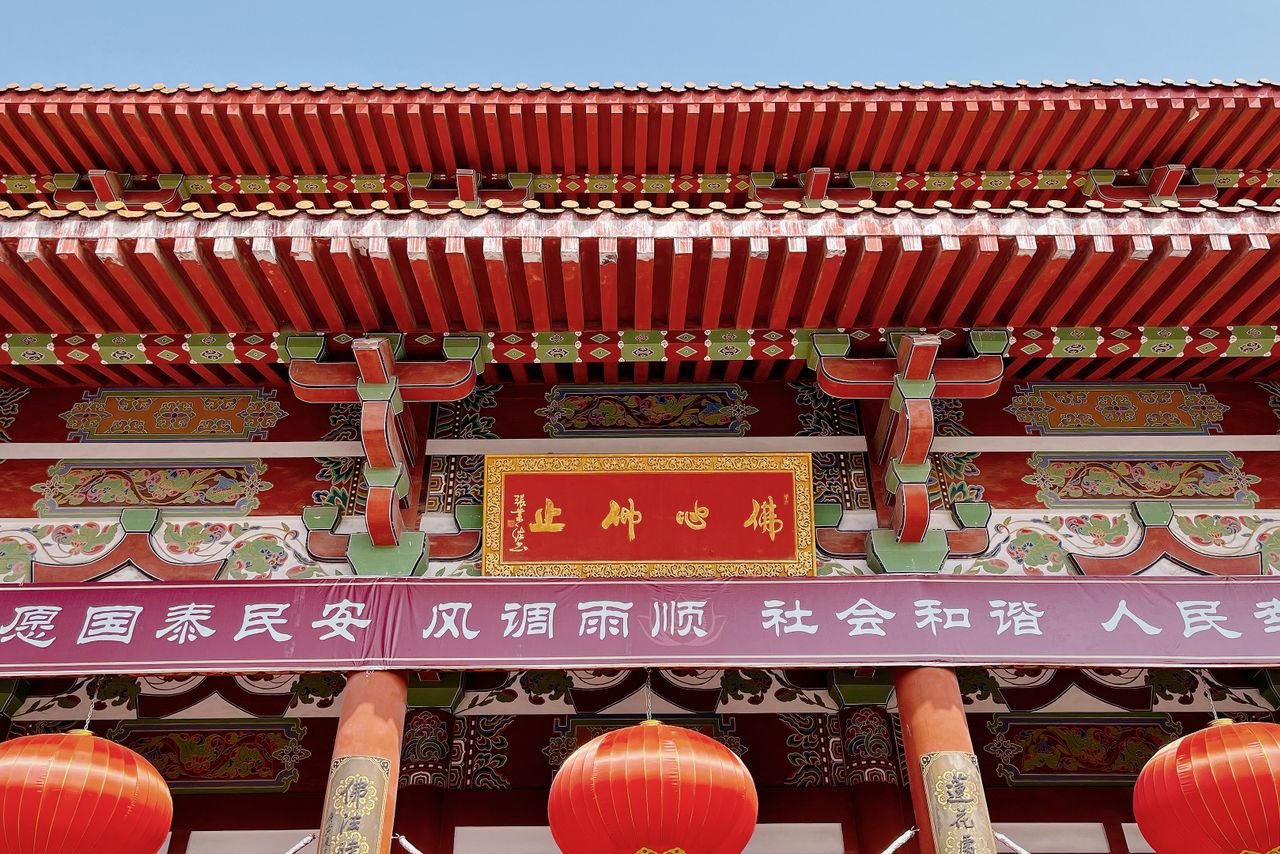
The best seasons are spring (April to May) and autumn (September to October), when the weather is mild and the courtyards are at their most photogenic. The Confucius Cultural Festival is held in late September, and if your dates are flexible, attending around then lets you see traditional music and ritual performances, though it also draws larger domestic crowds. I would avoid the peak summer heat and especially the National Day week in early October, when every heritage site in China swells with domestic tourists. For a wider seasonal overview that covers the whole country, see our guide to the best time to visit China and how to plan around the major holidays.
What is the food like in Qufu?
Qufu sits in Shandong province, the home of Lu cuisine (Lu Cai), which is proudly counted as one of China’s eight great culinary traditions and is known for clear, savory broths, seafood, and refined knife work. The signature experience here is the Kong family banquet (Kong Fu Yan), a set-menu style feast said to draw on the recipes once served to the Confucius household. It is richer and more ceremonial than everyday street food, and it is worth splurging on once. Expect dishes built around local spring onions, freshwater fish, and carefully braised meats. If you are watching your spending, our budget China trip guide has practical tips for eating well without overspending, and the old town has plenty of inexpensive noodle and dumpling shops.
Can I combine Qufu with other places?
Easily, and I encourage it. Qufu is a natural add-on to a Beijing–Shanghai corridor trip, and it links well with Tai’an (Mount Tai), Jinan, and even Qingdao on the coast. If your interests lean toward temples and scholar culture, you might also enjoy Nanjing’s Confucius Temple, which honors the same tradition in a very different southern setting. Because of how central rail is to any Qufu visit, it is worth studying our getting around Chinese cities by metro, bus, ride-hail, and bike-share guide so you know how to move between the station and the old town. And if you want the mountain-and-philosophy combo, the Zhangjiajie travel guide is a different kind of natural spectacle for later in your trip.
What should foreign visitors know about tickets and the 240-hour transit rule?
The Three Confucian Sites are ticketed, and prices have shifted over the years, so treat any number as a rough guide: expect the combined ticket for the three sites to be around ¥140 (roughly US$20), though prices change and you should confirm before you travel. You can buy at the gate or, increasingly, through Chinese booking platforms; our explainer on how to book attraction tickets in China walks you through the process for foreign passport holders. For accommodation, our booking hotels in China guide and our notes on where to stay in Beijing help if Qufu is part of a larger loop. Importantly, Qufu is reachable under China’s 240-hour visa-free transit scheme: if you are in transit through a major Chinese city, read our 144-hour visa-free transit guide to see whether a Qufu detour fits your itinerary. For longer hops, our booking domestic flights in China article covers the air option.
Frequently Asked Questions
Is Qufu worth visiting if I only have time for one ancient city?
If your priority is imperial grandeur, Xi’an or Beijing may beat it, but if you want to understand Chinese values and family culture at their source, Qufu is unmatched and far less crowded than the headline sites. A half-day here is a meaningful addition to almost any Shandong or Beijing–Shanghai trip.
How many days do you need in Qufu?
One day, ideally a half to full day. The three main sites are walkable and close together, so you can see everything without an overnight stay, though an overnight lets you enjoy the old town after the day-trippers leave.
When is the best time to visit Qufu?
April to May and September to October offer the most comfortable weather and the best light for photography. Avoid midsummer heat and the National Day holiday week in early October if you can.
How do I get to Qufu from Beijing or Shanghai?
Take the high-speed train: about 2.5 hours from Beijing and 2.5 to 3 hours from Shanghai, since Qufu East station is on the Beijing–Shanghai line. From Jinan it is just 30 to 40 minutes.
What is the food like in Qufu?
Qufu serves Shandong (Lu) cuisine, one of China’s eight great culinary traditions, and the standout experience is the Kong family banquet, a ceremonial feast rooted in the Confucius household’s own recipes.
Do I need a visa just to visit Qufu?
Not necessarily. Under China’s 240-hour visa-free transit policy, eligible travelers in transit through a qualifying city can include Qufu in their layover plans. Check the rules carefully, because eligibility depends on your nationality and route.
Plan Your Visit
Qufu rewards travelers who arrive with a little context. Before you go, read up on Confucius himself so the temple rituals and family courtyards mean more than pretty roofs. Book your high-speed rail ticket in advance during peak seasons, keep a half to full day free, wear comfortable shoes for the Cemetery of Confucius’s long shaded lanes, and bring a passport, since it is required for ticket purchase and sometimes for entry. Pair Qufu with Tai’an, Jinan, or a Beijing–Shanghai stop, and you will have experienced the philosophical heart of China without adding a complicated leg to your trip. Prices and opening hours shift, so confirm the latest details with official sources before you book, and you will find Qufu one of the calmest, most contemplative stops on your China itinerary.
Because Qufu sits on the Beijing–Shanghai high-speed line, it slips easily into a route that also includes Xi’an and Shanghai — both are covered in our city guides.
About the author: Karl Huang is a China-based travel writer who has spent years researching practical, foreigner-friendly travel across China. This guide reflects on-the-ground experience and is updated for the 2026 season; ticket prices and opening arrangements change, so confirm with official sources before you book.