

Shenzhen Travel Guide 2026: China’s Futuristic Megacity Next to Hong Kong
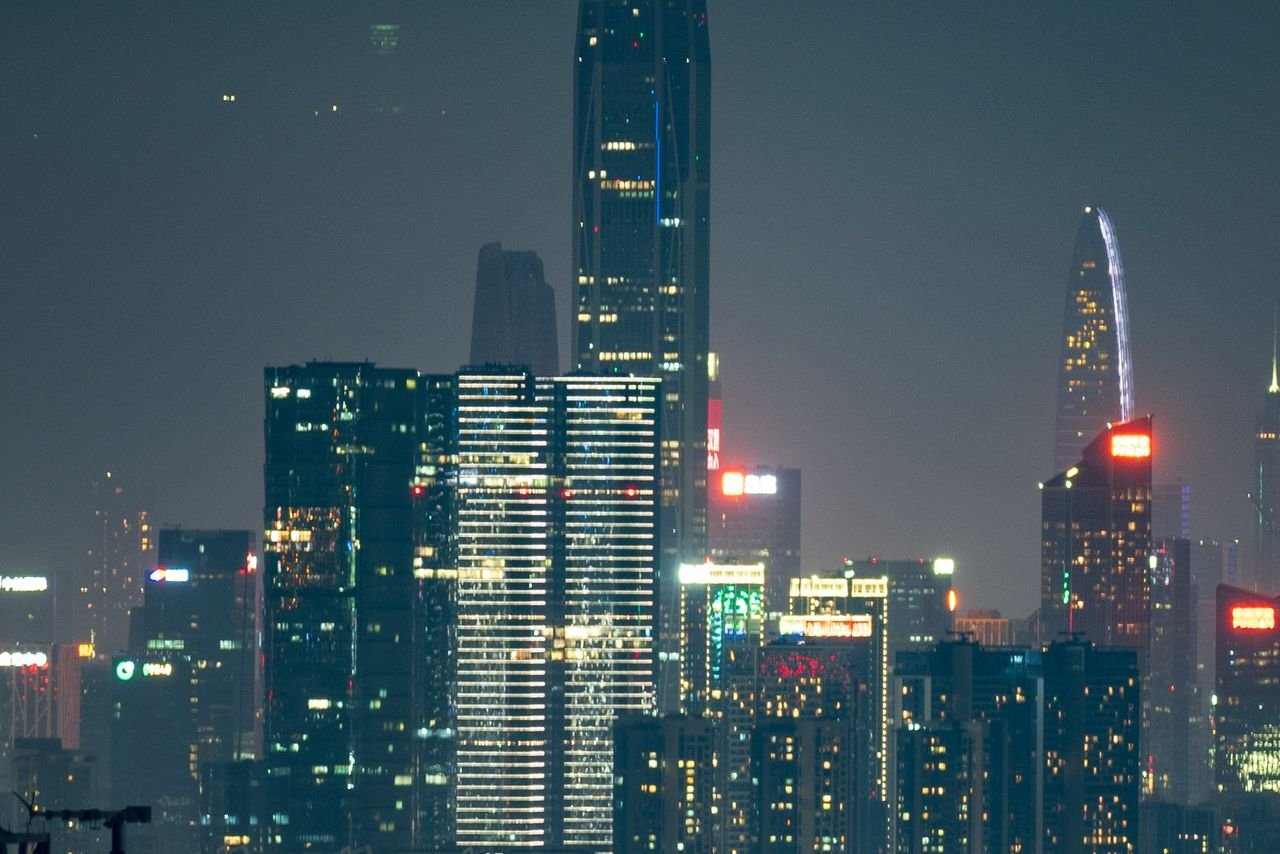
If Beijing is imperial China and Xi’an is ancient China, Shenzhen is future China, and it is one of the most astonishing urban stories on the planet. In 1980 Shenzhen was a small fishing village; today it is a sprawling, ultra-modern megacity in Guangdong province, directly bordering Hong Kong, and a global technology hub that hosts the headquarters of companies like Huawei and Tencent. I have spent plenty of time here, and what never stops surprising me is how new everything feels. The city barely has a “historic old town” to speak of, and that is precisely the point: Shenzhen is where you come to see what China is building next. For foreign visitors, it also happens to be the single easiest mainland city from which to hop over to Hong Kong.
Is Shenzhen worth visiting?
Yes, especially if you are already in the region or you enjoy modern cities, design, and technology. Shenzhen will not give you forbidden palaces or thousand-year-old temples, but it will give you a clean, safe, fast, and genuinely dazzling preview of twenty-first-century urban China. It is also a shopper’s and photographer’s dream, with some of the most polished metro stations, malls, and public spaces in the country. Because it sits right against Hong Kong, many travelers use it as a lower-cost mainland base or as a fascinating day-or-two stop on a broader Guangdong trip. If you are planning a Guangdong itinerary, Shenzhen is almost always one of the anchors.
What is Shenzhen famous for?
Shenzhen is famous for being China’s first Special Economic Zone, created in 1980, which turned it from a fishing village into a symbol of the country’s economic opening. Today it is famous as a tech and manufacturing powerhouse, a design capital, and a city of sheer vertical density. It is the headquarters city for major tech firms, a global center for electronics (the Huaqiangbei market is legendary among hardware enthusiasts), and a place where new skyscrapers seem to appear yearly. The city is also known for its theme parks, its spotless metro, and its role as the mainland gateway to Hong Kong. If you are tracing getting around by Shenzhen metro, you will find it among the easiest systems in China to navigate as a foreigner.
How many days do you need in Shenzhen?
One to two days is the sweet spot. Unlike Beijing or Chengdu, Shenzhen does not demand a week; most of its highlights can be seen in a relaxed day and a half, which leaves room to cross into Hong Kong or continue to Guangzhou. I usually suggest one full day for the skyline, a theme park, and an evening stroll, plus an optional second day for beaches, the creative districts, or a Hong Kong side trip. Because the city pairs so naturally with its neighbors, it fits neatly into a regional plan rather than standing alone. For the bigger picture of moving between Chinese cities, our getting around China guide is a good companion read.
How do you get to Shenzhen?
Shenzhen is exceptionally well connected. Bao’an International Airport (SZX) handles domestic and some international flights, and you can learn the domestic side in our booking domestic flights in China guide. By high-speed rail, Guangzhou is only about 30 minutes away and Hong Kong’s West Kowloon station is roughly 15 minutes away via the cross-boundary Express Rail Link, which means you can have dim sum in one city and dinner in the other on the same day. The Shenzhen metro even extends to the border crossing points with Hong Kong, so the two cities function almost like one connected metro area. If you are new to Chinese trains, our riding China’s high-speed rail article explains ticketing and station procedure in plain terms.
What are the top things to do in Shenzhen?
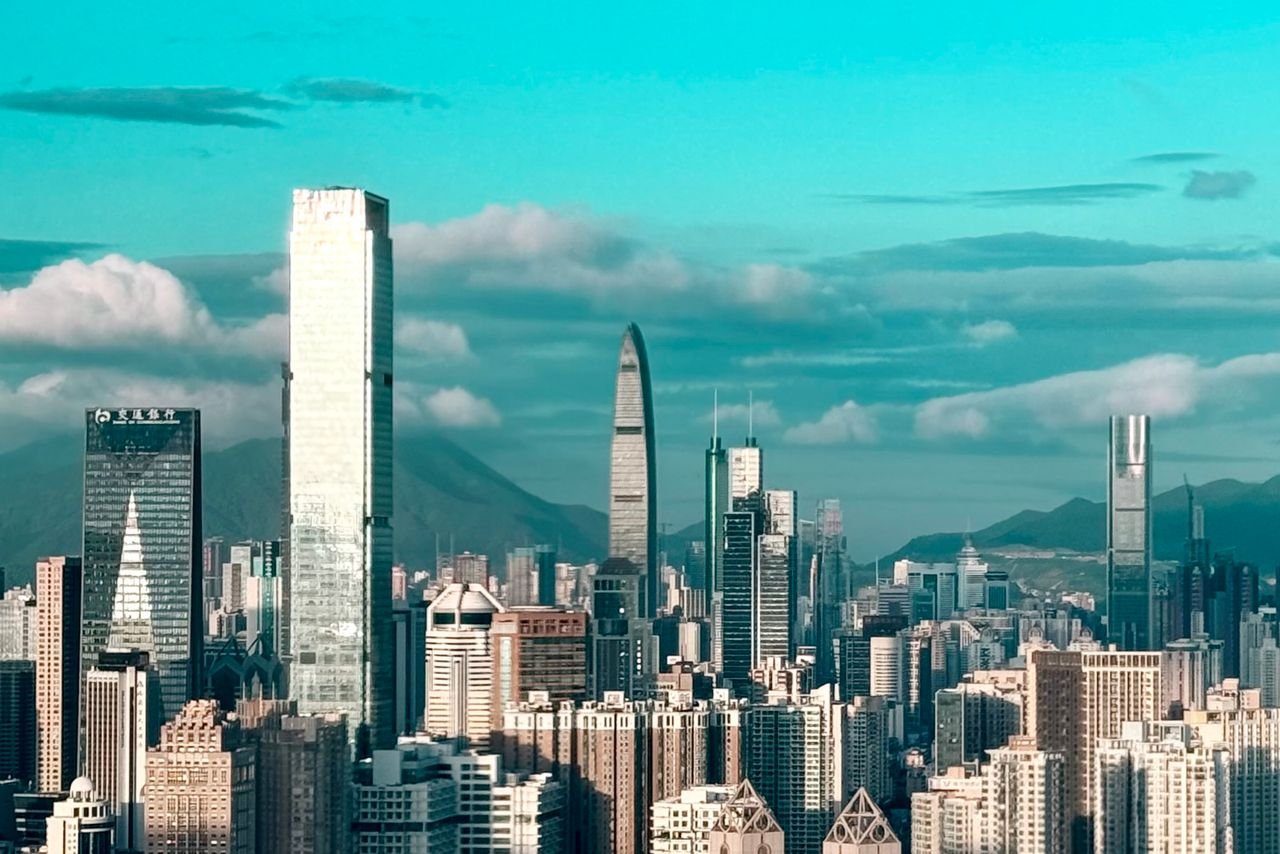
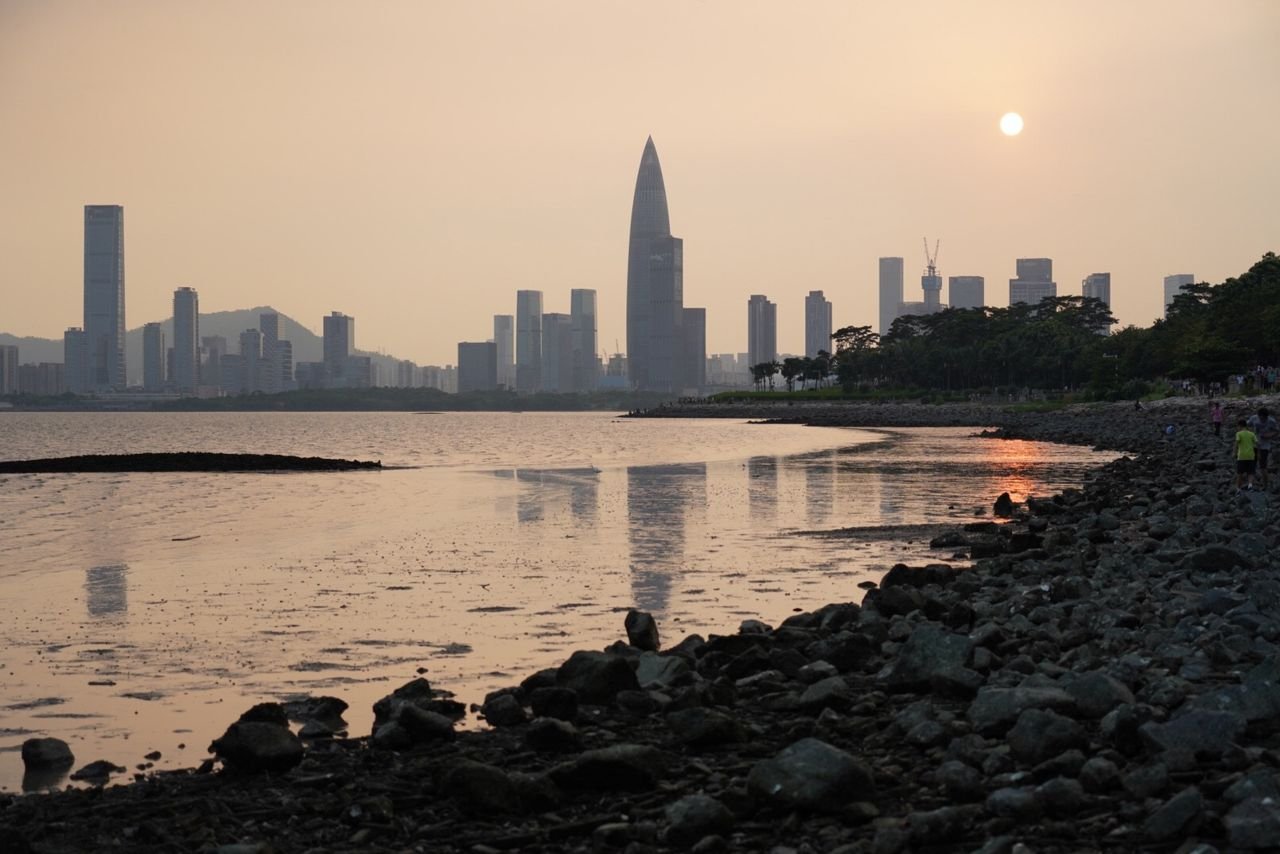
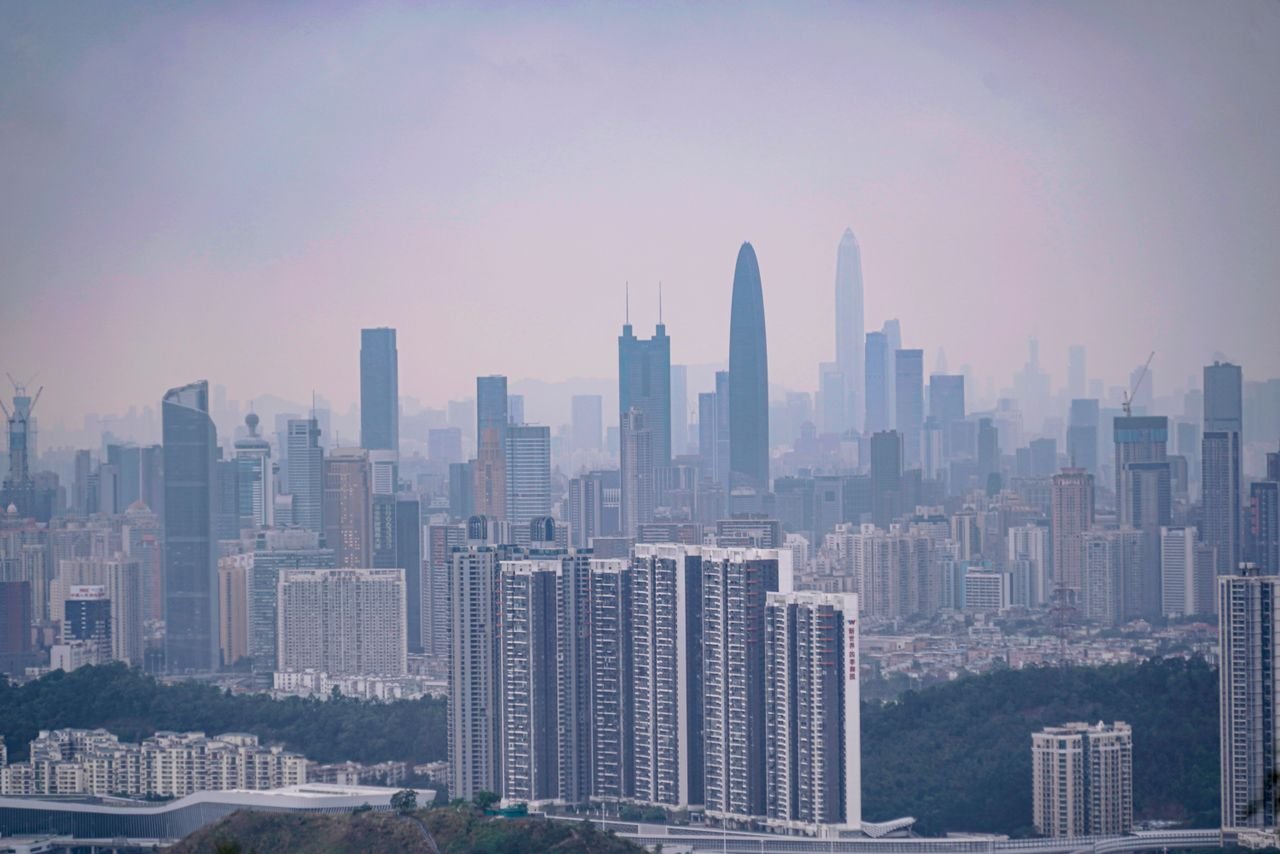
Start with the skyline. The Ping An Finance Centre is one of the tallest buildings in the world, and its observation deck (around ¥200, though prices change, so confirm before travel) gives you a vertiginous view over the whole city and across the border into Hong Kong. Window of the World (Shi Jie Zhi Chuang) is a long-running theme park of miniature world landmarks, with a ticket around ¥120; it is touristy in the best sense and genuinely fun for a half-day. Splendid China Folk Village lets you tour scaled representations of China’s ethnic regions and architecture in one park. For a cooler, more local feel, OCT Loft is a creative district of cafes, galleries, and design shops, while Lianhuashan Park offers green space and a statue of Deng Xiaoping, the leader behind Shenzhen’s creation. In summer, Dameisha Beach is the nearest stretch of sand, though it gets busy on weekends.
When is the best time to visit Shenzhen?
The most comfortable windows are October to December and March to April, when the heat and humidity ease and the skies are clearer. Shenzhen has a subtropical climate, and the summer months from June to September are hot, humid, and prone to typhoons, which I would avoid if your dates are flexible. Like everywhere in China, the National Day week in early October brings heavy domestic crowds and higher prices, so plan around it. For a country-wide view of seasons and holidays, our guide to the best time to visit China will help you sequence Shenzhen within a longer trip.
What is the food like in Shenzhen?
Shenzhen eats like the rest of Guangdong: that means superb Cantonese food, fresh seafood, and a dizzying range of dim sum. Because the city is full of migrants from across China, you will also find excellent Sichuan, Hunan, and northeastern restaurants alongside the local Cantonese staples. The nearby Kaiping diaolou towers make a worthwhile cultural day trip into the countryside if you want a break from the skyline, and the food scene out there is wonderfully rustic. For eating well on a budget, our budget China trip guide has practical, no-nonsense advice that applies perfectly to Shenzhen’s malls and food streets.
Is Shenzhen a good base for a Hong Kong side trip?
It is the best one. Few mainland cities put you closer to Hong Kong, and the cross-boundary high-speed train reaches West Kowloon in about 15 minutes, while several metro and land border crossings handle foot and road traffic throughout the day. Many travelers stay in Shenzhen for its lower hotel prices and cleaner, roomier feel, then pop into Hong Kong for sightseeing or vice versa. If you are assembling a first China trip, our China travel for first-timers guide explains the booking steps you should handle before you fly, and our booking hotels in China article will help you pick the right district near the metro.
What should foreign visitors know about visas and tickets?
Shenzhen is part of China’s 240-hour visa-free transit scheme, which can make it a smart place to begin or end a regional circuit that includes Hong Kong. Because visa and transit eligibility depends on your nationality and exact route, always check the official rules before you commit to a plan; the China’s visa and transit rules from the National Immigration Administration are the authoritative source, and our 144-hour visa-free transit guide explains how a Shenzhen stop can fit a layover. For attractions, most theme parks and observation decks sell tickets at the gate or through Chinese apps; our explainer on how to book attraction tickets in China covers the foreign-passport process. Where I have given prices, such as the Ping An deck at around ¥200 or Window of the World at around ¥120, treat them as rough guides in US-dollar terms (about US$28 and US$17 respectively), and remember that prices change, so confirm before you travel.
Frequently Asked Questions
Is Shenzhen worth visiting if I only have time for one Chinese city?
If your dream is ancient history, choose Beijing or Xi’an instead. But if you want to see modern, tech-driven China and possibly combine it with Hong Kong, Shenzhen is a fantastic, efficient choice that is easy to reach and easy to navigate.
How many days do you need in Shenzhen?
One to two days covers the main sights comfortably, with the second day useful for beaches, creative districts, or a Hong Kong crossing. It works best as part of a Guangdong or Hong Kong regional trip.
When is the best time to visit Shenzhen?
October to December and March to April are the most pleasant months. Avoid the hot, humid summer from June to September and the crowded National Day week in early October.
What is Shenzhen famous for?
It is famous for its transformation from a fishing village into China’s first Special Economic Zone in 1980, and today as a global tech hub, a design and electronics center, and the mainland gateway to Hong Kong.
How do I get from Shenzhen to Hong Kong?
The cross-boundary high-speed train reaches Hong Kong’s West Kowloon in about 15 minutes, and the metro plus several land border crossings also connect the two cities throughout the day.
Do I need a visa to visit Shenzhen?
Eligible transit passengers may use the 240-hour visa-free transit scheme, but it depends on nationality and routing. Always verify the current rules with official sources before you book, because arrangements can change.
Plan Your Visit
Shenzhen is best enjoyed as a glimpse of where China is headed, not where it came from, so set your expectations accordingly and you will love it. Book your high-speed rail or flight in advance during peak seasons, choose a hotel near a metro line so the whole city is at your doorstep, and build in at least one crossing to Hong Kong if your paperwork allows. Spend one day on the skyline and a theme park, and a second on OCT Loft or the coast if time permits. Keep an eye on the weather, since the summer humidity and typhoon season are no joke, and confirm all ticket prices and opening hours with official sources before you go, because they shift. Do that, and Shenzhen will leave you with some of the most futuristic, optimistic images of your entire China journey.
Shenzhen is the mainland’s gateway to Hong Kong and a short rail hop from Shanghai; for a very different inland megacity, our Chongqing guide covers the mountain city.
About the author: Karl Huang is a China-based travel writer who has spent years researching practical, foreigner-friendly travel across China. This guide reflects on-the-ground experience and is updated for the 2026 season; ticket prices and opening arrangements change, so confirm with official sources before you book.