

Shanghai Travel Guide 2026: The Bund, the Skyline and China’s Most International City
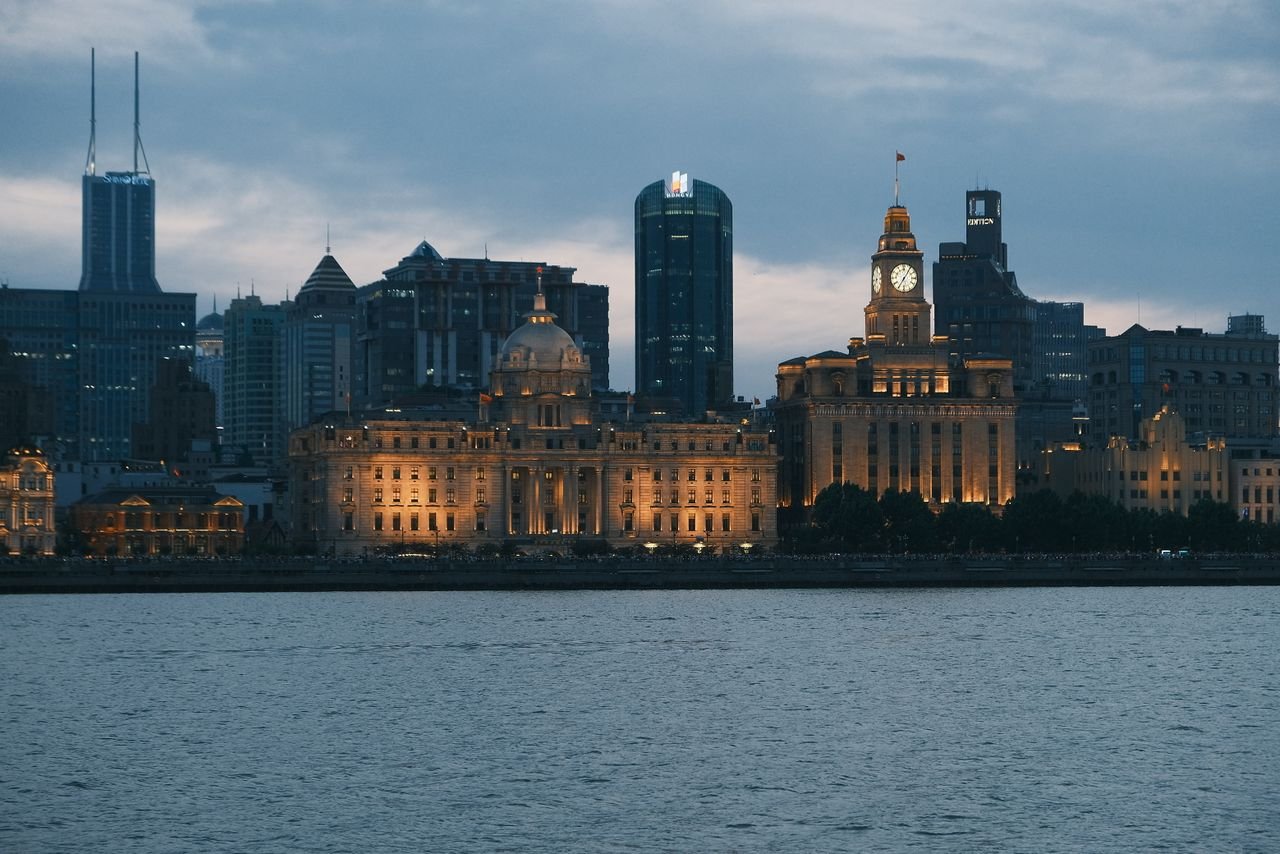
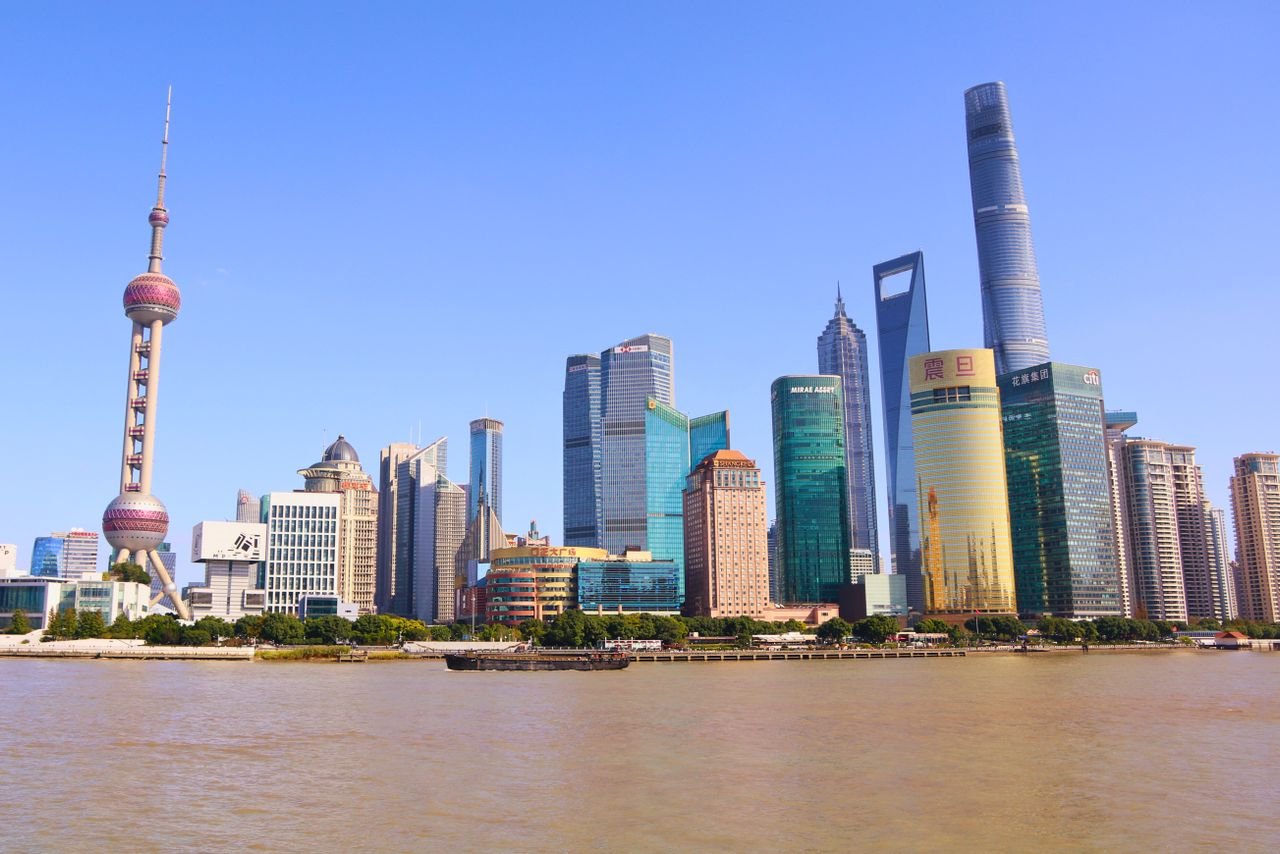
Shanghai (上海) is where China meets the world, and for many foreign visitors it is the most comfortable, most international and most visually dazzling city in the country. China’s largest city and its financial capital, Shanghai layers 1920s colonial architecture along the Bund against the futuristic towers of Pudong, where the Oriental Pearl Tower, Jin Mao Tower, Shanghai World Financial Center and the spiral Shanghai Tower stab at the clouds. It is walkable, metro-connected and refreshingly English-friendly compared with inland cities, which is why so many people use it as the natural start or finish of a China travel for first-timers trip.
Is Shanghai worth visiting?
Without question. Shanghai is the rare Chinese megacity that feels effortless for first-time foreign travelers: signs are bilingual, the metro is spotless and logical, and you can order food, book a taxi and check a map without speaking a word of Mandarin. But ease is only half the appeal. Shanghai delivers a density of experiences you would normally need several cities to collect: grand colonial history, cutting-edge architecture, world-class museums, leafy former concessions and some of the best eating in eastern China.
It also works beautifully as a hub. High-speed rail puts Hangzhou, Suzhou and even Beijing within a few hours, and the city slots neatly into a relaxed 2-week China route. If your time is short and you want one city that captures both old and new China, Shanghai is the safest, richest choice.
What is Shanghai famous for?
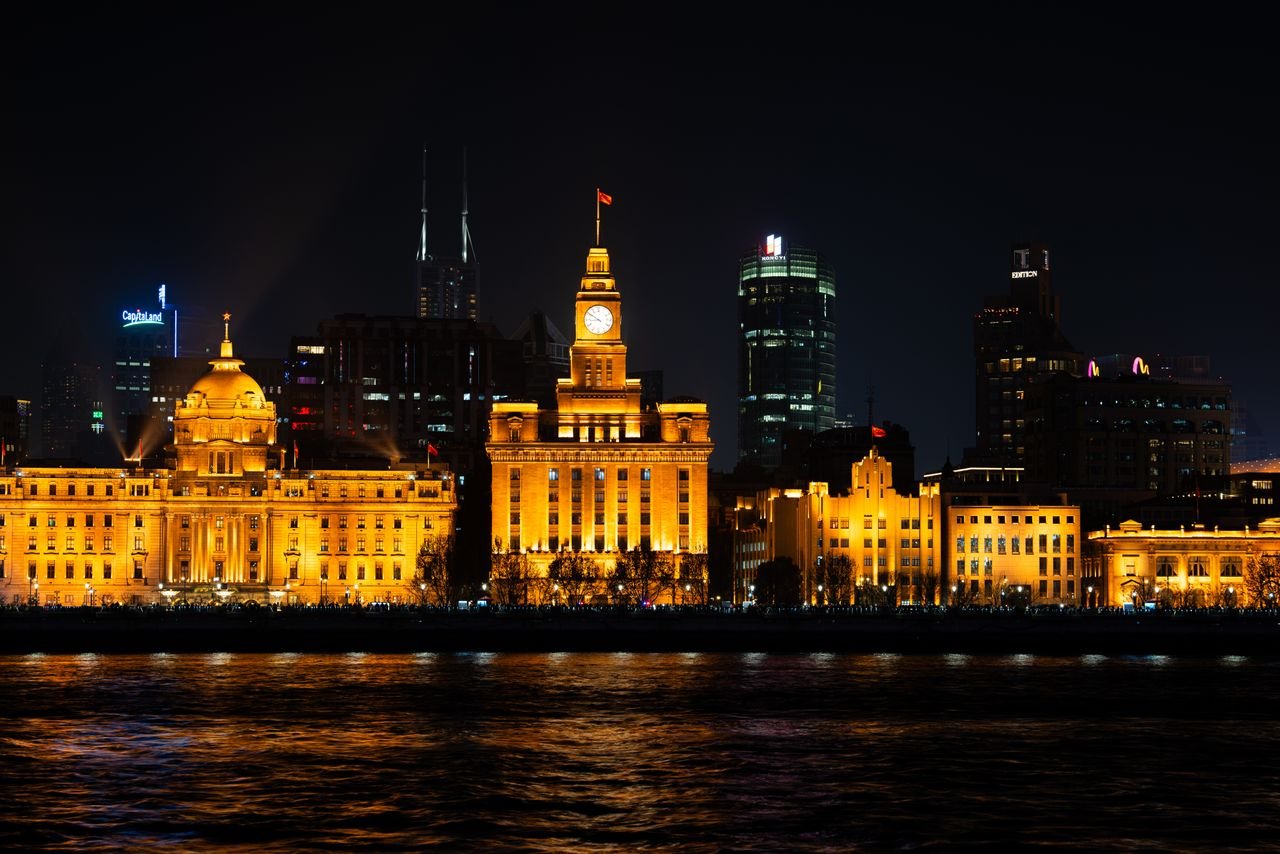
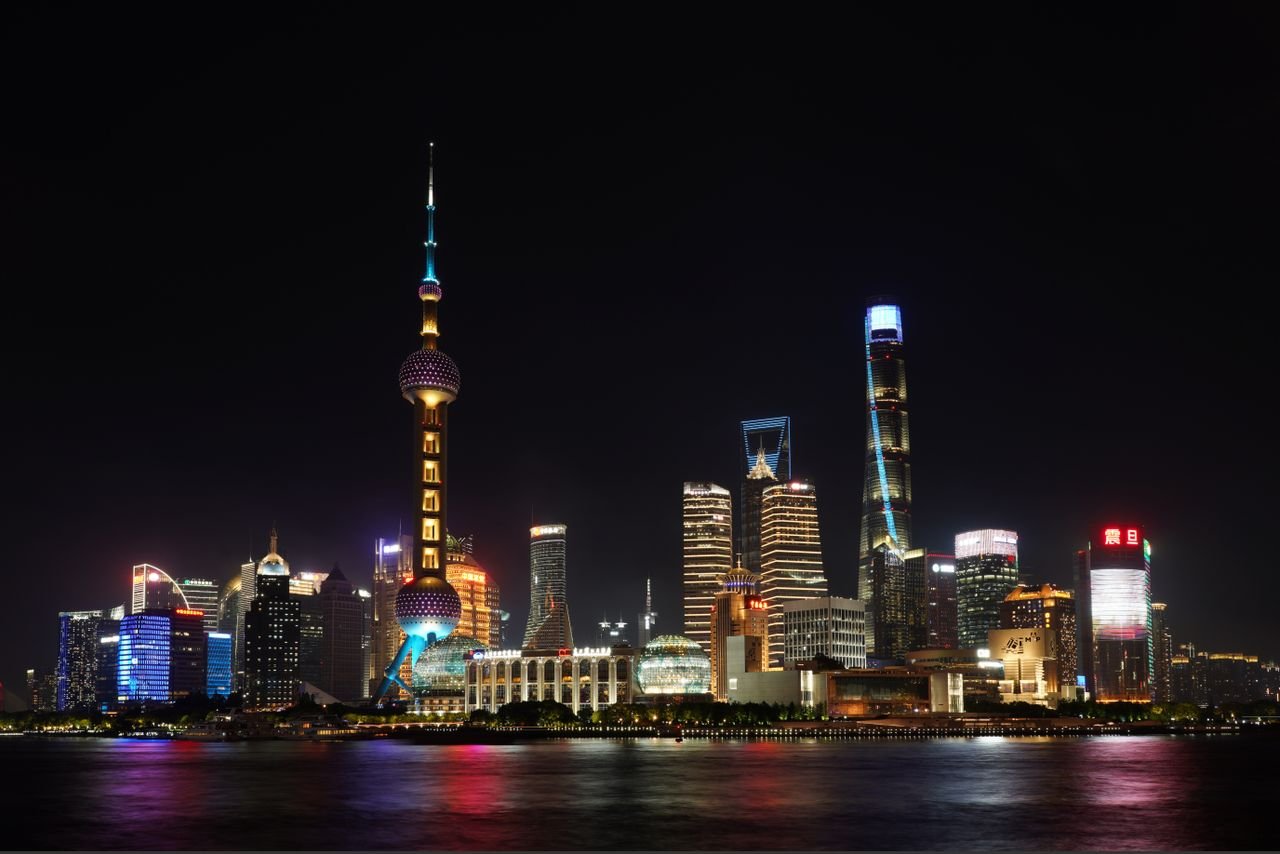
Shanghai is famous for the Bund (外滩), the riverfront row of 1920s bank and trading-house buildings that glow at night opposite the Pudong skyline. It is famous for that skyline itself: the Oriental Pearl Tower’s pink columns, the bottle-opener shape of the Shanghai World Financial Center, and the twisting Shanghai Tower, the tallest building in China. Beyond the postcard views, Shanghai is known for its former French Concession, a grid of plane-tree shaded streets full of cafés and boutiques, and for being the birthplace of xiaolongbao, the delicate soup dumpling.
The city is also a cultural heavyweight. The Shanghai Museum holds one of the finest collections of Chinese bronzes and ceramics in the world, and the former concession areas preserve a layer of 20th-century architecture you will not find in Beijing. For a wider view of how to move between these districts, our getting around by Shanghai metro guide is the practical companion to this one.
How many days in Shanghai should I plan for?
Three days is the ideal stay, with two to four being a reasonable range. Three full days lets you do the Bund and Pudong skyline, Yu Garden and the old town, the former French Concession and Xintiandi, plus a museum and a proper dumpling meal without racing. With two days you can still hit the greatest hits; with four or more you can add day trips to Suzhou or Hangzhou and dig into neighborhoods at a slower pace.
Because Shanghai is such a natural transit hub, I often suggest treating it as both arrival and departure city. You can read about pacing in our a relaxed 2-week China route and decide whether three days or four suits your style. Either way, book your best neighborhoods to stay in Shanghai early, because central rooms fill fast in peak season.
When is the best time to visit Shanghai?
Spring (April to May) and autumn (September to November) are the most pleasant times, with mild weather ideal for walking the Bund and the concession streets. Summer is hot and very humid, with temperatures that make midday sightseeing uncomfortable, and late spring can bring plum-rain drizzle. The first week of October, China’s National Day holiday, swamps the city with domestic tourists and pushes hotel prices up sharply.
Timing matters enough that I always send travelers to the best time to visit China guide before they book flights. If your dates are flexible, aim for the shoulder weeks of April or October, when the crowds thin and the light on the Huangpu River is at its best.
How do I get to Shanghai and get around?
Shanghai has two international airports: Pudong (PVG), which handles most long-haul and intercontinental flights, and Hongqiao (SHA), handy for domestic and regional routes. The star of the arrival experience is the Maglev train from Pudong, which reaches 431 km/h and covers the airport-to-city run in about seven to eight minutes—still one of the fastest commercial trains on earth. From Hongqiao you are already on the high-speed rail network and a metro ride from the center.
Within the city, the metro is fast, cheap and English-labeled, and it will get you to every sight in this guide. The getting around China overview covers the bigger picture, while high-speed rail is your link outward: Hangzhou is about an hour away, Suzhou roughly 30 minutes, and Beijing around four and a half to five hours. For the longer domestic hops, riding China’s high-speed rail is far more relaxing than flying, and booking domestic flights in China remains an option if your route demands speed.
What are the top things to do in Shanghai?
Begin on the Bund as the lights come on, when the colonial facades mirror the Pudong towers across the Huangpu River—it is free, unforgettable, and best at blue-hour. Cross to Lujiazui and ride up the Shanghai Tower or the Oriental Pearl Tower for the observation decks; on clear days the view stretches for miles. Back on the west bank, Yu Garden (豫园) is a compact classical garden with a modest ticket of around ¥40 (roughly US$5.50), though prices change so confirm before you go, and the surrounding old-town bazaars are fun for snacks and trinkets.
Spend a half-day in the former French Concession, where plane trees and low villas give the city a Parisian calm, then browse Xintiandi’s restored shikumen lanes. Nanjing Road is the loud, neon shopping spine if that is your mood, and the Shanghai Museum deserves a visit for its bronzes and ceramics alone. If you want to extend the trip, a relaxed 2-week China route shows how Shanghai anchors a wider journey.
What should I eat in Shanghai?
Shanghai’s signature dish is xiaolongbao, the soup dumpling with a delicate pleated top that you lift, nip, sip and eat in one careful sequence. The city takes its dumplings seriously, and our Shanghai soup dumplings (xiaolongbao) guide explains the eating technique so you do not burn your tongue on the broth. Also try shengjianbao, pan-fried bottom-crisp dumplings, and benbang cuisine, the local style that is noticeably sweeter and milder than the fiery food of Sichuan or Chongqing.
Street food, from scallion pancakes to sticky rice rolls, is cheap and everywhere. If you are watching costs, the budget China trip guide shows how to eat extremely well in Shanghai without spending on tourist-trap restaurants, and the city’s neighborhood noodle shops are where locals actually eat.
Can I visit Shanghai on a visa-free transit?
Yes. Shanghai is one of the flagship ports for China’s 240-hour (10-day) visa-free transit policy, available to passport holders from 61 countries including the US, UK, Canada and Australia, as long as you hold a confirmed onward ticket to a third country or region. Both Pudong and Hongqiao airports qualify, which makes Shanghai a hugely popular stopover. Because the details shift, always verify current eligibility on China’s visa and transit rules, and read our 144-hour visa-free transit article for the booking mechanics before you fly.
Frequently Asked Questions
Is Shanghai worth visiting for a first trip to China?
Yes. It is the most English-friendly major city in China, with a clean metro, bilingual signs and easy app-based payments, which makes it an ideal first stop. It also connects by high-speed rail to Hangzhou, Suzhou and Beijing.
How many days in Shanghai do I need?
Three days is ideal, with two to four acceptable. Three days covers the Bund, Pudong skyline, Yu Garden, the French Concession and a museum at a relaxed pace, while four lets you add a Suzhou or Hangzhou day trip.
When is the best time to visit Shanghai?
Spring (April–May) and autumn (September–November) are best. Avoid the hot, humid summer and the crowded National Day week in early October when hotels spike in price.
What is Shanghai famous for?
The Bund’s colonial waterfront, the Pudong skyline (Oriental Pearl, Shanghai Tower, Jin Mao), the former French Concession, the Shanghai Museum, and xiaolongbao soup dumplings.
Can I visit Shanghai on visa-free transit?
Yes, under the 240-hour transit policy for 61 eligible countries with an onward ticket. Confirm the latest rules on China’s visa and transit rules before booking.
How do I book Shanghai attraction tickets?
Major sights like Yu Garden can be booked on arrival or via Chinese platforms, but observation decks and the museum benefit from advance booking in peak season. Our how to book attraction tickets in China guide covers the steps foreign visitors use.
Plan Your Visit
Shanghai is easiest to enjoy when you stay central and let the metro do the work. Use the best neighborhoods to stay in Shanghai guide to pick between the Bund’s grandeur, the French Concession’s calm, or a Lujiazui high-rise with a skyline view, and confirm rooms through booking hotels in China well ahead of peak weeks. Ride the Maglev at least once, walk the Bund at night, and reserve a morning for soup dumplings done properly. If you are coming from another Chinese city, compare booking domestic flights in China against the high-speed rail based on your route. For a broader picture of transport, see getting around Chinese cities by metro. Ticket prices, transit fares and opening hours change, so check official sources before you commit your itinerary.
Many visitors combine Shanghai with Xi’an on a classic Beijing–Xi’an–Shanghai route, or head south to Shenzhen and the Hong Kong border.
About the author: Karl Huang is a China-based travel writer who has spent years researching practical, foreigner-friendly travel across China. This guide reflects on-the-ground experience and is updated for the 2026 season; ticket prices and opening arrangements change, so confirm with official sources before you book.