

Chongqing Travel Guide 2026: China’s 8D Mountain City of Rivers, Hotpot and Magical Metro
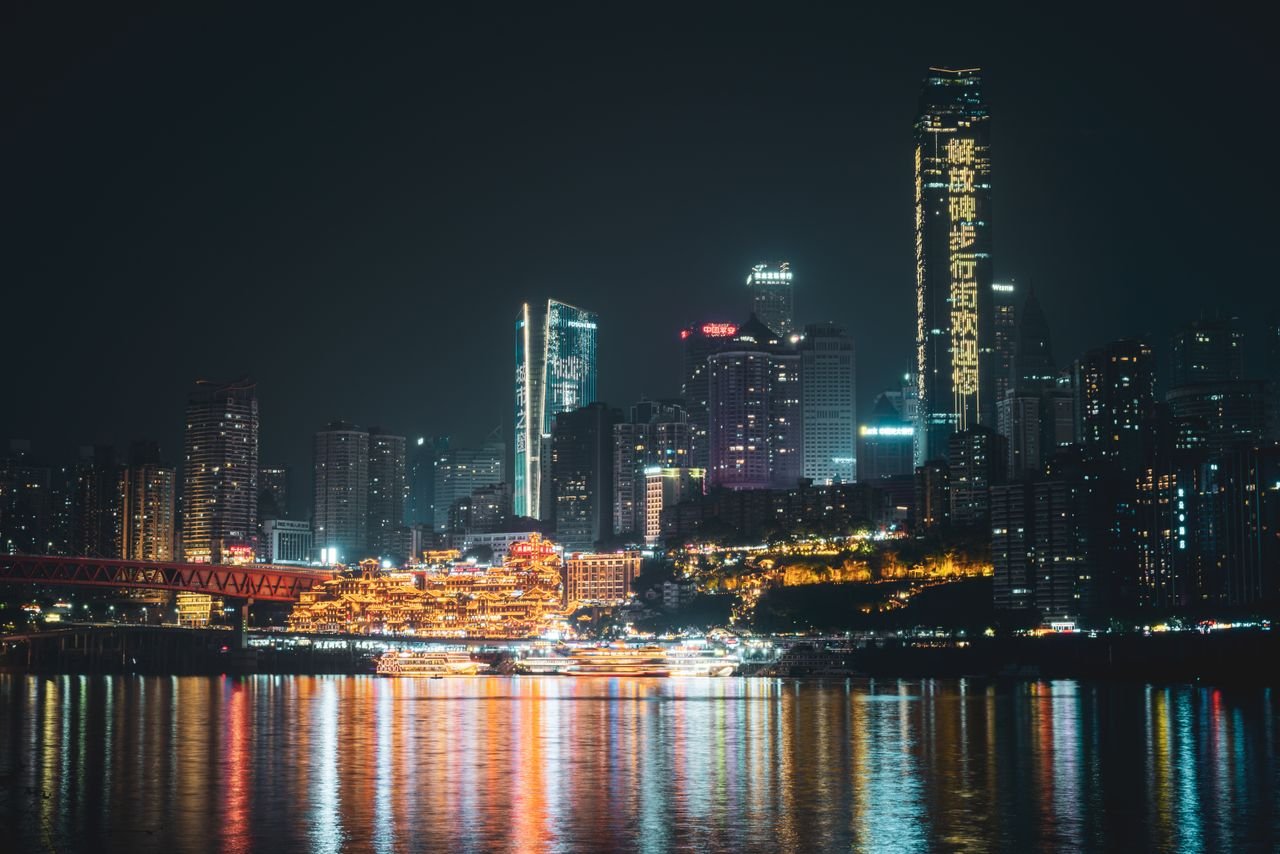
Most first-time visitors to China picture Beijing’s palaces or Shanghai’s skyline, but Chongqing (重庆) is the city that surprises people the most. Set in the steep hills of southwest China where the mighty Yangtze and Jialing rivers collide, it is a sprawling, mountainous megacity that locals proudly call the “8D magic city.” Streets twist in every direction, monorail trains shoot straight through apartment buildings, and the whole place glows at night with a riverside skyline that rivals anything in Asia. If you are building a China travel for first-timers plan and want something genuinely different from the usual Beijing–Xi’an–Shanghai loop, Chongqing deserves a real place on your map.
Is Chongqing worth visiting?
Absolutely, and for foreign travelers it offers something the great capitals cannot: a city that feels like a theme park built by accident. Chongqing is enormous yet intimate, chaotic yet navigable once you understand its logic. The famous fog that once hid the city during World War II still rolls in on cool mornings, softening the concrete and giving the hills a dreamlike quality. You will ride an elevator down through a building to reach a road that is somehow already at street level on another floor. You will cross a river by cable car while cargo ships drift below. And you will eat hotpot so spicy it rewires your sense of taste.
For many visitors, Chongqing is also a softer, cheaper, more local introduction to China’s southwest than nearby Chengdu. It pairs beautifully with a Chengdu and Jiuzhaigou itinerary, since the two cities are connected by fast and frequent high-speed rail. If you only have time for one, Chongqing gives you more dramatic scenery and a more unusual urban experience for your money.
What is Chongqing famous for?
Chongqing is famous above all for three things: its vertiginous “mountain city” geography, its fiery food, and its surreal transport. The city is built into ridges and valleys, so nothing is flat and almost nothing is where you expect it to be. That geography produced the getting around Chinese cities by metro system you have likely seen in viral videos, where the Liziba monorail station sends a train straight through the middle of a residential tower. People inside the building ride the same elevator as commuters passing by on the track.
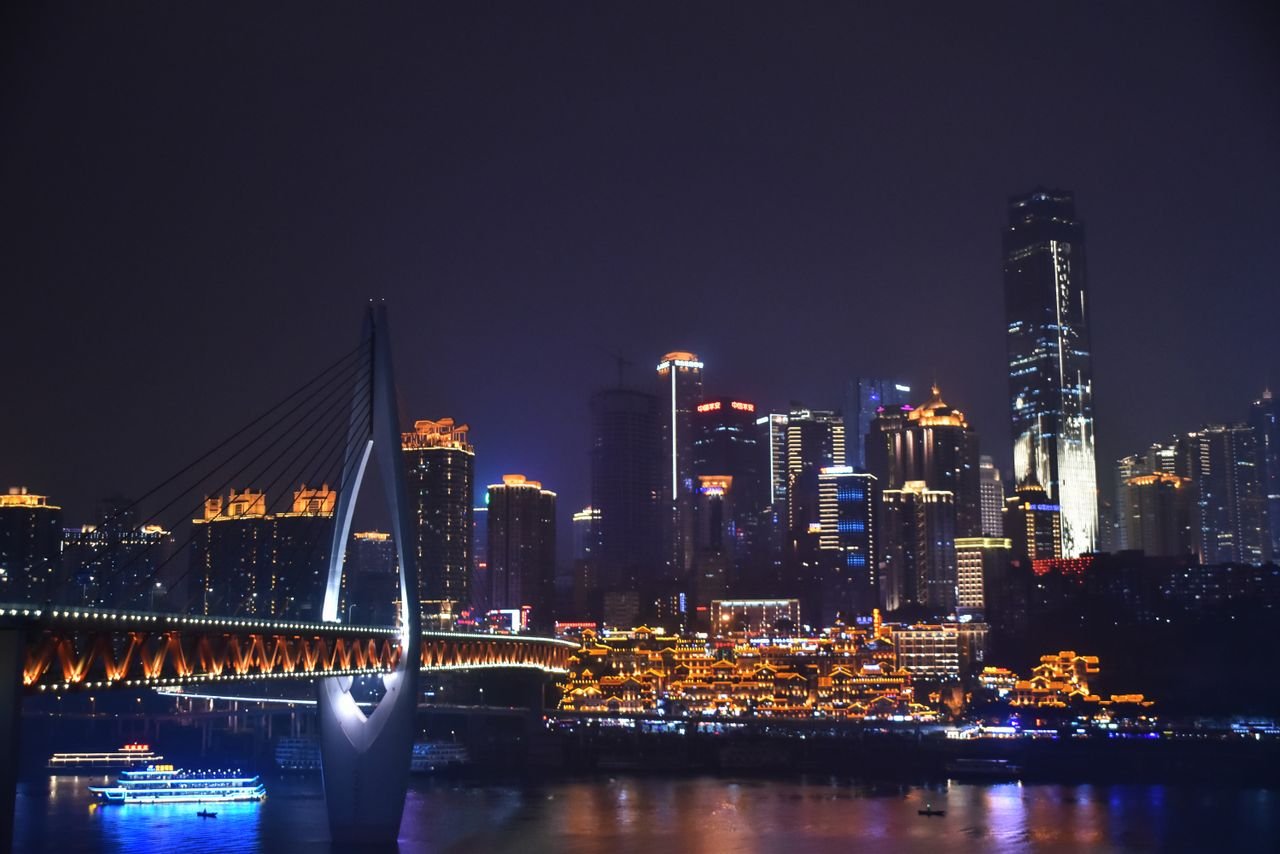
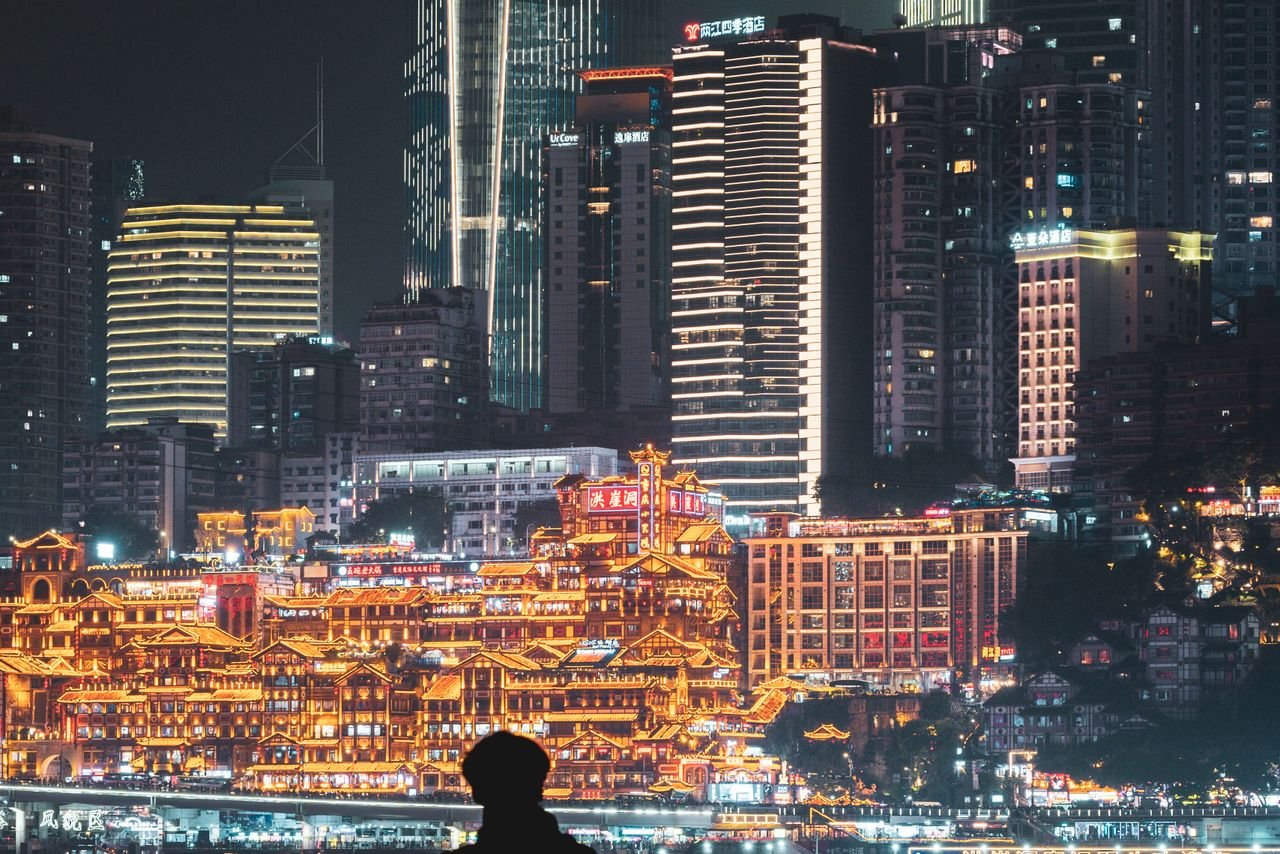
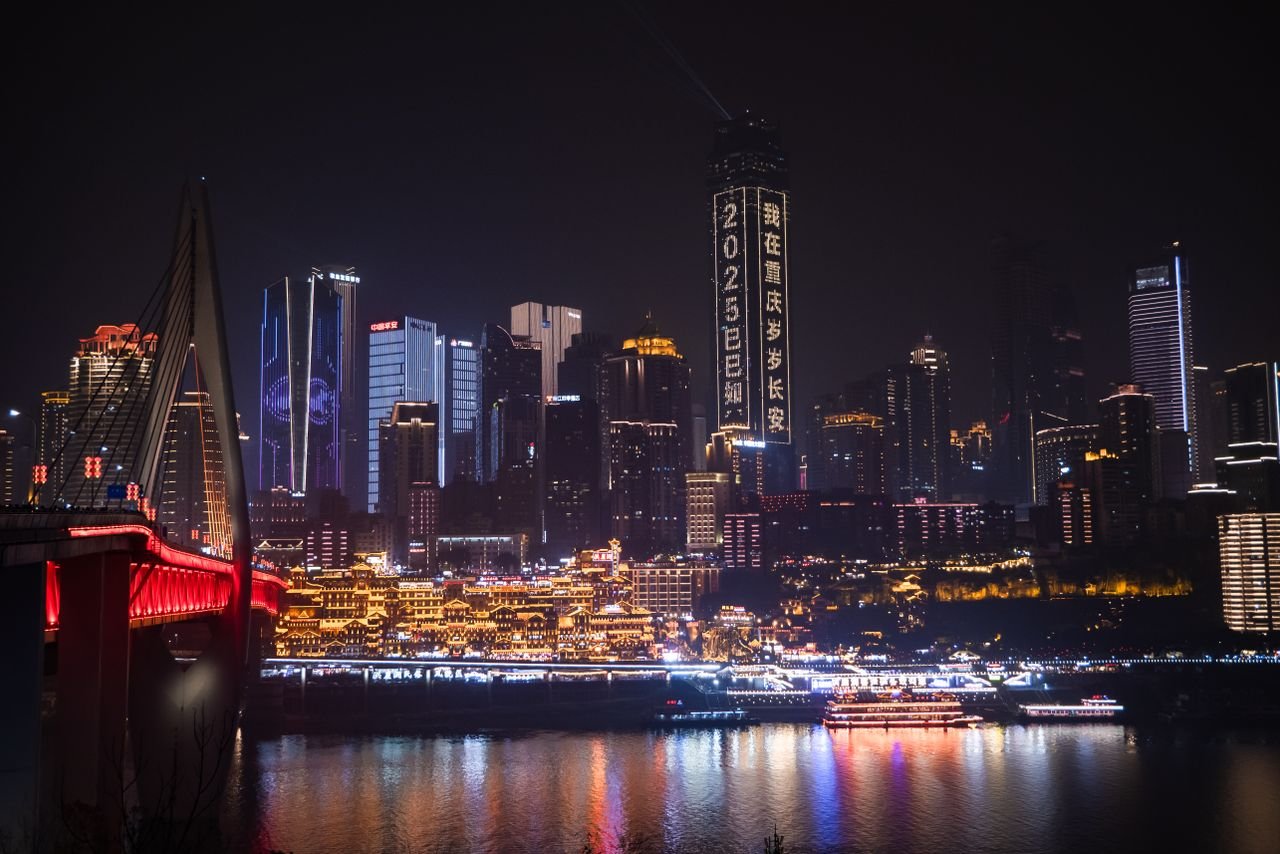
On the food side, Chongqing is the birthplace of the numbing-and-spicy hotpot style known as mala, built on Sichuan peppercorn and dried chili. It is also the home of laziji, crisp fried chicken buried in chilies, and of Chongqing xiaomian, a humble bowl of chili-oil noodles that locals eat for breakfast. The city’s night view, especially the stilted riverside buildings of Hongyadong, is repeatedly voted one of China’s most beautiful.
How many days in Chongqing should I plan for?
For most foreign visitors, two to three full days is the sweet spot. With two days you can cover the core highlights: the riverside night view at Hongyadong, the Liziba monorail photo stop, the Yangtze River cable car, Ciqikou ancient town, and at least one proper hotpot dinner. Add a third day if you want to ride out to Furong Cave near Chongqing or wander the hillside viewpoints of Eling Erchongqing without rushing.
Chongqing is not a city you “finish.” Even three days only scratches the surface of its districts and staircases. If your schedule is tight, treat it as a two-day stop between Chengdu and the east, and lean on the best time to visit China guidance to avoid the worst heat. I usually tell first-timers that three days lets the city’s logic finally click, which is when it becomes genuinely fun.
When is the best time to visit Chongqing?
Spring (March to May) and autumn (September to November) are by far the most comfortable seasons, with mild temperatures and clearer skies. Chongqing’s nickname “fog city” comes from its humid climate, and in summer the place becomes brutally hot, often above 35°C with heavy humidity that makes midday walking exhausting. Winter is cool and damp rather than freezing, and the famous night views can disappear into low cloud.
Because the calendar matters so much here, I always point travelers to the best time to visit China guide before they lock in dates. Avoid the first week of October, China’s National Day holiday, when domestic tourist numbers surge and hotels in every major city climb in price. Spring and autumn also line up well if you are combining Chongqing with a a relaxed 2-week China route elsewhere.
How do I get to Chongqing and get around?
Most international visitors fly into Jiangbei International Airport (CKG), which has direct connections across Asia and convenient domestic links from Beijing, Shanghai, Guangzhou and Chengdu. From the airport, the metro line 3 or the airport express bus gets you downtown in roughly 40 to 60 minutes depending on traffic. If you are already in China, the high-speed rail is the comfortable choice: Chengdu is only about one to two hours away on the Chengdu–Chongqing line, making a combined Sichuan–Chongqing trip very practical.
Once in the city, the metro is your best friend, and mastering it is part of the adventure. The getting around China overview explains the broader system, but Chongqing’s network deserves special respect because of its hills, its river crossings, and stations hidden inside buildings. For longer hops, riding China’s high-speed rail is the smoothest way to connect westward toward Chengdu or eastward toward the Yangtze delta.
What are the top things to do in Chongqing?
Start with Hongyadong (洪崖洞), the cluster of traditional stilted buildings built into the riverside cliff, which transforms into a glowing lantern city after dark. Right across the river, the Eling Erchongqing hillside viewpoint gives you the classic postcard panorama of the two rivers and the layered city. The Liziba monorail station is a short metro ride away and is the single most photographed transport oddity in China: the train enters a living-room window of an apartment block and emerges out the other side.
Take the Yangtze River cable car at least once for the river-crossing experience, then lose yourself in Ciqikou ancient town (磁器口), a restored maze of teahouses and snack alleys that still keeps some old Chongqing atmosphere. The Liberation Monument (解放碑) district is the modern shopping heart, while a short trip out of town rewards you with Furong Cave near Chongqing, a vast limestone cavern with illuminated formations. If you want a calmer, more traditional half-day, the Huanglongxi ancient town makes an easy escape from the urban intensity.
What should I eat in Chongqing?
Chongqing hotpot is non-negotiable. Served in a split or full “red” broth of chili and Sichuan peppercorn, it delivers the signature mala tingle that numbs and heats at the same time. Order a mix of thin meats, leafy greens, tofu and tripe, and don’t be shy about asking your hotel or the restaurant for a milder broth if you are new to spicy food. The experience is as much about the communal table as the flavor.
Beyond hotpot, you should try laziji, the dry-fried chicken with whole dried chilies that is nothing like Western fried chicken; our Chongqing’s laziji chicken guide explains exactly what to expect and who it suits. Chongqing xiaomian noodles are the everyday fuel of the city, a few yuan for a bowl of chili-oil comfort. If your budget is tight, the budget China trip guide has tips on eating extremely well for very little, and Chongqing is one of the best cities in the country for that.
Can I visit Chongqing on a visa-free transit?
Yes. China’s 240-hour (10-day) visa-free transit policy applies to Chongqing for passport holders of 61 countries including the United States, United Kingdom, Canada and Australia, provided you have a confirmed onward ticket to a third country or region. Chongqing Jiangbei Airport is an eligible port, which makes the city a practical and exciting stopover. The rules change, so always check the latest details on China’s visa and transit rules before you fly, and review our 144-hour visa-free transit explainer for the practical booking steps.
Frequently Asked Questions
Is Chongqing worth visiting if I only speak English?
Yes, though it helps to have a translation app ready. Signage in major sights and the metro is increasingly bilingual, and younger Chongqingers are often eager to help. The China travel for first-timers guide covers the apps and etiquette that make English-only travel smooth here.
How many days in Chongqing is ideal?
Two to three days covers the highlights without fatigue. Two days hits Hongyadong, Liziba, the cable car and Ciqikou; a third lets you add Furong Cave or a hillside viewpoint at a relaxed pace.
When is the best time to visit Chongqing?
Spring and autumn are best. Summer is extremely hot and humid, often above 35°C, while winter is cool, damp and occasionally foggy enough to hide the famous night views.
What is Chongqing famous for besides hotpot?
Its 8D mountain geography, the Liziba monorail that runs through a building, the riverside night skyline at Hongyadong, and laziji fried chicken. It is one of China’s most visually surprising cities.
Can I visit Chongqing on visa-free transit?
Yes, with the 240-hour transit policy for 61 eligible countries when connecting onward. Confirm current eligibility on China’s visa and transit rules and book your onward ticket before arrival.
How do I book tickets for Chongqing attractions?
Most major sights can be booked through Chinese platforms or on arrival, but popular spots fill up on holidays. Our how to book attraction tickets in China guide walks through the booking steps foreign visitors actually use.
Plan Your Visit
Chongqing rewards travelers who arrive with flexible expectations and comfortable shoes. Book your booking hotels in China stay near the Liberation Monument or Jiefangbei if you want walkable nightlife, or near a metro line if you plan day trips; our neighborhood guide for where to stay breaks down the trade-offs by district. Reserve at least one hotpot dinner, ride the Liziba line for the photo, and keep one evening free for the Hongyadong lights. If you are flying in from another Chinese city, consider booking domestic flights in China versus the high-speed rail depending on your route, and pair the trip with Chengdu if time allows. Prices for tickets, hotels and transit shift from season to season, so confirm the latest figures with official sources before you commit.
Chongqing sits about one to two hours by rail from Chengdu, and pairs well with a stop in Shanghai if you want to contrast a mountain city with a futuristic waterfront.
About the author: Karl Huang is a China-based travel writer who has spent years researching practical, foreigner-friendly travel across China. This guide reflects on-the-ground experience and is updated for the 2026 season; ticket prices and opening arrangements change, so confirm with official sources before you book.