

You hear it before you see it. Walk through almost any county town in China, past the shuttered video arcades and the lone KFC on the main drag, and a short, relentless jingle leaks out of a red storefront: “你爱我,我爱你,蜜雪冰城甜蜜蜜” — roughly, “You love me, I love you, Mixue Bingcheng is sweet-sweet.” Inside, a four-foot white snowman in a red cape holds court above the counter, and a two-yuan ice cream cone changes hands every few seconds. That, in a nutshell, is Mixue (Mi Xue): not the fanciest cup of tea in China, but almost certainly the most ubiquitous, and the most genuinely democratic.
What Mixue actually is — and why it isn’t really a “milk tea brand”
If you type “what is Mixue” into a search box, most results will call it a Chinese milk tea chain, and that isn’t wrong — but it undersells the business. The company’s full name in Chinese is 蜜雪冰城, usually rendered in English as Mixue Ice Cream and Tea, and the order of those words matters. Ice cream and a four-yuan glass of fresh lemonade outsell the milk tea, and the brand’s entire identity is built on being cheap enough that price is never the thing stopping you from buying.
Where a premium player like HeyTea sells an experience you photograph, Mixue sells a habit you repeat. The cheap milk tea China crowd has known this for years: a Mixue cup is something you grab on the way to the train, after a hike, or when three friends want something cold and nobody wants to do mental math. The store design, the mascot, even the viral song all point the same direction — approachable, repeatable, forgettable in the best way.
The Snow King: how one mascot became the entire marketing department
The Mixue Snow King mascot — a round white snowman wearing a red crown and cape, scepter in hand — is one of the most recognized brand characters in the country, and the company barely pays for advertising. The 2021 jingle, a reworked folk tune, became a meme engine: people recorded it in dozens of languages, and the brand leaned in rather than suing. That single piece of earworm marketing did more for store traffic than any influencer campaign.
It works because the Snow King is silly on purpose. In a category where competitors compete on “premium tea leaves” and “freshly steamed cheese foam,” Mixue openly sells joy at pocket-change prices, and the mascot tells you exactly that. You are not paying for status. You are paying for a cold drink and a small grin.
From a Zhengzhou shaved-ice cart to tens of thousands of stores
The Mixue history Zhengzhou story starts in 1997, when founder Zhang Hongchao opened a small shaved-ice shop in Zhengzhou, the capital of Henan province — a landlocked, populous province that rarely gets credit as a startup hub. The brand name stuck, the format expanded from ice to drinks, and slowly, store by store, Mixue colonized the places premium chains avoided: fourth-tier cities, county seats, university gates, and bus stations.
By the time the group listed in Hong Kong in early 2025, it ran more than 45,000 stores worldwide — the most of any tea-and-ice-cream brand on the planet. To put that in perspective, that is several times the global footprint of most Western fast-food giants. The Mixue founded year of 1997 now sits behind an empire whose real product is not the cup but the supply chain: Mixue makes its money selling ingredients, cups, and equipment to franchisees, which is precisely why it can keep menu prices absurdly low.
That vertical integration is the quiet genius. The company owns tea gardens, lemon farms, and processing plants, then ships standardized kits to franchisees who mostly just assemble and chill. Lower cost per cup means the franchisee survives on thin margins and the customer never feels the pinch. It is a volume game, played at a scale no rival has matched.
What to order first at Mixue
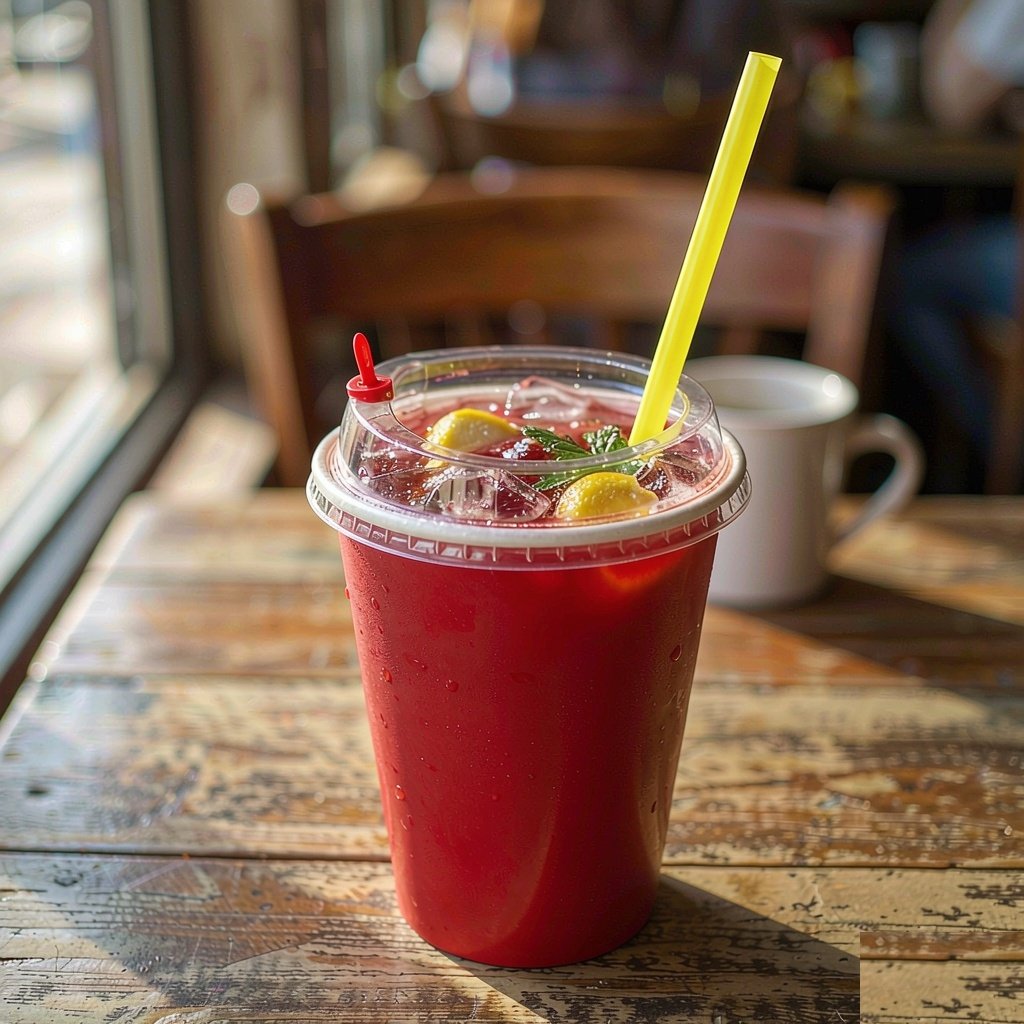
If you only try one thing, make it the fresh lemonade (冰鲜柠檬水) — sliced real lemons, light sweetness, and a price that usually lands at four yuan. It is the drink people specifically drive across town for, and it is the clearest proof that “cheap” and “good” are not opposites. The second must-try is the ice cream cone (often priced at just two yuan), a dense, milky swirl that tastes like a fairer version of the soft-serve you grew up with.
Beyond those two anchors, the Mixue menu China regulars love includes:
- Peach/full-grapefruit cups (满杯红柚) — fruit-forward, lightly sweet, genuinely refreshing in summer heat.
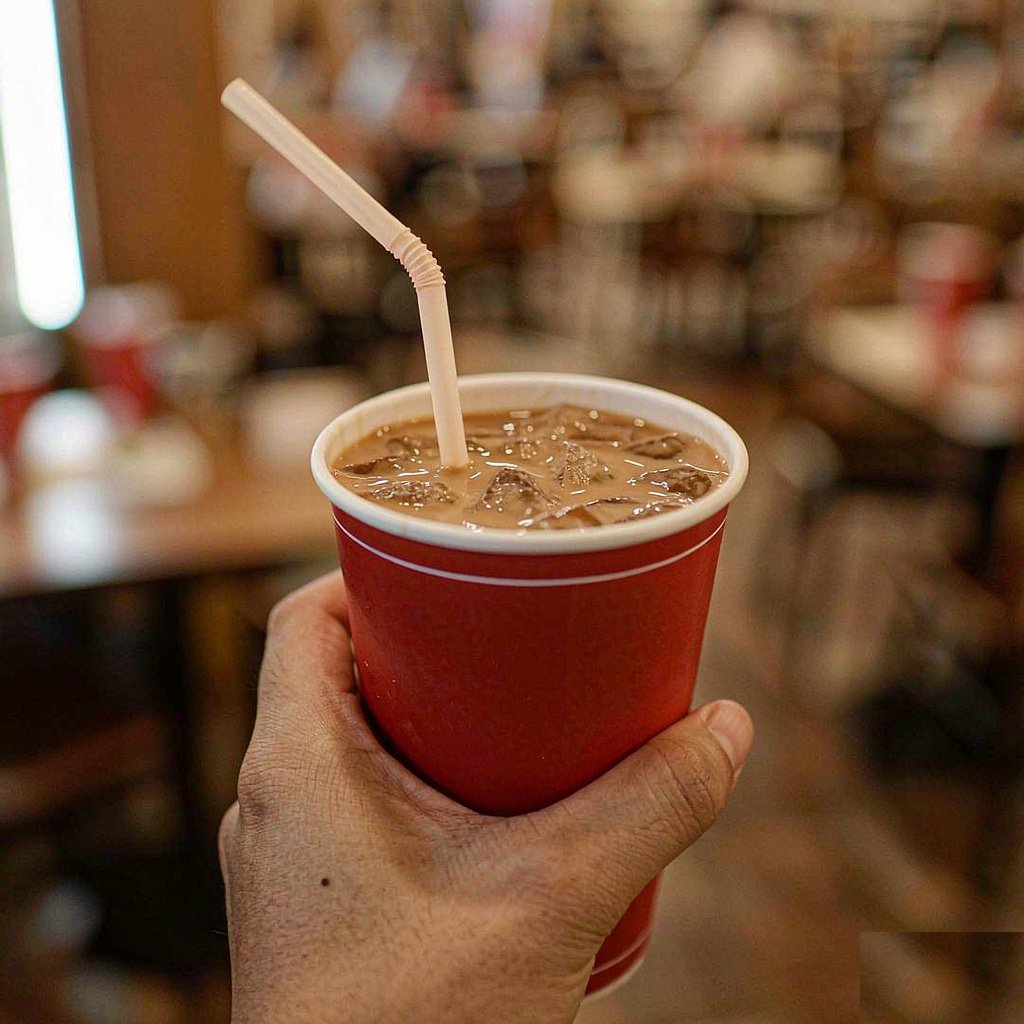
- Classic milk tea with pearls — the fallback order, reliable and under seven yuan.
- Yogurt shakes (摇摇奶昔) — a thicker, sweeter treat closer to a light dessert.
- Seasonal fruit teas — these rotate, so ask what is fresh rather than defaulting to the menu photo.
A practical tip on what to order at Mixue: skip the save-for-later mindset. These drinks are built to be consumed within twenty minutes, and the lemonade in particular loses its snap as the ice melts. Order, walk, drink.
How much does a Mixue drink actually cost?
This is the section most travelers screenshot. The mixue lemonade price is typically four yuan (around 55–60 US cents). The mixue ice cream price has held at about two yuan for years, which is almost suspicious until you understand the supply-chain model above. Milk teas and fruit cups generally sit in the four-to-eight-yuan band.
So how much is a Mixue drink in total? A two-person order — two lemonades and an ice cream — rarely clears fifteen yuan, or barely two dollars. For cheap milk tea China travelers, that makes Mixue the single easiest way to stay hydrated and happy without hunting for a supermarket. Prices creep up slightly in airports and a few overseas markets, but the value proposition survives the trip.
How to order: the app, customization, and the loyalty game
Most orders run through Mixue’s WeChat mini-program rather than a counter shout. Learning how to order Mixue app style is worth five minutes: you pick a store, build your cup, pay, and get a pickup code. Customization is deliberately limited — you can usually adjust sweetness and ice level, and add pearls or coconut jelly, but you will not be asked seventeen questions about oat milk. That restraint is part of the speed.
The mini-program also runs the loyalty mechanics: stamps, small coupons, and the occasional “buy the song, get a free cone” style promo that keeps the Snow King loop going. For a traveler, the practical win is skipping the queue — order while you walk toward the store and it is usually ready by the time you arrive.
Where you’ll actually find Mixue — and why travelers should care
Here is the part that surprises first-time visitors: Mixue is easiest to find exactly where you least expect a famous brand. Premium chains cluster in tier-one malls; Mixue is on the high street of a county you cannot pronounce, beside the police station and the dumpling shop. That makes it the most reliable cold-drink option on a rural road trip, when the only other choices are warm sodas at a gas station.
And it is no longer only China. The Mixue overseas footprint is real and growing fast across Indonesia, Vietnam, Malaysia, Singapore, and Thailand, where the same red Snow King sign now competes with local iced-tea stalls on price. If you are building a China food tour that goes beyond the big cities, Mixue is the rare chain you can use as a comforting constant — same cup, same price logic, new scenery.
Mixue vs the rest: a quick reality check
The honest answer to “mixue vs heytea” is that they are not really competitors — they are answering different questions. HeyTea sells a premium, instagrammable cup at twenty-five to thirty-five yuan; Mixue sells a two-to-eight-yuan habit. The same logic separates it from the mid-range players. Here is the blunt version:
| Brand | Typical price | Positioning | Signature |
|---|---|---|---|
| Mixue | 2–8 yuan | Ultra-value, supply-chain driven | Lemonade & 2-yuan ice cream |
| HeyTea | 25–35 yuan | Premium, trend-led | Cheese tea, fresh fruit tea |
| Chabaidao | 12–22 yuan | Mid-range, fruit-forward | Brown sugar pearl milk tea |
| Guming | 10–18 yuan | Mid-range, southern China strong | Fresh milk tea with curd |
Read that table and the “best milk tea brand in China” question answers itself depending on what you value. If it is craft and novelty, HeyTea wins. If it is a cold drink that never makes you check your wallet, mixue vs chabaidao and everyone else is no contest — Mixue is the people’s default.
Who Mixue is really for
Mixue is for budget travelers, students, families with three thirsty kids, and anyone who wants a reliable cold drink without a decision marathon. If you are hunting for cheap eats in China, it slots right alongside the noodle stalls and the breakfast carts. It is also the gentle on-ramp for visitors who find the milk tea scene in China overwhelming — no lengthy menu anxiety, no judgment for ordering the cheapest thing.
Who might look elsewhere? Someone chasing single-origin tea terroir, or a traveler who wants a sit-down café moment rather than a walk-and-sip. Mixue does not do ambiance, and it does not pretend to. Know that going in and you will never be disappointed.
Frequently asked questions about Mixue
What exactly is Mixue Ice Cream and Tea?
It is a Chinese chain built around three cheap staples — fresh lemonade, soft-serve ice cream, and basic milk and fruit teas — sold under the Snow King mascot. The name “Ice Cream and Tea” is literal: the cold treats outrank the tea in many stores.
How much is a Mixue drink in China?
Most drinks run four to eight yuan, the lemonade is about four yuan, and the signature ice cream cone is usually just two yuan. A small group can share several cups for the price of one premium brand drink.
What should I order first at Mixue?
Start with the fresh lemonade and the two-yuan ice cream. Those two define the brand better than any milk tea, and they are the items locals specifically seek out.
Is Mixue the same as HeyTea?
No. The mixue vs heytea difference is price and positioning: HeyTea is a premium, higher-priced experience, while Mixue is an ultra-budget, supply-chain-driven habit. They target entirely different moments.
Does Mixue have stores outside China?
Yes. Beyond its massive domestic network, Mixue operates across Southeast Asia — Indonesia, Vietnam, Malaysia, Singapore, and Thailand among them — often at prices that undercut local iced-tea stalls.
What is the Mixue Snow King?
The Mixue Snow King mascot is the white crowned snowman that appears on every store and in the viral jingle. It is the brand’s entire personality: cheerful, cheap, and impossible to forget once the song is in your head.
There is a quiet lesson in Mixue for anyone traveling through China on a budget. The most successful food brand in the country did not win by being the best, or the most beautiful, or the most exclusive. It won by being the one cup everyone could afford, everywhere, every single day. Order the lemonade, hear the jingle, and you will understand a side of Chinese consumer life that no five-star restaurant will ever show you.