

Furong Cave is a vast limestone cavern near Wulong in Chongqing, famous for its golden-hued stalactites, towering stone waterfalls, and a subterranean river that has earned it the nickname “the Golden Underground Palace.” Located inside the Wulong Karst, a UNESCO World Heritage area, it is one of the best stalactite caves in Chongqing and a must-see stop on any Wulong Tiankeng near Furong Cave itinerary. This guide covers how to reach it, what you will see inside, photography tips, and how it compares with the nearby Furong River gorge so you can plan a smooth visit.
Where Is Furong Cave
Furong Cave sits about 20 kilometers from Wulong town in southeastern Chongqing, roughly a 2.5 to 3 hour drive from the city center. It lies on the bank of the Furong River, a clear tributary carved through the same karst landscape that gives Wulong its dramatic sinkholes and bridges. The cave entrance is built into a hillside, and a short walk from the parking area leads you to the ticket gate and the descending walkway into the chamber.
Because the cave is part of a wider scenic zone, most travelers combine it with other Wulong highlights rather than visiting on its own. A typical Furong Cave Wulong trip pairs the cavern with the Three Natural Bridges and the Qinglong Tiankeng, making for a full but rewarding day in the countryside.
Furong Cave Chongqing How to Get There
The most practical way to handle Furong Cave Chongqing how to get there is to base yourself in Wulong town and take local transport or a private car. High-speed trains from Chongqing North or Chongqing West reach Wulong in about two hours, and from the Wulong station you can hire a taxi or join a local shuttle toward the Furong River scenic area. Driving yourself is also straightforward via the expressway, with clear signage to the Furong Cave parking lot.
If you are coming from central Chongqing for a single day, start early. The cave opens in the morning and the underground walk takes roughly 90 minutes to two hours at a relaxed pace. Many visitors prefer an overnight stay in Wulong so they can also catch the evening light on the river and avoid backtracking to the city the same night.
What You Will See Inside
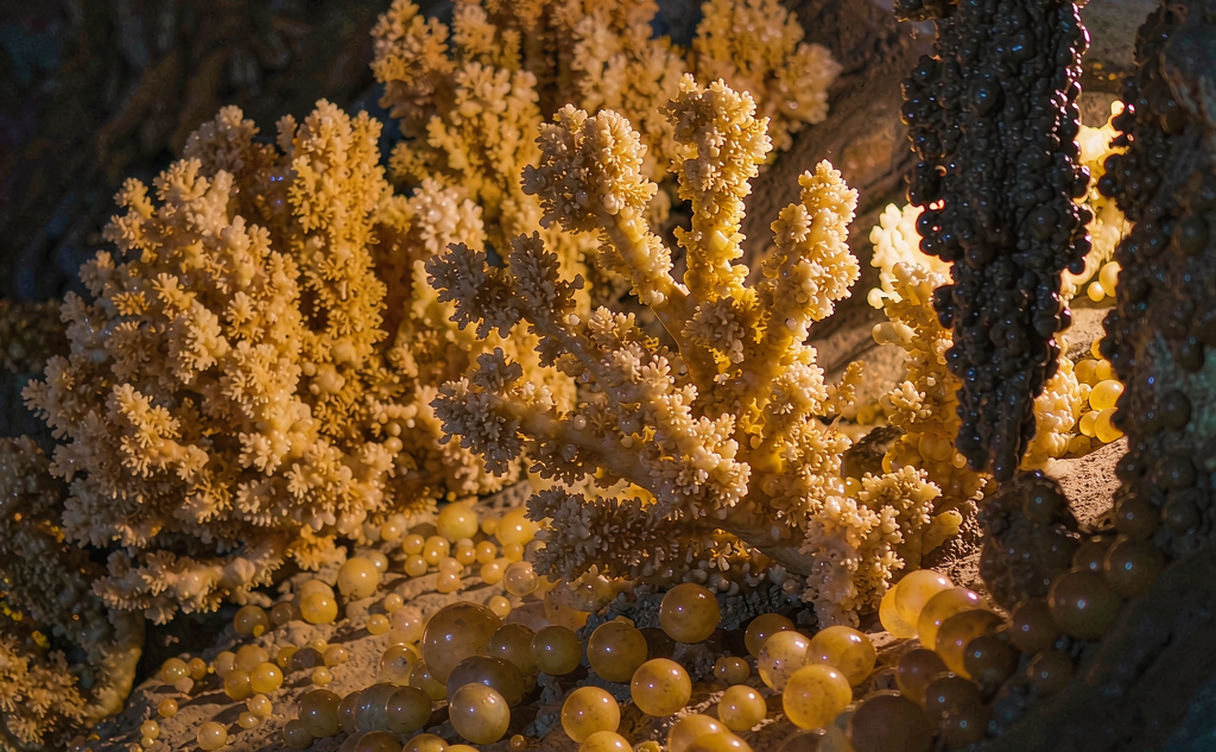
Once you descend into the main hall, the scale is immediate. The chamber stretches for more than a kilometer of developed walkway, lined with calcium formations in shades of cream, amber, and gold under warm lighting. The signature sight is a giant stone waterfall frozen mid-flow, its rippled surface lit so it appears to glow from within.
Beyond the waterfall, the route passes pillars, curtains, and coral-like clusters that have taken hundreds of thousands of years to grow. Look for the “lifelike” shapes locals have named over the years: a group of stone figures, a towering gate, and delicate hanging tubes that chime faintly when air moves through them. The subterranean river runs quietly alongside parts of the path, adding a constant soft sound to the experience.
Furong Cave vs Furong River Gorge
A common question is Furong Cave vs Furong River gorge, since both sit in the same scenic belt. The cave is an enclosed underground world best enjoyed for its formations and cool, still air, while the Furong River gorge is an open canyon where you can raft, hike the banks, or take a cable car for a bird’s-eye view. They complement each other rather than compete.
If your priority is photography and geology, the cave wins for controlled light and jaw-dropping shapes. If you want fresh air, water, and movement, the gorge is the better half-day. Many travelers do both in one visit by taking the cave first and then a short boat or cable ride along the river afterward.
Best Stalactite Caves in Chongqing
Chongqing has several show caves, but Furong Cave is consistently ranked among the best stalactite caves in Chongqing thanks to its size, preservation, and the richness of its decorations. Unlike smaller roadside caverns, it has been carefully developed with stable walkways, even lighting, and protective railings that keep visitors at a safe distance from fragile formations.
For context on how these limestone systems form, the broader science of karst landscapes is well explained on Wikipedia’s karst page, which outlines the slow dissolution of rock that creates caves like this one. Understanding that process makes the visit more meaningful, because every shape you see is the product of dripping water and mineral buildup over immense time.
Chongqing Karst Cave Photography
Chongqing karst cave photography rewards patience and the right settings. Inside Furong Cave the light is warm but dim, so use a tripod or brace against the railings, keep your ISO moderate, and shoot with a slightly narrow aperture for depth. Avoid flash on the large set pieces, since it flattens the glow that makes the stone waterfall special.
The best frames are often the ones that include scale: a walkway curving into the distance, a guide’s lantern catching the edge of a pillar, or the river reflected in a calm pool. Move slowly and let your eyes adjust; the longer you look, the more faces and forms appear in the rock. Early in the day the cave is less crowded, giving you cleaner compositions without strangers in frame.
Planning a Wulong Tiankeng Near Furong Cave Day
A smart way to build a Wulong Tiankeng near Furong Cave day is to start at the Three Natural Bridges in the morning, move to Furong Cave after lunch, and finish with a short stretch of the Furong River gorge before dusk. This order keeps driving time low and lets you end the day near food and lodging in Wulong town.
Wulong town itself is a relaxed base with hotpot restaurants and small hotels that cater to cave and canyon visitors. After a day underground, a slow meal is the perfect reset, and you will find both local Chongqing flavors and simpler noodle shops within walking distance of the bus station.
Food and Towns to Pair With the Trip
No Chongqing trip is complete without its food, and Wulong is a great place to ease into the city’s famous heat. Our Chongqing hotpot food guide walks you through ordering your first bubbling pot, choosing broths, and managing the spice if you are new to Sichuan pepper. It pairs naturally with a cave day, since both are about sensory immersion.
For a quieter, more atmospheric stop, the Furong ancient town guide covers the riverside village near the cave, where wooden houses and lantern-lit alleys make an easy evening wander. If you want a quick, cheap, and deeply local bite, our Chongqing xiaomian guide explains the humble noodle soup that fuels the city each morning.
When you plan your Wulong itinerary, let our team help you sequence the cave, the Tiankeng, and the gorge into one smooth route so you waste no time in transit.
More to Explore Around Chongqing
If you enjoy the karst theme, consider adding the Jinfo Mountain Chongqing guide to your list, where forested peaks and seasonal snow sit above more limestone scenery. Back in the city, the Chongqing Jiefangbei guide points you to the lively core for shopping, river views, and nightlife after your countryside adventures.
For a different regional flavor, our Yunnan wild mushroom hotpot guide is a useful read if your China trip extends beyond Chongqing into the southwest, where broth and toppings take a gentler, earthier turn. Reading ahead helps you appreciate how local ingredients shift from province to province.
Practical Tips Before You Go
Wear comfortable closed shoes with grip, because the cave floor is smooth and can be damp in places. Bring a light layer even in summer, since the underground temperature stays cool year-round. A small backpack with water and a camera is enough; the developed route has rest points but no long climbs.
Guides are available at the entrance and are worth it if you want the stories behind each named formation. Whether you go solo or with a guide, give yourself at least two hours so you are not rushing past the details that make Furong Cave special.
Book your Chongqing karst adventure with us and we will handle trains, transfers, and timed cave entries so you simply show up and explore.
Why Furong Cave Is Worth the Trip
Furong Cave delivers something rare: a fully developed natural wonder that still feels ancient and untamed once you are inside. The combination of golden light, silence broken only by dripping water, and the sheer size of the chambers makes it one of the most memorable stops in the Wulong Karst. For travelers who want geology, photography, and a touch of awe in a single outing, it is hard to beat.
Plan a day that mixes the cave with the gorge and a good meal, and you will leave Chongqing with a story most city visitors miss. Furong Cave is proof that some of China’s best sights are hidden below the surface, waiting for those willing to descend and look up.
Ready to build your custom Chongqing cave and canyon itinerary? Contact our travel specialists and we will craft a route around Furong Cave, the Tiankeng, and the towns that make Wulong unforgettable.