

The first time I landed in Urumqi, I expected a dusty stopover and booked just one night before heading deeper into Xinjiang. By the next morning I had changed the plan. The Urumqi things to do list turned out to be far richer than the guidebooks let on — a museum holding 4,000-year-old mummies with European features, a glacial lake an hour away on a snow-streaked mountain range, and a bazaar that smelled of cumin, apricots, and fresh naan. Urumqi is the capital of Xinjiang and the most practical launch point for the whole region: almost every train and flight into the northwest funnels through here. This guide is the one I wish I’d had — what’s actually worth your time, how to use the city as a hub, and the practical tips (altitude, weather, food, day trips) that make a first visit smooth.
Why Urumqi Belongs on Your Xinjiang Itinerary
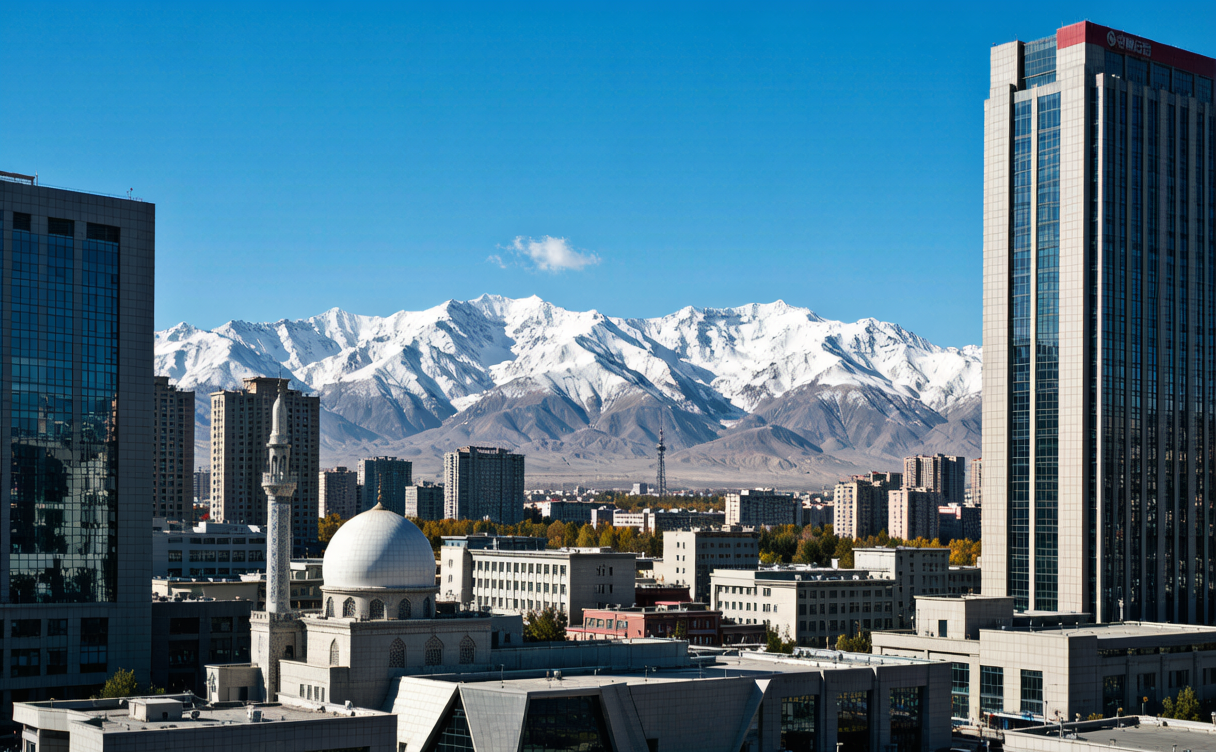
Urumqi sits in a basin at the foot of the Tian Shan mountains, roughly 2,500 meters (8,200 ft) above sea level and about 2,500 km from Beijing. It is, by some measures, the city furthest from any ocean on Earth. That isolation is exactly what makes it interesting: this is where Han Chinese, Uyghur, Kazakh, Hui, and Kyrgyz cultures collide in one compact grid of wide boulevards and tree-lined side streets.
I made the mistake on trip one of treating Urumqi as a transit blur. On trip three I built in three full days and it became the calm, tasty, affordable anchor of the whole journey. Treat it as your base, not your bypass. Before you commit to a wider route, our Xinjiang travel guide lays out the region’s geography so you can see how the city plugs into Kashgar, Turpan, and the southern Silk Road.
Xinjiang Regional Museum — the Tarim Basin Mummies
If you do one indoor thing in Urumqi, make it this. The Xinjiang Regional Museum (Xinjiang Uygur Autonomous Region Museum) holds the famous Tarim Basin mummies — naturally preserved bodies from the deserts of the south, some dating back more than 3,800 years. What stops visitors in their tracks is their appearance: many have light hair, tall frames, and Caucasian features, evidence of ancient westward migration along the Silk Road long before the region’s modern mix. The “Loulan Beauty” is the headline exhibit, but the whole mummy hall rewards slow looking.
The museum is free, but you must book a timed slot in advance through its official WeChat account, and bring your passport. Go early — it gets busy by late morning. The Silk Road textiles, wooden tools, and felt artifacts in the adjoining halls give context to everything else you’ll see in Xinjiang. The UNESCO inscription of the Silk Roads: Chang’an–Tianshan Corridor describes the routes these people traveled, and reading it before you go makes the displays click.
Heavenly Lake (Tianchi) on the Tian Shan
About 110 km east of the city, Heavenly Lake — Tianchi in Chinese — is a glacial lake cradled at around 1,900 meters in the Tian Shan range, framed by the snow-dusted peak of Bogda Feng (5,445 m). On a clear day the water is a flat turquoise mirror and the whole bowl feels suspended above the desert. I went on a Tuesday in September, took the tourist shuttle from the parking lot to the shore, then hiked the western lakeside trail for an hour; by noon the wind had pushed the surface into silver ripples and a light cold front rolled in. Bring a windbreaker even in summer — the altitude and the shadow of the peaks drop the temperature fast.
Reaching Tianchi is easy as a half-day trip: buses and organized shuttles leave from Urumqi, or you can hire a car. The cable car to a higher viewpoint is worth it if the weather is clear; skip it if the summit is socked in. This is the single best nature escape from the city and the easiest taste of the Tian Shan without a multi-day trek. For timing the weather and wildflowers, our best time to visit Xinjiang guide explains which months pair blue skies with comfortable lake temperatures.
International Grand Bazaar — Food, Crafts, Chaos
The Erdaoqiao International Grand Bazaar is Urumqi’s loud, fragrant heart. It’s part market, part stage-set: a cluster of minaret-topped buildings selling dried fruits, nuts, spices, embroidered caps (doppa), knives, carpets, and piles of hand-stretched noodles. Come hungry. My rule is to graze rather than sit for one big meal — a skewer of cumin lamb here, a wedge of melon there, a fresh naan pulled warm from the tandoor.
Evenings are the best time; the plaza fills with music and the food stalls hit full output. Haggling is expected on crafts but not on food. Keep your passport and a small amount of cash handy, and watch your bag in the crowds. If the bazaar whets your appetite for the region’s older trading towns, our Kashgar Old Town travel guide covers the even more atmospheric Sunday market further west.
Using Urumqi as Your Xinjiang Rail and Air Hub
Urumqi is the region’s transport spine, and understanding it saves you days of backtracking. Diwopu International Airport (URC) has direct flights from Beijing, Shanghai, Xi’an, Chengdu, and Guangzhou, plus regional links deeper into Central Asia. The real revelation is the rail network: high-speed trains now reach Turpan in under an hour and continue toward the south, while conventional lines run to Kashgar (a long but scenic ride) and north to the Kazakh border.
On my second trip I flew into Urumqi, took the train to Turpan for two nights, returned, and flew out — no internal flights needed and zero stress. For the booking mechanics, our China high-speed train guide for foreigners explains the apps, ID rules, and seat classes so the Urumqi–Turpan hop is painless. If you want the whole loop mapped, our 7-day Xinjiang itinerary chains the city with Turpan and Tianchi without wasted motion.
Day Trips Worth the Detour
Beyond Tianchi, two day trips stand out.
Turpan — the Hottest, Lowest Oasis
About 190 km southeast, Turpan sits 154 m below sea level and is one of the hottest places in China. The draw is the Flaming Mountains, the ruined desert city of Jiaohe, and the ancient karez underground irrigation channels. A fast train makes it a comfortable day return, though I’d argue an overnight is better.
Southern Pastures and the Tian Shan Foothills
Closer in, the grassland valleys south of the city (Nanshan Pasture) offer yurts, horse rides, and Kazakh family hospitality in summer. It’s the low-effort way to touch real mountain pasture without a trekking permit.
What to Eat in Urumqi
Xinjiang food is its own cuisine and Urumqi is the best place to eat it cheaply. The essentials:
- Chuan’r (羊肉串): cumin-and-chili lamb skewers off the street grills — the city’s signature snack.
- Hand-pulled laghman noodles with tomato, pepper, and beef.
- Big plate chicken (da pan ji): a spicy stew of chicken, potatoes, and belt-wide noodles, built for sharing.
- Naan and samsa: tandoor bread and meat-filled pastries, perfect for train days.
- Xinjiang rice pilaf (polu): carrot, raisin, and lamb rice, mild and filling.
- Kumis and milk tea: fermented mare’s milk for the brave, or sweet salty milk tea for everyone else.
My favorite meal was unplanned: a tiny Hui-run noodle counter near the bazaar, no menu, point at what the next table was eating. That’s the move — follow the locals, not the lit-up tourist fronts. Xinjiang is one of China’s eight great regional cuisines, and sampling it here sets the baseline for everything else you’ll eat on the road.
Practical Tips: Altitude, Weather, and Getting Around
A few things I learned the hard way.
- Altitude is real but mild. At 2,500 m most visitors feel fine, but the first day can bring light breathlessness and dry air. Drink water, slow your first walks, and don’t overbook day one.
- Weather flips fast. Summer days hit 30°C in the city but the Tian Shan stays cold and windy. Pack a shell layer even in July. Winters are brutal and beautiful — see our best time to visit Xinjiang guide for the month-by-month split.
- The sun is strong. High altitude means UV you’ll feel by midday. Hat, sunglasses, sunscreen.
- Get online before you land. Google Maps and Western apps don’t work normally in China. Sort connectivity ahead with a China eSIM or local SIM card so maps and translation work on arrival.
- Pay like a local. Alipay and WeChat Pay cover almost everything; set them up before you fly so you can scan-and-pay like everyone else.
- Passport always. Needed for the museum booking, hotel check-in, and train scans.
Where to Stay
Base yourself near People’s Square or the bazaar (Erdaoqiao metro station) — both put you on the single metro line and within a cheap taxi of the museum and food streets. The bazaar side is livelier and more atmospheric at night; the city center is quieter and better for early train departures. Either way, pick a hotel that confirms foreign-passport check-in in advance, since not every property is licensed for it.
The Bottom Line
Urumqi things to do range from world-class archaeology to a glacial lake an hour away and a bazaar you’ll still be thinking about at home. Give it at least two nights: one for the museum and bazaar, one for Tianchi. Use it as your rail-and-air hub to reach Turpan, Kashgar, and the rest of Xinjiang without wasted flights, and let the food carry the trip. Plan the altitude and the weather, book the museum slot early, and the city repays you as the most relaxed, flavorful start to any northwest China adventure.
Written by Karl — last updated July 2026. Karl has spent three years helping foreign visitors plan low-stress trips across China, including several visits to Urumqi as the launch point for wider Xinjiang trips.