

Tucked into the quiet lanes of Ningbo’s old city, Tianyi Pavilion is the oldest existing private library in China and one of the most atmospheric cultural sites in the Yangtze River Delta. Built in the mid-16th century during the Ming dynasty, it has survived fires, wars, and floods to preserve more than 300,000 ancient volumes. For travelers who enjoy history, architecture, and slow urban wandering, this Tianyi Pavilion guide will help you plan a rewarding visit. If you are mapping out a wider trip, our Ningbo travel guide pairs perfectly with a day spent among these book halls.
The pavilion was founded by Fan Qin, a Ming official who spent his career collecting books and local gazetteers. His family guarded the collection for generations under a strict house rule: books could be read but never taken out, and the building itself was designed around the practical problem of keeping paper safe from fire and moisture. The name “Tianyi” comes from a line in the Book of Changes about water overcoming fire, which explains why a small ornamental pool sits just outside the main reading hall. That blend of scholarship and superstition is part of what makes the place feel so alive.
Download our free Ningbo itinerary and add Tianyi Pavilion to your perfect first day in the city.
The story of the library is also a story of loss and recovery. During the Opium Wars and again in the turbulent early 20th century, parts of the collection were scattered or stolen. Local scholars and later the national government stepped in to recover and consolidate what remained. Today the site is both a museum and a working monument to book culture, managed with the same care you would expect at any serious institution. If you plan to visit several heritage sites on your trip, our China museum booking and reservation guide explains how timed tickets and ID checks usually work.
The traditional library halls
Walking through the Tianyi Pavilion traditional library halls is the heart of any visit. The central building, Tianyi Ge itself, is a single-story wooden structure raised on a stone platform, with a dark tiled roof and lattice windows that filter soft light onto the display cases. Inside you will find facsimiles and a few original volumes, alongside panels explaining the Fan family’s cataloging system. The layout follows feng shui principles meant to balance the five elements, and the garden behind the hall uses rockery, a pond, and centuries-old trees to create a calm reading environment.
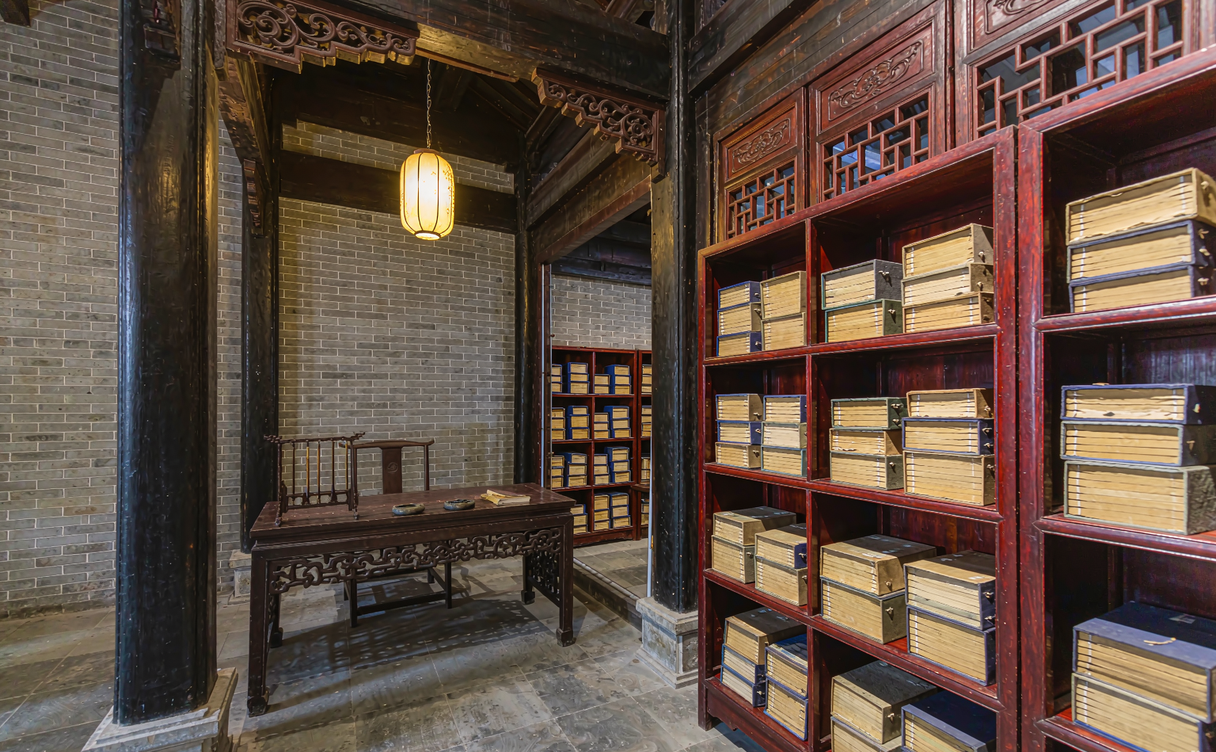
Beside the main hall, the Qin Family Ancestral Temple and the Zun Jing Ge (Hall of Classic Veneration) show how a scholarly household lived. Carved beams, stone courtyards, and a small exhibition of printing blocks round out the picture. For context on how Chinese collectors displayed their treasures, the Shanghai Museum guide offers a complementary look at ceramics and calligraphy from the same eras.
Tickets, hours, and what to expect
For practical planning, here are the key Tianyi Pavilion Ningbo tickets hours details. The site is open daily, typically from about 8:30 in the morning until 5:00 in the afternoon, with last entry around 4:30. Tickets cost roughly 30 yuan for a standard adult admission, though prices shift slightly on holidays. Students and seniors usually receive a discount on presentation of valid ID. Because this is a cultural relic rather than a theme park, expect modest crowds on weekdays and heavier foot traffic on weekends and during Chinese public holidays.
Most visitors spend between two and three hours inside, which leaves plenty of time to read the panels, photograph the gardens, and browse the small bookshop near the exit. Photography is permitted in the courtyards but generally restricted inside the halls where original paper is displayed. Audio guides are available at the entrance and are worth renting if you want the full historical narrative.
How to get there from Ningbo station
Knowing how to get to Tianyi Pavilion from Ningbo station is straightforward. The library sits in Haishu District, about 6 to 8 kilometers from the railway station. The easiest public option is the metro: take Line 2 toward the old town and transfer to a bus or a short taxi for the final stretch, or simply hail a ride-hailing car for a 20 to 30 minute trip depending on traffic. A taxi or rideshare from the station usually costs between 20 and 30 yuan. If you prefer to walk and explore, the pavilion is also reachable on foot from many central hotels in about 25 minutes.
Because the surrounding streets are narrow and largely pedestrianized near the entrance, driving yourself is not recommended. Arriving in the morning not only beats the heat in summer but also gives you first access to the quiet garden paths before tour groups arrive.
Ningbo old city walking route with Tianyi Pavilion
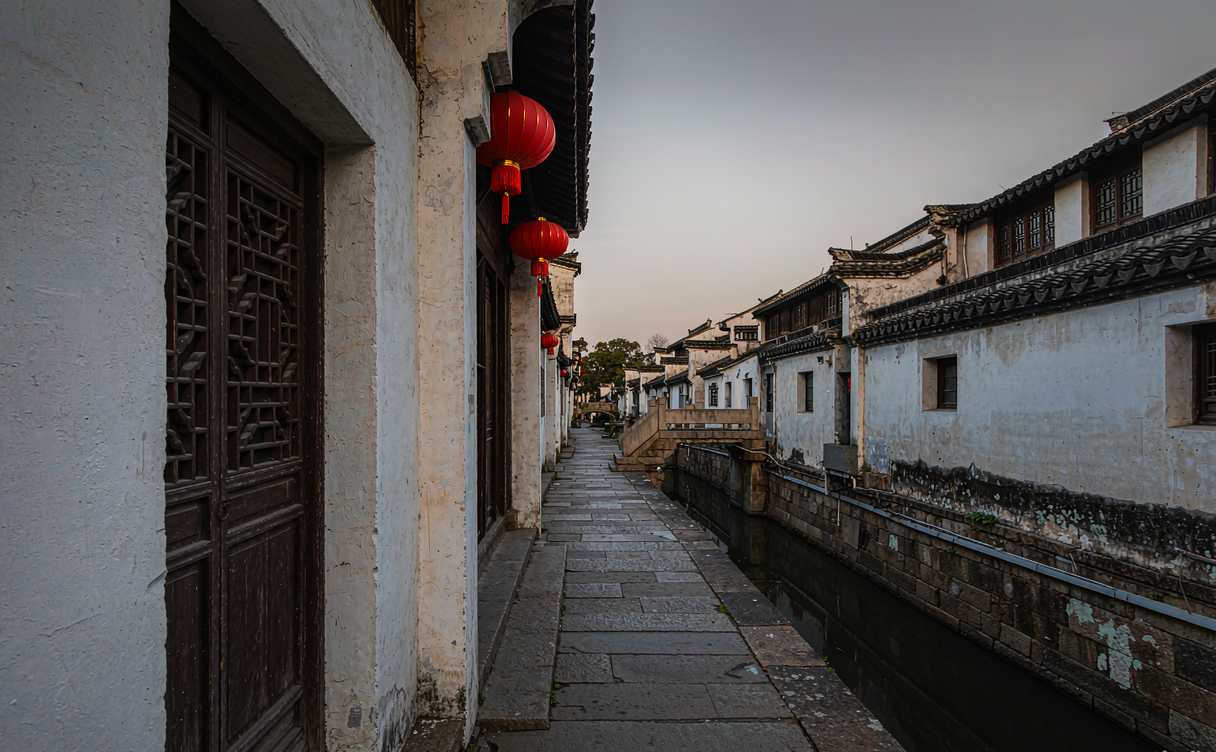
One of the best ways to enjoy the area is a self-guided Ningbo old city walking route with Tianyi Pavilion at its center. Start at the pavilion’s west gate, then stroll eastward along the lanes that once formed the city’s publishing and book-selling quarter. Within a ten-minute walk you reach Tianyi Book Street, a revived commercial lane lined with antique shops, tea houses, and stores selling brushes, ink, and bound reprints of classic texts. It is the modern echo of the scholarly economy that the pavilion helped create.
Continue north to the Moon Lake (Yuehu) area, where literati once gathered, and finish at the city’s food streets for a bowl of Ningbo tangyuan or fresh seafood. This loop is flat, easy, and rich in photo opportunities. If you enjoy this kind of slow heritage walk, the Suzhou Museum guide describes a similar garden-and-courtyard experience a few hours away by high-speed rail.
The best time to visit
Choosing the best time to visit Tianyi Pavilion makes a real difference. Spring (March to May) and autumn (September to November) are ideal, with mild temperatures and clear light that shows off the wooden architecture. The plum rains of early summer can make the garden humid, while July and August are hot and occasionally typhoon-prone. Winter is quiet and atmospheric after a light snow, though some outdoor features look their best in softer seasons. Weekday mornings are consistently the most peaceful windows.
Festivals add a different flavor. During the annual book fairs and cultural heritage days, the pavilion hosts exhibitions and sometimes opens storage rooms to display items not normally shown. Check the official calendar before you travel if you want to catch one of these events.
Beyond Ningbo
Tianyi Pavilion is a strong anchor for any eastern-China cultural trip, but it sits comfortably alongside other highlights. Travelers who like island escapes can compare the scholarly calm of Ningbo with the colonial charm described in our Xiamen Gulangyu Island guide, while those building a longer route should scan our best things to do in China for complementary stops. Each of these destinations rewards the same curiosity about Chinese history that brings people to the library in the first place. For deeper background on the collection and its founding, the Wikipedia entry on Tianyi Pavilion is a useful, well-sourced reference.
Book your Ningbo hotel near the old city so Tianyi Pavilion is just a short morning walk from your door.
A visit to Tianyi Pavilion is less about ticking a box and more about stepping into the mindset of the scholars who built it. The combination of rare books, Ming architecture, and a living book street makes it one of the most distinctive stops in the region. With this Tianyi Pavilion guide in hand, the tickets, hours, transport, and walking route should all fall into place, leaving you free to simply enjoy the quiet of China’s oldest library.
Subscribe to our China travel newsletter for more off-the-beaten-path cultural guides like this one.