

You arrive at a major national museum at nine in the morning, join the shortest queue you have ever seen in China, and are turned away in four seconds because you have no reservation. The tickets were free. They were also released seven days ago and gone in ninety seconds. This China museum reservation guide explains the real-name booking system that now governs almost every significant museum and attraction in the country, and — more usefully — the exact steps for getting a slot with a foreign passport.
The system is not designed to exclude visitors. It is designed to cap crowds, and once you understand its rhythm it is entirely workable. But it does have to be done in advance, from your phone, in Chinese apps.
Why Everything Needs a Reservation Now
Chinese museums went reservation-only during the pandemic and never went back. The reasons stuck: visitor numbers at the top institutions are extraordinary, most state museums are free to enter, and free plus popular equals uncontrollable crowds without a booking cap.
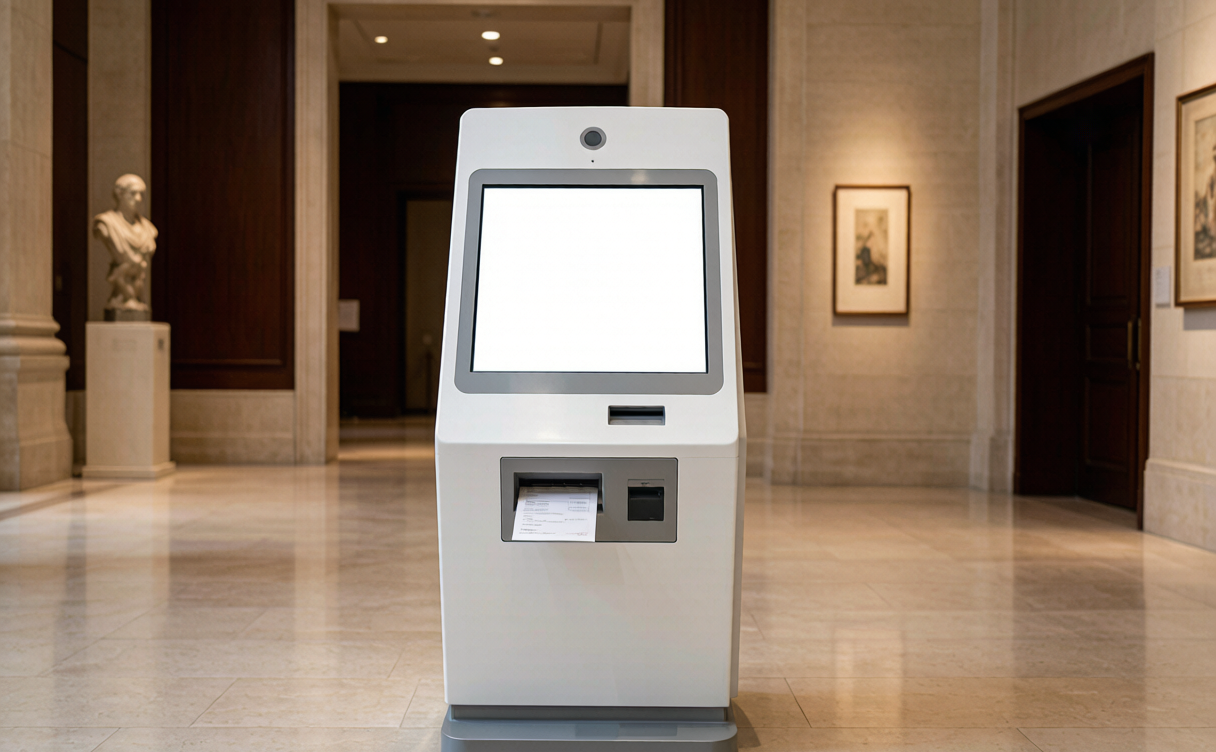
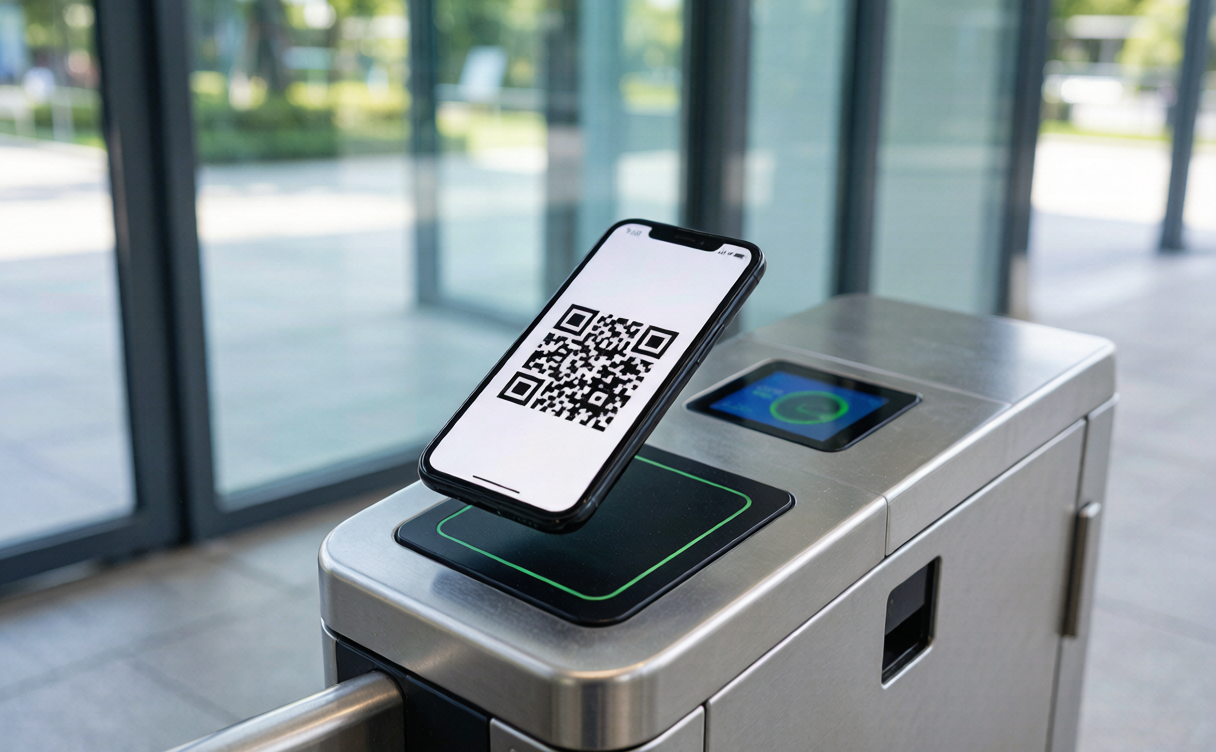
So today, almost every state museum, most major historic sites, and a growing number of parks and temples operate timed-entry booking. The real name ticket booking China attractions use ties each ticket to one identity document. At the gate, a scanner reads your document or QR code, matches it against the booking, and the turnstile opens. There is no paper ticket and often no ticket office at all.
Free does not mean easy. The most sought-after institutions — the national museums in Beijing and Shanghai, the Terracotta Warriors, the Forbidden City — release limited daily quotas that clear within minutes on holidays and summer weekends.
Real-Name Booking: What Your Passport Does
Chinese citizens book with a national ID card, which the gate scanners read directly. Foreign visitors book with a passport number, and this creates the one structural difference you need to understand: passport-holders often cannot use the automatic ID-card gates and are directed to a manual verification lane or a staffed counter instead.
Practical implications:
- Enter your passport number exactly as printed, including letters, with no spaces. A mismatch of one character means refusal at the gate.
- Use the passport you will actually carry. If you renew between booking and travelling, rebook.
- Bring the physical passport, not a photocopy or phone image. Staff check the document itself.
- Every person in your party needs their own booking under their own passport, including children.
- Look for signage reading 人工验票 or “Manual Check” — it is usually to one side of the main gates and is often faster than the citizen queue.
Before You Arrive: Set These Up
Do this at home, over hotel wi-fi, not standing outside a museum.
Step 1 — Install WeChat and Alipay and complete identity verification in each. Nearly all museum booking runs through mini programs inside these two apps, not through websites.
Step 2 — Bind an international credit card. Visa and Mastercard now work in both wallets for most travellers. Even free tickets sometimes require a payment method on file.
Step 3 — Add your passport to the traveller profile. Both apps let you store identity documents for booking; entering it once saves a great deal of typing later.
Step 4 — Get a working mobile number. Booking confirmations and cancellation codes arrive by SMS, and some platforms will not accept an international number. A local eSIM or a roaming number that receives SMS solves this.
Step 5 — Install a translation app with camera OCR. Booking interfaces are frequently Chinese-only, even where the museum’s English website exists.
Step-by-Step: How to Book Chinese Museum Tickets With Passport Details
WeChat mini program museum booking is the default channel almost everywhere, so this sequence assumes you are working inside WeChat.
1. Find the release window. Most museums open bookings 7 days ahead, at a fixed time — commonly 08:00, 17:00 or 20:00 Beijing time. Some release 10 or 14 days ahead. Check the museum’s WeChat official account, which always states the rule.
2. Search the official channel. In WeChat, tap the search bar, search the museum’s Chinese name, and choose the 小程序 (mini program) result marked as official. Avoid third-party resellers charging a markup for what is free.
3. Register your visitor profile. Name as printed in the passport, passport number, nationality, mobile number.
4. Choose date and time slot. Slots are usually two-hour windows; you must enter within the window but can stay until closing.
5. Confirm and receive the code. A QR code or booking reference appears in the app and by SMS. Screenshot it — signal inside stone museum buildings is unreliable.
6. Set an alarm for the release time. For the highest-demand sites, be in the app two minutes early with your details already saved. This is the difference between success and failure.
7. Repeat per person. Group bookings exist on some platforms but are inconsistent.
Total time: about ten minutes for the first booking, two minutes for each one after that.
| Attraction type | Typical release | Typical price | Difficulty |
|—|—|—|—|
| National and provincial museums | 7 days ahead | Free | High on weekends and holidays |
| City museums | 1–7 days ahead | Free | Low to moderate |
| Major heritage sites | 7–10 days ahead | ¥40–150 (US$6–21) | Moderate to high |
| Temples and parks | Same day to 3 days | ¥10–60 (US$1.50–8) | Low |
| Special exhibitions | Varies | ¥80–200 (US$11–28) | Moderate |
The heavyweights each have their own quirks, and we cover them individually: the National Museum of China in Beijing, the Shanghai Museum, Shaanxi History Museum in Xi’an and the Sanxingdui Museum all run slightly different quota systems.
Why Are Chinese Museum Tickets Sold Out — and What Then?
Because quotas are small, entry is free, and domestic tourism is enormous. Knowing that does not get you in, so here is what actually works, in order. This is also the practical answer to free museum tickets China visitors cannot find: how to reserve one is largely a question of persistence.
Refresh for cancellations. Slots are released continuously as people cancel, and the heaviest drop is 24 to 48 hours before the date. Check three times a day. This genuinely works.
Try the late slots. The 15:00 and 16:00 windows survive longest and are often the most pleasant — tour groups clear out after lunch.
Go on a weekday, and avoid Mondays. Most Chinese museums close on Monday. Tuesday to Thursday is your best window.
Book the special exhibition instead. Paid temporary exhibitions frequently include general admission and are far less contested.
Ask your hotel. Concierges at larger hotels hold relationships with ticketing agents and can sometimes secure a slot. Expect a service fee of ¥100–300 per person.
Book a licensed guided tour. Legitimate operators hold group allocations separate from the public pool. For the Forbidden City in particular this is a common workaround, and our Forbidden City tickets guide explains how its quota differs from the museum system.
Go somewhere else. Every major city has excellent second-tier museums with same-day availability and a fraction of the crowds.
What does not work: turning up and pleading, buying from touts outside the gate (the ticket is tied to someone else’s identity and will not scan), or booking through unofficial resale sites.
On the Day
Arrive 20 to 30 minutes before your slot. Security screening at Chinese museums is airport-standard: bags through an X-ray, liquids sometimes tested, and lighters, power banks over the rated limit, tripods, selfie sticks and large backpacks frequently refused. Most sites have free lockers, but they fill by mid-morning.
At the gate, present your passport and, if asked, the QR code. If the automatic reader rejects the passport, do not queue again — go straight to the manual verification desk. Staff will type the number in and check the booking against your document. This takes a minute and is entirely routine.
Free museums usually also offer free audio guides in English, sometimes against a deposit or an app download. Ask at the information desk immediately after entry; supplies of English handsets are limited.
Cancellations, No-Shows and Common Pitfalls
Cancel through the same mini program you booked in, ideally 24 hours ahead. Several major museums operate a no-show penalty: miss a booking without cancelling and your passport may be blocked from booking that institution for a period, commonly 30 to 90 days. Refunds on paid tickets follow each site’s own policy, typically full outside 24 hours and partial or nil inside.
The pitfalls that catch visitors most often:
- Assuming free entry means walk-in entry
- Booking on a Monday, when most museums close
- Typing the passport number with spaces or the wrong letter
- Leaving the passport in the hotel safe
- Using a resale site and arriving with a ticket in someone else’s name
- Forgetting that release times are Beijing time, not your home time zone
- Not cancelling a slot you cannot use, and losing booking rights afterwards
Policies do shift, particularly around national holidays when quotas are expanded or restricted at short notice; the Ministry of Culture and Tourism publishes announcements when rules change nationally, and individual museums post their own updates on their WeChat accounts. If this is your first trip, our China travel guide for first-timers covers the apps, SIM cards and payment setup that make all of this painless.