

Suzhou has always been called the paradise of the Jiangnan region, a city where whitewashed walls meet black tiled roofs and narrow canals thread between centuries-old courtyards. For travelers who love good food, the real treasure is found at the table. The best Suzhou restaurants do more than serve meals; they stage an experience rooted in Ming and Qing dynasty hospitality, where seasonal ingredients, delicate knife work, and a quiet sense of refinement come together. Whether you are wandering the stone lanes of the old town or settling onto a lantern-lit deck above the water, the dining scene here rewards slow discovery.
This guide will help you understand the local food culture, point you toward the best restaurants in Suzhou old town, and explain exactly what to order so you do not miss the dishes that define this city.
Why Suzhou Restaurants Feel Different
Jiangnan cuisine, known in English as the cooking of the lower Yangtze, prizes subtlety over heat. Suzhou sits at the sweet end of that spectrum. Local chefs lean on a gentle sweetness to round out savory notes, a style that surprises first-time visitors from Sichuan or Hunan. The result is what many call Suzhou sweet and savory cuisine, a balance that feels mellow rather than sugary.
The city’s location matters. Surrounded by Taihu Lake and a dense network of rivers, Suzhou has long enjoyed freshwater fish, river shrimp, lotus root, and water greens that reach the kitchen within hours of harvest. Old methods such as red-braising in soy and rock sugar, slow steaming, and cold tossing in fragrant oil keep these ingredients honest. Dining is also tied to the calendar: spring brings river perch, summer offers cooling lotus seeds, autumn is the season for hairy crab, and winter calls for warming clay-pot stews.
Suzhou Signature Dishes To Eat
Before you choose a restaurant, learn the classics. These are the Suzhou signature dishes to eat on any proper itinerary:
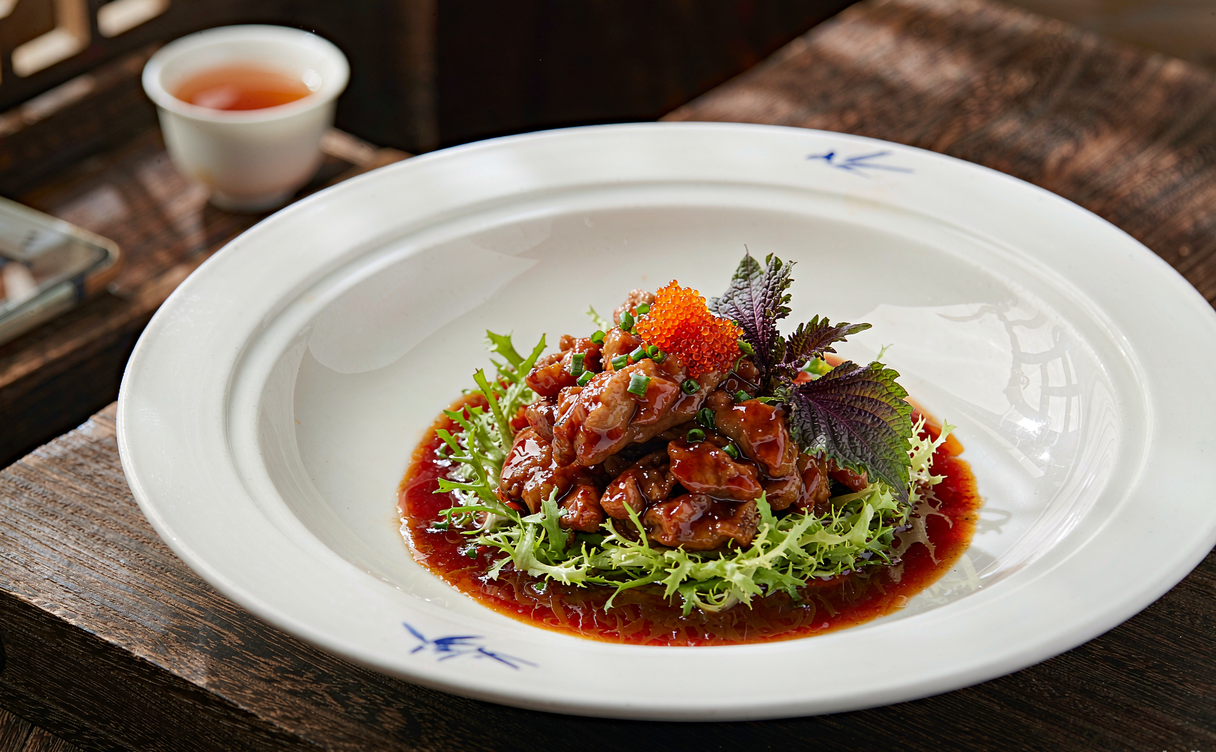
Squirrel-shaped mandarin fish is the city’s most famous showpiece. The fish is scored, fried until the flesh blooms like a tail, then lacquered in a glossy sweet-and-sour sauce that crackles when poured at the table. It is theatrical and delicious.
Biluo shrimp pairs local river shrimp with Biluochun, one of China’s celebrated green teas. The shells turn a faint jade, and the aromatics are floral rather than heavy.
Cold drunken crab, marinated in yellow wine, is a cold-weather delicacy that locals guard fiercely. For vegetarians, the kitchen transforms winter melon, tofu, and mushrooms into mock meats that trick even practiced palates. If you follow a plant-based diet, keep our Suzhou vegetarian restaurant guide handy, because temple-style cooking here is genuinely refined rather than merely absent of meat.
Do not skip the noodles. Suzhou’s breakfast culture revolves around fine wheat noodles served in clear or red-braised broth, topped with marinated pork or shrimp. A humble bowl from a neighborhood counter can outshine a banquet.
Where To Eat Near Pingjiang Road
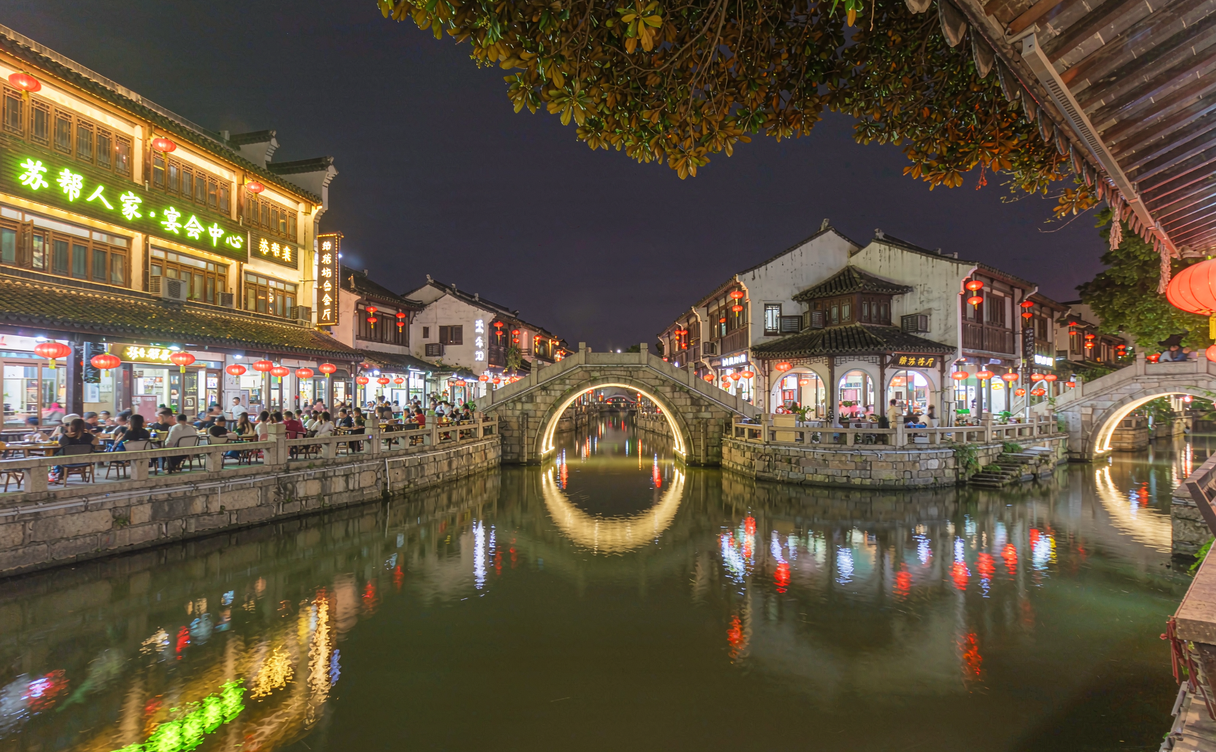
The historic core is compact, walkable, and full of tables. If you want atmosphere, start with where to eat near Pingjiang Road. This canal-side lane is the postcard image of Suzhou: wooden facades, stone bridges, and the soft slap of laundry in the water below. Several restored residences now hold intimate dining rooms where you watch the boats drift past while you eat.
For a refined evening, look for restaurants set inside converted scholar’s gardens. These venues often serve a set menu that walks through cold appetizers, a soup, a whole fish, seasonal vegetables, and a sweet finish such as osmanthus-flavored lotus root. Reservations are wise on weekends.
Just off the main strip, smaller family kitchens offer better value and a more local rhythm. Order two or three shared plates, a bowl of noodles, and a pot of tea, then stroll the lit canal afterward. Our Suzhou Pingjiang Road guide maps the exact lanes and the quiet corners worth discovering between meals.
Canal Side Dining Suzhou Style
Few experiences match canal side dining Suzhou offers after dusk. Restaurants built over the water open their windows to the reflection of lanterns, and the gentle current becomes part of the meal’s soundtrack. The cooking here tends toward lighter preparations so the setting, not just the plate, carries the evening.
Choose a window table and time your visit for the blue hour, when the sky turns lavender and the first lights flicker on the water. A typical order might include steamed white fish with scallion, a plate of blanched seasonal greens with fermented tofu, and a small clay pot of braised pork belly that melts without apology. Pair it with a local rice wine served warm, and you will understand why poets once lingered in this city for months.
If you want to compare styles, the neighboring city of Yangzhou shares the Jiangnan table but leans less sweet. Our Slender West Lake Yangzhou guide explains how to plan a day trip that adds a second culinary accent to your Suzhou base.
Best Restaurants In Suzhou Old Town
Narrowing the list is hard, but a few archetypes cover every traveler. The grandold banquet houses near the former city center specialize in multi-course tasting menus and impeccable knife work; they suit celebrations and serious food lovers. Mid-range garden restaurants balance price and setting, perfect for a long lunch. Neighborhood noodle shops and dim sum parlors handle breakfast and quick meals with zero pretension.
When evaluating a menu, look for seasonal specials written on a board rather than printed. That board is the chef’s honest voice. Ask what arrived fresh that morning; in Suzhou, the answer changes the order. For deeper context on ingredients and etiquette, our Suzhou food guide is the companion read before you fly.
Vegetarians should not assume limitation. The Suzhou vegetarian restaurant guide within our resources lists temple-influenced kitchens where mock duck is pressed from wheat gluten and smoky “ham” is built from fermented tofu skin. These dishes are not compromises; they are their own tradition.
Planning Your Food Trip
Timing shapes the menu. Autumn, from September to November, is peak season for hairy crab and clear skies, so book tables early. Spring offers tender bamboo shoots and lighter crowds. Summer is humid but perfect for cold noodles and iced tofu desserts. Winter rewards you with rich braises.
Budgeting helps. A street noodle bowl runs a few dollars, a solid garden restaurant meal settles around twenty to forty per person, and a full fine-dining tasting menu can climb higher. None of it requires formal dress; relaxed smart-casual fits every room in the old town.
Location matters for logistics. Staying inside the historic district puts you within a ten-minute walk of most recommended tables and lets you graze across several small spots in one evening. Our best hotels in Suzhou guide lists properties that balance comfort with walkable access to the canals, while travelers extending to Zhejiang can review hotels near West Lake Hangzhou for the next leg of the journey.
A Note On Etiquette And Ordering
Suzhou tables are shared and sociable. Dishes arrive in the center for the group, and rice or noodles anchor the meal. Tipping is not expected. When in doubt, order one shared plate per diner plus a staple, then add a sweet or soup if the table is hungry.
Learn a few dish names in English phonetics before you go, or simply point at neighboring tables; Suzhou diners are proud and happy to recommend. The city’s food culture is documented in broader Chinese culinary writing, and you can read the regional overview on Wikipedia’s page about Suzhou for background on its history and gastronomy before your trip.
Final Thoughts
The magic of Suzhou restaurants is the way they fuse place and plate. You are not just eating; you are sitting inside a living painting, listening to water, and tasting a cuisine that has been polished for a thousand years. From the squirrel fish that sizzles at your table to the quiet vegetarian mock meats, every bite carries the temperament of Jiangnan: gentle, precise, and quietly confident.
Plan loosely, eat slowly, and let the canals lead you from one table to the next. Your stomach, and your camera, will thank you.
Make the most of your Suzhou visit with our best hotels in Suzhou guide.
Discover more dishes and neighborhood tips in our Suzhou food guide.
Extend your Jiangnan journey with our Suzhou Pingjiang Road guide.