

The Song dynasty ruled China from 960 to 1279 and is remembered as one of the most culturally brilliant and economically advanced periods in world history. For modern travelers, its legacy is visible in the canal cities of the east, the ceramics in museum cases, and the painted scrolls that still set the standard for Chinese landscape art. This song dynasty guide walks you through the history, the key places, and the practical ways you can experience that heritage on a trip today. If you are deciding where to begin a wider itinerary, our China travel guide for first-timers is a useful companion.
A Quick Timeline of the Song Dynasty
The dynasty is split into two eras. The Northern Song (960 to 1127) was founded by Emperor Taizu and made its capital at Kaifeng, then called Bianjing, in present day Henan province. At its peak the city may have held more than a million people, making it one of the largest urban centers on earth. The Southern Song (1127 to 1279) began after the northern capital fell to the Jurchen Jin; the court retreated south and established a new capital at Hangzhou, then known as Lin’an, in Zhejiang province. The Southern Song lasted until the Mongol conquest in 1279.
According to the Encyclopaedia Britannica Song dynasty overview, the Song period saw a level of commercial development unmatched anywhere in the pre-modern world, with a population that grew rapidly thanks to new rice strains and expanded farmland. That economic energy is exactly what makes the dynasty so rewarding to explore as a traveler.
Kaifeng: The Northern Song Capital
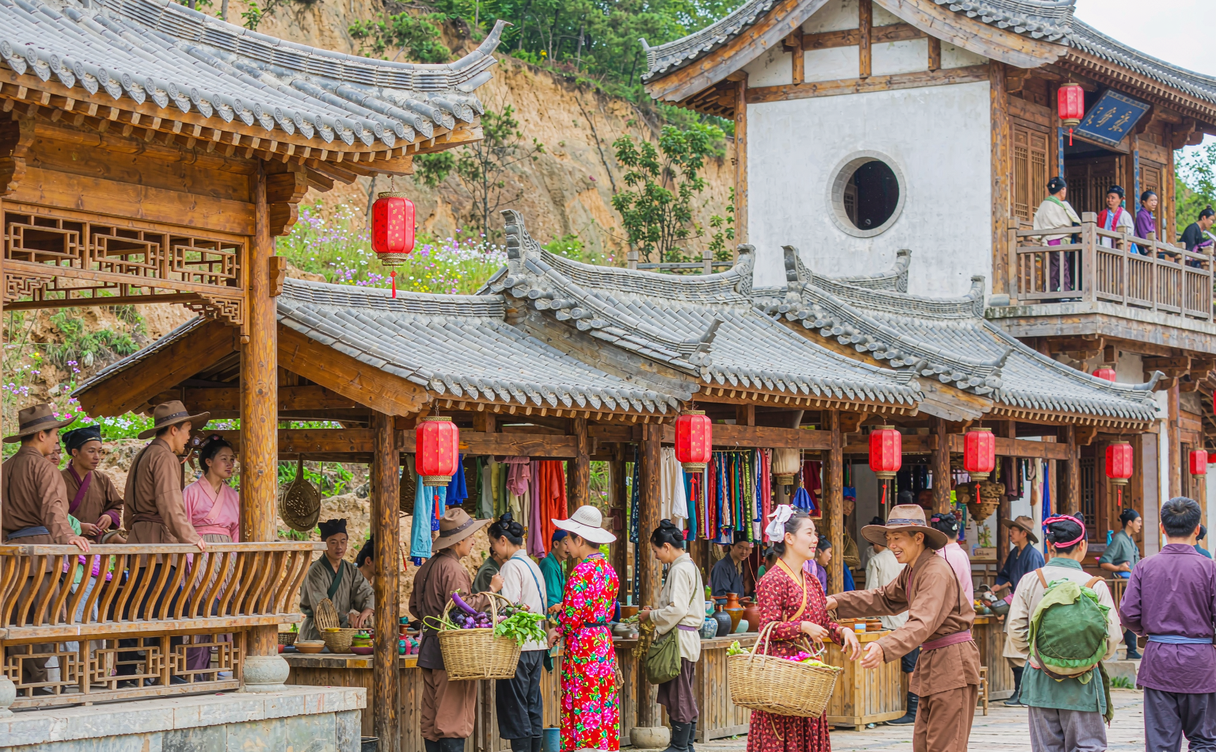
Kaifeng sits on the flat plains of Henan and was the beating heart of the Northern Song. The famous scroll Along the River During the Qingming Festival captures its busy bridges, teahouses, and boat traffic on the Bian River. Today the city recreates that world at Kaifeng Millennium City Park, a large theme park built around scenes from the scroll. Visitors can watch street performances, try period snacks, and see actors in Song era costume rowing replica boats. It is the single best place in China to feel what an 11th century city looked and sounded like.
While in the region, many travelers also connect onward to Xi’an to see earlier imperial treasures at the Shaanxi History Museum in Xi’an. The two cities together tell a long story of how Chinese capital culture evolved from the Tang to the Song.
Hangzhou (Lin’an): The Southern Song Capital
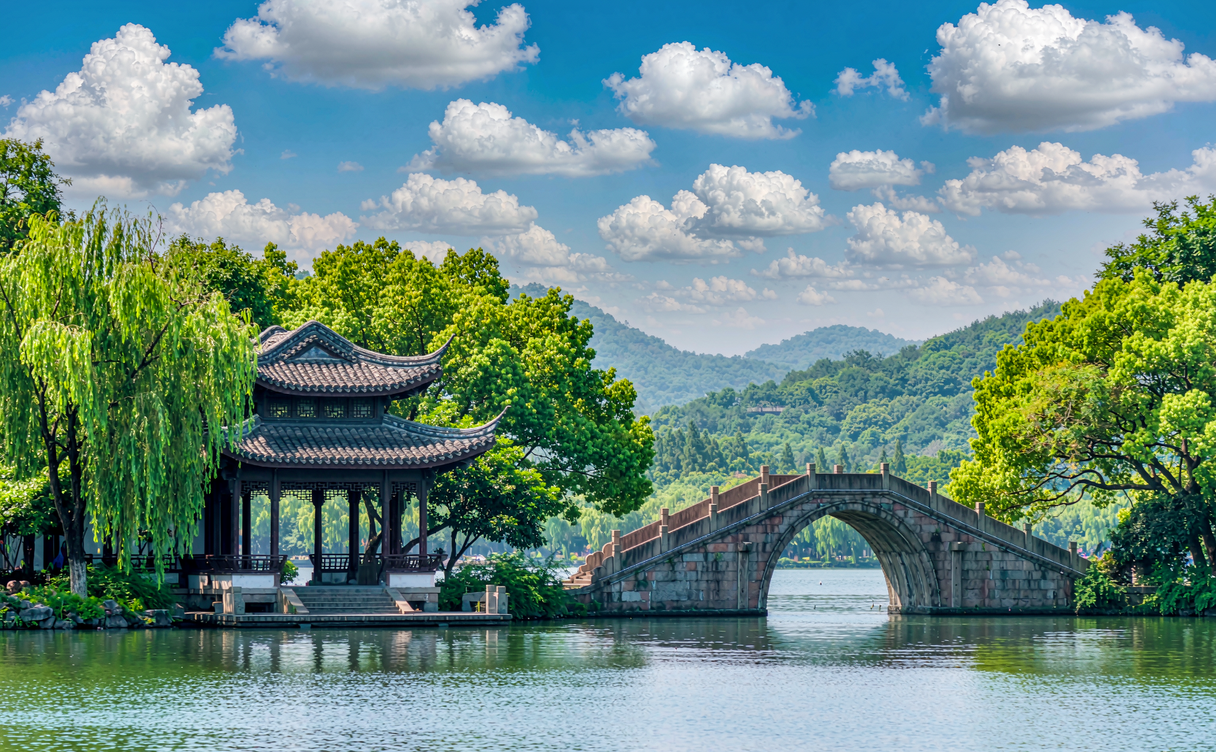
When the court moved south, Hangzhou became one of the wealthiest cities in the world. The Italian traveler Marco Polo, arriving a few decades after the dynasty ended, described it as the finest and most splendid city he had ever seen. The heart of Song era Hangzhou remains the West Lake, a calm expanse of water ringed by causeways, pagodas, and gardens that were celebrated in countless poems and paintings. A slow walk or boat ride on the lake is the closest you can get to the refined leisure culture of Southern Song scholars.
Nearby, the Southern Song Imperial Street and the old canals still follow their medieval layout. For a broader plan of what to see in the country, our list of the best things to do in China includes Hangzhou as a highlight.
The Economic Revolution and the First Paper Money
The Song era is often called China’s medieval economic revolution. Agriculture intensified, iron production soared, and a vast network of rivers and canals let goods move cheaply across the empire. Cities boasted night markets, printed paper money, and a class of merchants who were no longer looked down on as in earlier times.
The most famous innovation was paper money. Merchants in Sichuan first used privately issued notes called jiaozi because the region’s heavy iron coins were awkward to carry. The government eventually took over issuance, creating the world’s first widely used state backed paper currency. When you hold a Song era note replica in a museum, you are looking at the ancestor of every banknote in your wallet today. This is a centerpiece of any song dynasty guide because it changed how economies work everywhere.
Ceramics: Celadon and the Famous Kilns
Song potters pursued restraint and perfection. The signature look is celadon, a soft blue green glaze inspired by jade, produced in huge quantities at the Longquan kilns. Even more prized were the wares of the Ru kiln, whose subtle sky blue glaze was made for the Northern Song court in tiny quantities; fewer than a hundred pieces survive, and they are scattered across the world’s great museums. Other notable kilns include Ding, Jun, and the southern Longquan and Jingdezhen workshops that would grow even larger later.
Seeing these pieces in person is unforgettable. Plan a visit to the Palace Museum in Beijing, where the Forbidden City ticket guide will help you book access to the ceramics galleries. The contrast between a Ru ware bowl and a rough everyday pot tells you everything about Song taste.
Landscape Painting and the Scholar Ideal
Song painters shifted Chinese art toward monumental landscape. Works such as Fan Kuan’s Travelers Among Mountains and Streams and Guo Xi’s Early Spring present towering peaks and mist filled valleys that express both the power of nature and the calm of the cultivated mind. Painting, calligraphy, and tea drinking were the three pillars of scholar life, and you can still trace that lifestyle in the gardens and studios of Hangzhou and Suzhou.
The Grand Canal and Tea Culture
The Grand Canal, expanded and maintained by the Song, moved grain and tribute from the rich Yangzi delta to the northern capitals. It tied the empire together and made cities like Hangzhou prosper. Along its banks, tea culture flourished: the Song preferred whipped powdered tea served in small bowls, a ritual that later influenced the tea ceremony of Japan. Today you can join a Song style tea experience in Hangzhou, where local masters demonstrate the preparation while overlooking the West Lake.
Experiencing Song Heritage Today
A practical itinerary might run: start in Kaifeng for Millennium City Park and the Iron Pagoda, then travel south to Hangzhou for West Lake and the Southern Song sites, with a side trip to Longquan if ceramics are your passion. Museums in Beijing and Xi’an round out the picture with ceramics and scrolls. If you want to combine this with the country’s most famous landmarks, the Great Wall of China guide is a good next read.
When to go matters. Spring and autumn bring mild weather in both Kaifeng and Hangzhou, and Hangzhou’s West Lake is especially lovely when the willow trees turn green in April or the maples redden in November. Give each city at least two full days so you can enjoy both the museums and the slower street life.
Frequently Asked Questions
When was the Song dynasty?
The Song dynasty ruled from 960 to 1279. It is divided into the Northern Song (960 to 1127) with its capital at Kaifeng, and the Southern Song (1127 to 1279) with its capital at Hangzhou, then called Lin’an.
What were the Song dynasty capitals?
The two main capitals were Kaifeng in the north, known as Bianjing during the Northern Song, and Hangzhou in the south, known as Lin’an during the Southern Song. Both cities preserve tangible heritage that travelers can visit today.
What was Song dynasty paper money?
The Song introduced jiaozi, the world’s first widely used paper currency, starting as private merchant notes in Sichuan before the state took over issuance. It was a response to the difficulty of carrying heavy iron coins and marks the dawn of paper money as we know it.
Why is a Song dynasty guide useful for travelers?
Because the dynasty left behind walkable cities, living tea traditions, and world class museum collections. Following a song dynasty guide lets you connect real places, like Kaifeng Millennium City Park and Hangzhou West Lake, to one of history’s great economic and artistic booms.
Final Tips for Your Trip
Song heritage is best appreciated slowly. Spend an evening at a Kaifeng night market, take a dawn boat on the West Lake, and leave time for at least one serious museum. The dynasty rewards curiosity: the more you know about its markets, kilns, and paintings, the more alive these places become.