

Just outside the Tibetan town of Xiahe in Gannan, Gansu, China, the Sangke Grassland unfurls in wide green swaths where yaks graze and prayer flags snap in the wind. We have sent travelers here as a soft, high-altitude counterpoint to the temples of nearby Labrang, and it is the kind of place that resets your sense of scale. If you are following our China travel guide for first-timers, Sangke is an easy half-day or overnight add-on once you are already in Gansu.
Where It Is
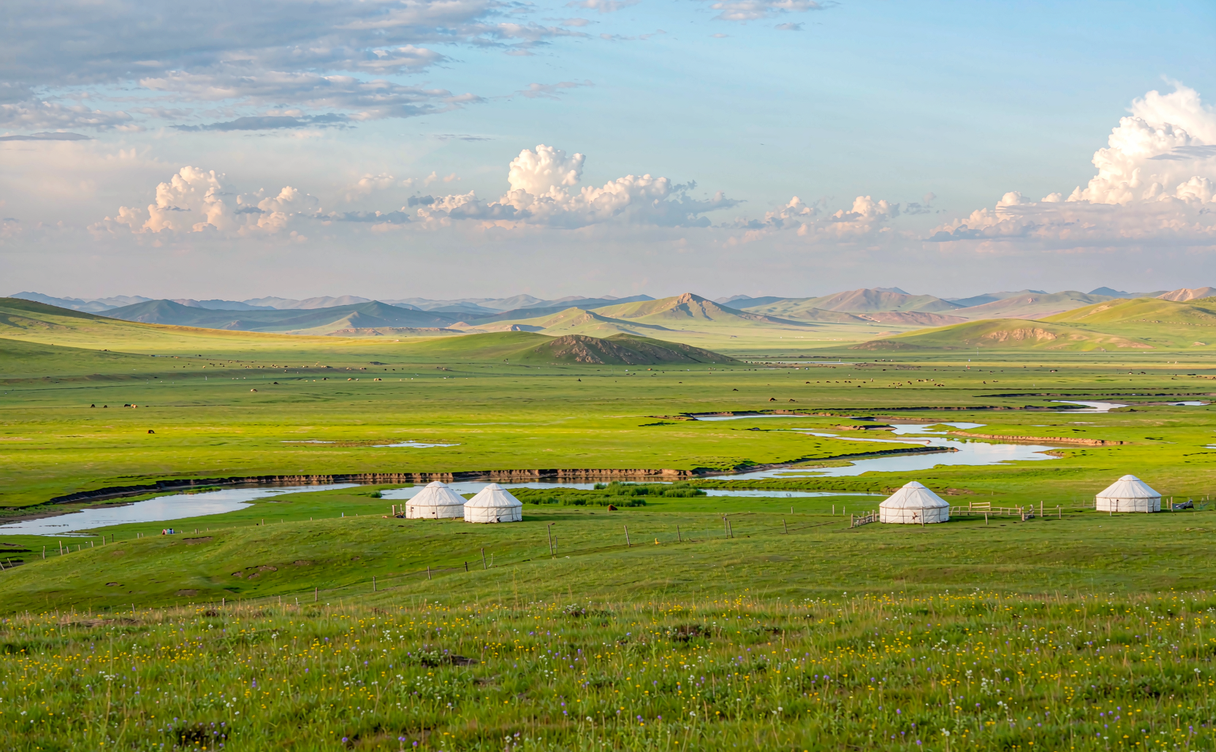
Sangke lies about 10 km southwest of Xiahe town, in the Gannan Tibetan Autonomous Prefecture of Gansu, China. The grassland sits at roughly 3,000 m, making it a gentle introduction to plateau terrain without the extreme altitudes of western Tibet, China. The drive from Xiahe takes 20–30 minutes by car or taxi, and the rolling hills are dotted with nomadic camps through the summer. The meadow itself is part of a wider pastoral landscape that extends toward the border with Qinghai, so the sense of open space is even bigger than the short transfer suggests.
Getting There
Most travelers reach Xiahe from Lanzhou (the Gansu provincial capital) or Xining (Qinghai). From Lanzhou it is about 230 km — a 3.5–4.5 hour bus or private car, with fares from ¥80 by coach up to ¥600–¥900 for a private transfer. From Xining it is roughly 280 km. There is no train to Xiahe; the nearest station is in Hezuo, 70 km away. Once in Xiahe, hire a local taxi or join a half-day grassland tour (¥150–¥300 per person including a stop at a nomadic family). For wider planning, our high-speed train guide for foreigners explains how to reach Lanzhou and Xining by rail first, which is the smart way to begin.
Best Time to Visit
The best time to visit China guide puts Gansu’s grassland season squarely in summer. Late June through early September is ideal: the grass is lush, wildflowers carpet the slopes, and daytime temperatures run a pleasant 15–25°C. July and August are busiest, with local horse-racing festivals drawing Tibetan crowds. We particularly like late August, when the light is soft and the tourists thin. Avoid November to April, when the grassland freezes and most tent camps close. June is lush but muddy after the thaw, while September brings the first gold to the hills — both are lovely if you don’t mind cooler nights.
Things to Do on the Grassland
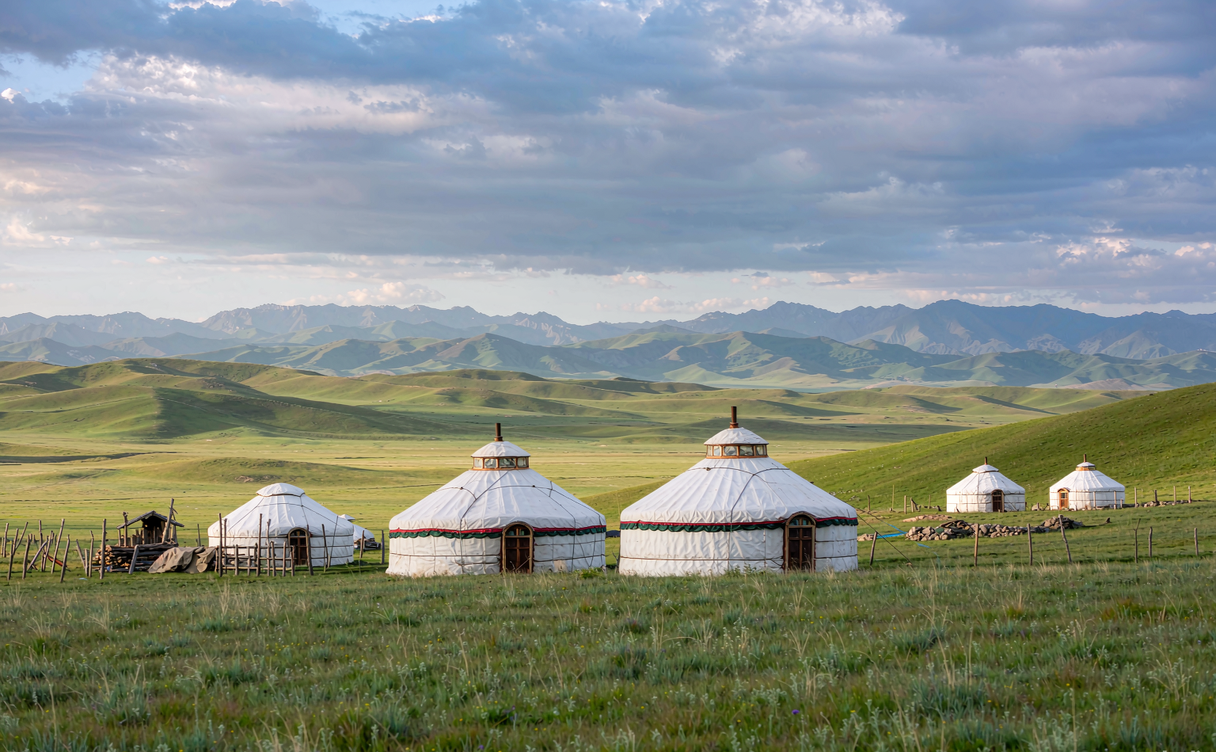
The classic experience is visiting a Tibetan nomadic family in a yak-hair tent. For ¥50–¥100 you are welcomed with butter tea and tsampa, and you can try your hand at milking or simply sit by the fire. Horse riding is the headline activity — guided rides along the meadow cost about ¥80–¥150 per hour. Photographers flock to the rolling hills at sunrise and sunset when the slopes turn gold.
Adventure seekers can arrange an overnight in a summer tent camp, which puts you under the open plateau sky. Many travelers also combine Sangke with a visit to Labrang Monastery, one of the largest Tibetan monastic institutions outside the Tibet Autonomous Region; the Labrang Monastery article on Wikipedia explains its scale and history. The monastery is a 10-minute walk from Xiahe’s center and pairs perfectly with an afternoon on the grass.
Festivals and Local Life
If your timing is lucky, the summer horse-racing festivals are the soul of Sangke. Communities from surrounding villages gather in traditional dress, with riding competitions, wrestling, and tent bazaars selling dried cheese and silver jewelry. Even outside festival weeks, the rhythm of herding life is visible: yaks being driven at dawn, women churning butter, and children tending small flocks. Ask your host before joining any activity, and a small tip for a photo session is appreciated and fair.
Where to Stay: Tents and Towns
Sangke’s signature lodging is the summer tent camp. Wooden-framed or yak-hair tents with proper beds run ¥200–¥500 per night in peak season; the better ones have shared hot-water bathrooms and serve hearty noodle dinners. Staying overnight lets you catch the grassland under stars — a real treat at 3,000 m where the Milky Way is vivid. If you prefer comfort, return to Xiahe, where guesthouses and a few international-standard hotels range ¥250–¥700 per night, and you can still do a sunrise drive out to the meadow.
Food and Costs
On the grassland, meals are simple: yak meat hotpot, hand-pulled noodles, and dairy. A tent-camp dinner runs ¥60–¥120 per person. In Xiahe, a full Tibetan meal is ¥40–¥80. Bring cash for nomadic family visits; mobile payment works in town but not always on the open meadow. A realistic independent day trip from Xiahe — taxi, family visit, horse ride, lunch — totals ¥300–¥500 per person. Add ¥200–¥500 if you overnight in a tent camp.
Pairing With the Silk Road
Sangke makes a natural stop on a Gansu–Silk Road route. Many of the best things to do in China trace this corridor, and from Xiahe you can continue northwest to the Mogao Caves near Dunhuang. For travelers who enjoy historic towns and ancient villages, the Tibetan character of Xiahe itself is a highlight, with its prayer-wheel circuit and whitewashed alleys.
Practical Tips
Sangke’s altitude (3,000 m) is modest but real — ease in with a night in Xiahe before riding. The sun is strong; pack sunscreen, a hat, and a warm layer because evenings cool fast even in August. Tent camps are seasonal (roughly June–early September), so book ahead in peak summer. Respect nomadic privacy: always ask before photographing people, and accept the butter tea even if it is an acquired taste — refusal can be read as rudeness. Bring a headlamp for tent-camp nights, as lighting is minimal, and a power bank because charging is limited.
A Suggested Day Plan
- Morning: Drive Xiahe to Sangke (30 min), visit a nomadic family, try butter tea.
- Midday: Horse ride across the meadow; picnic lunch.
- Afternoon: Short hike to a viewpoint; photograph prayer-flag ridges.
- Evening: Return to Xiahe, or overnight in a tent camp.
Photography on the Grassland
The open meadow rewards patience more than gear. The best light is the first hour after sunrise, when long shadows rake across the hills and the prayer flags glow, and the last hour before sunset, when the grass turns amber. A mid-range zoom lets you isolate a single yak against the horizon, while a wide lens captures the sweep toward the mountains. Drones are restricted near the nomadic camps, so ask your host first; a low, slow walk gets you closer to the action than any aircraft would.
What to Bring
Pack for variable plateau weather even in summer: a sun hat, high-SPF sunscreen, sunglasses, and a windproof layer for the open meadow, where gusts can be sharp at 3,000 m. Sturdy shoes beat sandals on the uneven grass, and a small daypack holds water, cash, and a camera. A light rain shell covers the occasional afternoon shower, and a headlamp is handy if you overnight in a tent camp where lighting is minimal.
FAQ
Can I visit Sangke independently?
Yes, as a day trip from Xiahe by taxi or tour. No special permit is needed for Gansu, unlike Tibet, China.
Is the grassland good for kids?
Absolutely — horse rides, open space, and yaks are a hit. Just watch the altitude and pack layers.
When are the tent camps open?
Roughly late June to early September, weather permitting. Book ahead in July and August.