

Tucked into the green mountains of southwest Zhejiang, Qingtian is one of China’s most surprising small destinations. A qingtian travel adventure here rewards curious visitors with terraced hillsides, a winding river, masterful stone carving, and a remarkable story: this quiet county is the ancestral home of hundreds of thousands of overseas Chinese. For travelers who already love exploring Hangzhou’s tea villages or wandering Beijing’s historic hutongs, Qingtian offers a slower, more intimate side of the country that most itineraries skip entirely.
This qingtian travel guide covers how to get there, what to see, where to eat, the best season to visit, and a practical two-day plan. Whether you are a heritage traveler tracing diaspora roots or simply chasing beautiful mountain scenery, qingtian china deserves a spot on your Zhejiang list.
Discover more handcrafted China travel guides to plan the rest of your journey.
Why Visit Qingtian
Qingtian County sits within Lishui prefecture, about two hours by road from Wenzhou and four from Hangzhou. What makes qingtian zhejiang special is the contrast between its rugged landscape and its global outlook. Since the late 19th century, locals left the narrow valleys to seek work in Europe, and today the county’s diaspora is famous across Spain, Italy, and France. The money and culture that flowed back home shaped the town you see today: European-style cafes beside rice terraces, and a world-class stone carving museum funded by overseas sons and daughters.
The result is a place that feels both deeply Chinese and quietly international. You can sip espresso in the morning and hike a stone trail above the Ou River by afternoon, then eat river snails prepared exactly as grandmothers have for generations.
How to Get to Qingtian
The nearest major airport is in Wenzhou (WNZ), with regular flights from Beijing, Shanghai, Guangzhou, and Shenzhen. From Wenzhou Longwan Airport, take a direct shuttle bus or a ride-share to Qingtian bus station; the drive is roughly 60 to 80 minutes depending on traffic. If you arrive via Hangzhou Xiaoshan International Airport, the high-speed train to Qingtian station is the comfortable choice, with a change at Wenzhou South taking about two and a half hours total.

Within the county, local buses and shared electric scooters cover the town center, but to reach outlying villages like Fengmenkeng you will want a private driver or a rented car for the day. Roads are well paved but winding, so budget extra time for mountain curves.
What to See in Qingtian
China Stone Carving Museum
The single best introduction to local culture is the China Stone Carving Museum, a spacious modern building that displays centuries of carved seals, figurines, and monumental works in the region’s famous blue-streaked stone. Carving here is a UNESCO-recognized intangible heritage, and the detail on display is staggering. Allow at least ninety minutes, and do not miss the demonstration workshop where master carvers still work by hand.
Fengmenkeng (Wind Gate Pit)
For scenery, head to Fengmenkeng, a high mountain village known for its layered terraces and cool air. The terraces shift color through the seasons, from flooded silver mirrors in spring to gold rice in late summer. A short ridge trail gives wide views over the valley, and a handful of family guesthouses serve farm-style meals. This is the spot to slow down and feel the rural rhythm that sent so many locals abroad in search of a better life.
Shizhongshan (Stone Bell Mountain)
Shizhongshan offers the easiest half-day hike, with stone steps, small temples, and lookout points over the town and river. It is especially pleasant at sunrise or just before dusk, when the light turns the water bronze. Bring water and good shoes; the upper section is steeper but manageable for most fitness levels.
Ou River Waterfront
The Ou River is the county’s lifeline. A flat riverside path is perfect for an evening stroll, with bridges lit at night and small food stalls selling snacks. If you want a different perspective, ask about seasonal boat trips that drift past the old stone embankments.
Local Food You Should Not Miss
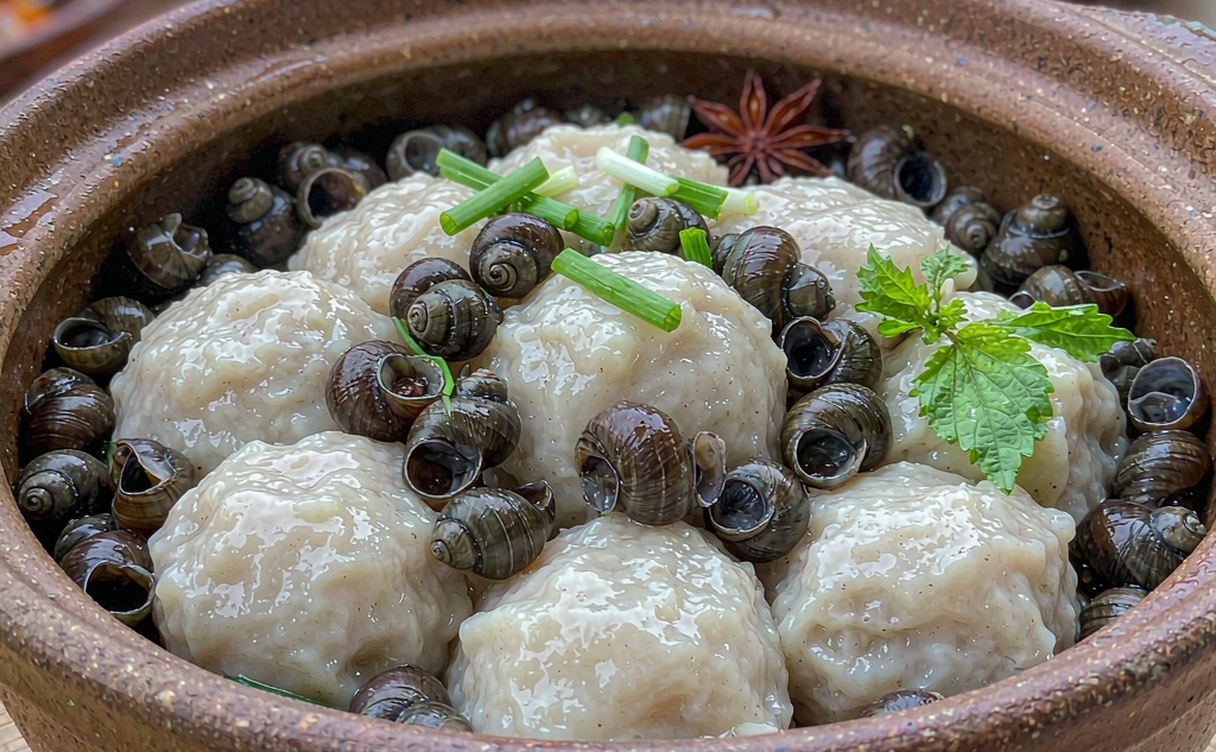
Qingtian’s kitchen reflects both mountain and river. The signature dish is qingtian fish balls, delicate minced-fish dumplings served in a clear, peppery broth rather than the chewy wheat kind found elsewhere. Order them fresh at a riverside eatery where you can watch the cook shape each one.
River snails, braised with fermented bean paste and chili, are the other must-try, best enjoyed with a cold local beer. Around town you will also find mountain bamboo shoots in spring, free-range chicken simmered with herbs, and sweet taro cakes. Thanks to the overseas community, European bakeries and coffee shops are common too, a quirky bonus for homesick travelers.
Best Season and When to Go
Spring (March to May) brings mild weather, flooded terraces, and blooming hillsides. Autumn (September to November) is the most comfortable, with clear skies and golden rice. Summer is hot and humid but good for river activities, while winter is quiet and cold, ideal for museum visits and empty trails. For photography, aim for late April or early October.
A Practical Two-Day Itinerary
Day 1: Arrive from Wenzhou in the morning, check in, and visit the China Stone Carving Museum. Lunch on fish balls near the river, then climb Shizhongshan for the sunset. Dinner of river snails along the waterfront.
Day 2: Leave early for Fengmenkeng terraces, hike the ridge, and eat a farm lunch. On the way back, stop at a heritage teahouse for a quiet break, the kind of calm ritual you can also explore in our guide to Chinese tea houses. If you have an extra day, pair Qingtian with a trip to Shanghai’s Xintiandi district for a modern-city contrast, or unwind afterward at the best hotels in Kunming if your route continues southwest.
Travelers who enjoy mountain escapes may also like our Jingting Mountain Anhui guide for another off-the-beaten-path hiking destination.
Browse our full collection of China travel guides for more hidden gems across the provinces.
Where to Stay in Qingtian
Accommodation ranges from simple riverside guesthouses to a few comfortable business hotels near the station. For atmosphere, choose a family-run inn in the old town where the owner may share stories of relatives abroad. If you want international-standard comfort, base yourself in Wenzhou and make Qingtian a day trip, or extend a longer southern loop through Yunnan afterward. Booking ahead matters most in July and during the Spring Festival return period, when overseas families fill every room.
Planning Tips and Final Thoughts
Qingtian is small enough to explore without a rigid schedule, but a few notes help. Carry some cash for village stalls, as card readers are patchy outside town. Download an offline map before you go, because signal weakens in the valleys. If you are visiting during a major holiday, book accommodation early, since diaspora families return home and rooms fill fast.
A qingtian travel plan works best as a relaxed add-on to a Zhejiang or Wenzhou trip rather than a standalone flight destination. Give it two full days and you will leave with stone-carving photos, a full belly, and a genuine sense of a town that, though remote, has always kept one foot in the wider world.
For broader background on the region’s culture and history, the Wikipedia overview of Qingtian County is a useful external reference before you travel.
Keep exploring our China travel guides to build your perfect custom itinerary today.