

Somewhere between Fuzhou and Xiamen the high-speed line runs past a bay with a long low island offshore. That island is Meizhou, origin point of a sea-goddess tradition followed by an estimated 300 million people worldwide. Putian, the mainland city that administers it, sees a fraction of the foreign visitors Xiamen or Quanzhou get, and offers swallowtail temple roofs, an eleventh-century irrigation weir still in use, Song pagodas, empty golden beaches and the best loquats in China. This Putian travel guide covers the lot.
Why Visit Putian
Putian is a coastal city of about three million on the Xinghua plain, halfway down the Fujian shore. It speaks its own dialect, cooks its own food, and has been the centre of the Mazu tradition since the tenth century, when a fisherman’s daughter from Meizhou was said to have guided boats home through storms.
The appeal is specific. Meizhou Island offers a living pilgrimage site plus beaches better than anything at Xiamen, without the crowds. The city holds several Song-dynasty monuments — Guanghua Temple’s stone pagoda, the Sanqing Hall, the Mulan Weir. And it is a cheap addition to the Fujian coastal rail route, under an hour from Quanzhou one way and Fuzhou the other.
Best Time to Visit Putian
October to December — the best window. Dry, clear, 18–27°C, calm seas for the Meizhou ferry, and the end of typhoon season. The single best time to come.
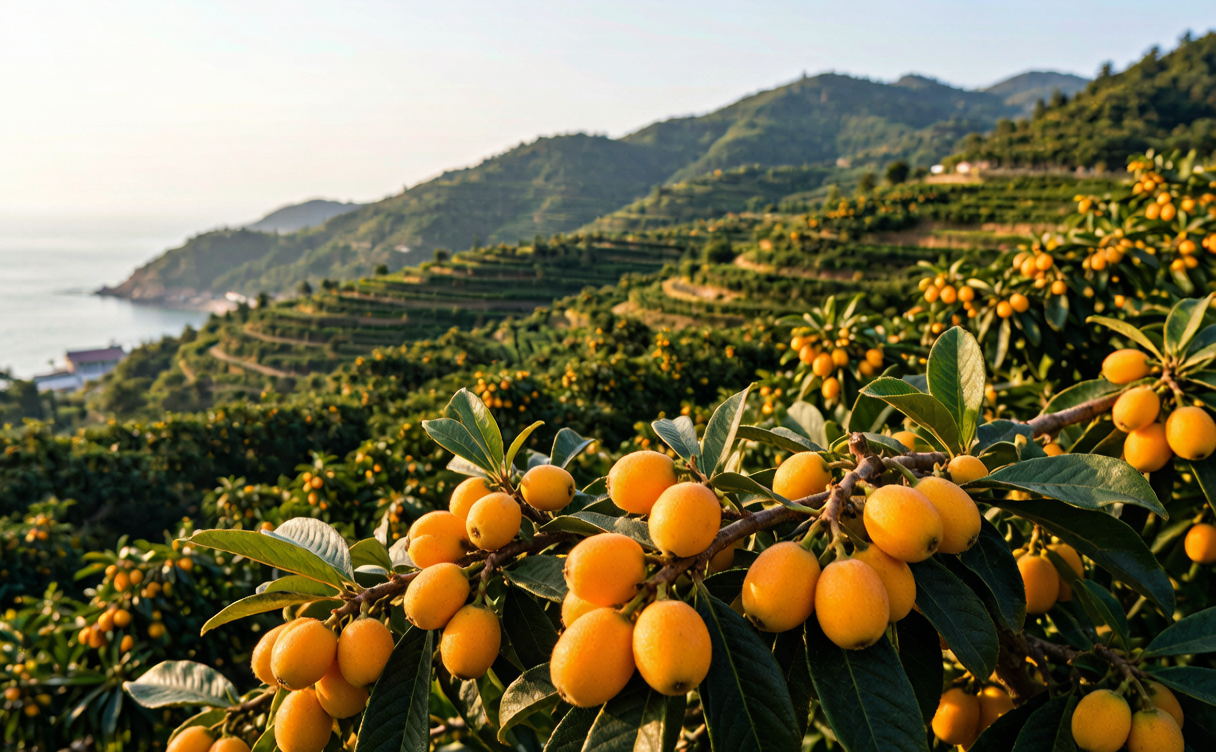
March to May. Warm and increasingly humid at 17–27°C, with spring rain. This is loquat season across the coastal terraces, peaking in April, and the Mazu birthday observance around the twenty-third day of the third lunar month fills Meizhou with pilgrims.
June to September. Hot and sticky at 27–35°C, and the typhoon window. Ferries to Meizhou suspend at short notice when a storm approaches, so leave slack in your schedule.
January and February. Cool at 8–17°C, damp and often grey, with no heating indoors. Quiet and cheap, though the sea is too cold for the beaches.
How to Get to Putian from Xiamen
Putian Station (莆田站) sits on the Fuzhou–Xiamen coastal line about 10 km west of the centre, connected by frequent city buses and a ¥30 taxi. The newer high-speed services have cut journey times sharply in both directions.
| From | Mode | Typical duration | Approx. cost |
|—|—|—|—|
| Xiamen North → Putian | High-speed rail | 50 min – 1 hr 20 min | ¥60–90 (US$8.50–13) |
| Fuzhou South → Putian | High-speed rail | 30–50 min | ¥40–65 (US$6–9) |
| Quanzhou → Putian | High-speed rail | 25–40 min | ¥30–50 (US$4–7) |
| Shanghai Hongqiao → Putian | High-speed rail | around 6 hr | ¥480 (US$67) |
| Putian centre → Wenjia ferry pier | Bus or taxi | 50 min – 1 hr 10 min | ¥120 taxi (US$17) |
| Wenjia pier → Meizhou Island | Ferry | 20–25 min | ¥50 return (US$7) |
Rail tickets are issued against your passport number and booked on the official 12306 app; carry the physical document for the barrier. City buses cost ¥2 and Didi works everywhere in the urban area.
Top Things to Do in Putian
Meizhou Island and the Mazu Ancestral Temple (湄洲岛·妈祖祖庙)
The reason most people come. Meizhou is a 14 km-long island reached by a short ferry from Wenjia pier, and the Mazu Ancestral Temple on its northern ridge is the founding shrine of a tradition with thousands of branch temples worldwide. The complex climbs the hillside in tiers of red-tiled halls with the upswept “swallowtail” ridges typical of southern Fujian, topped by a tall stone statue facing the sea.
Come on a weekday; pilgrimage days bring enormous crowds. The island is also a genuinely good beach destination: Golden Beach (黄金沙滩) runs over 3 km of clean sand, and Ewei Shenshi Park on the southeast tip is a field of wind-sculpted granite above clear water. Island entry plus temple is roughly ¥100; electric shuttles loop the island for ¥20. Mazu belief and customs are inscribed on UNESCO’s Representative List of the Intangible Cultural Heritage of Humanity.
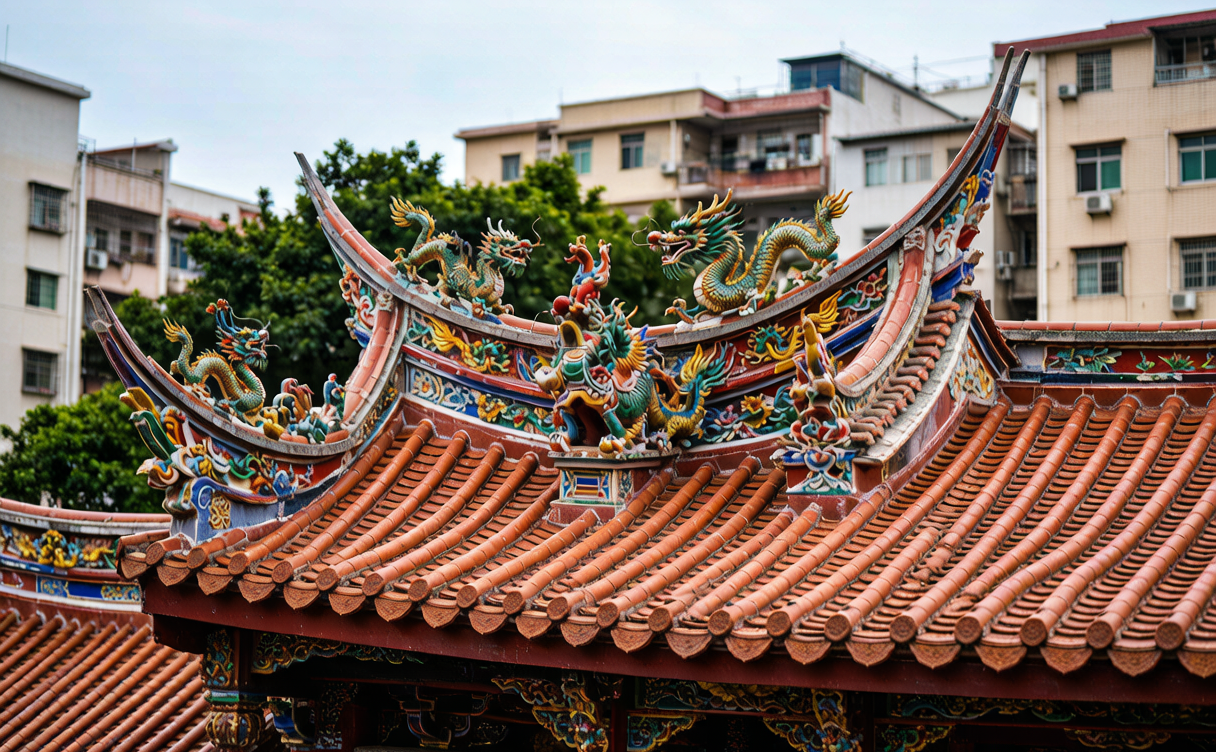
Guanghua Temple (广化寺)
On the southern edge of the city at the foot of Fenghuang Hill, Guanghua is one of Fujian’s four great monasteries, founded in the sixth century and rebuilt many times. The reason to come is the Shijiawen Pagoda, a five-storey octagonal stone tower from 1165 carved with guardian figures and standing almost untouched since the Song dynasty. The monastery is active, with several hundred monks, and free to enter. Go early and you will hear the morning chanting.
Mulan Weir (木兰陂)
A short drive southwest, this stone weir across the Mulan River was completed in 1083 to hold back saltwater and irrigate the Xinghua plain — and it still does the job nearly a thousand years on. It is a national heritage site and internationally recognised as a heritage irrigation structure. Visually it is just a long line of granite piers and sluices in a green valley, but for anyone interested in how coastal China was actually built, it is a striking half hour. Free.
Sanqing Hall (三清殿)
In the old city, the Sanqing Hall of the former Yuanmiao Daoist temple is a rare Song timber structure — heavy bracket sets, a broad low roof, construction you can read straight off the frame. It sits in a compound of steles and old banyans, costs almost nothing, and takes twenty minutes.
Jiuli Lake and the Nanshaolin ruins (九鲤湖·南少林)
Inland in Xianyou County, Jiuli Lake is a chain of nine waterfalls dropping through a granite gorge below a small lake — a two-hour walk down a stepped path, around ¥60, best after summer rain. Closer to town, the hillside Nanshaolin Temple ruins at Xitianwei are one of several sites claiming to be the southern Shaolin monastery; the foundations are modest, but the forest setting is lovely and entry is free.
Where to Stay in Putian
Budget — ¥110–200 (US$15–28). Chain hotels around Wanda Plaza and the Chengxiang district. Clean, modern, app check-in.
Mid-range — ¥250–480 (US$35–68). Business hotels along Wenxian Road and near the Mulan River, the most convenient base for the city sites and the night food streets.
Splurge — ¥600–1,400 (US$85–195). Resort hotels on Meizhou Island itself, several right behind Golden Beach. If you can spare a night, stay on the island — the temple at dawn with no crowds is the best experience Putian offers.
Confirm the property registers foreign passports; smaller island guesthouses sometimes cannot.
What to Eat in Putian
Xinghua cooking is seafood-heavy, lightly seasoned and built around one famous noodle.
- Xinghua rice vermicelli (兴化米粉). Hair-thin rice noodles, sun-dried and cooked in seconds, stir-fried with pork, greens and dried shrimp. The regional staple, ¥15–25.
- Putian braised noodles (莆田卤面). Wheat noodles simmered in a rich stock with clams, squid, pork and mushrooms until the broth thickens around them. The dish locals order at family celebrations.
- Menzhi doufu (焖豆腐). Tofu crumbled and braised with egg, pork and dried shrimp — homely and very good.
- Lychee pork (荔枝肉). Pork cut and fried so it opens like a lychee, in a sweet-sour glaze.
- Oyster omelette (海蛎煎). The Fujian coast classic, with sweet potato starch giving it the characteristic chew.
- Mazu noodles (妈祖面). Long-life noodles with egg, peanuts and seaweed, eaten on Meizhou.
Then the fruit. Putian is nicknamed the Lychee City, and its loquats, lychees, longans and pomelos are the plain’s “four famous fruits”. Loquat season runs March to May, sold by the basket at roadside stalls.
Sample Putian Itinerary for Foreign Tourists: Two Days
Day 1 — Meizhou Island
- 07:30 bus or taxi to Wenjia pier
- 09:00 ferry across; Mazu Ancestral Temple before the day-trippers
- 12:00 Mazu noodles and seafood in the village
- 14:00 Golden Beach, then Ewei Shenshi Park by electric shuttle
- Overnight on the island, or last ferry back around 18:00
Day 2 — the city
- 08:30 Guanghua Temple and the Song stone pagoda
- 10:30 Sanqing Hall in the old centre
- 12:00 braised noodles for lunch
- 14:00 Mulan Weir, then loquat terraces in season
- 18:00 evening train to Xiamen or north to Fuzhou
Practical Tips
- Check the ferry before you commit. Meizhou sailings stop in high winds and during typhoon warnings. Ask your hotel to check the morning forecast.
- Station is out of town. Putian Station is 10 km west of the centre — allow 30 minutes plus buffer.
- Pilgrimage dates. The Mazu birthday (third lunar month, twenty-third day) and ascension observance (ninth lunar month, ninth day) bring huge crowds to Meizhou. Spectacular, but book months ahead or avoid.
- Temple etiquette. Walk clockwise, do not step on thresholds, and ask before photographing worshippers.
- Payment. Alipay and WeChat Pay accept foreign Visa and Mastercard and cover ferries, buses, taxis and stalls. Carry ¥200 in notes for island vendors.
- Passport as ID. Needed for train barriers, hotel check-in and the island ticket office.
- Coastal add-ons. Two hours north, Pingtan Island has better cliffs and blue tears in summer, and the Xiapu tide flats are the region’s photography destination.
FAQ
Is Putian worth visiting?
Yes, if you have four or more days in Fujian. Meizhou Island alone justifies an overnight, and the Song monuments in the city are genuinely important. On a short trip, Quanzhou and Xiamen come first.
How many days do I need?
Two: one for Meizhou Island, one for the city sites. Three if you add Jiuli Lake in Xianyou.
How do I get to Meizhou Island?
Take a bus or taxi from Putian to Wenjia pier, roughly an hour, then a 20–25 minute ferry. Boats run frequently from early morning to around 18:00, with return tickets about ¥50. Buy at the pier; no advance booking is needed on ordinary days.
Is Meizhou Island good for swimming?
Golden Beach is clean, gently shelving and good for swimming from May to October, with showers and lockers behind the sand. It is far quieter than Xiamen’s coast.
Is there much English in Putian?
Very little. Meizhou’s ticketing has some bilingual signage, but the city has almost none and few staff speak English. Bring an offline translation app and save your destinations in Chinese characters before you set out.
Written by Karl, China Travel Places — updated August 2026.