

Most visitors to Guangxi never reach its southwestern edge, where the hills give way to the Vietnam border and a single stone gate has witnessed a thousand years of trade, war, and diplomacy. A Pingxiang Guangxi travel guide is really a guide to that threshold: a small, energetic county-level city in Chongzuo prefecture that is also the busiest land crossing between China and Vietnam. We’ve sent travelers there who wanted to stand at the frontier, watch the freight trucks roll, and then slip north into some of the most spectacular karst scenery in the province. Pingxiang rewards exactly that combination of curiosity and planning.
This is not a town built for leisurely sightseeing in the usual sense. It is a working border, loud with commerce and proud of its gateway role. But for travelers who like places where geography is visible in the streets, where the language shifts and the fruit comes from across the line, Pingxiang is genuinely fascinating. This guide explains how to get there, what to do, when to go, and how to pair the border with the waterfalls and rock art of the surrounding region.
How to Get to Pingxiang
The natural hub is Nanning, the regional capital, which has an international airport and fast rail connections. From Nanning, high-speed trains run to Pingxiang North station in roughly one and a half to two hours, making it an easy overnight or even day-trip base if you are efficient. We’ve sent travelers there on the morning train from Nanning and back the next evening, and the ride itself is a gentle introduction to the changing landscape as the plains tighten into hills. Our Nanning travel guide covers the city and how to use it as your Guangxi gateway.
For foreigners, the booking process is the only real friction, so our China high-speed train guide for foreigners explains app setup, ID rules, and seat classes step by step. First-time visitors should read our China travel guide for first-timers before departure. If your plan includes actually crossing into Vietnam, our China land border crossings guide is essential reading on visas, the crossing procedure, and what documents you need, because Pingxiang is precisely where that border is drawn.
Youyi Pass Pingxiang
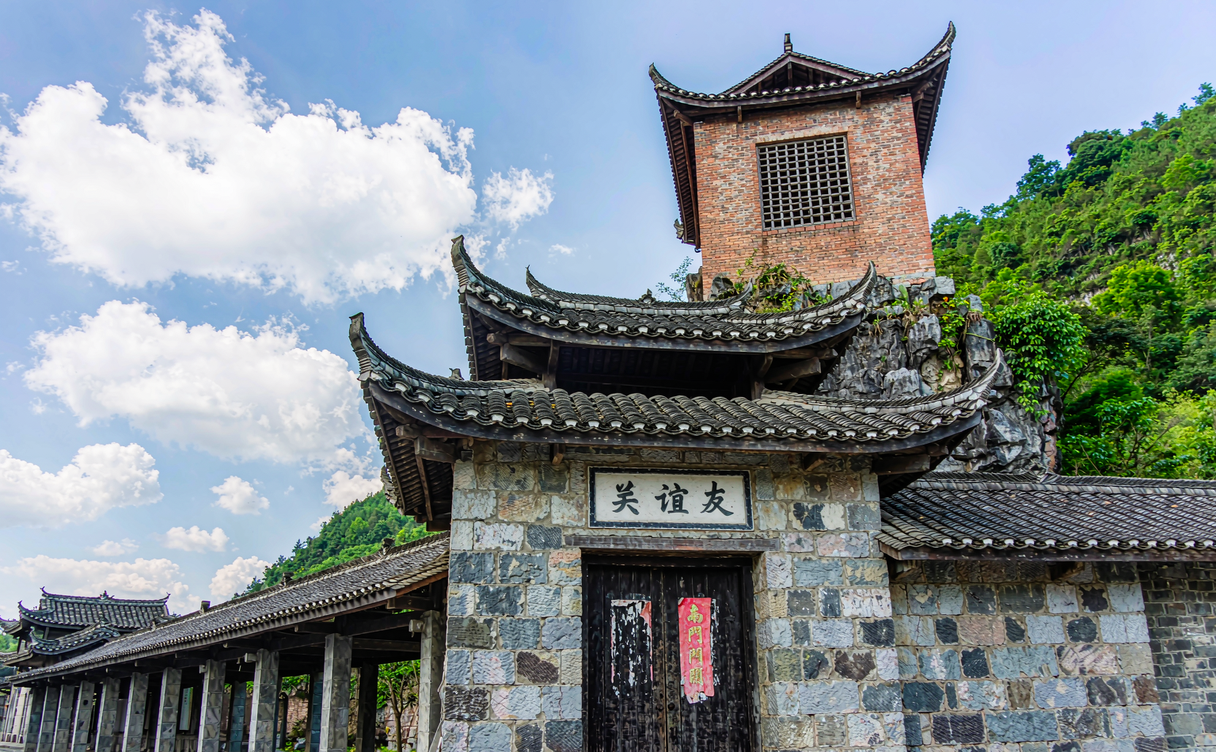
The single must-see sight is Youyi Pass, known in English as the Friendship Pass, the historic gateway on the China-Vietnam line. The current stone gate and watchtower sit in a small valley where the road and railway both pass, and for centuries this was the main overland route between the two countries. Standing on the Chinese side, you can see the Vietnamese gate a short walk away across the demarcation, and the sense of being at a real international frontier is immediate. We’ve sent travelers there who spent an hour simply watching the flow of trucks and the flag rituals at closing time.
The pass is a paid scenic area, with an entrance in the range of 40 to 60 RMB depending on the season, and a small museum tells the long and occasionally turbulent history of the crossing. Photographing the gate is fine from the Chinese side, but do not wander toward the actual border line or attempt to cross on foot; that requires the formal crossing process described in our land border guide. For the deeper history of the site and the surrounding region, a little background reading on Pingxiang before you go is a useful primer.
Things to Do in Pingxiang
The border trade zone and markets. Pingxiang’s energy comes from commerce. The international trade market sells Vietnamese coffee, dried fruit, cashews, and fabrics at prices that reward a little bargaining, and the streets near the station are busy from dawn. It is a good place to buy gifts you cannot find elsewhere in China.
Detian Transnational Waterfall. About two hours north by car, near the Daxin county line, this wide multi-tiered waterfall straddles the border and is one of Asia’s largest. We’ve sent travelers there as a day trip from Pingxiang, and the boat ride to the foot of the falls is the highlight. It pairs naturally with the border theme because you are looking at Vietnam across the water.
Ningming Huashan rock art. Also within reach, the cliff paintings of the Zuojiang Huashan Rock Art Cultural Landscape date back more than two thousand years and are a UNESCO World Heritage Site. The sheer red figures painted high on riverside cliffs are a striking counterpoint to the modern border just south. The UNESCO listing for the Zuojiang Huashan Rock Art Cultural Landscape explains the significance of these murals in detail, and a half-day visit fits neatly between Pingxiang and the waterfalls.
Local food with a Vietnamese accent. The kitchens here borrow from across the line: rice paper rolls, lemongrass grilled meat, strong Vietnamese coffee, and the familiar Guangxi noodles all appear on the same menu. Eating well in Pingxiang is cheap and easy, usually 30 to 60 RMB per person.
Best Time to Visit Pingxiang
The best time to visit Pingxiang is autumn, from October to December, and spring, from March to May. These windows bring comfortable temperatures and clear skies for the outdoor sights, and the border town is at its most pleasant. Summer is hot, humid, and prone to heavy rain that can swell the rivers and disrupt the waterfall views, while winter is cool and occasionally grey but still manageable for travel. For a broader climate picture across the country, our best time to visit China guide helps you time the whole trip, especially if you are combining Pingxiang with northern or central stops.
Where to Stay
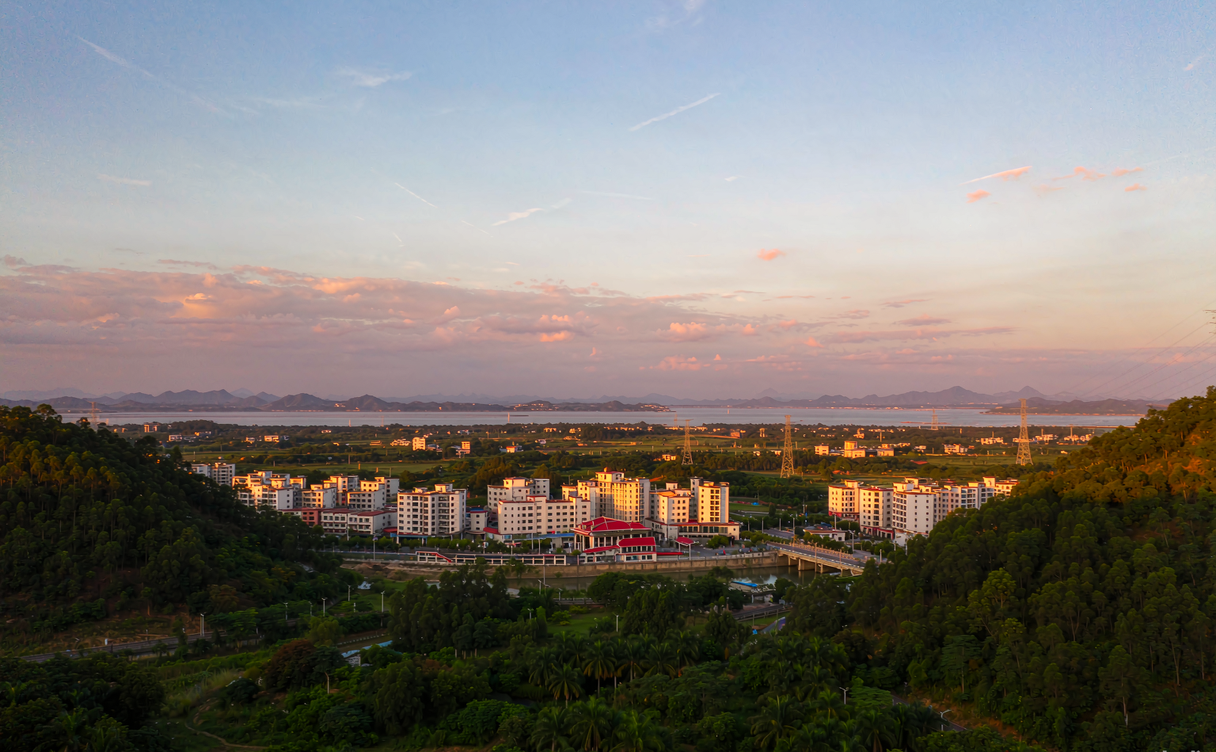
Pingxiang town has a workmanlike selection of hotels from 200 to 450 RMB a night, concentrated near the station and the main road. Do not expect luxury; expect clean, functional rooms and helpful staff who are used to cross-border travelers. Book ahead if you are arriving on a weekend or a holiday, when the trade traffic and domestic tourists fill the rooms. Staying in town puts you within a short ride of both the bus station for the waterfall day trip and the restaurants that serve the best cross-border food.
The Pingxiang Vietnam Border in Practice
The Pingxiang Vietnam border is the reason the town exists, and understanding it makes the visit richer. The formal crossing at Youyi Pass handles both freight and passengers, and crossing legally requires a Vietnamese visa obtained in advance for most nationalities, plus the standard border formalities. We’ve sent travelers there who treated Pingxiang as a pure China-side visit and others who crossed into Vietnam the next morning; both are valid, but only the latter needs the visa homework. Keep your passport on you at all times in the border zone, respect the restricted areas, and remember that the gate you see from the Chinese side is a live international frontier, not a photo prop.
Practical Tips
English is limited, so a translation app and offline maps are essential once you leave Nanning. Mobile payment is standard, but carry some cash for the smaller market stalls and the Vietnamese vendors who may not take Chinese apps. For the waterfall and rock art day trips, hiring a car with a driver, roughly 400 to 600 RMB for the day, is the most efficient option because the sights are spread out and rural buses are infrequent. Wear light, breathable clothing in the warmer months and sturdy shoes for the cliff and waterfall walks.
Why Stop at the Border
The appeal of a Pingxiang Guangxi travel guide is that it takes you somewhere most itineraries skip: a place where China’s edge is visible, audible, and edible. Combined with the nearby waterfalls and ancient rock art, it makes a compact, unforgettable corner of the province that few foreign travelers ever see. For more ideas on what to pair with it, our best things to do in China guide points to other borderland and minority-region experiences worth the detour.
Planning the Crossing
If your journey continues into Vietnam, treat the border as a separate project with its own paperwork. Our China land border crossings guide lays out the visa and procedure basics, and we always tell travelers to confirm current requirements with an embassy before they fly, because rules shift. Pingxiang is the smoothest place in Guangxi to make that crossing, but only if you arrive prepared.
A Frontier Worth the Trip
Pingxiang will not win prizes for charm, but it wins for significance. Standing at Youyi Pass, watching the two countries meet at a single gate, is the kind of moment that stays with you long after the postcards fade. We’ve sent travelers there who expected a quick photo and left with a real sense of how this corner of Asia fits together.