

When travelers tell us they want Tibet but fear the altitude, we send them east — to Nyingchi, Tibet, China. At 3,000 meters, Nyingchi sits far lower than Lhasa and feels almost lush: cypress forests, peach orchards, and the deep gorges of the Yarlung Tsangpo cutting through the Himalayas. On our last scouting trip, we arrived in early April and walked through wild peach trees in full pink bloom with snow peaks behind them — a scene that rewrites most people’s mental image of the plateau.
This Nyingchi, Tibet, China travel guide covers the peach blossom season, the gorges, the transport reality (including the permit rules foreign travelers must know), the food, and a sensible itinerary. It is written for independent travelers who want Tibet’s beauty with a gentler introduction to the altitude.
Why Visit Nyingchi
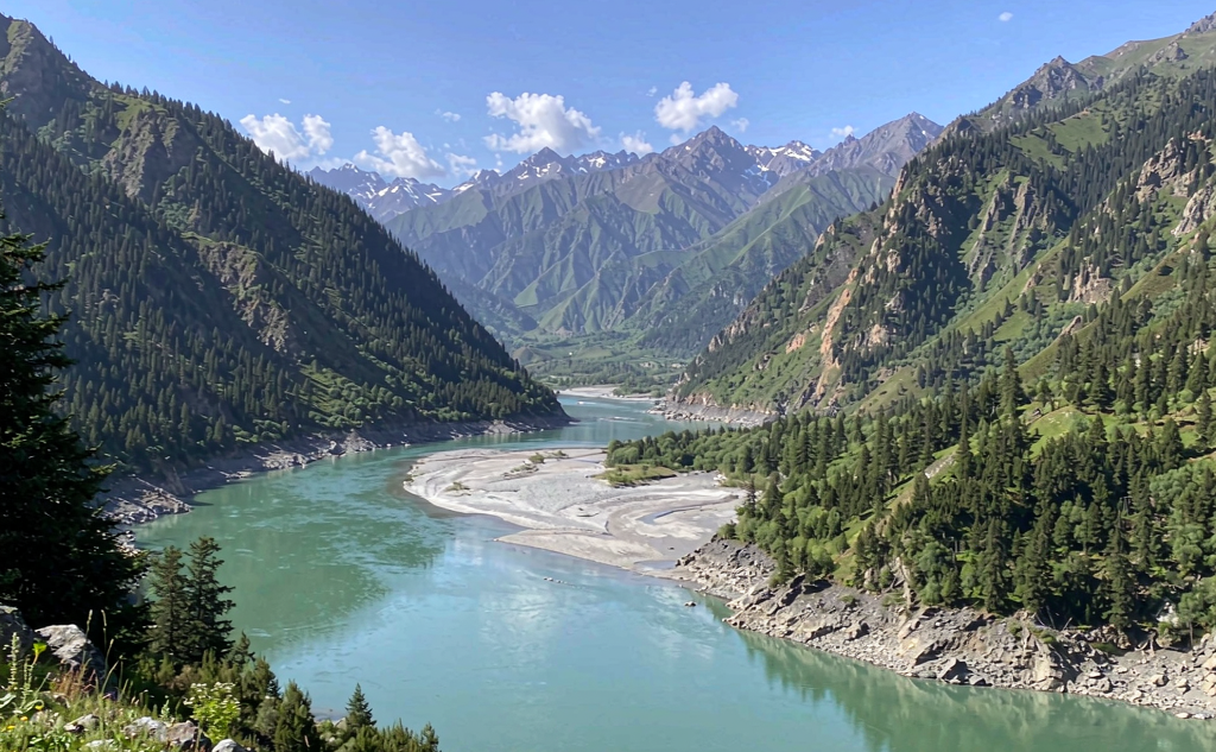
Nyingchi is often called the “Switzerland of Tibet” for its green river valleys and mild air, but the comparison undersells it. The region holds some of the most dramatic river scenery in the country: the Yarlung Tsangpo Grand Canyon, where the river makes a U-turn around Namcha Barwa, one of the world’s highest peaks. It also holds the largest old-growth cypress forest in China and, each spring, a sea of wild peach blossoms that draws domestic photographers by the busload.
We’ve sent altitude-sensitive travelers here as their first Tibet stop, because the lower elevation lets the body adjust before climbing to Lhasa or Shigatse. The town itself is compact and walkable, with a Tibetan-quarter feel softened by Han and Sichuan influences in the food and streets.
The Peach Blossom Season
The Nyingchi Tibet peach blossom festival typically runs late March into mid-April, when the wild prunus trees along the Yarlung Tsangpo and around the villages of Gala and Suosong burst into pink and white. Unlike cultivated orchard blossoms, these grow on rugged old trunks against a backdrop of snow — a contrast unique to this corner of the plateau. Timing is weather-dependent; we tell clients to aim for the first two weeks of April for the safest bet.
General background on the area is on Wikipedia’s Nyingchi page. For broader seasonal context across the plateau, our best time to visit China guide covers Tibet’s short, bright travel window.
Things to Do in Nyingchi
The region spreads wide, so a car and driver (required for foreign travelers anyway) is essential. Top experiences:
- Yarlung Tsangpo Grand Canyon: the deepest canyon on Earth, with viewing points toward Namcha Barwa. Entry and shuttle packages run about RMB 290 per person.
- Namcha Barwa viewpoint at Suosong village: the classic sunrise shot of the peak clearing its cloud veil; guesthouses here cost RMB 300–600 in peak blossom season.
- Basum Lake (Cuogao Lake): a sacred alpine lake inside a forested reserve, about 2 hours from town, with boat rides (RMB 50) and a lakeside monastery.
- Lulang Forest and grassland: a high meadow ringed by spruce, good for a yak-meat hotpot lunch stop.
- Buchu Monastery and the old town: a quiet introduction to local Tibetan devotion without Lhasa’s crowds.
For a longer Tibet loop, our Lhasa Tibet travel guide explains how to connect Nyingchi with the capital, and our Yamdrok Lake guide adds the famous turquoise lake between the two.
Best Time to Visit Nyingchi
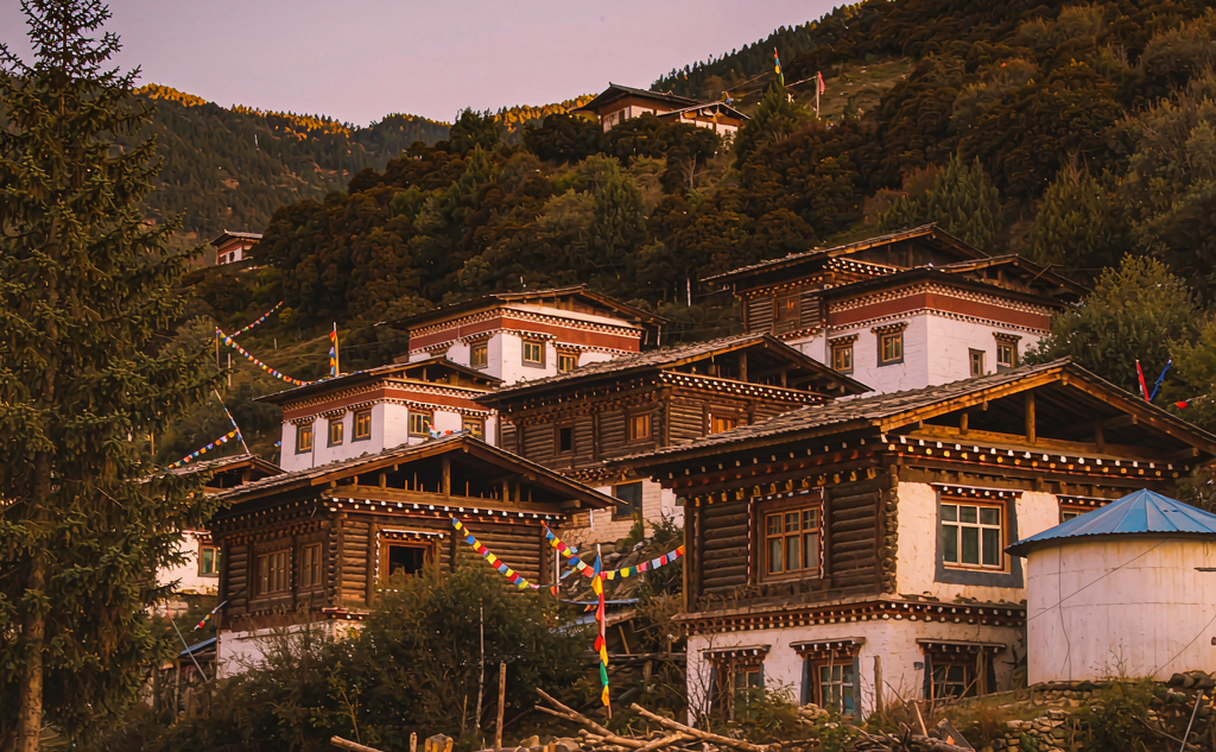
The best time to visit Nyingchi is spring (late March to April) for the peach blossoms, and autumn (October to early November) for clear, dry air and golden forests. Summer, June through August, is the rainy season; the gorge turns misty and landslides can close mountain roads, though the valleys stay green and cool. Winter is cold but starkly beautiful, with the fewest tourists and the lowest prices.
We strongly recommend avoiding the blossom festival’s absolute peak weekends if you dislike crowds, and always building one buffer day into any Nyingchi itinerary because mountain weather shifts fast.
How to Get to Nyingchi
Foreign travelers reach Nyingchi via Lhasa, never independently across the borders. The easiest route is a flight from Lhasa to Nyingchi Mainling Airport (about 1 hour, RMB 400–900 depending on season), or a scenic drive of 4 to 5 hours along the Lhasa–Nyingchi expressway. Trains also now run from Lhasa to Nyingchi in roughly 3.5 hours on the electrified line, second class about RMB 120.
Crucially, foreign visitors to Nyingchi, Tibet, China need a Tibet Travel Permit in addition to a Chinese visa, arranged through a registered Tibetan travel agency that bundles transport, a guide, and driver. Independent rail or self-drive travel is not permitted for foreigners on the plateau. Plan this at least 20 days ahead. Our China high-speed train guide for foreigners explains the ticketing side, but the permit itself must come from a Tibet-licensed operator.
Nyingchi Food
Nyingchi’s table blends Tibetan staples with Sichuan and Yunnan influences from the lower valleys. Dishes to try:
- Yak meat hotpot (Lulang style): a hearty broth with wild mushrooms, RMB 80–150 per person.
- Tsampa and butter tea: the Tibetan baseline, filling and warming at altitude.
- Highland barley noodles: a local twist on Sichuan mian, RMB 15–25 a bowl.
- River trout from the Yarlung Tsangpo: grilled or soured, a regional specialty.
- Wild mushroom dishes: autumn brings matsutake and other fungi to the menus.
Meals are modest: a local Tibetan-Sichuan canteen lunch is RMB 25–45, while a hotpot dinner for two runs RMB 180–300. The lower altitude means appetite returns faster than in Lhasa, a relief for many travelers.
A Sample Nyingchi Itinerary
A realistic Nyingchi itinerary is three to four days, always with a guide and vehicle. Day one: fly or drive in from Lhasa, acclimate in town, visit Buchu Monastery. Day two: Basum Lake and the old cypress grove. Day three: the Yarlung Tsangpo Grand Canyon and an overnight at Suosong for the Namcha Barwa view. Day four: return via Lulang meadow. In blossom season, swap day two for the Gala peach fields.
We’ve found that pairing Nyingchi with Lhasa — landing low, climbing high — is the kindest way to introduce the body to the plateau.
Practical Tips
- The Tibet Travel Permit is mandatory; book through a licensed agency well ahead.
- Even at 3,000 m, hydrate, move slowly the first day, and skip heavy alcohol.
- Carry your passport and permit together at all checkpoints.
- Pack layers; valley days are mild but passes and nights drop near freezing.
Beyond the Blossoms
Most visitors fixate on the peach photos, but the quieter prize is the canyon. Standing at the rim of the Yarlung Tsangpo as the river disappears into a Himalaya gorge is the kind of vastness that resets your sense of scale. On our scouting trip the cloud lifted off Namcha Barwa for exactly nine minutes at dawn — and the group agreed it was worth the freezing wait.
Final Thoughts
Nyingchi, Tibet, China is the gentlest, greenest door into the plateau, and the smartest first step for travelers wary of altitude. Blossoms, canyons, and a sacred lake make a few days here feel like a whole other country — which, in a sense, it is.
Nyingchi rewards those who slow down — and few places in Tibet, China combine softness and grandeur so completely.