

Why Nuodeng Yunnan Stays on My Yunnan List
Most visitors to western Yunnan rush from Dali to Lijiang and miss the small places that actually explain the region. Nuodeng Yunnan is one of those places: a Bai village built up a steep hillside for more than a thousand years, held together by stone lanes, a Qing-era pagoda, and a salt well that still shapes daily life. I first stayed here to escape festival crowds and ended up extending two nights, because the rhythm of the village is the attraction.
This Nuodeng ancient village walk-through comes from those stays and from talking with the ham smokers who made the place famous. It is not a museum. People haul firewood, feed pigs, and hang cured meat over every courtyard in winter.
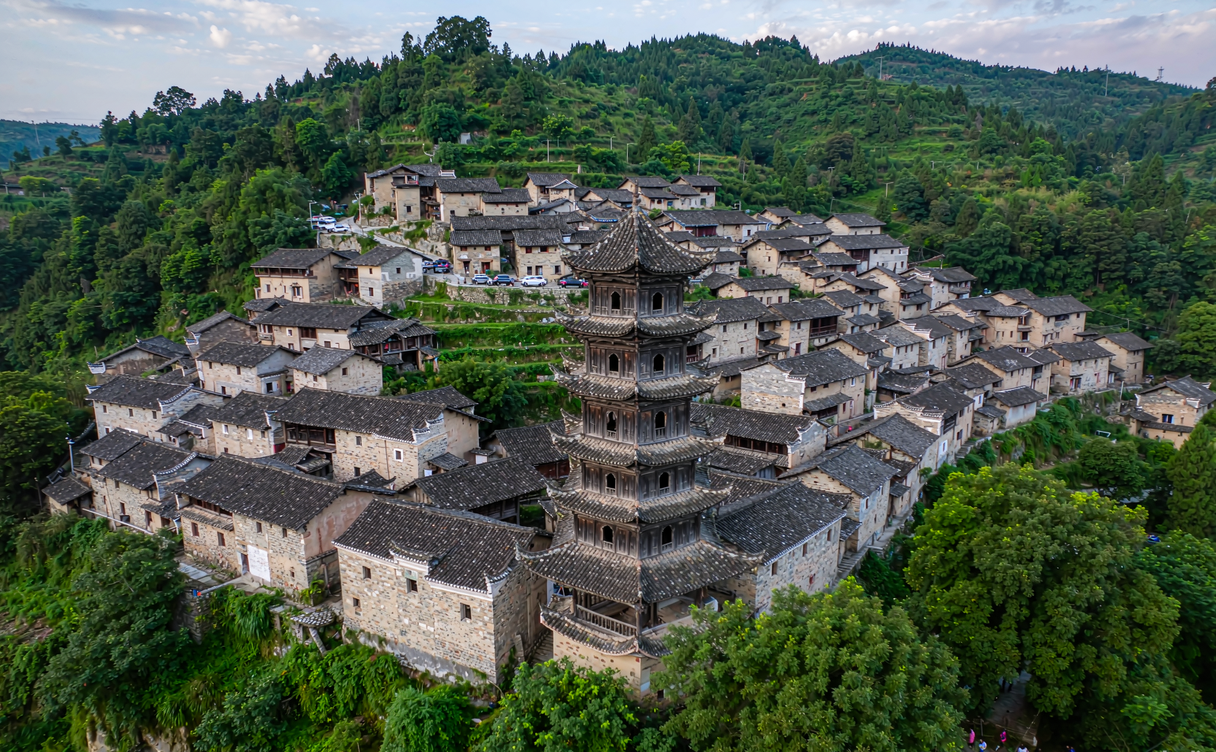
The Salt Wells and Why the Village Exists
Nuodeng sits above a spring of brine that locals have boiled into salt for over a millennium. The old well complex near the village base still shows the stone pans and the wood-fired hearths where brine was reduced. Salt was the reason a mountain hamlet could tax the tea-horse traffic and build the lanes you walk today. The Bai people of the area kept the craft through dynasties, and you can read about the group and its culture on the Bai people page at Wikipedia.
I tell visitors to spend ten minutes at the well before the ham talk, because the salt explains the ham. Nuodeng ham is cured with this local well salt and aged in the cool mountain air, which is why it tastes different from the mass-market versions sold in city shops.
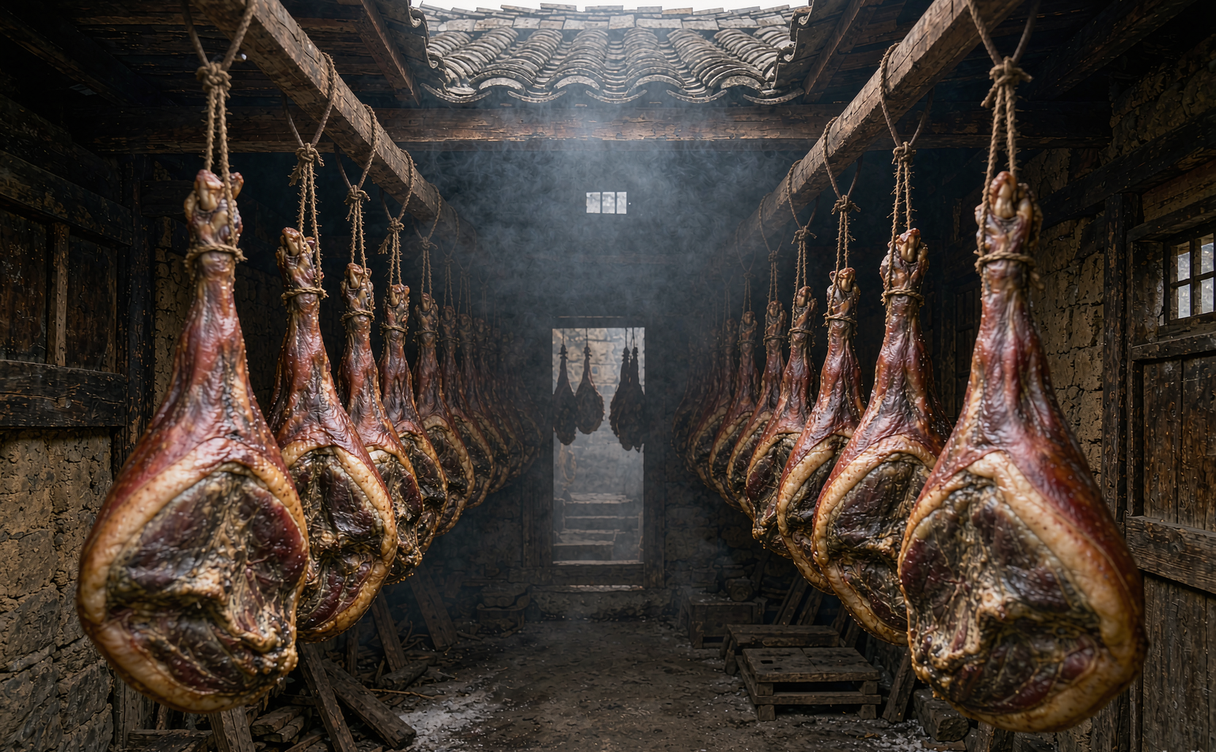
Nuodeng Ham and What to Eat
The Nuodeng ham is the dish people travel for. Whole hind legs hang in the smokehouses for one to three years; the two-year meat is the sweet spot. In the village you eat it thin-sliced cold, stir-fried with broad beans, or in a clear soup with terrace rice. A plate runs ¥38–68 CNY, a full leg to take home (where customs allows) is ¥280–500 CNY depending on age and weight.
Beyond ham, the Nuodeng Bai village kitchen serves rape greens, wild mushrooms in season (July–September), and a salty flatbread cooked on the hearth. A simple dinner for two is ¥70–120 CNY. There is no alcohol scene; the local barley liquor is strong and offered by the bowl.
Getting from Nuodeng to Dali and Lijiang
The trip from Nuodeng to Dali is the route most people ask about. The village is in Yunlong County, about 150 km west of Dali city. A direct bus from Dali Bus Station to Yunlong takes 3–3.5 hours and costs ¥50–70 CNY; from Yunlong town a taxi or shared van covers the last 15 km to the village in 20–30 minutes for ¥40–70 CNY. If you charter a car Dali–Nuodeng for the day, expect ¥600–900 CNY.
From Lijiang it is longer: 200+ km and 4.5–5.5 hours by road, usually with a change at Yunlong or a private charter of ¥1,000–1,400 CNY. I rarely send Lijiang-based clients straight here; I route them via the closer ancient town of Shaxi, which makes a natural two-stop loop described in our Shaxi ancient town guide.
Old-House Homestays and Where to Sleep
Staying inside the Nuodeng Bai village is the point, and the best beds are restored old houses with heated floors or electric blankets. A double in a renovated courtyard home runs ¥220–420 CNY; the top heritage rooms with a pagoda view are ¥450–680 CNY. Book ahead in October and Spring Festival, when Yunnan travelers fill the small stock. I like the upper-lane houses because the lane below stays quiet after 9 p.m.
For a broader base, Dali city has every tier from ¥150 hostels to ¥1,200 lake hotels, covered in our Dali Erhai Lake guide. But once you have driven this far, sleeping in the village beats the commute.
Tickets, Opening Hours and Village Etiquette
There is no formal gate or ticket for the lanes themselves; entry to Nuodeng is free. The salt-well exhibit asks ¥10–20 CNY and the small Qing pagoda is open daylight hours. The village wakes slowly: shops open around 8:30 a.m. and the smokehouses are busiest at dawn and dusk.
Etiquette is simple and I state it to every guest. Ask before photographing inside a courtyard, don’t walk through someone’s ground-floor kitchen uninvited, and buy something if you linger at a ham rack. The Bai hosts are warm but private about the working parts of the house. A small gift of fruit or tea from the county town goes a long way, and learning to say hello in the local dialect opens more doors than any ticket. I keep group size under six in the village; large parties disturb the lanes and the hosts notice.
Best Time Nuodeng Rewards a Slow Visit
The best time Nuodeng gives you the fullest picture is autumn and early winter. October–November has clear roads, gold hills, and the start of ham-hanging season, so you see the smokehouses fill. Spring (March–May) is green and quiet with few tourists. I skip the deep July–August rain, when the stone lanes get slick and the mountain road from Yunlong can slip. The village hosts small Bai music nights in some courtyards during Spring Festival, which I mention only to clients who want local life rather than sights; ask the homestay host the day before, since these are informal. Lunar new-year travel also means buses fill, so I book the Yunlong taxi a day ahead in that period.
Combining Nuodeng with Nearby Yunnan Stops
A relaxed week pairs Nuodeng with Shaxi and then pushes north to the plateau. I often run it as Dali → Nuodeng (1–2 nights) → Shaxi (1–2 nights) → Shangri-La, with the high parks covered in our Shangri-La Yunnan travel guide and the Yunnan Pudacuo National Park guide. That avoids backtracking and keeps the drives under five hours a day.
Weather by Month and What to Wear
Nuodeng sits around 1,600 m, milder than the plateau but cooler than the Yunnan lowlands. I pack by season:
- Mar–May: spring, 10–24°C, green hills, few tourists, odd late cold snap. A light jacket is enough.
- Jun–Aug: rainy, 18–28°C, lush with wild mushrooms, but lanes get slick. Rain shell and grippy shoes.
- Sep–Nov: favorite window, 12–24°C, gold hills, ham-hanging starts late Oct.
- Dec–Feb: cool-dry, 2–16°C, cold nights near freezing, smokehouses busiest, Spring Festival booked out. Warm layer; old houses have electric blankets.
Two pitfalls I repeat: confirm the Yunlong–Nuodeng road is open after heavy rain, since a slide can close it for hours, and fix the Yunlong taxi at ¥40–70 CNY to the village before you get in. A few “free village guides” steer you to one ham shop; buy where you like. In rainy season I pre-order mushroom hotpot (¥80–120 CNY for two) and broad beans with cured pork (¥38 CNY) at the guesthouse.
Sample 2-Day Itinerary
Day 1: Bus Nuodeng to Dali at 8 a.m., arrive Yunlong midday, taxi to village, check into a courtyard home, walk the salt wells and pagoda at golden hour, ham dinner.
Day 2: Dawn lane walk and smokehouse photos, breakfast of flatbread and greens, shared van to Shaxi by late morning for the next stop.
Frequently Asked Questions
Is Nuodeng Yunnan worth the remote drive? Yes, if you like working villages over staged old towns. The salt history and ham are unique.
How far is Nuodeng to Dali and how long? About 150 km, 3–3.5 hours by bus plus a short taxi.
Can I buy Nuodeng ham to take home? Yes, whole or sliced, but check your home country’s meat import rules before packing a leg.
Is the village walkable? Mostly, but the lanes are steep stone. Wear grippy shoes and pace yourself.
What is the best time Nuodeng for ham season? Late October through December, when the smokehouses are stocked.
Is Nuodeng safe to walk after dark? Yes — the lanes are dim but calm; carry a phone light and mind the slick stone after rain.
Can I pair Nuodeng with Shaxi in one day? It is tight but doable by car (about 2.5 hours between them); I still prefer one night in each for the slow pace both villages reward.