

Central Hunan hides one of the country’s most photogenic landscapes, yet almost no foreign travelers make it here. This Loudi travel guide is based on our own visits and the custom trips we’ve built for photographers and slow-travel fans. Loudi sits between Changsha and Zhangjiajie, and its Xinhua County holds two quiet wonders: the Zijiajie terraces and the Meishan Dragon Palace cave.
Loudi is the heartland of Meishan culture, a distinct folk tradition of the ancient highlanders of western Hunan. Background on the city and its counties is summarized on Wikipedia’s Loudi page, useful if you want the administrative context before you go. We’ve found that understanding the Meishan heritage makes the cave and the terrace villages far more meaningful.
Who should come? We recommend Loudi to photographers, hikers, and anyone who has already ticked off the headline Hunan sights and wants the quieter version. The terraces reward patience and an early alarm; the cave is an easy, cool break that even reluctant hikers enjoy. It is not a destination for nightlife or luxury shopping — come for landscape and local life, and it delivers.

Things to do in Loudi
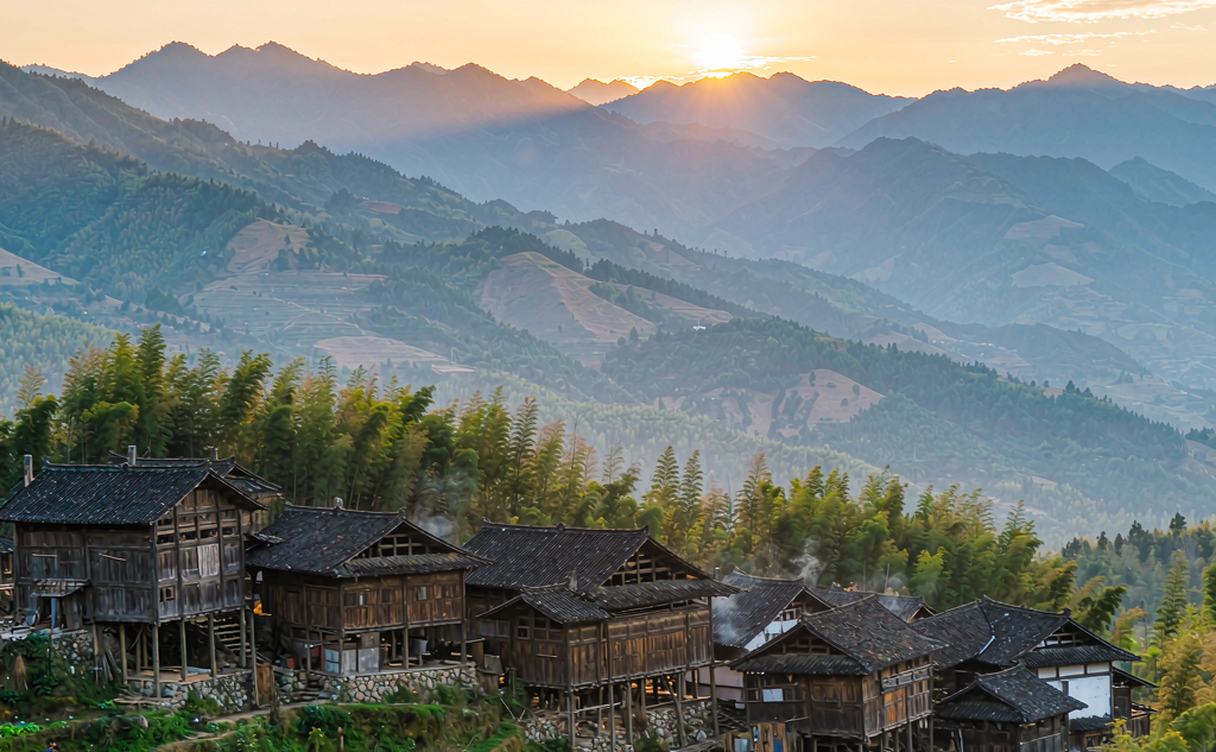
The main things to do in Loudi are all in Xinhua County, about 2.5–3 hours southwest of the city by car. The star is the Zijiajie rice terraces Xinhua (Ziquejie), a 1,300-year-old irrigation marvel built without a dam — the slopes channel spring water through a natural network of channels and weirs. At peak season the terraces mirror the sky; in autumn they turn gold. We send guests up before 6 a.m. to catch the sea of clouds over the ridges, which is the image that ends up on everyone’s phone wallpaper.
The second highlight is the Meishan Dragon Palace cave tickets experience, a limestone system often ranked among China’s most beautiful. Both sites are rural and best visited with a driver, so we usually group them into one long day with an overnight near the terraces.
Zijiajie rice terraces in depth
Entry to the terraces is ¥68–85, with a shuttle from the visitor center to the viewing platforms (¥20). The best viewpoints are Yintian (Yin Field) and the Laozhuang terraces, where the layers stack for hundreds of meters down the valley. A half-day is enough to walk the rim, but we recommend an overnight stay in a terrace-side guesthouse (¥180–300) for sunrise. Villagers sell sticky rice cakes and homemade chili paste — bring small cash. The terraces are still farmed by hand, and if you visit in harvest season you may be invited to help carry a basket, which our travelers have loved.
Meishan Dragon Palace cave
The Meishan Dragon Palace cave tickets run about ¥98–120 and include a short underground boat ride through a lit limestone gallery. The formations — “cave corals,” a 30-meter stone waterfall, and columns lit in shifting colors — are genuinely spectacular, and it stays cool (around 18°C) year-round, a nice break in summer. Allow 1.5 hours. Note the cave is a separate site from the terraces, roughly 40 minutes apart by car; combine both in one day with a driver. Wear shoes with grip — the walkways can be damp.
Getting there
The Loudi to Changsha train is the standard entry. Loudi South Station is on the Shanghai–Kunming high-speed line, and frequent G-trains reach Changsha in 1–1.5 hours (¥50–90, second class). From Changsha Huanghua Airport, a private transfer is about 2.5 hours. For train booking help, see our China high-speed train guide for foreigners. From Loudi you can also push west to Zhangjiajie in about 2.5–3 hours by rail, which is exactly the combo we use for travelers who want both famous peaks and quiet terraces.
Best time to visit
The best time to visit Loudi depends on what you want: April–June for the water-filled terraces reflecting the sky, or September–October for the golden harvest. Both windows have comfortable temperatures. July–August is hot and wet but good for the cool cave. Winter terraces can frost over and look stark but lovely. We avoid the October National Day week at the terraces, when domestic photo tours arrive in numbers.
Food and stay
Loudi’s Xinhua County is famous for 新化三合汤 (Xinhua three-combination spicy soup), 永丰辣酱 (Yongfeng chili paste), and cold noodles with sesame. A filling local meal for two is ¥60–100. In Loudi city, mid-range hotels run ¥200–360; at the terraces, choose a guesthouse with a terrace view. We’ve found the village hosts warm and eager to share stories of the Meishan rituals performed at New Year.
A suggested 2-day plan
Day 1: morning train from Changsha to Loudi, transfer to Xinhua, afternoon Meishan Dragon Palace cave, overnight near the terraces. Day 2: sunrise over Zijiajie, walk the rim, late lunch in the village, return to Loudi or continue by rail to Zhangjiajie.
Costs at a glance
Loudi itself is cheap, but the Xinhua sites add transport. The train from Changsha is ¥50–90 one way; a private car for the day (terraces plus cave) is ¥500–700, and we recommend it because the two sites are far apart with thin bus service. Terrace entry is ¥68–85 with a ¥20 shuttle; the Meishan cave is ¥98–120 including the boat. A terrace-side guesthouse is ¥180–300, city hotels ¥200–360. The famous Xinhua spicy soup is ¥30–50 for two, a full local dinner ¥60–100. Budget ¥400–600 per person per day. Keep ¥150–200 cash for guesthouse stays and village snacks, since card readers are unreliable in the highlands.
Getting around locally
In Loudi city, DiDi covers short trips for ¥10–20. For Xinhua County and beyond, hire a driver — public buses reach the county but not the terrace rim or the cave entrance on any sensible schedule. We typically arrange one car from the morning train through to the evening rail connection, which removes the biggest source of stress on this route. Signal on the terraces is patchy, so agree meeting points in advance rather than by phone. A printed map from your hotel desk is a small but real comfort here.
Practical notes
English is rare; carry offline maps and a translation app. Hire a car with driver (¥400–600/day) for the rural sites — buses are slow and infrequent. The terrace rim gets slippery after rain; wear proper shoes. The cave closes briefly for maintenance in the low season, so confirm before a winter visit.