

What Kung Pao Chicken Actually Is
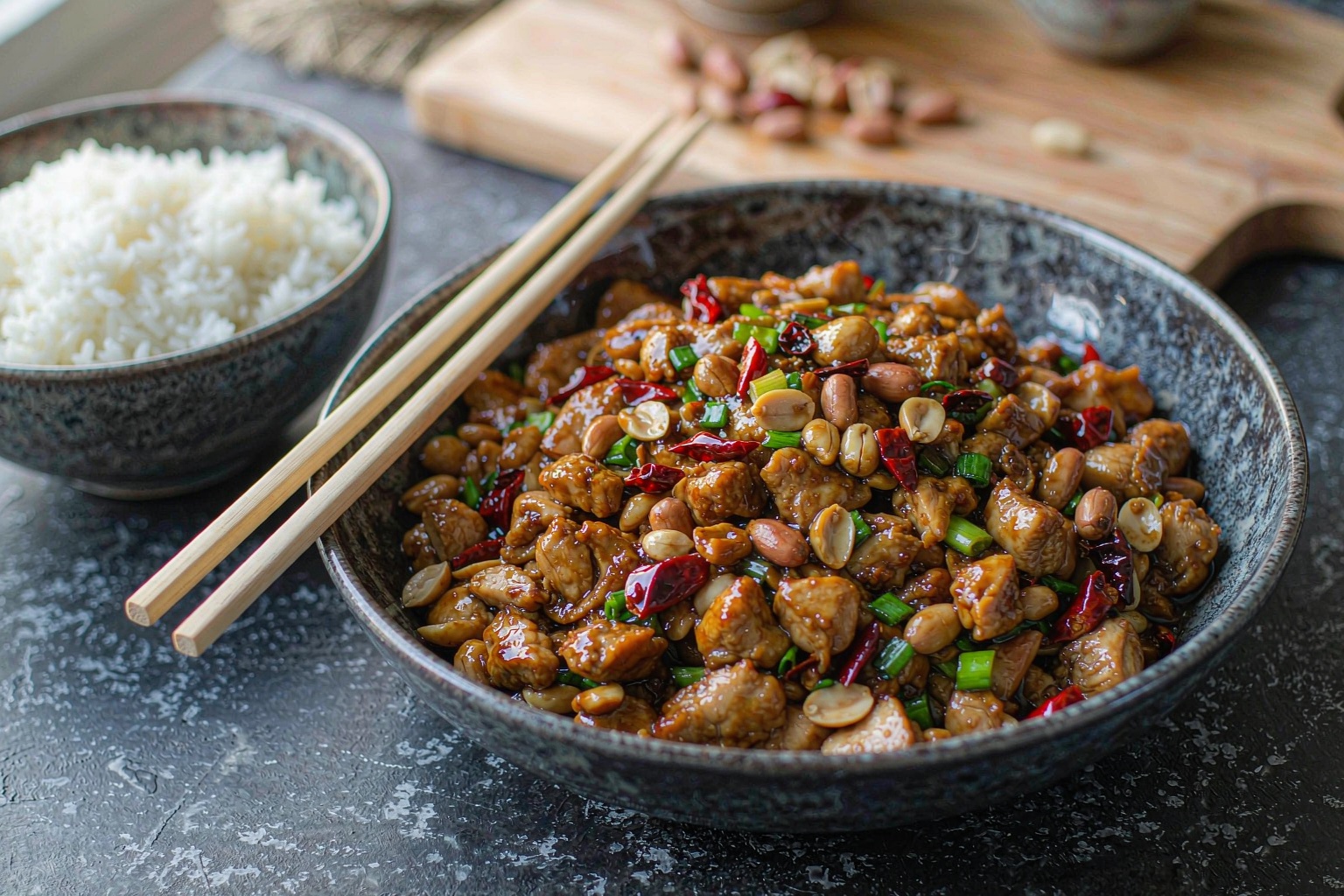
Kung Pao Chicken (宫保鸡丁, Gōngbǎo Jīdīng) is the dish I order first whenever I land in Chengdu with a blank stomach. It is a stir-fry of diced chicken, peanuts, dried red chilies and Sichuan peppercorns, bound by a sweet-sour-savory sauce that shines in about ninety seconds over fierce heat. What makes it distinct from every other “spicy chicken” on a Chinese menu is the numbing quality — that faint electric tingle on your lips from the peppercorns, not from the chilies. Get that balance wrong and you have a different dish entirely.
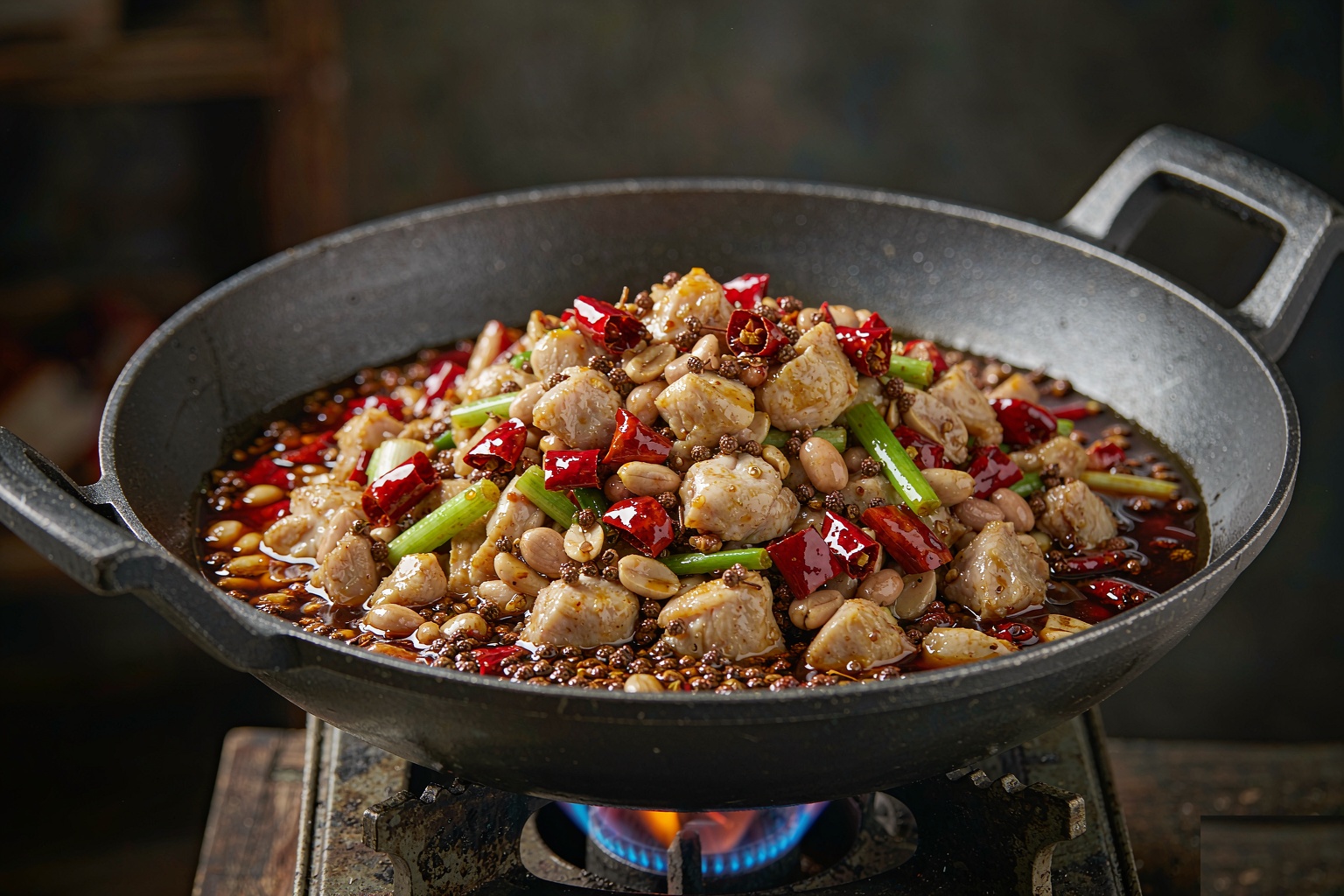
The name comes from Ding Baozhen, a Qing-dynasty official whose title was “Gongbao” (palace guardian). The story goes that he liked a similar stir-fry from his home province, and his chefs refined it in the governor’s kitchen. Whether or not the legend is tidy, the flavor profile is old and settled: it belongs squarely to Sichuan cuisine, the boldest of China’s regional traditions.
How It Tastes — and Why People Love It
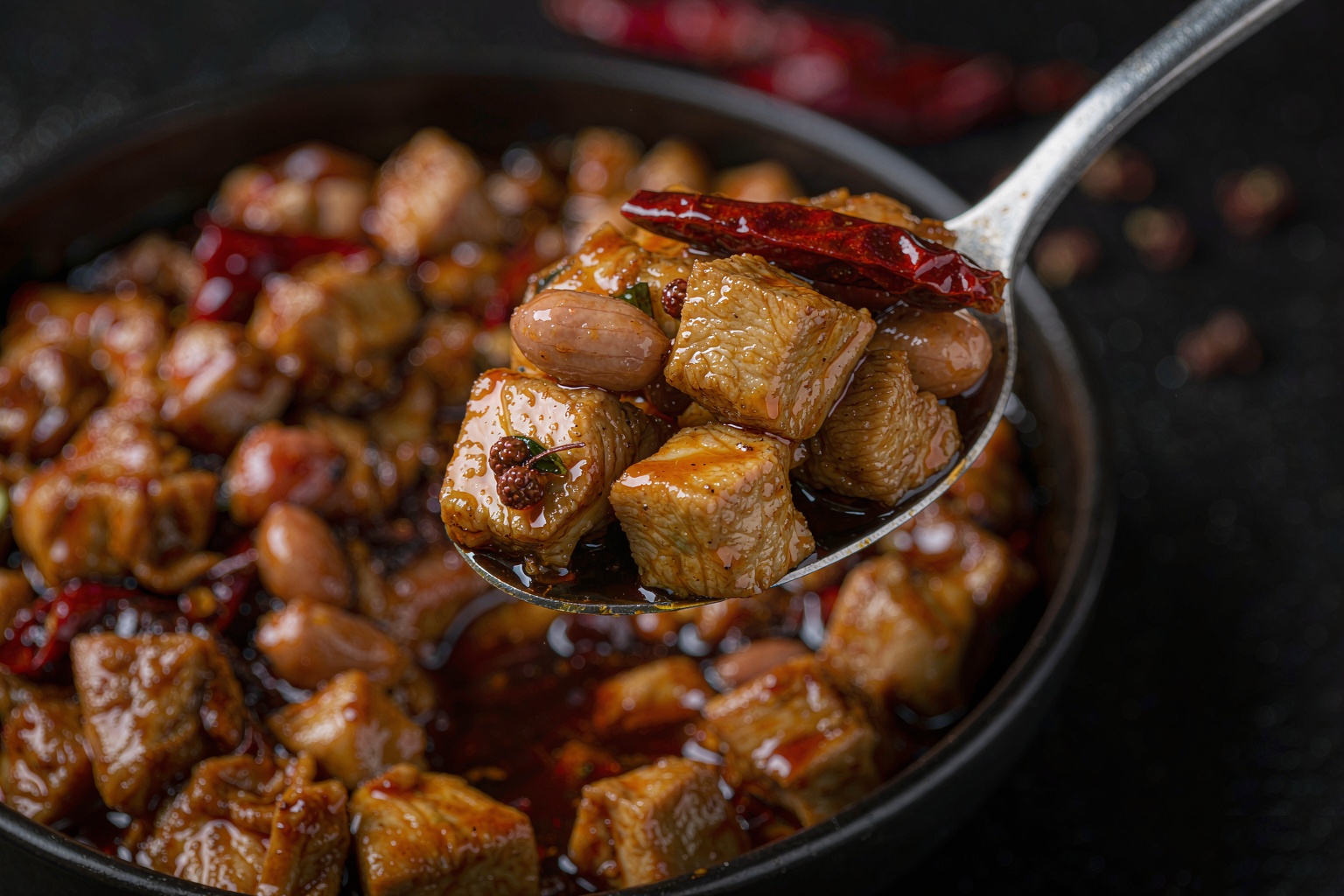
Done well, Kung Pao is a study in contrast. The chicken is velveted so it stays tender; the peanuts add a toasty crunch; the dried chilies perfume the oil without necessarily making the dish tear-inducing. The sauce hits three notes at once — mild sweetness from sugar, tang from vinegar, and depth from soy and a little chicken stock. The Sichuan peppercorns (花椒, huājiāo) are the wildcard: they don’t bring heat, they bring má, a citrusy numbness that makes the whole bite feel alive.
That layering is why the dish travels so well. It reads as comfort food to locals and as an adventure to first-timers, which is exactly the position it holds on Chengdu’s food scene and on menus from Shanghai to San Francisco.
Core Ingredients
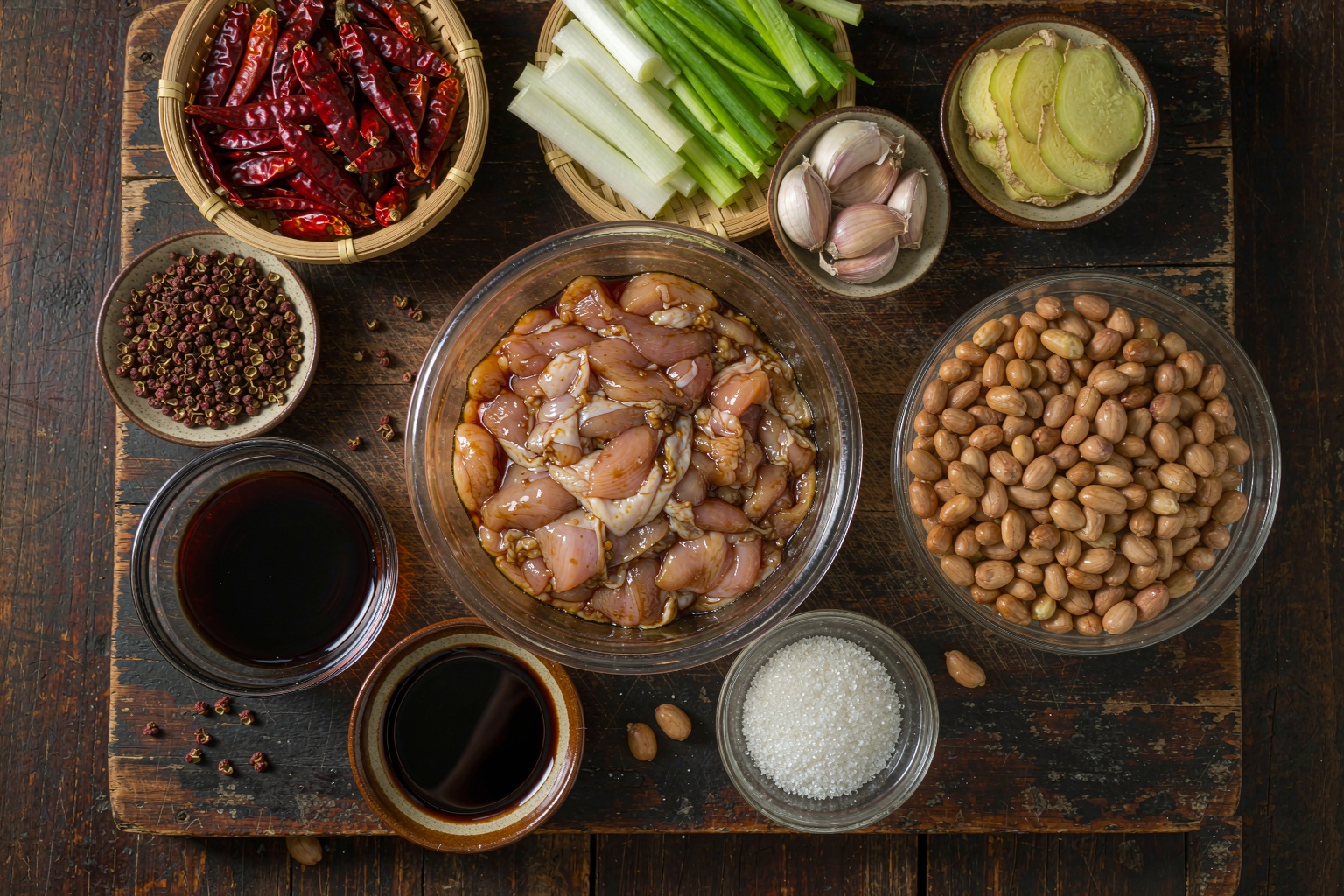
This serves two to three as part of a shared meal. Quantities are for the home cook, not a restaurant wok.
- Chicken thigh: 350 g, cut into 1.5 cm cubes (thigh stays juicier than breast under high heat)
- Roasted peanuts: 50 g, unsalted
- Dried red chilies: 8–12, snipped in half, seeds shaken out for less fire
- Sichuan peppercorns: 1 heaping teaspoon, lightly cracked
- Aromatics: 3 cloves garlic (sliced), a 2 cm knob of ginger (finely diced), 3 spring onions (white parts only, cut into 1 cm sections)
- For the marinade: 1 tbsp light soy sauce, 1 tsp Shaoxing wine, 1 tsp cornstarch, a pinch of white pepper
- For the sauce: 1 tbsp light soy, 1 tbsp black vinegar, 1 tbsp sugar, 1 tsp cornstarch, 2 tbsp chicken stock
- Cooking oil: 2–3 tbsp, neutral (peanut or rapeseed)
Who Should Order (or Cook) It
Kung Pao is a friendly entry point into Sichuan food. If you enjoy roasted peanuts, mild sweetness, and a gentle tingle rather than a five-alarm burn, this is your dish. It is a smart first order for travelers working up to Chongqing hotpot, which is far more aggressive.
It is less ideal for two groups. People with a diagnosed peanut allergy should skip it or ask for a walnut substitution — but be aware cross-contact in small kitchens is real. And anyone who truly cannot tolerate any numbing sensation may find the peppercorns distracting; ask for “less má” and most restaurants will oblige. For everyone else, it is one of the most balanced introductions to China’s eight great regional cuisines.
Step-by-Step Method
1. Velvet the chicken. Toss the cubes with soy, wine, cornstarch and pepper. Rest 15 minutes. This short marinade is what keeps the meat from going chalky in the wok.
2. Build the sauce. Stir soy, vinegar, sugar, cornstarch and stock in a small bowl. Taste it — it should read sweet-tangy, not salty. Set aside.
3. Toast the peanuts. In a dry pan over medium heat, shake the peanuts until fragrant, about two minutes. Tip out. (If yours are pre-roasted, a quick toss is enough.)
4. Bloom the aromatics. Heat the oil in a wok until it shimmers. Drop in the chilies and peppercorns; stir for 20–30 seconds until the oil smells toasty and the chilies darken at the edges but do not blacken. Add garlic, ginger and spring-onion whites; stir ten seconds.
5. Sear the chicken. Add the chicken in a single layer. Let it sit undisturbed for thirty seconds to brown, then stir-fry until the cubes turn opaque, about two minutes.
6. Sauce and finish. Pour in the sauce. It thickens in seconds. Fold in the peanuts, stir to coat, and pull the wok off the heat the moment everything glistens. Overcooking toughens the chicken and dulls the peanuts.
7. Serve. Pile into a bowl, scatter the green spring-onion tops, and eat with plain steamed rice. The rice is not optional — it is the cooling counterweight the dish was built around.
Tips That Change the Result
Use thigh, not breast. The extra fat carries the sauce and survives the heat. Keep the wok moving; Kung Pao is a ninety-second dish once the chicken hits the metal, so have every component measured before you light the burner. And respect the chilies — they are for aroma, so fish them out if you want the look without the fire.
If you want to go deeper on regional technique, a China food tour through Sichuan and Chongqing will show you a dozen local variations — some with shellfish, some with lotus root — that all trace back to this same numbing-sweet framework.
Regional Twists You’ll Meet
Travel inside Sichuan and you’ll notice the dish is not pinned down. Around Chongqing it leans hotter and drier, sometimes with a handful of shelled prawns folded in. In Guizhou, a spoonful of sour fermented broth (糟辣椒, zāo làjiāo) nudges the sauce toward tartness. A few home cooks swap the peanuts for cashews, or add diced cucumber and carrot for color and crunch. None of these are “wrong” — the骨架 (skeleton) of chicken, chilies, peppercorns and a sweet-sour glaze stays constant, and everything else is local weather. That flexibility is part of why the recipe survives translation so well.
A Note on Ordering It Abroad
Outside China the dish is often sweetened into a candy-coated version. The authentic plate is drier, sharper, and studded with visible peppercorns. If a menu lists “Gong Bao” or “Kung Po,” you are usually closer to the real thing than the “Kung Pao” with the heavy glaze. Either way, it remains one of the safest, most rewarding Chinese dishes to fall in love with first.