

I first climbed Huangshan with a backpack that was far too heavy and a pair of shoes that had no grip on wet stone. By the time I reached the first ridge, my knees were already complaining. On my second and third trips I used the cable cars, and the difference was not just comfort — it changed what I was able to see in a single day. This guide is the one I wish I had read before that first climb: a practical breakdown of every line, what each Huangshan cable car ticket actually costs as of 2026, and how to combine the rides so you save your legs for the views rather than the stairs.
The four rides you need to understand
Most visitors think of the Huangshan Yellow Mountain cable car as a single thing. It is not. There are three separate mountain lines plus a scenic railway inside the canyon, and they serve different parts of the massif. Knowing which is which is the whole game.
Yungu Cableway (the back mountain)
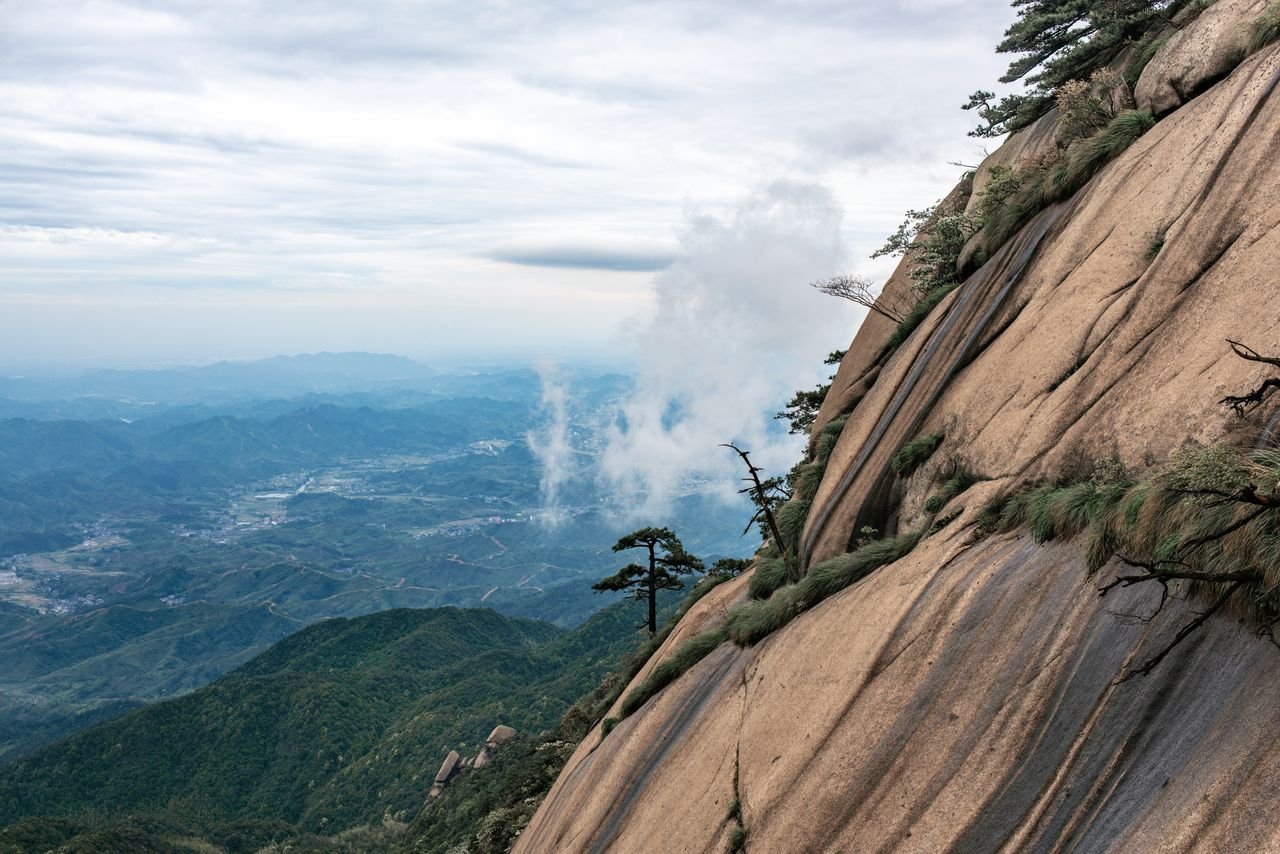
The Yungu line climbs from the eastern entrance at Yungu Temple up to White Goose New Station, near the starting point for the Back Mountain circuit. It is the ride I now take up. The gondolas are modern, the queue moves steadily, and the upper station drops you close to beginning-themed viewpoints like始信峰 (Begin to Believe Peak) without a long approach march. A one-way Huangshan cable car ticket here is ¥80 as of 2026.
Yuping Cableway (the front mountain)
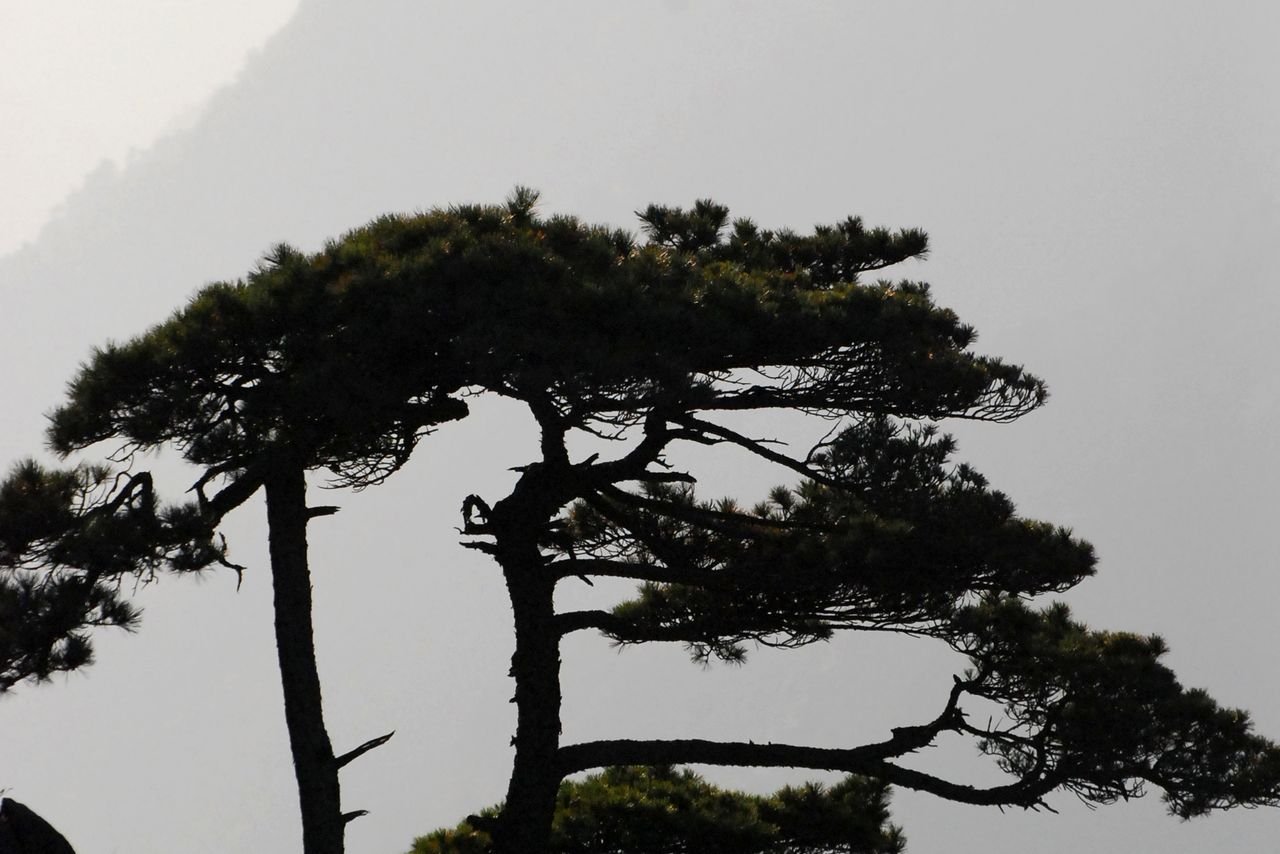
The Yuping line runs from the southern base up to Yuping Tower, beside the famous Greeting Pine and the steep front-mountain steps. I use this one for the descent. The gradient is dramatic — you look down the granite face you would otherwise have to hike — and a one-way ride is ¥90 as of 2026. It is slightly pricier than Yungu, and the queue can be longer in the afternoon.
Xihai Grand Canyon railway
Inside the West Sea Grand Canyon there is a small funicular railway locals call the 地轨 or Xihai sightseeing cable car. It is not a way to reach the summit; it is a shortcut across the bottom of the canyon, running between the lower and upper loop trails. At ¥100 one-way as of 2026, it is the most expensive single ride, but it spares you a brutal uphill section that many hikers describe as the hardest part of the canyon.
Yellow Mountain cable car price at a glance
Here is the full cost picture I kept in my notes. Remember that the entry ticket is separate from every cable car ride — a detail that catches a lot of first-timers.
| Item | Direction | Price (as of 2026) | Notes |
|---|---|---|---|
| Mountain entry ticket | n/a | ¥190 peak / ¥150 low season | Peak is roughly March–November; low season is December–February |
| Yungu Cableway | one-way | ¥80 | Back mountain, best for ascending |
| Yuping Cableway | one-way | ¥90 | Front mountain, best for descending |
| Xihai Grand Canyon railway | one-way | ¥100 | Inside the canyon only, optional shortcut |
The route I recommend: up Yungu, down Yuping
After three attempts, this is the combination I tell every friend to use. Ride the Yungu line up in the morning, walk the Back Mountain circuit past the pines and the云端 viewpoints, cross toward the West Sea, then sleep on the mountain so you can catch sunrise. The next morning, finish at the Greeting Pine and take the Yuping line down. You never walk the punishing front-mountain staircase in full, and you finish near the southern bus station for the ride out.
The reverse — up Yuping and down Yungu — works just as well if you base yourself at the southern entrance. Either direction beats climbing both ways. I once met a couple in their sixties who had walked up and down in a single day; they were still limping at dinner. The whole point of the Huangshan cable car system is to trade a few hundred yuan for thousands of steps you will not regret skipping.
How to actually save your knees
The cable cars are only half of it. A few habits made a bigger difference to my legs than any single ride:
- Use trekking poles. The descent is what destroys knees, and the stone steps are uneven when wet. Two poles shifted load off my quadriceps immediately.
- Descend, never ascend, the front-mountain stairs. If you must walk them, go down. Gravity is kinder on the way down with poles than a grind upward.
- Take the Xihai railway if the canyon loop is full. ¥100 is cheap insurance against a two-hour uphill slog at the end of a long day.
- Sleep on the summit. Splitting the walk across two days removed more strain than any equipment upgrade.
- Watch the last cable car times. Both Yungu and Yuping stop in the late afternoon, earlier in low season. Missing the last gondola means a two-hour walk down in the dark.
Booking, queues and small practicalities
You can buy each Huangshan cable car ticket at the lower stations, but on holidays I queue nearly an hour. I now book the entry slot and rides through the official “Huangshan Tourism” WeChat mini program before I arrive, then scan my passport at the gates. Foreign passports work at the manned counters; the fully automated lanes sometimes struggle, so leave extra time at the entrance.
Prices and operating hours are as of 2026 and do shift with the seasons, so check the official channel a day before you go. If you are still deciding where to base yourself, I found that staying at the foot of the mountain the night before a dawn ascent saved a stressful early bus ride — there is more detail on where to stay near Huangshan, including which hotels run early shuttles to the Yungu and Yuping stations.
For the bigger picture — trail maps, sunrise spots and how many days to allow — my longer Huangshan Yellow Mountain guide covers the planning layer that sits behind all these ticket decisions. And if you have a spare day after the descent, the Hongcun ancient village is an easy, flat, knee-friendly add-on an hour away, with its built-over water canals and Ming-era houses.
Is the cable car worth it?
Every time I have used the cable cars, I have seen more, not less. You arrive at the ridge with enough energy to walk the whole loop, take the photographs you came for, and still enjoy dinner. The Yellow Mountain cable car price is not a shortcut for lazy travellers — it is what makes a one- or two-day visit realistic for ordinary legs. My advice is simple: pay for the ascent and the descent, decide the direction based on where you sleep, and spend the energy you save looking at the view rather than counting steps.
Written by Karl Huang, a travel writer who has hiked Huangshan in three seasons and still takes the cable car every time.