

This Hami travel guide covers the first real oasis you reach when you enter Xinjiang, China from the east. Hami — historically Kumul — sits where the Gobi ends and the Tianshan range begins, and for two thousand years it was the gate through which Silk Road caravans passed before Turpan and Kashgar. Today it is a comfortable, easy-going city of wide streets and irrigation canals, best known across China for the honey-sweet melons that carry its name. Add snow-capped mountains 70 kilometres north, grassland and a lake beyond them, and wind-carved desert to the south, and Hami earns two or three days rather than the lunch stop most travellers give it.
Why Stop in Hami
Most Silk Road routes run Xi’an — Lanzhou — Dunhuang — Turpan — Kashgar, and Hami falls neatly between Dunhuang and Turpan on the Lanzhou–Xinjiang railway. What you get for the stop is variety compressed into a small radius: melon fields and vineyards in the oasis, alpine meadow and pine forest at Baishitou, open grassland and a shallow lake at Barkol, and yardang badlands out toward Wubao. Few places in Xinjiang, China let you go from desert to snowline in ninety minutes of driving.
Best Time to Visit
The best time to visit Hami is May to October, and if you can choose, make it late August to early October. That is melon and grape harvest, the grasslands are still green, and the heat has broken.
- April–May: 18–28°C by day, cool nights, occasional dust and strong wind. Fruit trees blossom; the mountains still hold snow.
- June–August: hot and dry, 32–38°C in the city, occasionally above 40°C. The Barkol grasslands, at around 1,600–2,000 metres, stay a pleasant 20–26°C, so summer visitors head uphill.
- September–October: the sweet spot. Days of 18–26°C, cold nights, peak melon season, and golden poplars along the canals by mid-October.
- November–March: cold and quiet, with daytime highs from 2°C down to −8°C and night lows near −20°C. Mountain roads to Baishitou and Barkol can close after snow.
Domestic crowds concentrate in the July–August school holidays and the National Day week (1–7 October), when hotel rates jump. Outside those windows Hami is uncrowded by any Chinese standard.
How to Get There
Hami Railway Station is served by both high-speed trains on the Lanzhou–Xinjiang line and slower conventional services; Hami Yizhou Airport handles domestic flights, mainly via Ürümqi.
| From | Option | Time | Approx. Cost |
|——|——–|——|————–|
| Ürümqi | High-speed train (D/G) | 3 h – 3 h 40 m | RMB 200–260 (US$28–37) |
| Ürümqi | Flight to Hami Yizhou Airport | 1 h 05 m | RMB 500–950 (US$70–134) |
| Turpan North | High-speed train | 1 h 30 m – 2 h | RMB 120–160 (US$17–23) |
| Liuyuan South (for Dunhuang) | High-speed train | 1 h 30 m – 2 h | RMB 110–150 (US$15–21) |
| Lanzhou West | High-speed train | 7–8 h | RMB 480–560 (US$68–79) |
| Xi’an North | High-speed train (1 change) | 11–13 h | RMB 700–820 (US$99–115) |
| Hami city | Chartered car, full day to Barkol | 9–10 h | RMB 600–800 (US$85–113) |
Trains are the sane choice here. Buy tickets with your passport number, arrive 40 minutes early for security and ID checks, and note that station staff will scan the passport itself rather than a printed booking. Hami Railway Station is about 4 kilometres from the city centre — RMB 12–20 (US$2–3) by taxi.
Where to Stay
Hami is compact and everything useful sits within a few kilometres of Guangchang Road and the Hami Wangfu area.
- City-centre business hotels — modern chains and local four-star equivalents near the main square, with reliable Wi-Fi, breakfast and English-capable front desks at the better ones. RMB 220–420 (US$31–59) per night.
- Budget hotels and guesthouses — clean, simple rooms near the railway station or the old bazaar quarter. RMB 110–200 (US$15–28). Confirm the property accepts foreign passports when you book; not all smaller places do.
- Upscale and resort-style — a small number of larger hotels with pools and full restaurants on the city’s northern edge, plus seasonal yurt-style lodges and guesthouses out at Barkol. City upscale RMB 450–700 (US$63–99); Barkol yurt or grassland stays RMB 180–380 (US$25–54) in summer only.
Things to Do in Hami
Hami Kings’ Mausoleum (Hami Wangfu) — the walled tomb complex and reconstructed palace of the Kumul rulers, mixing Central Asian domes with Chinese timber halls. It is the city’s signature monument and takes about 90 minutes. Entry roughly RMB 45 (US$6).
Baishitou (White Stone Head) scenic area — 70 kilometres north in the Tianshan foothills, where the desert abruptly becomes spruce forest and alpine meadow at around 2,200 metres. Horse riding, easy walking trails and a startling temperature drop. Entry plus shuttle roughly RMB 90 (US$13).
Barkol grassland and Barkol Lake — 130 kilometres north over a mountain pass, an open steppe basin with a shallow salt lake, sheep flocks and enormous skies. Summer only; the road is snowbound much of winter.
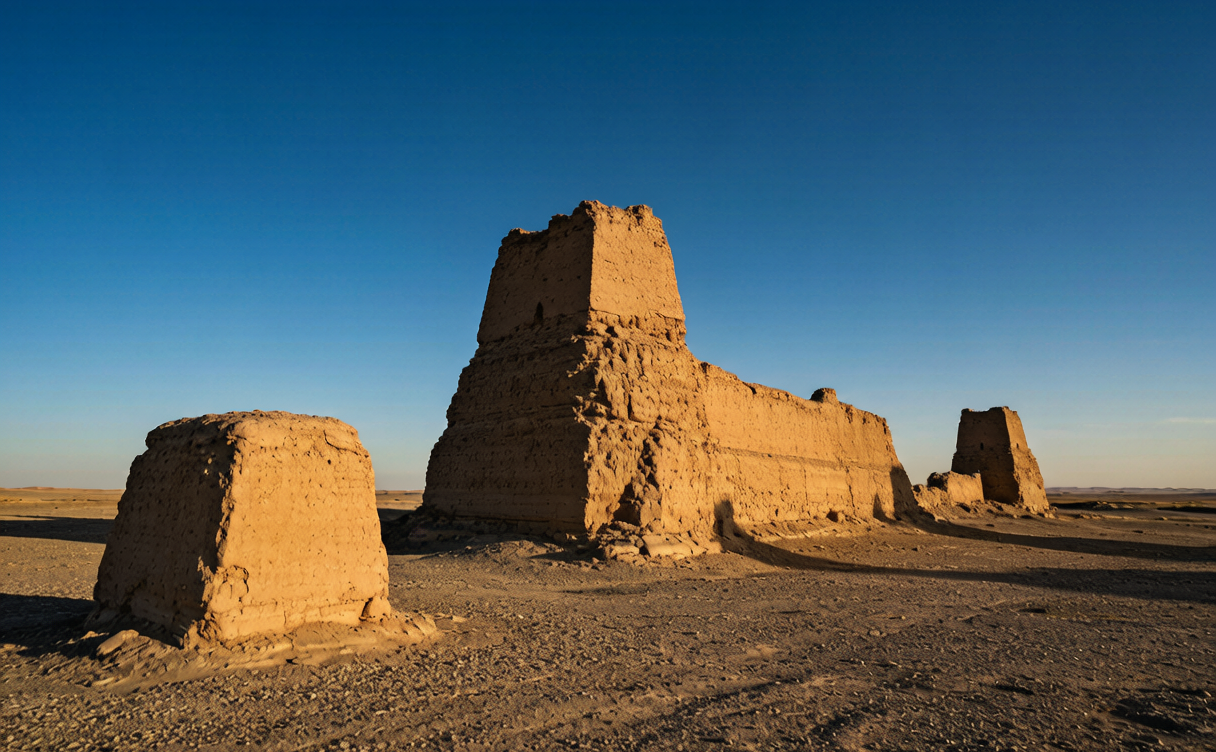
Wubao yardang landforms — southeast of the city, a field of wind-carved ridges that glow orange near sunset, often called a “devil’s city” for the sound the wind makes through them. Best reached by chartered car with a driver who knows the tracks.
Huiwang Old Street and the night bazaar — the practical evening plan: dried fruit, nuts, melon by the slice, skewers over charcoal, and locals playing chess under the plane trees.
Hami Museum — small but genuinely good on Silk Road trade, desert-preserved textiles and the region’s bronze-age finds. Free with passport registration.
What to Eat
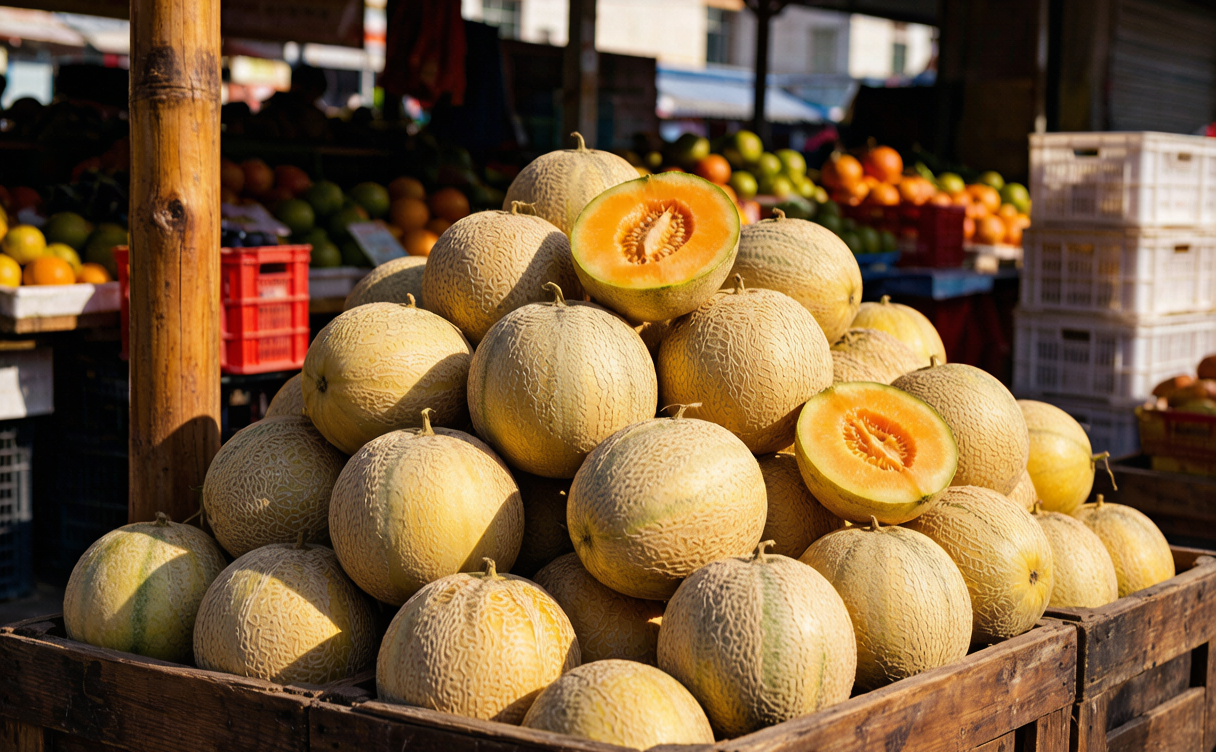
The melon comes first. Hami gua is sold whole, halved, or chilled by the wedge from carts everywhere between July and October, and the local varieties are far better than what is exported. Beyond fruit:
- Dapanji (“big plate chicken”) — chicken, potato and pepper in a mildly numbing sauce, served over wide hand-pulled noodles added at the end.
- Laghman — hand-pulled noodles tossed with lamb, tomato, pepper and onion; the regional staple lunch.
- Kawap — cumin-heavy lamb skewers grilled over charcoal, the default street snack.
- Nang — crisp-edged tandoor bread, sold from the oven all morning; the sesame-and-onion version is the one to buy.
- Barkol mutton — from grassland-raised sheep, usually served plainly boiled with a salt dip so the meat speaks for itself.
- Polo — rice pilaf with lamb, carrot and raisin, typically a lunch dish and often sold out by 14:00.
Wash it down with brick tea or fresh-pressed grape juice. Alcohol is served in ordinary restaurants and hotels.
Sample Itinerary
Day 1 — city and oasis
- 08:30 Nang and milk tea near the bazaar
- 09:30 Hami Kings’ Mausoleum and the palace grounds
- 11:30 Hami Museum
- 13:00 Laghman lunch, then melon from a street cart
- 15:00 Walk the canal-side poplar avenues and Huiwang Old Street
- 17:30 Drive out to the Wubao yardang field for sunset (2 h round trip plus time on site)
- 21:00 Night bazaar: skewers, dried apricots, chess-watching
Day 2 — mountains and grassland
- 07:00 Early start with a chartered car
- 09:00 Baishitou: forest walk, meadow, tea at a roadside stand
- 11:30 Continue over the pass toward Barkol
- 13:00 Grassland lunch — boiled mutton and hand-torn bread
- 14:30 Barkol Lake shoreline and the old garrison town walls
- 17:00 Return drive with a stop at the pass viewpoint
- 19:30 Back in Hami; dinner of dapanji
Add a third day if you want to slow down: a morning at a melon farm outside town, an afternoon in the mountains, and an evening train onward to Turpan.
Practical Tips
- Tickets and hours: most sites open 09:30–19:00 in summer and close an hour earlier in winter. Note that Xinjiang, China runs on Beijing time officially, but daily life follows an informal local clock roughly two hours later — restaurants fill at 21:00, and “9 am” opening often means 10:30 in practice. Always confirm which clock someone means.
- Payment: Alipay and WeChat Pay dominate. Link an international card before you arrive. Carry RMB 300–500 in cash for rural stalls and chartered-car drivers.
- Language: English is rare. Mandarin and Uyghur are both widely used. An offline translation app plus written Chinese addresses will cover you.
- Permits: no special permit is required to visit Hami or Barkol. Bring your passport everywhere — hotels, stations and some scenic areas register it.
- Transport on the ground: DiDi works in the city. For Baishitou, Barkol and the yardangs you need a chartered car; your hotel can arrange one, and the day rate is usually negotiable.
- Sun and dryness: humidity is very low. Drink far more water than feels necessary, use lip balm, and wear a hat between May and September.
FAQ
How many days do I need in Hami?
Two full days covers the city plus one mountain or grassland trip. Three lets you do both Baishitou and Barkol without rushing.
How do I get to Hami from Dunhuang?
Take the high-speed train from Liuyuan South, Dunhuang’s rail gateway, roughly 1 h 30 m to 2 h for RMB 110–150 (US$15–21). It is the single easiest link on this stretch of the Silk Road. Timetables and live availability are published by the national operator at China Railway’s official booking site.
Is Hami a good stop for a first trip to Xinjiang, China?
Yes — it is small, low-altitude, well connected by rail and easy to navigate, which makes it a gentler introduction than the far west. Our China travel guide for first-timers covers the wider basics of arriving, paying and getting around.
When are Hami melons actually in season?
Early varieties appear in late June, the main harvest runs July to September, and stored melons are sold into November. September is the best combination of sweetness and price.
What else is nearby worth adding?
Turpan is two hours west by train and pairs perfectly with Hami. Further on, the alpine scenery in our Xinjiang Sayram Lake guide makes a strong contrast to the desert east.
Written by Karl, last updated August 4, 2026.