

Fushun is the most surprising city on this list, and the one least prepared for tourists — which is exactly why it is worth your time. About 45 kilometers east of Shenyang in the Hun River valley, it was the cradle of China’s coal and heavy industry, and it is also the gateway to Manchu heritage sites and some of the greenest forest parks in Liaoning. Our clients who come for a day trip out of Shenyang usually leave with two strong memories: standing at the rim of a giant open-pit mine, and walking a cool pine forest an hour later. This Fushun travel guide covers the industry, the forests, the Qing-Manchu sites, and how to fit it all into a northeast China route.
Why Fushun Matters
Fushun’s story is the story of modern Chinese industry. For most of the 20th century it was the country’s coal engine — the West Open-Pit Mine (西露天矿) here was, for decades, the largest open-pit coal mine in Asia, a terraced crater several kilometers across dug into the earth. The city also became known for jet and amber carving (煤精 and 琥珀), since both are found in the local coal measures. Today the mine is exhausted and partly repurposed as a heritage and geology site, and the city is reinventing itself around parks and heritage tourism. The result is a layered place: industrial bones, Manchu roots, and green hills.
The West Open-Pit Mine and Mining Heritage
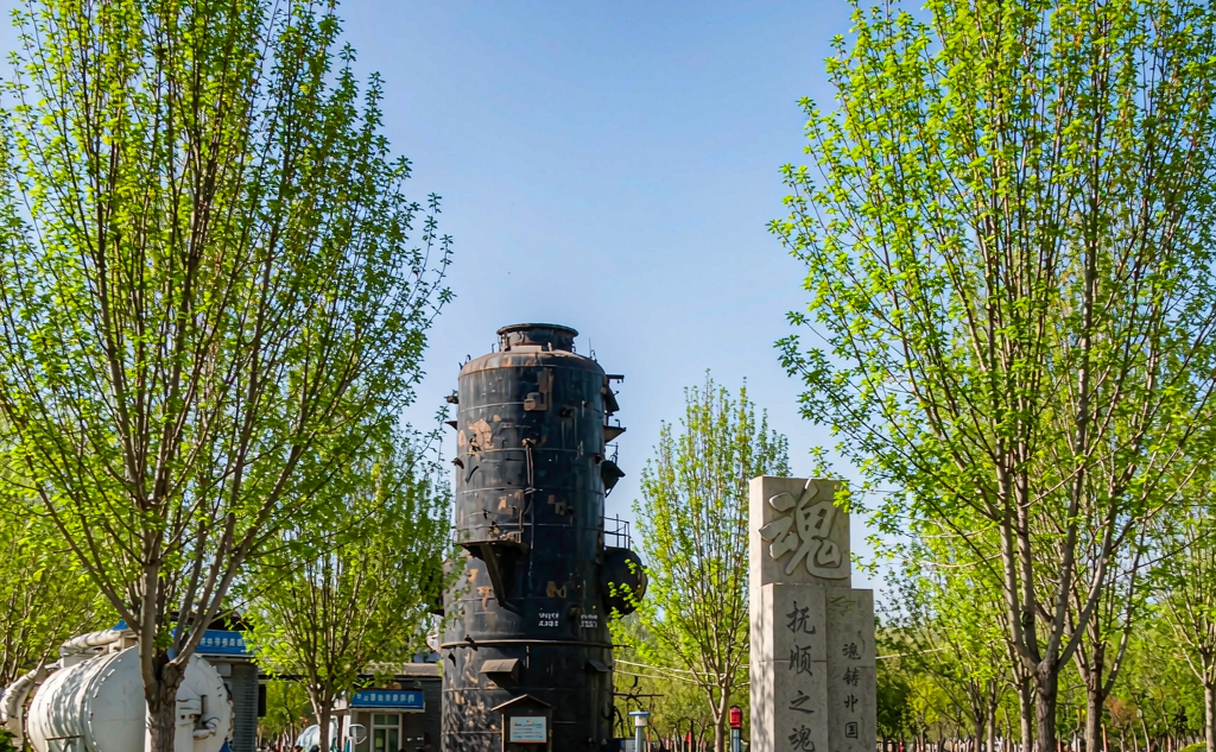
The single most unforgettable sight is the West Open-Pit Mine viewing platform. From the rim you look down into a stepped amphitheater of rock and abandoned rail — a human scar on the landscape that is strangely beautiful, especially at the long light of late afternoon. A small museum nearby explains the mine’s century of operation and the workers’ lives. We once brought an engineer client who had read about the mine for years; he spent an hour just reading the strata exposed on the benches, calling it “a textbook you can stand inside.” Entry to the viewing area and museum is modest, usually 30 to 60 RMB combined.
Fushun also has a coal-mining museum and the site of the old 抚顺炭矿 (coal mine office), and the city markets its amber and jet carvings at shops near the center — genuinely local souvenirs you will not find elsewhere, with small carved animals running from 20 to 200 RMB depending on size and quality.
Hetu Ala: The Manchu Cradle
An hour’s drive southeast in Xinbin Manchu Autonomous County sits Hetu Ala (赫图阿拉城), the walled mountain town where Nurhaci united the Jurchen tribes and declared the Later Jin state in 1616 — the seed from which the Qing dynasty grew. The reconstructed earthen walls, the shamanic altar, and the clan halls give a tangible sense of early Manchu power, and the surrounding Xinbin hills are beautiful. It is a half-day trip best done with a driver. We recommend pairing it with the nearby Yongling Tomb (see below) since both sit in the same county and together tell the Manchu-to-Qing story better than either alone.
Yongling Tomb: A Qing Imperial Site
Also in Xinbin, the Yongling Tomb (永陵) is the burial place of Nurhaci’s ancestors and one of the key early Qing imperial mausoleums. It is part of the Imperial Tombs of the Ming and Qing Dynasties, a UNESCO World Heritage grouping, and unlike the crowded Eastern Qing Tombs near Beijing, this one is quiet and wooded. The carved spirit-way, the red gates, and the forested setting make for a calm, photogenic hour. Entry is usually in the 50 to 80 RMB range. If you are interested in how a frontier tribe became China’s last dynasty, this stop ties directly to Hetu Ala and is well worth the drive.
Forest Parks: San-kuaishi and Houshi
For green relief, Fushun delivers. San-kuaishi National Forest Park (三块石国家森林公园) — “Three Rocks” — is a rugged reserve of old pine, streams, and a famous rock formation, with marked trails from easy boardwalks to steeper ridge hikes; allow half a day. Houshi National Forest Park (猴石国家森林公园) to the east has similar appeal with gorges and a monkey-shaped stone. Both sit in the rolling hills east of the city and run cool even in summer, making them a natural escape when Shenyang bakes. Entry to each is typically 40 to 70 RMB, and the higher trails can be slippery after rain, so wear proper shoes.
We once arranged a late-September hike at San-kuaishi for a couple chasing fall color; the maple and oak on the slopes had turned, and they had a popular viewpoint entirely to themselves because the tour buses skip Fushun’s parks.
The Hun River, Gao’er Mountain, and City Stops
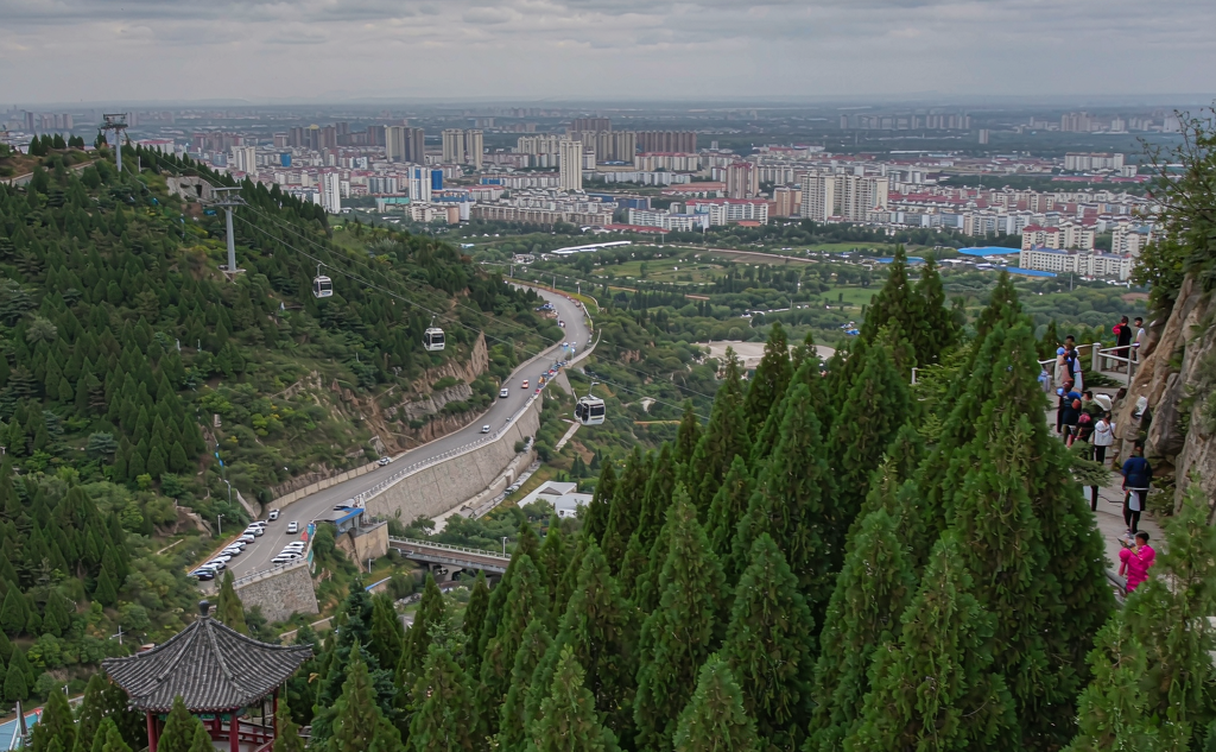
Back in the urban area, Gao’er Mountain Park (高尔山公园) has a Liao-dynasty pagoda and a hilltop view over the city and the Hun River — a pleasant morning walk, free or nearly so. The Dahuofang Reservoir (大伙房水库) west of the city is a large water supply that also has a scenic drive and lakeside spots popular with weekend anglers. For a more unusual stop, the former war-criminals management center is now a small museum on 20th-century history; it is niche and not for everyone, but it is part of the city’s layered past.
And then there is food. Fushun’s signature street dish is 麻辣拌 (mala ban, “spicy mix”) — a dry, numbing-tingly toss of tofu, noodles, vegetables, and gluten balls, invented here and now copied across the northeast. A bowl costs 10 to 20 RMB at a city shop and is the local answer to hotpot without the broth. Try it; it is the taste of Fushun more than any formal banquet.
Things to Do in Fushun: Our Shortlist
Travelers searching things to do in Fushun will find an unusual mix. In order of payoff:
1. Stand at the West Open-Pit Mine rim and visit the mining museum (half day).
2. Drive to Hetu Ala and the Yongling Tomb in Xinbin for Manchu-Qing history (full day).
3. Hike San-kuaishi or Houshi forest park for cooler air and views (half day).
4. Walk Gao’er Mountain Park and its Liao pagoda (1 hour).
5. Eat mala ban and browse amber/jet carvings in the city (evening).
6. Drive the Dahuofang Reservoir shore if you want water and quiet.
How to Get to Fushun
Fushun is the easiest day trip on this list because it is so close to Shenyang. Regular trains and the Shenyang–Fushun intercity service run frequently, about 30 to 50 minutes from Shenyang Station or the city’s north station, and buses and rideshares cover the 45 km in similar time. There is no need to change cities; base in Shenyang and make Fushun a loop. Our Shenyang travel guide covers the capital in detail as a hub. For the longer Beijing–Harbin corridor, the China high-speed train guide for foreigners explains tickets and seat classes, though for Fushun itself the short intercity is simplest.
Within Fushun, the mine and city stops are reachable by taxi, but the Xinbin heritage sites and the forest parks are 45 to 90 minutes out with thin public transport, so a private driver for the day (roughly 400 to 700 RMB) is the realistic way to combine Hetu Ala, Yongling, and a park.
Best Time to Visit Fushun
The city has four clear seasons. Summer (June to August) is warm and good for the forest parks, which stay cooler than the plains. Autumn (September to October) is the standout: crisp air and the hills ablaze with maple and oak, ideal for San-kuaishi. Spring is windy and the mine rim can be dusty; winter is cold, and while the parks are snowy and quiet, some trails close. The mine and the heritage sites are year-round, so even a winter day trip from Shenyang works.
A Suggested Fushun Itinerary
A day trip out of Shenyang:
- Morning: Train to Fushun, taxi to the West Open-Pit Mine rim and museum (2 to 3 hours).
- Lunch: Mala ban and a city noodle shop.
- Afternoon option A (heritage): Driver to Hetu Ala and Yongling Tomb in Xinbin (full afternoon, return late).
- Afternoon option B (nature): Hike San-kuaishi forest park, back to Shenyang by evening.
This Fushun itinerary is best split: do the mine and city one day, and the Xinbin heritage or the forest park on a second, since cramming all three means too much driving. If you stay overnight, a simple city hotel runs 150 to 350 RMB.
Costs, Food, and Practical Tips
Fushun is cheap. A city hotel is 150 to 350 RMB, a mala ban bowl 10 to 20 RMB, a forest-park entry 40 to 70 RMB, and a driver for the Xinbin loop 400 to 700 RMB. Mobile payment works; carry cash for small stalls and park entrances. Pack sturdy shoes for mine-rim paths and forest trails, a light jacket for cooler park air even in summer, and a dust mask if visiting the mine rim on a dry windy day.
English is limited, so have your hotel write “抚顺” and site names in Chinese for drivers. The mine rim has railings but is exposed; keep children close. The Xinbin sites are spread out, so start early to beat the afternoon light fading in the hills.
Where Fushun Fits in a Northeast Trip
Fushun works as a Shenyang side trip more than a standalone stop, and it pairs naturally with the limestone caves and rivers of Benxi to the south. Our Benxi travel guide covers that neighbor if you want to extend the loop, and the Dalian travel guide handles the peninsula’s flagship city further south. For the big picture, the best things to do in China list places Liaoning’s industrial-and-forest mix among the country’s more unusual day trips, and first-timers should open the China travel guide for first-timers before booking trains and stays.
We have sent engineers, history buffs, and a family chasing fall color here, and the pattern is consistent: Fushun rewards curiosity more than itineraries. Come for the mine, add the forests or the Manchu cradle as time allows, and let the mala ban be your last memory of the city.