

A long China connection used to mean a tired nap on an airport chair. Not anymore. With the expanded 240-hour visa-free transit scheme, a China 48-hour layover can become two free days inside Beijing, Shanghai, or a dozen other cities — no tourist visa required. We’ve helped clients turn a 30-hour Shanghai stop into a bun crawl through the former French Concession and a sunset on the Bund. This guide explains who qualifies and how to spend the hours well.
Do you even need a visa?
Most visitors connecting through China on a third-country route now fall under the 240-hour (10-day) visa-free transit allowance, which is far more generous than the old 72-hour rule. The basics: you must be transiting to a different country or region, hold a confirmed onward ticket, and arrive at an eligible port. The full eligibility list and the paperwork the desk wants are in our 240-hour visa-free transit guide. Even a short connection often qualifies, so always ask the airline before assuming you’re stuck airside. The official port information is published by Beijing Capital International Airport, which is a common entry point for these transits.
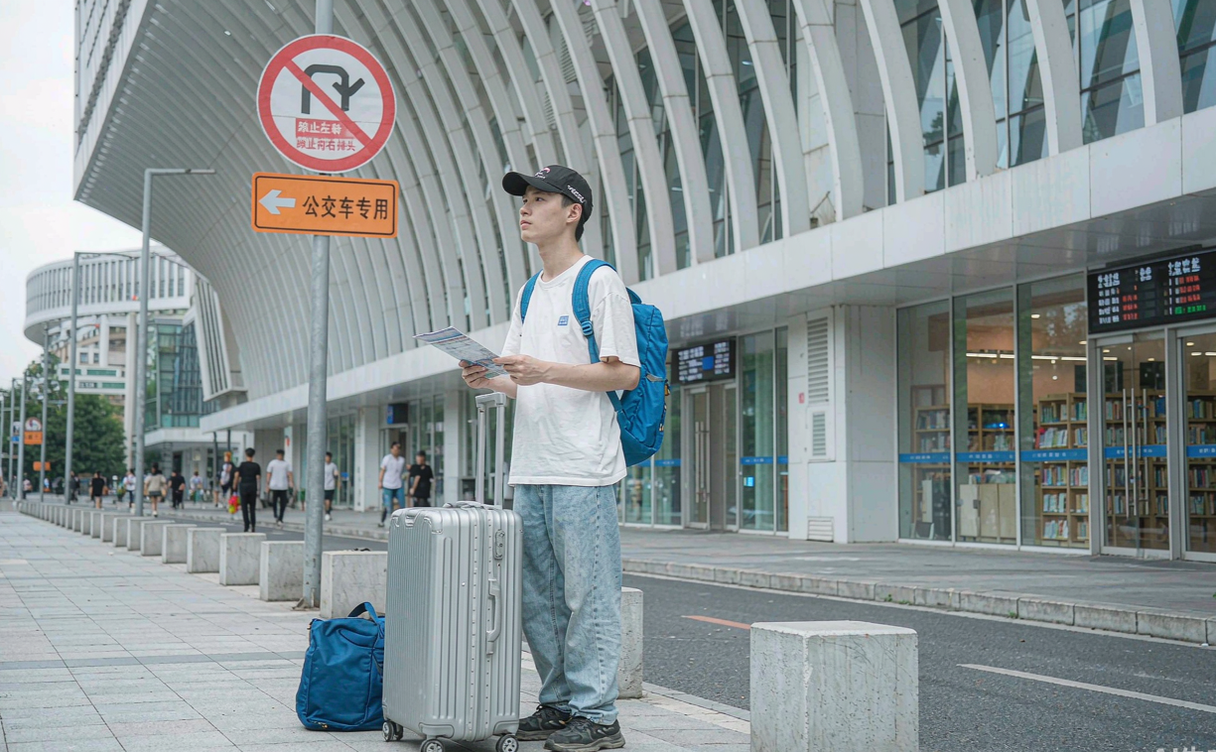
Plan the city hit before you land
The mistake we see is arriving with no plan and burning two hours deciding. Pick one or two anchors and build around them. In Beijing, the Forbidden City plus a hutong dinner is a perfect half-day; in Shanghai, the Bund, Yu Garden, and a metro ride to lujiazui fill an afternoon. Keep it close to the city center, because the airports sit 40–90 minutes out. Our new airport guide notes which terminals connect fast to downtown and which need a longer transfer, so you can judge your true free time the moment you step off.
Getting into town: metro or Didi
Both Beijing and Shanghai run fast airport rail links — the maglev or metro line gets you central in 30–50 minutes for ¥25–50. For door-to-door ease, Didi (the local ride app) is cheap and reliable: a Beijing airport ride to the center runs ¥120–180, Shanghai similar. Learn the apps before you arrive by reading our China taxi and Didi guide, and keep the metro map handy from our China metro and subway guide — the metro is your friend when surface traffic jams. Have your hotel or a landmark’s name in Chinese on screen to show the driver.
Baggage: check it through if you can
If your airline through-checks your bag to the final destination, you walk out of the airport hands-free and city-ready. If not, you’ll need to collect and store it. Most major airports have left-luggage counters charging ¥20–60 per bag per day, and some have automated lockers. Our airport transit baggage guide covers which airports allow through-checking on separate tickets and where the storage desks sit, so you’re not dragging a suitcase across the Bund.
Where to rest if you stay put
Some layovers are too short to leave, or you’d rather sleep. On-airport and nearby transit hotels have gotten good: capsule pods inside terminals, and sleep hotels a shuttle ride away, run ¥300–600 for a night. Booking these in advance beats hunting at 2 a.m. Our airport transit hotels guide ranks the clean, quiet options by airport and tells you which are airside (no visa needed) versus landside.
What to pack for a layover dash
You won’t return to the airport hotel, so carry a daypack with the essentials: a power bank, a refillable bottle, hand sanitizer, and a light layer because northern terminals are overheated and the city can be bitter. Keep your onward boarding pass and passport in an easy pocket — you’ll show them at the transit desk and again at security on return. Comfortable shoes matter more than anything; a 48-hour dash is walked, not ridden, and blistered feet end the fun fast.
Eating well in a few hours
Food is the fastest way to feel a city. In Beijing, a hutong noodle shop or a duck dinner beats any airport lounge. In Shanghai, soup dumplings at a local spot near the Bund cost ¥30–60 and taste like the place. Build your plan around one proper meal rather than grazing, and you’ll remember the stop long after the flight. Avoid over-ordering; you’re moving, not settling in, and a heavy meal plus a metro sprint is no one’s friend. Ask your hotel concierge or a friendly local where the line is longest — queues are the most reliable restaurant review in China.
Money and apps for the stop
You don’t need much cash for a dash, but do set up Alipay or WeChat pay before you land so a street snack or taxi is painless. Download offline maps of the city you’ll enter, and save the Chinese name of your one must-see sight to show drivers. None of this takes long, and it’s the difference between a confident few hours and a confused one. A translation app covers the rest when a menu has no pictures.
Comparing the common layover cities
Beijing gives history and scale; Shanghai gives waterfront glamour and easier transit; Chengdu or Guilin as connections are rarer but spectacular if your route allows. Pick based on what you’d regret missing, not on which is closest, since all sit 40–90 minutes from their airports. A China 48-hour layover rewards decisiveness more than mileage, so commit to one or two anchors and enjoy them fully rather than rushing three.
Staying legal and calm at the desk
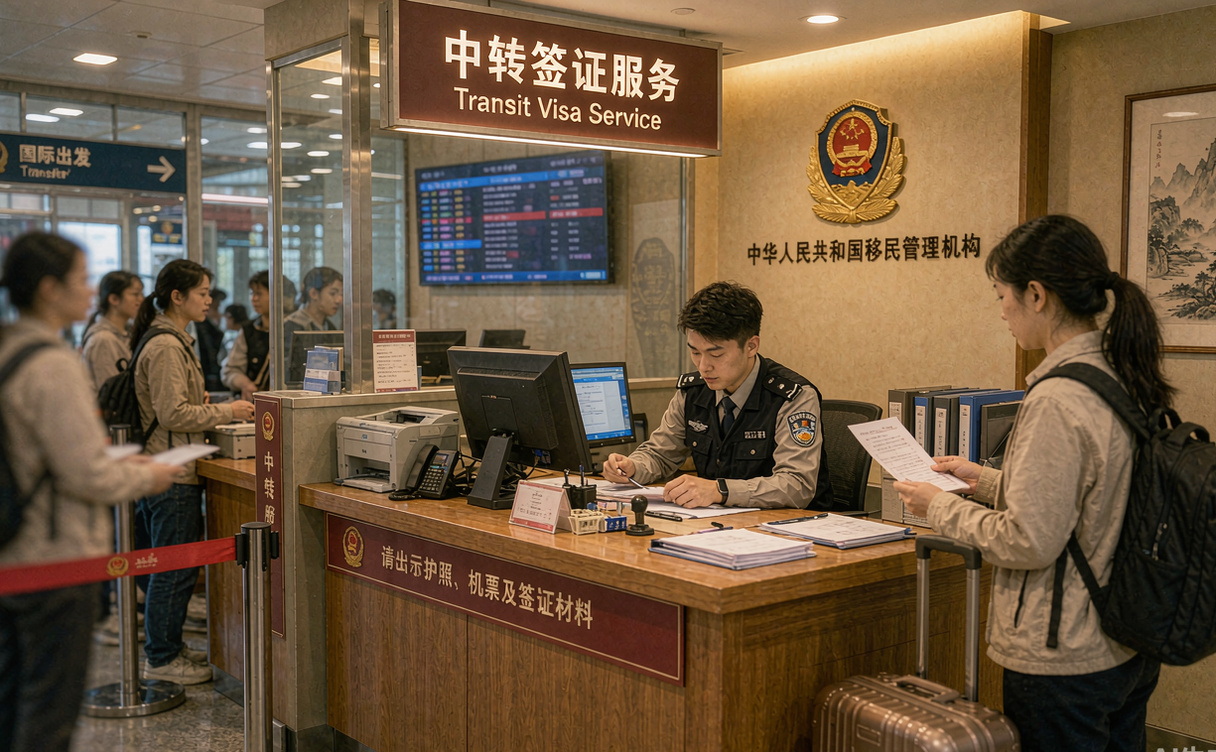
The transit desk officer sees tired, confused travelers all day; a printed itinerary and a polite smile go far. Answer the standard questions — purpose of visit, onward flight, length of stay — briefly and truthfully. If your connection doesn’t qualify, you’ll be sent to the airside hotel rather than the city, so don’t argue; just adjust. Most travelers who prepared ahead sail through in ten minutes, and the officer is genuinely there to help you use the allowance.
When the layover is longer than a day
With the 240-hour allowance, some connections stretch to two or three nights, enough for an overnight train to a nearby town or a full day trip. In that case book a proper hotel near a metro line rather than near the airport, and treat it like a miniature vacation. The same apps and the same transit desk govern it; only the clock changes, and with more hours you can trade the dash for a relaxed wander.
A tight 12-hour Beijing plan
Land at 6 a.m., clear transit formalities by 7, maglev-plus-metro to the center by 8:30. Forbidden City 9–12, dumpling lunch, hutong walk 1–3, taxi back, airport by 4:30 for a 7 p.m. departure. That’s a real taste of the city on a single connection. Shanghai works the same with the Bund and a food market. The trick is accepting you’ll see one slice, not the whole country, and enjoying it.
What can go wrong
Missed connections are the big one — build a buffer, because a delayed inbound flight can void your transit eligibility if you can’t make the onward one. Keep your onward boarding pass and passport visible; transit desks want to see both. Avoid buying anything you can’t carry through security again. And watch the clock: the last metro leaves around 22:30–23:00, after which only Didi remains, at surge pricing.
A China 48-hour layover is one of the best travel bargains going — a free mini-trip stapled onto a longer journey. Sort the visa question before you fly, pick your one or two anchors, and let the city do the rest.
Most visitors book their China hotels through Trip.com — it shows real-time availability and accepts international cards.