

The first time I hiked the Great Wall, I expected a postcard. What I got was a thigh-burning climb up uneven stone, a wind that snapped my map shut, and a ridge line that disappeared into the clouds in both directions. It was exhausting and unforgettable. If you are reading this China Great Wall hiking guide, you already sense that the Wall is best experienced on foot, not from a tour-bus parking lot. This article walks you through the best sections to hike, how to plan a route, what it costs, and the practical tips that separate a triumphant day from a miserable one.
The Great Wall is not a single wall but a network of fortifications built across more than two millennia, with the most famous masonry dating from the Ming dynasty (14th–17th centuries). It stretches over 20,000 kilometers across northern China, and only a small fraction is restored for casual visitors. The rest is wild, crumbling, and spectacular — and that is exactly where the best hiking lives. For the broad context, our Great Wall of China guide explains the history and the different dynasties’ contributions.
Choosing the best Great Wall hiking sections
Not all sections are equal, and your choice depends on fitness, appetite for crowds, and how “wild” you want it. Here are the best Great Wall hiking sections for foreign travelers:
- Mutianyu — Heavily restored, with a cable car and toboggan, but far fewer crowds than Badaling and surrounded by dense forest. Great for a first, family-friendly hike. Compare it directly in our Mutianyu vs Badaling guide.
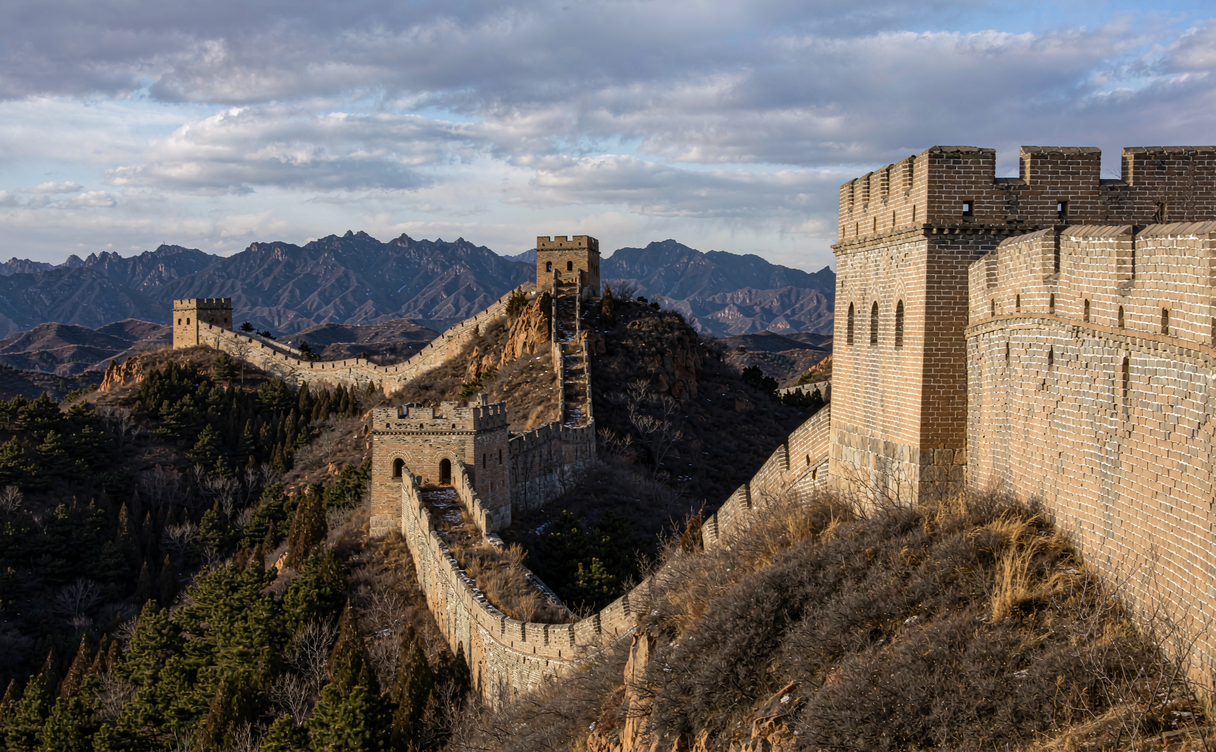
- Jinshanling — The sweet spot for serious walkers. Semi-restored, photogenic, and the starting point for the classic hike toward Simatai. Our Jinshanling Great Wall guide details the trails and timing.
- Simatai — Wild and dramatic, famous for night hikes with lantern-lit walls. More remote and requiring a bit more planning.
- Jiankou — Truly wild, steep, and unrestored; beautiful but only for fit, experienced hikers with a guide. Do not attempt alone.
- Gubeikou — Quiet, unrestored, and historically rich; ideal for those who want solitude.
My personal favorite is the Jinshanling stretch: you can walk for hours along crenellated battlements with watchtowers every few hundred meters and barely see another soul if you go early.
A sample Great Wall hike itinerary
A realistic Great Wall hike itinerary for a day-tripper from Beijing:
- 6:00 AM — Depart Beijing (private car or organized shuttle) for Jinshanling, about 2 to 2.5 hours northeast.
- 8:30 AM — Arrive, buy the ticket (CNY 65), and start at the east gate.
- 9:00 AM–12:30 PM — Hike the main ridge, climbing towers 1 through 15, pausing for photos and water.
- 12:30 PM — Picnic lunch on a tower (carry your own food; there is little on the wall).
- 1:30–3:30 PM — Continue toward the Simatai side or turn back, depending on energy.
- 4:00 PM — Descend and begin the drive back, reaching Beijing by early evening.
For a two-day version, camp near the wall with a licensed operator or stay in a village guesthouse and hike a different section the next morning. Multi-day treks linking Jiankou to Mutianyu are possible but require a guide and permits in places.
How to hike the Great Wall safely
Knowing how to hike the Great Wall is mostly about respecting the structure and your own limits. The restored sections have proper steps and railings; the wild sections are loose, mossy, and exposed. A few non-negotiables:
- Wear real hiking shoes. Smooth soles slide on worn stone. I learned this the hard way on a dewy morning at Jinshanling.
- Carry water and snacks. At least 1.5 liters per person on a warm day; there are no vendors on wild stretches.
- Start early. Beat both the heat and the bus tours.
- Hire a guide for wild sections. Jiankou and Gubeikou are easy to get lost on; a local guide costs CNY 200–400 for a half day and is worth every yuan.
- Check the weather. The wall is dangerous in rain, ice, or high wind. Avoid it in storms.
This is the core of any Great Wall trekking guide: the Wall rewards preparation and punishes complacency.
Great Wall hiking tips from the trail
Beyond safety, these Great Wall hiking tips will improve the day:
- Go midweek. Saturdays at Mutianyu and Badaling are shoulder-to-shoulder; a Tuesday is transformative.
- Pack a light layer. Ridges are windy even when the city is warm; a windbreaker weighs nothing.
- Bring a power bank. Photo batteries die fast in the cold wind.
- Respect the masonry. Don’t chisel souvenirs or climb on unstable parapets; the Wall is fragile and, in parts, protected.
- Use the toilets at the gates. There are none on the wild wall.
- Tell someone your plan. If hiking wild sections, register with your guesthouse or guide.
Costs and ticketing
Budgeting is straightforward. Restored sections charge entry: Badaling about CNY 40–45, Mutianyu CNY 45 plus CNY 100–140 for cable car or toboggan, Jinshanling CNY 65. Wild sections like Jiankou are currently free but may have village access fees of CNY 10–20. Transport from Beijing ranges from CNY 150–300 per person on a group shuttle to CNY 500–800 for a private car round trip. A guided wild-wall day with a licensed operator runs CNY 600–1,200 all-in. None of this is expensive by global hiking standards, and the experience is world-class.
Best time to hike
The best time to visit the Wall on foot is spring (April–May) and autumn (September–October). Spring brings green hills and mild temps; autumn delivers crisp air and the famous red-and-gold northern foliage. Summer is hot and crowded; winter is stunning under snow but icy and best left to the restored, railed sections. I hiked Jinshanling in late September and had the ridge to myself by 9 AM with visibility for miles — the single best morning of my China travels.
Getting there from Beijing
Most hikes start from Beijing. The flow:
- Organized tour/shuttle — Easiest for foreigners; hotel concierges and platforms book day trips to Mutianyu and Jinshanling.
- Private car/Didi — Flexible, door-to-wall, about 1.5–2.5 hours depending on section.
- Public bus — Cheaper but fiddly; reach the long-distance bus stations and transfer.
Arriving in Beijing by rail first? Our China high-speed train guide for foreigners explains station logistics so you can hit the trail the next day. If this is your first China trip overall, the China travel guide for first-timers covers visas, payments, and navigation.
Why the Wall deserves the effort
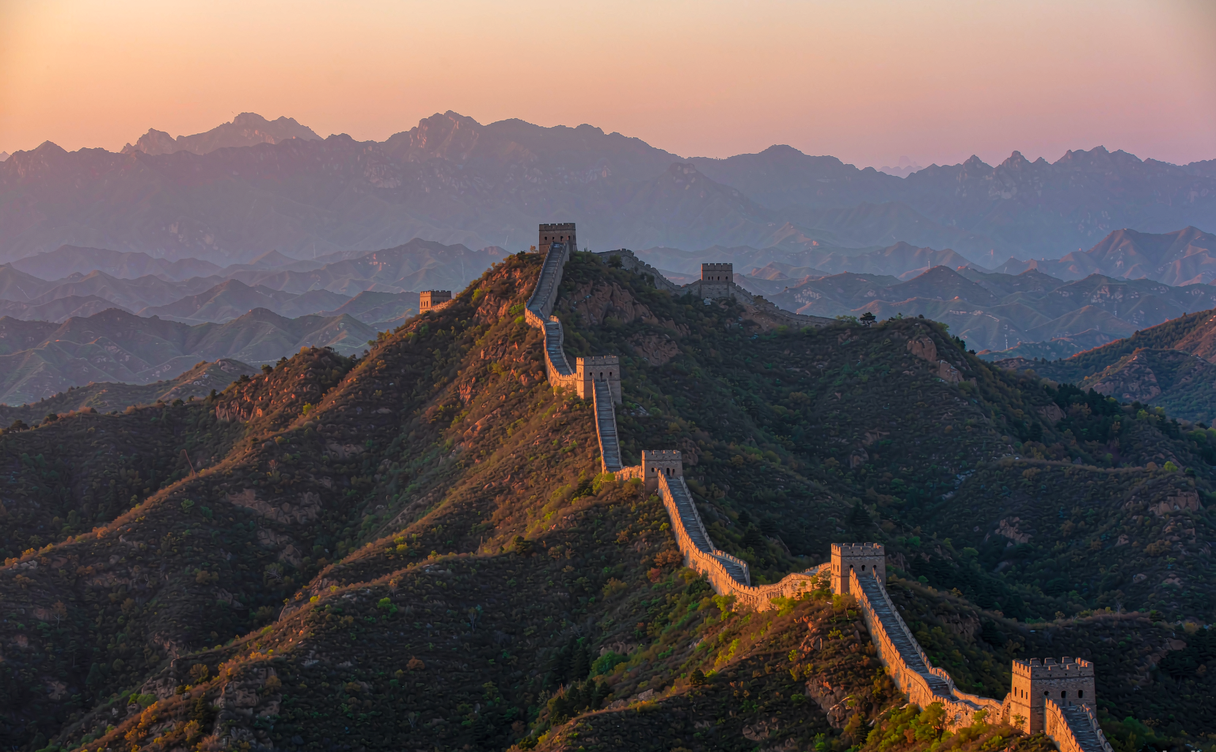
Walking the Wall is not just exercise; it is a physical encounter with one of humanity’s largest built structures. The UNESCO World Heritage list recognizes the Great Wall of China for exactly this scale and significance — a defensive system that shaped the history of a civilization. You can read the official designation on the UNESCO Great Wall of China page, which is worth a look before you go. Standing on a Ming watchtower, with the wall snaking over ridge after ridge, you understand why no photo does it justice. That is the promise of China Great Wall hiking: not a sight, but a stride.
Building your own route
If you want to combine hiking with the rest of your China plan, the Wall pairs well with a Beijing cultural stay and, for the ambitious, with trips west to the loess plateau walls of Shaanxi or the desert fortifications of Gansu. For inspiration across the country, our best things to do in China list ranks the Wall among the top experiences, with links to plan each region.
A few final thoughts from the trail: go early, go light, go with respect for the stone, and go ready to be humbled by distance. The Wall will still be there, ridge after ridge, long after your legs recover.