

Mainland China runs on two calendars at once — the international Gregorian one for work, and the lunar one for its oldest celebrations. For a visitor, that’s an opportunity: time your trip to a festival and you’ll see the country at its loudest, warmest and most photogenic. But the same festivals trigger the year’s biggest travel surges, so the dates double as a planning tool. This China festivals guide gives you the 2026 dates, what actually happens, and how to enjoy each without getting crushed by the crowds. For the wider timing picture, start with our best time to visit China guide.
The 2026 festival calendar
These are the dates that matter for travelers in 2026. Note that the two “Golden Weeks” (Spring Festival and National Day) are also the worst times to fight for trains and hotel rooms.
| Festival | 2026 date | What happens | Travel impact |
|—|—|—|—|
| Spring Festival (Lunar New Year) | Feb 17, 2026 | Family reunions, red decorations, fireworks, temple fairs | 40-day travel rush; book everything weeks ahead |
| Lantern Festival | Mar 3, 2026 | Lantern displays, yuanxiao dumplings, light shows | Busy evenings, not a holiday per se |
| Qingming (Tomb-Sweeping) | Apr 5, 2026 | Families clean ancestors’ graves, spring outings | 3-day holiday, light domestic travel |
| Dragon Boat Festival | Jun 19, 2026 | Boat races, zongzi (rice parcels), herbal sachets | 3-day holiday, riverside events |
| Mid-Autumn Festival | Sep 25, 2026 | Mooncakes, family dinners, lantern walks | 3-day holiday, mild travel |
| National Day (Golden Week) | Oct 1, 2026 | Parades, flags, travel boom, light shows | Oct 1–7 holiday; peak crowds |
| Double Ninth (Chongyang) | Oct 18, 2026 | Mountain hikes, honoring elders, chrysanthemum | Quiet, local |
Spring Festival: the big one
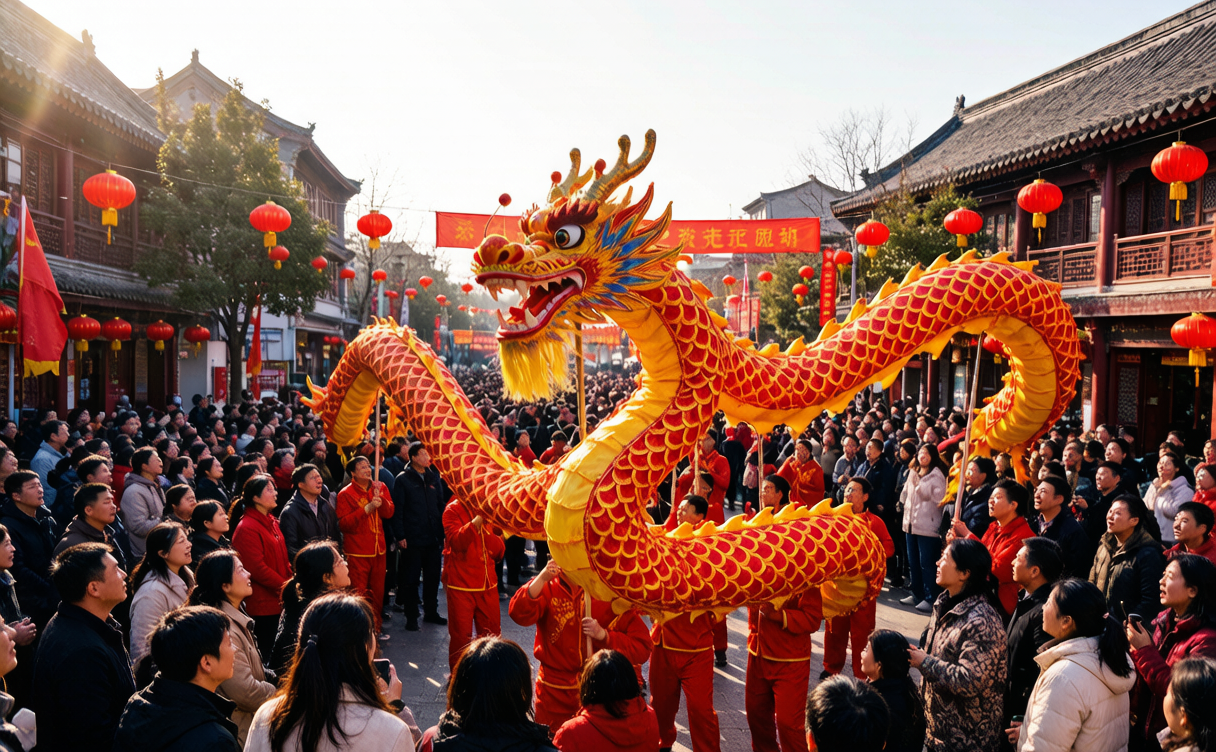
Spring Festival (Chunjie) is the world’s largest annual human migration — roughly 3 billion trips across the 40-day period around Feb 17, 2026. Cities empty as workers return home; Beijing and Shanghai go eerily quiet, while hometowns fill. For a visitor this is a double-edged sword: transport and the best hotels sell out and triple in price, but the decorations, temple fairs (miaohui) and fireworks are unforgettable. If you go, arrive before Feb 15 and stay put — don’t try to travel during the peak days. Our things to know before visiting China explains the etiquette (red envelopes, greetings) so you’re not lost at a dinner table.
Lantern and Qingming: the gentle ones
The Lantern Festival (Mar 3) closes the New Year season with glowing displays — Shanghai’s Yuyuan Garden and most historic quarters put on the best. Qingming (Apr 5) is more reflective: families visit graves, then picnic in the spring green. It’s a lovely, low-pressure time to be in China, with mild weather and few tourists; pair it with the shoulder-season notes in our China travel guide for first-timers.
Dragon Boat and Mid-Autumn: the fun ones
Dragon Boat (Jun 19) brings races on rivers from Hangzhou to Guangzhou — loud, colorful, free to watch from the bank. Eat zongzi (sticky-rice parcels in leaves) from any market. Mid-Autumn (Sep 25) is the cozy one: families share mooncakes and walk under a full moon; bakeries sell endless varieties (lotus, red bean, salted egg yolk) for RMB 8–30 each. Both are 3-day holidays with only modest travel pressure, making them ideal festival windows for a first trip.
National Day: spectacular but crowded
Oct 1, 2026 kicks off a 7-day Golden Week. The flags, light shows and patriotic energy are real, but so are the crowds — top sights like the Forbidden City cap entries and sell out, and every train is full. Go only if crowds don’t bother you, and book the high-speed train guide for foreigners booking steps 15 days ahead. Many travelers instead visit in late October, just after the week, to catch the post-holiday calm and autumn color.
How to celebrate as a visitor
- Join a temple fair during Spring Festival — eat skewers, watch opera, ride a fairground ride among locals.
- Learn one greeting: “新年快乐” (xīn nián kuài lè — Happy New Year) or “中秋节快乐” opens any door.
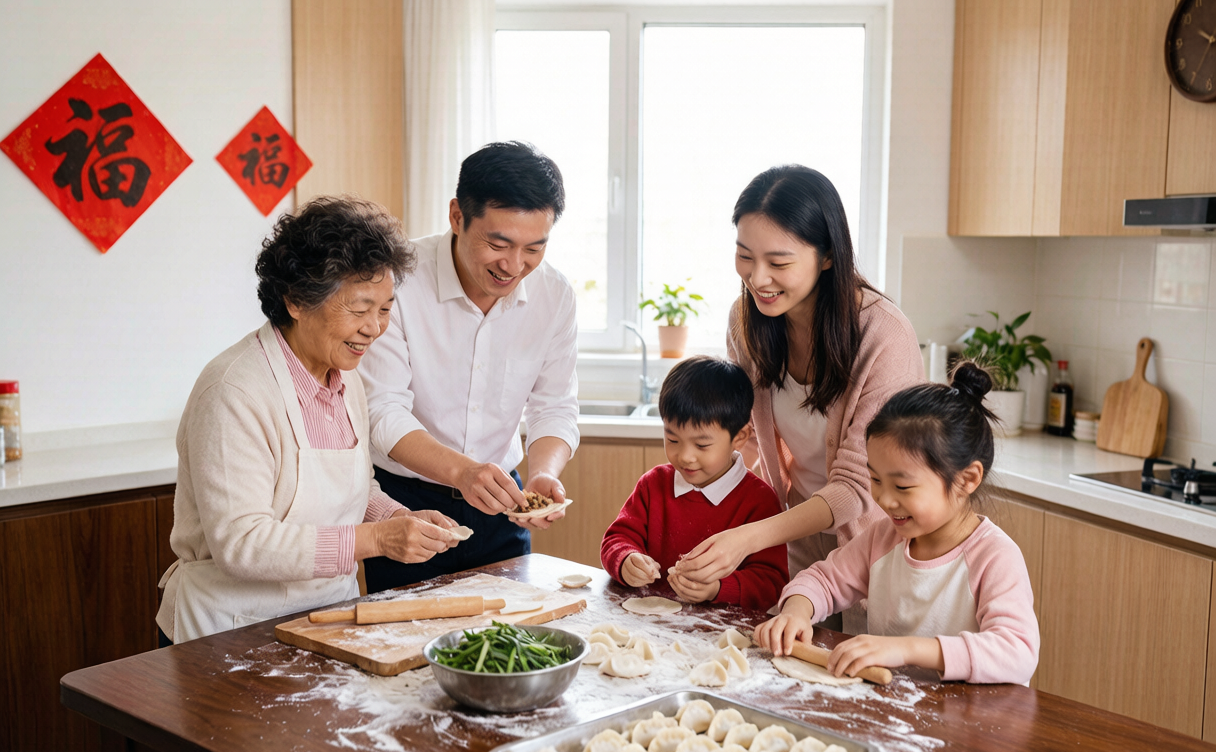
- Eat the food of the day: dumplings for New Year, zongzi for Dragon Boat, mooncakes for Mid-Autumn.
- Watch, don’t just photograph: sit by a dragon-boat riverbank and let the rhythm pull you in.
- Try the seasonal food: every festival has a signature — glutinous niangao for New Year, sweet zongzi in summer, savory mooncakes in autumn; buy from a market, not a hotel.
- Dress for the occasion: red for New Year brings smiles; a lantern in hand at the Lantern Festival makes you part of the show.
Festivals with kids
Children light up at the lanterns, fireworks and fairgrounds. If you’re traveling as a family, our China family travel guide has age-specific notes — and a warning to skip the two Golden Weeks with little ones unless you book far ahead. The best time to visit China guide marks which months keep family trips calm.
Practical Tips
- For Spring Festival and National Day, book trains the day they release (15 days out) and hotels 4–6 weeks early.
- Avoid trying to change cities on the 3 peak days of either Golden Week — stay in one place.
- Carry small cash for temple fair snacks; some stalls don’t take cards.
- Download a lunar-calendar app so you’re never surprised by a 3-day holiday mid-trip.
- Fireworks are loud and late on New Year’s Eve — request a quiet hotel floor if you’re a light sleeper.
- Temple fairs get packed midday; go at opening (9–10am) for space and the best food.
FAQ
Which festival is best for a first-time visitor?
Dragon Boat (Jun 19) or Mid-Autumn (Sep 25) — both vivid, food-forward and free of the Golden Week crush.
Is Spring Festival a good time to visit?
Magical for decorations and fairs, but transport and hotels sell out and triple in price; stay in one city rather than travel during it.
Do shops and sights close during festivals?
Banks and offices close on official holidays, but tourist sights, malls and restaurants mostly stay open — often busier than usual.
How far ahead should I book for National Day?
Trains the day they release (15 days prior) and hotels 4–6 weeks ahead; the Forbidden City caps entries, so reserve online early.
Are festivals family-friendly?
Very — lanterns, fireworks and fairs delight kids. See our China family travel guide for age-specific planning.
Where can I verify the exact dates each year?
The authoritative source for public holiday dates is timeanddate.com, which publishes China’s observed holidays annually.
Beyond the headline holidays
The calendar above is just the famous seven; hundreds of local fairs and regional festivals fill the gaps, and many are the real reward of things to do in China once you’ve worked out how to get to China. Our off-the-beaten-path China guide points to towns where a small temple fair beats any headline crowd.
Written by Karl Huang, updated August 2026.