

Most visitors picture China as mountains and cities, but the country has a long tropical coastline along the South China Sea that supports real reef life. A proper China diving and snorkeling guide starts in Hainan and the coral islands off the Guangxi coast, where warm water and protected bays give beginners and certified divers something to see. The diving here is not the Indo-Pacific spectacle of Thailand or the Philippines, but for travelers already in the country it is accessible, affordable, and surprisingly rich in soft coral and tropical fish.
Where the water is clear
The best diving spots in China cluster around three areas: the northeast coast of Hainan near Sanya and Wanning, the volcanic island of Weizhou off Beihai, and the reefs of the Paracel chain that are closed to casual tourists. For open travel, Hainan and Weizhou are the practical choices, with visibility that runs from 5 to 15 meters depending on season and wind.
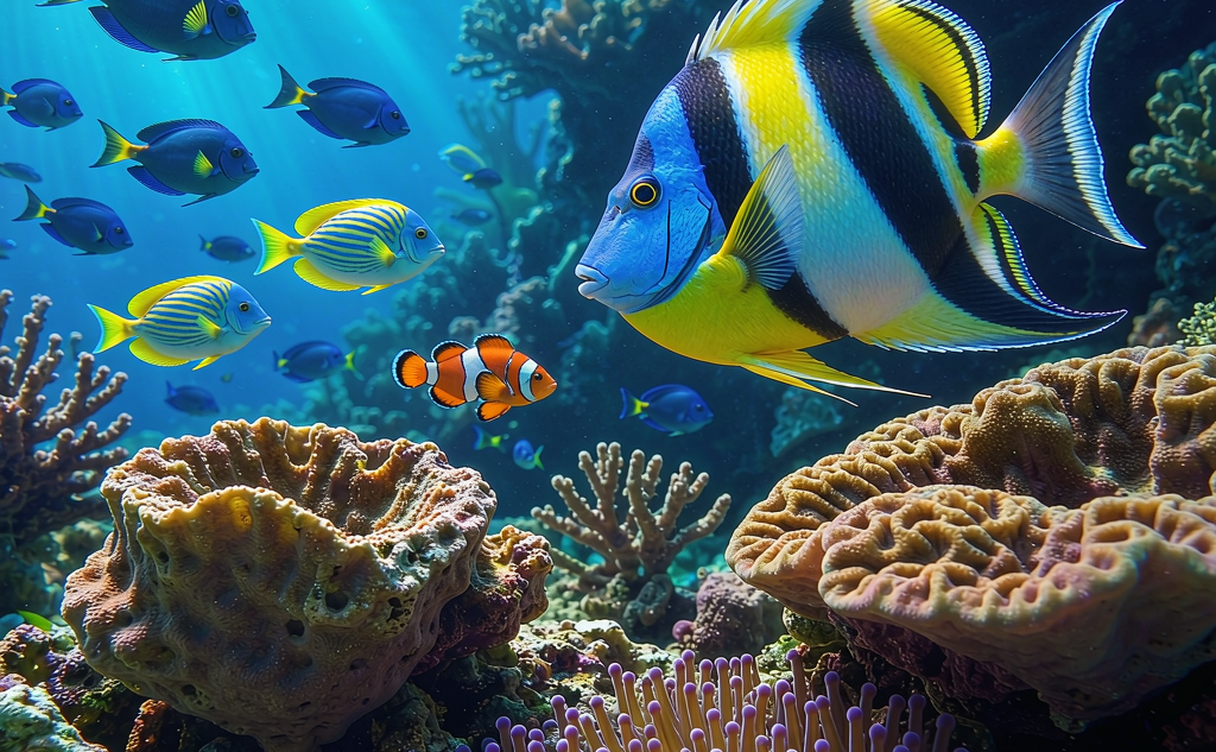
The reef life here rewards patience. On a good day at Wuzhizhou or Weizhou you can expect trumpetfish hovering over the drop-off, anemonefish tucked into the soft coral, and the slow drift of a turtle near the deeper rocks. The waters off Guangxi and southern Hainan also hold nudibranchs and cleaner shrimp on the volcanic walls, small details best appreciated on a slow, shallow dive. Visibility is rarely the 30-meter clarity of the Indo-Pacific, but on a calm spring morning the shallows glow with light and the fish come close to the surface, which is exactly why snorkeling works so well here.
Snorkeling versus diving
The choice comes down to how much you want to see and how much you want to spend. Snorkeling needs only a mask, snorkel, and fins, and it lets you cover a lot of shallow reef from the surface, ideal at Weizhou’s coral conservation zone and the gentle bays of Sanya. Diving opens the drop-offs, the arches, and the deeper fish life, but it requires a course or a guide and costs more per session. Many travelers do both: snorkel on their own in the morning and book one introductory dive to feel the deeper reef. Children and non-swimmers usually get more from a calm snorkel cove than from a pressured first descent, and a good mask that seals is the single biggest factor in enjoying either activity.
Sanya and Wuzhizhou Island
Sanya is the diving hub of mainland China. The standout is Wuzhizhou Island, a protected marine reserve with drop-offs, artificial reef structures, and a ban on fishing inside the zone. Day boats run from the Haitang Bay side, and the island’s east end holds the clearest water. Expect parrotfish, groupers, sea cucumbers, and fields of soft coral on the slopes. Several operators on the island offer introductory dives that include a short pool lesson and a guided descent to about 8 meters.
Yalong Bay on the Sanya mainland also has calm, sheltered water and a row of resort dive centers. It is the easiest place to snorkel straight off the beach, though the reef quality is better out at Wuzhizhou.
Wanning and the east coast
Wanning is better known among surfers, but its rocky points and the nearby Shimei Bay hold good snorkeling when the swell drops. The freshwater meeting the sea at the Wanning River mouth attracts small baitfish and the occasional ray in the shallows. Divers here tend to be independent and self-organized, so bring your own gear or arrange a private boat through a local center.
Haikou and the north shore
The provincial capital Haikou faces the open strait rather than sheltered bays, so conditions are rougher and the diving is less celebrated. That said, the reefs off the nearbyholiday beaches and the boat trips toward the outer islets suit snorkelers who want to avoid the Sanya crowds. Treat Haikou as a logistics base and a place to sort gear before heading south.
Weizhou Island and Beihai
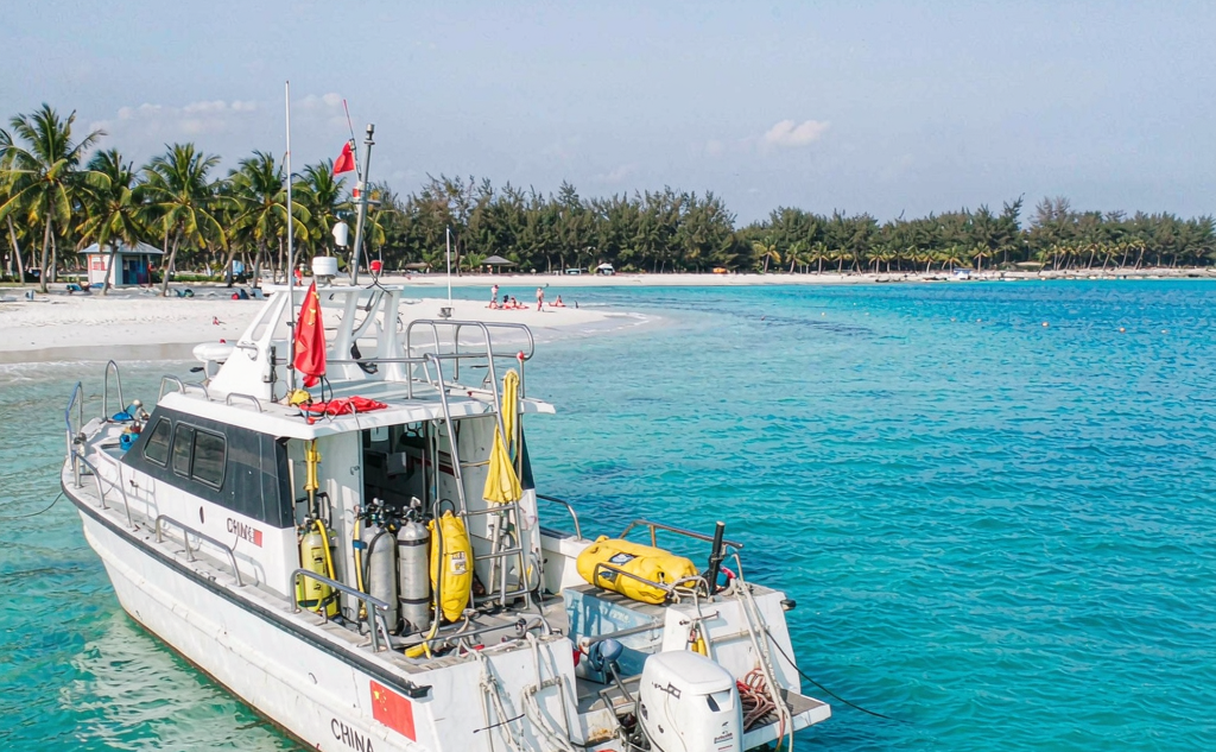
Weizhou is a volcanic island off Beihai in Guangxi, and it is the sleeper hit of China scuba diving destinations. The underwater terrain is dramatic: lava platforms, arches, and coral gardens in water that stays above 20°C for most of the year. The island limits daily visitor numbers, which keeps the reef healthier than busier Sanya. Snorkelers can wade in at Crocodile Hill and the coral conservation zone, while certified divers can book deeper drifts with local shops in the town of Weizhou.
Beihai itself offers the famous Silver Beach, a long sweep of fine sand with shallow, gentle water. It is a family snorkeling spot more than a dive site, good for first masks and fins rather than serious underwater travel.
Underwater photography on a budget
You do not need a housed camera to come home with good images. A simple waterproof phone case handles snorkel-depth shots, and the trick is to get close to the subject, stay still, and shoot upward toward the light so the fish are outlined against brightness rather than a flat gray bottom. For diving, a rented action camera with a red filter restores the color that water strips out below five meters. Avoid using flash on the reef, which stresses the animals, and never move coral to improve a frame, since the reef here is fragile and recovers slowly.
When to go
The China underwater travel tips all point to the same window: April to June and September to November. Summer brings warm water but also typhoon risk, strong currents, and reduced visibility from runoff. Winter is calm and clear in the south but cooler, with suits of 5 mm or a hooded vest needed for comfort. Always check the local marine forecast and avoid diving right after heavy rain.
Typhoon season deserves real respect. From July to September a named storm can shut the ferries to Weizhou for two or three days and turn Sanya’s bays brown with runoff, so build a flexible buffer into any summer dive plan. Spring and autumn also mean fewer boats and quieter reefs, which improves both safety and the chance of spotting larger animals. If your dates are fixed in summer, aim for the edges of the season and watch the forecasts daily rather than booking dives weeks ahead.
Certification and operators
Introductory dives need no license, but a recognized cert such as PADI Open Water unlocks the deeper sites at Wuzhizhou and Weizhou. Several centers on Hainan run four-day courses in English during peak season. For background on training standards, the PADI website explains course levels and what each certification allows.
Gear, safety, and respect
Rentals are widely available in Sanya and on Weizhou, but masks and regulators vary in quality, so bring your own mask if you care about fit. Never touch coral, do not feed fish, and keep buoyancy control tight near the reef. Medical care is good in Sanya and Haikou but limited on the smaller islands, so travel insurance that covers diving is worth buying before you fly.
A dive computer or at least a clear depth and time plan is sensible even on guided intro dives, because the reefs here are shallow enough that it is easy to lose track of bottom time. Rinse your gear in fresh water after every session to keep masks and regulators working in the salt, and if you bring your own wetsuit, a 3 mm full suit covers most of the year while summer may need only a shorty. Keep a surface marker buoy for any independent shore dive, since local boat traffic near the ferry lanes does not always expect a diver below.
Planning your route
Our Sanya beach travel guide covers where to stay for the easiest boat access to Wuzhizhou, and the Wanning travel guide details the east-coast entry points. If you land in the north, the Haikou travel guide and the Beihai travel guide explain how to reach Weizhou, while the Weizhou Island guide lays out the ferry and the best snorkel coves.